


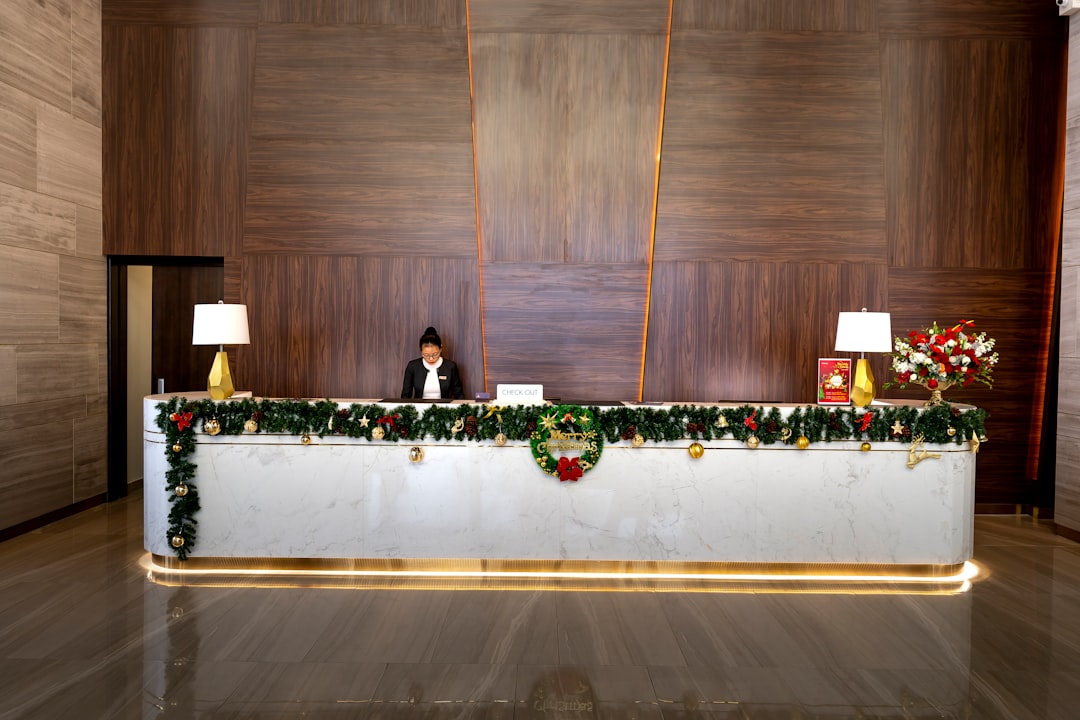
How can your hotel guarantee exceptional guest service at 3 AM as reliably as at 3 PM? In the competitive GCC hospitality landscape, a truly 24/7 front desk operation is not a luxury—it is a fundamental expectation. Consequently, mastering hotel reception 24/7 coverage separates market leaders from the rest. This continuous service model demands strategic planning, robust staffing, and deep regional compliance knowledge. Therefore, this guide provides a comprehensive roadmap for achieving flawless, around-the-clock guest service.
The Gulf region’s tourism sector is experiencing unprecedented growth. Major events, year-round travel, and luxury developments raise guest expectations. Furthermore, a front desk is the operational heart and brand ambassador of any hotel. It handles check-ins, concierge requests, and critical incidents at all hours. Moreover, labor laws and visa regulations in the UAE, Saudi Arabia, Qatar, and Kuwait add complexity to staffing. Understanding these nuances is essential for operational success and legal compliance.
At Allianze HR Consultancy, we’ve successfully placed 10,000+ professionals across UAE, Saudi Arabia, Qatar, and Kuwait. Furthermore, our 5+ years of GCC expertise supports clients from 50+ countries. Moreover, our Ministry of External Affairs (India) RA license ensures compliance. Therefore, contact our recruitment specialists for expert guidance on building your 24/7 front office team.
Understanding GCC Front Desk Operational Demands
GCC hotels operate within a unique, high-expectation environment. Guests often arrive on long-haul flights at unconventional hours. Additionally, cultural and international events create unpredictable demand surges. Consequently, staffing models must be exceptionally resilient and flexible. A skeleton night crew cannot match the daytime team’s capability.
Key operational pillars for 24/7 service include language skills, technical proficiency, and cultural awareness. Front desk agents must handle diverse guest nationalities. Moreover, they need mastery over Property Management Systems (PMS) and communication tools. Furthermore, understanding local customs and laws, such as those related to tourism visas, is non-negotiable. This combination of soft and hard skills defines service excellence.
- Multilingual capabilities (Arabic, English, plus major tourist languages).
- Advanced PMS and reservation software training.
- Protocols for handling emergency situations during low-staff hours.
- Deep knowledge of local attractions, transport, and cultural norms.
- Cash handling and financial reconciliation procedures for all shifts.
Finally, a supportive work environment is crucial for shift workers. Employers must consider ergonomics, safety, and morale for overnight teams. Providing adequate breaks, secure transportation, and proper supervision ensures staff wellbeing. This investment directly translates into higher retention and better guest reviews.
Hotel Reception 24/7 Coverage Strategic Overview
Implementing effective hotel reception 24/7 coverage requires a deliberate strategic framework. First, you must move beyond simple shift scheduling. Instead, adopt a holistic workforce management approach. This strategy encompasses recruitment, training, compliance, and technology. Furthermore, it aligns front desk operations with overall hotel business objectives and brand standards.
A core component is designing a fair and legal shift rotation system. Common models include the DuPont schedule or variations of 8-hour and 12-hour shifts. Each model impacts fatigue, overtime costs, and team cohesion differently. Moreover, you must account for peak seasons, holidays, and local labor laws regarding working hours and rest days. Strategic planning prevents burnout and ensures consistent service quality.
- Develop a yearly staffing plan aligned with occupancy forecasts and events.
- Implement overlapping shifts during peak check-in/out times for coverage.
- Create a dedicated pool of reliable part-time or on-call staff for surges.
- Integrate cross-training with concierge and reservations teams for flexibility.
- Establish clear key performance indicators (KPIs) for each shift.
Technology serves as a critical force multiplier for 24/7 operations. Automated check-in kiosks can supplement, not replace, human staff during busy periods. Additionally, robust internal communication platforms keep night staff connected with management. Furthermore, professional recruitment resources help identify candidates suited for non-traditional hours. Ultimately, strategy turns the challenge of continuous coverage into a competitive advantage.
Legal Framework and Compliance Standards
Navigating the GCC’s labor regulations is paramount for 24/7 operations. Each country has distinct laws governing working hours, overtime, and rest periods. For instance, the UAE’s labor law specifies maximum working hours and mandatory rest days. Similarly, Saudi Arabia’s Ministry of Labor regulations have precise guidelines for shift work. Non-compliance risks severe penalties, including fines and operational restrictions.
Visa and sponsorship regulations directly impact recruitment for continuous shifts. Employers must secure the correct work permits and residency visas for international staff. Additionally, some Emirates or regions may have specific quotas or requirements for hiring nationals. The process involves medical testing, document attestation, and contract registration with authorities. Understanding this bureaucratic landscape is essential for timely staffing.
International standards also provide valuable guidance. The International Labour Organization hospitality standards emphasize fair working conditions. Furthermore, occupational health and safety protocols are critical for night shifts. Employers must ensure proper lighting, security, and access to meals. Adhering to these standards is both a legal and ethical imperative.
- Mandatory overtime pay calculations as per local wage protection systems.
- Requirements for providing transportation for staff working late-night shifts.
- Rules regarding employee accommodation and its proximity to the workplace.
- Procedures for obtaining night work permits for female employees, where applicable.
- Compliance with end-of-service benefit calculations for shift workers.
Therefore, a proactive compliance strategy is non-negotiable. Regular audits of work schedules and payroll prevent violations. Moreover, maintaining clear records of shift rotations and overtime approvals is crucial. Partnering with an experienced HR consultancy mitigates these complex legal risks effectively.
Hotel Reception 24/7 Coverage Best Practices
Adopting industry best practices transforms your front desk into a model of efficiency and service. First, implement a rigorous, shift-specific onboarding program. New hires for overnight shifts require tailored training. This training should simulate night-time scenarios with limited managerial support. Furthermore, it must cover security protocols, emergency procedures, and solo decision-making frameworks.
Secondly, foster a strong team culture that transcends shift boundaries. Often, day and night teams operate in silos, harming communication. Regular whole-team meetings and shared digital logs bridge this gap. Additionally, creating opportunities for shift overlap allows for direct handovers and relationship building. Consequently, this improves information flow and creates a unified department.
- Utilize a detailed digital pass-on log for seamless shift handovers.
- Conduct unannounced “mystery guest” audits across all shifts for quality control.
- Offer shift differential pay or additional allowances for night and weekend work.
- Implement a buddy system pairing new night staff with experienced agents.
- Develop a comprehensive emergency playbook accessible to all staff at all times.
Another critical practice is leveraging data from your PMS. Analyze check-in patterns, call volume, and request types by hour. This data informs smarter scheduling, placing your strongest staff during the busiest overnight periods. Moreover, it helps justify staffing levels to management with concrete business intelligence. For ongoing support, schedule a consultation appointment with our hospitality HR experts.
Finally, prioritize employee wellbeing to combat shift work fatigue. Encourage healthy sleep hygiene and provide nutritious food options. Additionally, offer access to wellness programs. A supported and alert team is your first line of defense in delivering exceptional 24/7 guest service. These practices ensure your hotel reception 24/7 coverage is sustainable and successful.
Documentation and Processing Steps
Flawless documentation is the backbone of compliant 24/7 staffing. The process begins with precise, legally sound employment contracts. These contracts must explicitly outline shift patterns, overtime rates, and role expectations. Furthermore, they need to comply with both the home country’s laws and GCC destination country regulations. Inaccurate contracts are a primary source of labor disputes.
Next, the visa and work permit process requires meticulous attention. Each document, from educational certificates to experience letters, must be attested. This often involves verification from home country authorities, foreign embassies, and GCC ministries. Moreover, medical fitness tests for contagious diseases are mandatory for residency visas. Subsequently, these steps must be completed before the employee can legally begin work.
According to the UAE visa and immigration services, procedures are detailed and sequential. Similarly, other GCC nations have their own portals and requirements. Employers must also secure quota approvals or work permits from the relevant Ministry of Labor or Interior. This entire process can take several weeks and requires expert navigation.
- Drafting Ministry-approved employment contracts in Arabic and English.
- Attestation of educational and professional certificates from issuing bodies.
- Medical examination at government-approved health centers.
- Application for Emirates ID (UAE) or equivalent national identity card.
- Registration of employee in the national wage protection system.
Therefore, establishing a clear, step-by-step internal checklist is vital. Assigning a dedicated coordinator to manage this pipeline prevents delays. Additionally, using a reliable recruitment partner streamlines the entire documentation journey from sourcing to deployment.
Hotel Reception 24/7 Coverage Implementation Timeline
A realistic timeline is critical for successfully launching or optimizing 24/7 front desk coverage. Rushing the process leads to compliance gaps and poor hiring decisions. Typically, a full-cycle implementation spans 8 to 12 weeks. This period covers planning, recruitment, visa processing, and training. Furthermore, it allows for a phased rollout to identify and correct issues.
The first phase (Weeks 1-2) involves internal assessment and planning. Audit current staff levels, skills, and schedules. Simultaneously, define the new shift model and create detailed job descriptions. Next, begin the recruitment and sourcing process. Given the specialized nature of shift work, candidate screening must evaluate adaptability and resilience.
The second phase (Weeks 3-8) focuses on recruitment and legal processing. This is often the longest phase due to visa procedures. Candidate selection, offer issuance, and document collection happen here. Subsequently, the visa application and medical testing processes begin. According to the UN World Tourism Organization, skilled hospitality labor mobility requires careful facilitation.
- Week 1-2: Needs Analysis, Budgeting, and Model Design.
- Week 3-4: Job Posting, Candidate Sourcing, and Initial Interviews.
- Week 5-6: Final Interviews, Offer Letters, and Document Collection for Attestation.
- Week 7-8: Visa Application Submission, Medical Tests, and Travel Arrangements.
- Week 9-10: Arrival, Final Orientation, and Shadow Training on Specific Shifts.
The final phase (Weeks 9-12) encompasses onboarding and go-live. New hires undergo intensive, shift-specific training. Moreover, they shadow experienced staff during their designated shifts. Finally, a supervised transition to independent work occurs. Monitoring performance closely during this period ensures the hotel reception 24/7 coverage model meets its goals.
Common Challenges and Solutions
Employers frequently encounter specific hurdles when managing 24/7 front desk operations. First, high turnover among night shift staff is a pervasive issue. The unconventional hours can lead to social isolation and health concerns. Consequently, proactive retention strategies are essential. Solutions include offering competitive shift differentials, career progression paths for night staff, and ensuring a supportive team environment.
Secondly, maintaining consistent service quality across all shifts is difficult. The night team may lack immediate supervisory support. To address this, implement robust knowledge management systems. Digital SOP manuals, video tutorials, and a centralized query log empower night staff. Additionally, regular quality assurance checks that include night shifts help maintain standards.
Another challenge is navigating the complex web of GCC labor laws, as highlighted by International Labour Organization standards. Missteps in overtime calculation or rest day allocation are common. The solution lies in investing in specialized HR software or consultancy services. These tools automate schedule compliance and payroll calculations, minimizing legal risk.
- Challenge: Fatigue and burnout on overnight shifts. Solution: Enforce strict break schedules and offer wellness support.
- Challenge: Communication gaps between day and night teams. Solution: Mandate overlapping handover periods and use shared digital communication platforms.
- Challenge: Sourcing qualified candidates willing to work nights. Solution: Partner with recruiters who have dedicated hospitality talent pools.
- Challenge: Budget overruns due to unplanned overtime. Solution: Use forecast-based scheduling and maintain a part-time relief pool.
Finally, security concerns for staff working late hours are paramount. Solutions include providing secure, company-arranged transportation and ensuring well-lit, monitored back-of-house areas. Addressing these challenges systematically builds a resilient and effective 24/7 operation.
Expert Recommendations for Success
To excel in 24/7 front desk management, adopt a forward-thinking, employee-centric approach. First, view your front desk team as a strategic asset, not just an operational cost. Invest in their continuous professional development with training that goes beyond basic duties. For example, crisis management, advanced guest recovery, and basic accounting skills add tremendous value. Furthermore, this investment boosts morale and reduces turnover.
Secondly, leverage technology as an enabler, not a replacement. While self-service kiosks aid efficiency, the human touch remains irreplaceable in hospitality. Use technology to eliminate administrative burdens, allowing staff to focus on guest interaction. Integrate your PMS with communication tools and mobile devices for staff. This allows agents to assist guests anywhere in the lobby, enhancing service.
Thirdly, build strong relationships with a specialized recruitment partner. The unique demands of 24/7 coverage require candidates with specific temperaments and skills. A partner like Allianze HR understands these nuances. They can pre-screen for shift adaptability, language skills, and cultural fit. This significantly improves the quality of hire and reduces time-to-fill for critical roles.
Consider also the insights from global bodies like the World Health Organization regarding worker health. Promote healthy lifestyles and provide access to nutritional food options during all shifts. Additionally, create a culture of recognition that celebrates the contributions of night and weekend teams equally. This fosters inclusivity and respect across the entire department.
- Conduct quarterly “state of the front desk” reviews with staff from all shifts.
- Implement a career ladder that recognizes expertise in overnight operations.
- Use guest feedback tools that capture sentiment by shift for targeted improvement.
- Develop a succession plan that identifies future leaders from within the shift teams.
- Stay informed on tourism trends via resources like the World Bank tourism sector reports.
Ultimately, success hinges on meticulous planning, compassionate leadership, and strategic partnerships. By following these expert recommendations, you build a front desk operation that is not just always open, but always excellent.
Frequently Asked Questions About Hotel Reception 24/7 Coverage
What is the typical cost for implementing hotel reception 24/7 coverage?
Costs vary based on hotel size, location, and service level. Factors include recruitment fees, shift differential pay, overtime, and technology investments. Furthermore, visa and processing costs per employee add to the budget. Therefore, a detailed financial model is essential for accurate planning.