


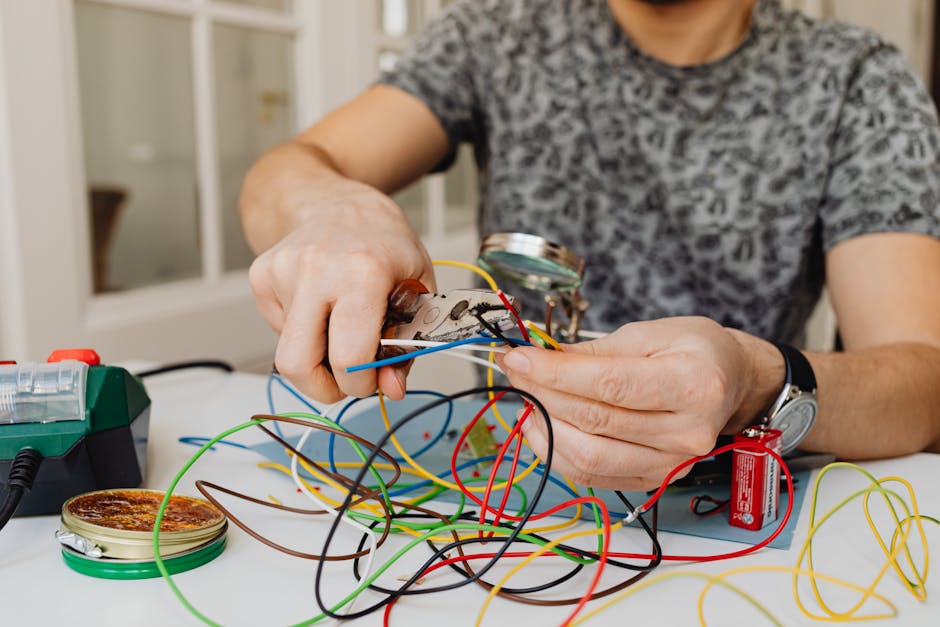
Skill Test for Electrician
Construction sites demand highly skilled electricians. Safety and quality depend on their expertise. Therefore, a comprehensive skill test for electrician in construction is essential. It verifies technical knowledge and practical abilities. However, many companies struggle with implementation. Additionally, creating effective assessments requires industry insight. Furthermore, these tests protect both workers and employers. They ensure compliance with strict regulations from bodies like the International Labour Organization guidelines. This guide explores best practices for evaluating electricians.
Understanding Skill Test for Electrician
These assessments measure an electrician’s competency. They cover theoretical knowledge and hands-on skills. Typically, tests include multiple components. For example, code comprehension and wiring installations. Moreover, safety protocols are critically evaluated. Consequently, only qualified individuals pass. This process aligns with global standards. It often references World Health Organization workplace standards for safety.
Skill Test for Electrician Benefits
Implementing these tests offers numerous advantages. First, it significantly enhances job site safety. Properly trained electricians reduce accident risks. Additionally, work quality and efficiency improve dramatically. Clients receive better service and reliability. Furthermore, companies minimize costly rework and delays. They also ensure compliance with local laws. This is particularly important in regions with strict UAE government employment regulations. Ultimately, it builds a reputation for excellence.
How Skill Test for Electrician Works
The assessment process is multi-faceted. It begins with a written examination. This section tests knowledge of electrical codes. Next, a practical demonstration is required. Candidates must complete typical tasks. For instance, installing conduits or troubleshooting circuits. Moreover, safety procedures are rigorously observed. Examiners use standardized scoring rubrics. Therefore, results are consistent and fair. Finally, a verbal interview may assess problem-solving skills.
Best Skill Test for Electrician Practices
Developing an effective test requires planning. First, identify the key skills needed for the job. Then, create questions that accurately measure them. Additionally, use real-world scenarios whenever possible. This increases the test’s validity. Furthermore, ensure all equipment is properly calibrated. Examiners must be thoroughly trained and impartial. Regularly update the test to reflect current U.S. Department of Commerce trade information and technology.
Skill Test for Electrician Implementation
Rolling out a new assessment takes careful effort. Start by communicating its purpose clearly to all staff. Explain how it benefits everyone. Then, schedule tests during low-impact periods. Additionally, provide study materials and resources. This helps candidates prepare adequately. Furthermore, offer a practice test to reduce anxiety. Always debrief participants after the exam. Provide constructive feedback for improvement. For support, consider professional resources from industry experts.
Advanced Skill Test for Electrician Strategies
Technology enhances modern skill assessments. Computer-based testing allows for precise question randomization. Additionally, virtual reality can simulate dangerous scenarios safely. This provides invaluable experience without risk. Moreover, data analytics can identify common knowledge gaps. Consequently, training programs can be tailored accordingly. These advanced methods represent the future of trades testing. They align with global trends noted in World Bank economic reports.
Skill Test for Electrician Success Tips
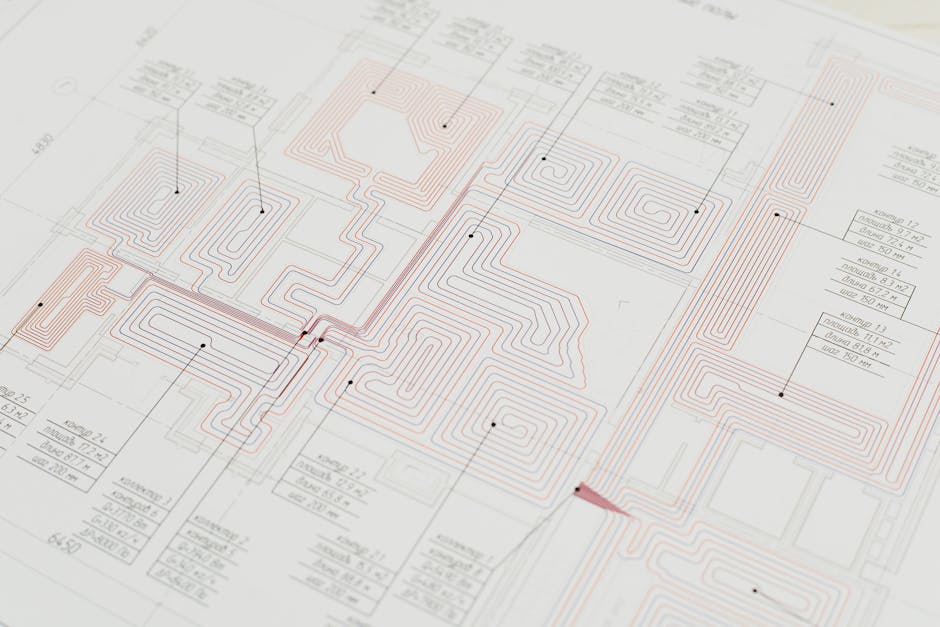
Candidates can improve their performance with preparation. First, thoroughly review the National Electrical Code. Practice hands-on skills regularly. Additionally, study blueprints and schematic diagrams. Time management during the test is crucial. Furthermore, maintain a calm and focused demeanor. Always prioritize safety above speed. Examiners notice careful and methodical work. For personalized guidance, schedule appointment with a mentoring electrician.
Future of Skill Test for Electrician
Electrical assessments will continue evolving. Technology integration will become standard. For example, augmented reality might guide complex installations. Additionally, artificial intelligence could personalize tests. Furthermore, global standardization efforts will increase. This facilitates worker mobility across borders. Continuous learning will be embedded into the process. Electricians will need to regularly update their certifications. The industry moves toward lifelong skill validation.
Frequently Asked Questions
What is typically included in a skill test for electrician?
Tests usually combine written exams on electrical theory and code. Additionally, they include practical wiring, troubleshooting, and safety demonstrations.
How long does a construction electrician assessment take?
Duration varies significantly. Generally, it ranges from two to eight hours. It depends on the test’s comprehensiveness and the candidate’s experience level.
Can you fail a skill test for electrician?
Yes, failure is possible if minimum competency standards are not met. However, most tests allow retakes after a defined study period and additional preparation.
Who administers these electrical skill assessments?
Tests are administered by employers, trade unions, licensing bodies, or independent certification organizations. They ensure evaluators are highly experienced and impartial.
Why are practical demonstrations so important?
Theoretical knowledge alone is insufficient. Practical tests prove an electrician can correctly and safely apply their knowledge in real-world construction environments.
How often should electricians be re-tested?
Industry best practice suggests reassessment every three to five years. This ensures skills remain current with evolving electrical codes, technologies, and safety protocols.
Conclusion
A robust skill test for electrician is non-negotiable in construction. It safeguards projects, people, and reputations. Implementing a well-designed assessment strategy ensures a competent workforce. Additionally, it promotes a culture of safety and continuous improvement. Therefore, investing in proper evaluation methods pays long-term dividends. Begin enhancing your team’s capabilities today. For expert guidance on developing your program, seek expert consultation. Build a safer, more skilled electrical team now.