


Onboarding best practices
Understanding Onboarding best practices
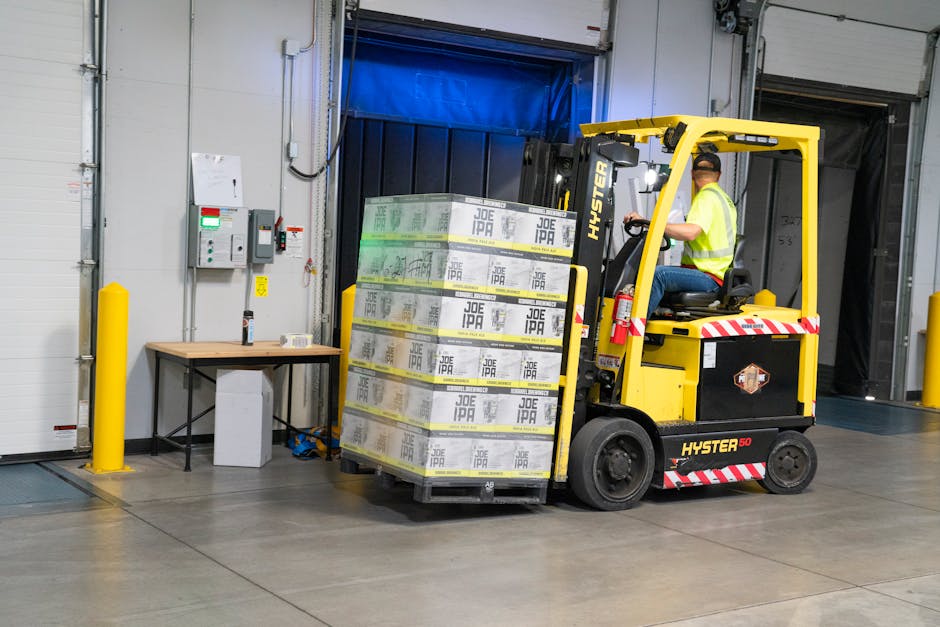
Effective onboarding is crucial for workplace safety and efficiency. This is particularly true for high-risk roles like forklift operation. In Oman’s growing logistics and industrial sectors, a structured approach is essential. Companies must prioritize comprehensive training from day one.
However, many organizations underestimate its importance. A proper program integrates company culture with technical skills. Additionally, it ensures legal compliance with Omani labor laws. Furthermore, it builds a foundation for long-term employee retention and safety.
Onboarding best practices Benefits
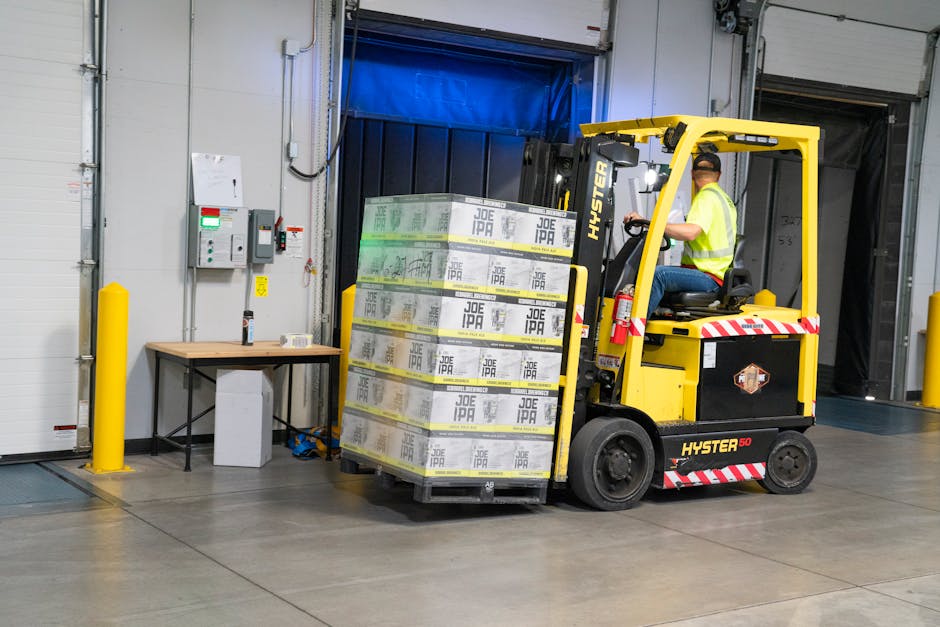
Implementing a robust program yields significant returns. First, it dramatically reduces workplace accidents. Forklifts pose serious risks in warehouses and construction sites. Proper training mitigates these dangers effectively.
Secondly, it enhances overall operational productivity. Well-trained operators work more efficiently and confidently. They also handle equipment with greater care. Consequently, this reduces maintenance costs and equipment downtime.
Moreover, a strong onboarding process improves employee morale. New hires feel valued and supported from the start. This leads to higher job satisfaction and lower turnover rates. Therefore, investing in onboarding directly impacts the bottom line.
How Onboarding best practices Works
A successful program follows a clear, phased methodology. The process begins before the operator’s first day. Typically, it involves paperwork completion and initial safety briefings. Next, formal classroom-based training commences.
This theoretical phase covers essential knowledge. Topics include forklift mechanics and load dynamics. Additionally, trainees learn about Omani safety regulations. Then, practical, hands-on sessions under supervision begin.
Finally, a formal evaluation and certification process occurs. This structured approach ensures competence and compliance. For ongoing development, access to professional resources is invaluable.
Best Onboarding best practices Practices
Adhering to proven strategies is key for success. First, develop a customized checklist for the Omani context. This checklist should cover all legal and operational requirements. It ensures no critical step is missed.
Secondly, assign a dedicated mentor or buddy. This experienced operator guides the new hire. They provide real-time feedback and support. Additionally, this fosters a positive company culture.
Furthermore, incorporate local language and regulation training. Understanding instructions and safety signs is critical. Similarly, align the program with International Labour Organization guidelines. This guarantees international standards are met.
Onboarding best practices Implementation
Rolling out a program requires careful planning. Start with a thorough training needs analysis. Identify the specific skills and knowledge gaps. Then, design the curriculum to address these gaps.
Next, secure management buy-in and necessary resources. Budget for training materials and qualified instructors. Moreover, schedule sessions to minimize operational disruption. Effective implementation often benefits from an expert consultation.
Finally, communicate the plan clearly to all stakeholders. Ensure new hires understand the process and its importance. Consistent communication prevents confusion and sets clear expectations.
Advanced Onboarding best practices Strategies
Go beyond basics with advanced techniques. Implement technology like VR simulations for hazard training. This provides a safe environment to practice emergency procedures. Additionally, it enhances learning retention.
Furthermore, establish a continuous feedback loop. Regularly check in with new operators after training. Use their insights to refine and improve the program. This adaptive approach keeps the process relevant.
Also, consider cross-training operators for different forklift models. This increases workforce flexibility. For global context, review U.S. Department of Commerce trade information. This provides insights into international supply chain standards.
Onboarding best practices Success Tips
Achieving excellence requires attention to detail. First, document every step of the onboarding process. This creates a repeatable and scalable system. It also simplifies auditing and compliance checks.
Secondly, celebrate milestones and certifications. Recognizing achievement boosts morale and motivation. Additionally, it reinforces the value of the training program. This positive reinforcement is powerful.
Moreover, stay updated on local legal changes. Omani regulations can evolve. Regularly update your training materials to reflect current laws. For regional insights, UAE government employment regulations offer a useful comparison.
Future of Onboarding best practices
The landscape of operator training is evolving rapidly. Technology will play an increasingly central role. Expect more AI-driven personalized learning paths. These systems adapt to an individual’s pace and skill level.
Furthermore, data analytics will help predict training outcomes. Companies can identify potential issues before they become problems. This proactive approach enhances safety and efficiency. Staying informed via World Bank economic reports is wise.
Additionally, global safety standards will continue to converge. Programs in Oman will align more closely with international benchmarks. This harmonization is crucial for multinational companies operating in the region.
Frequently Asked Questions
What is the ideal duration for forklift operator onboarding in Oman?
The duration varies based on experience. Typically, a comprehensive program lasts three to five days. This includes both theoretical learning and practical evaluation. Adhering to these onboarding best practices ensures thorough training.
Are there specific legal requirements for onboarding in Oman?
Yes, Omani labor law mandates safety training for high-risk equipment operators. Companies must maintain training records. Furthermore, compliance with World Health Organization workplace standards is recommended for best practices.
How can we measure the success of our onboarding program?
Track key metrics like accident rates and equipment damage. Additionally, monitor operator productivity and retention rates. A successful program shows improvement in these areas over time.
Should theoretical training be conducted in Arabic or English?
This depends on the operator’s primary language. For maximum comprehension, use the language the operator is most comfortable with. Many companies in Oman offer training in both Arabic and English.
What is the role of a mentor during the onboarding process?
A mentor provides practical, on-the-job guidance. They help the new operator apply classroom knowledge in real-world scenarios. This relationship accelerates learning and fosters confidence.
Can existing operators benefit from refreshed onboarding?
Absolutely. Periodic refresher courses are a critical best practice. They reinforce safety protocols and introduce new techniques or equipment. This ongoing training maintains a high standard of operation.
Conclusion
Implementing superior onboarding best practices is non-negotiable for forklift operations in Oman. It directly impacts safety, efficiency, and compliance. A well-structured program protects your workforce and your assets.
Therefore, continuous evaluation and improvement of your process is vital. The initial investment yields long-term benefits through reduced accidents and higher retention. Start transforming your operational safety today.
Ready to enhance your training program? Schedule appointment with our specialists. We provide tailored solutions for the Omani market. Build a safer, more productive workplace now.