



Understanding GCC Laboratory Technician Requirements
GCC countries maintain specific qualification standards for healthcare laboratory roles. These requirements ensure patient safety and service quality. Moreover, they align with international best practices. Additionally, regulatory bodies frequently update competency frameworks.
Laboratory technicians typically need science-based diplomas or degrees. Furthermore, specific certification validates technical competencies. For instance, molecular diagnostics training becomes increasingly important. Similarly, automation system operation requires dedicated instruction.
- Medical laboratory technology diplomas from recognized institutions
- Clinical practicum completion with minimum hours
- Country-specific licensing examination passage
- Continuous professional development documentation
- Equipment-specific competency certifications
- Quality management system training records
Employers must verify credentials through proper channels. Additionally, practical skills assessment proves crucial during recruitment. Consequently, comprehensive training programs bridge any identified gaps. They ensure technicians meet GCC healthcare standards.
Training Lab Technician Healthcare Strategic Overview
A strategic approach to training lab technician healthcare programs delivers multiple benefits. First, it standardizes procedures across departments. Second, it reduces diagnostic errors significantly. Third, it enhances laboratory efficiency and throughput.
Effective programs combine theoretical knowledge with practical application. Furthermore, they address both technical and soft skills. Additionally, cultural competency training improves team integration. This proves particularly important in diverse GCC workplaces.
- Compliance with World Health Organization workplace standards
- Alignment with international laboratory accreditation requirements
- Adaptation to GCC healthcare regulatory frameworks
- Integration of emerging diagnostic technologies
- Emphasis on patient safety protocols
- Development of quality assurance competencies
Strategic planning involves multiple stakeholders. Laboratory managers, HR professionals, and clinical directors should collaborate. Moreover, training effectiveness requires regular evaluation. Therefore, assessment mechanisms must track competency development.
Legal Framework and Compliance Standards
GCC healthcare laboratories operate under stringent regulatory oversight. These frameworks ensure patient safety and result reliability. Furthermore, they mandate specific training requirements. Consequently, compliance becomes non-negotiable for employers.
Various authorities govern laboratory operations across the region. For example, Saudi Central Board for Accreditation of Healthcare Institutions sets standards. Similarly, UAE Ministry of Health and Prevention issues regulations. Additionally, international standards often influence local requirements.
- Adherence to UAE government employment regulations
- Compliance with clinical laboratory improvement amendments
- Implementation of quality management systems
- Documentation of competency assessments
- Maintenance of continuous education records
- Observation of ethical guidelines and professional conduct
Non-compliance risks severe consequences. These include financial penalties, operational restrictions, and reputation damage. Therefore, comprehensive training programs incorporate regulatory requirements. They ensure technicians understand their legal obligations.
Training Lab Technician Healthcare Best Practices
Successful training lab technician healthcare programs share several characteristics. First, they utilize blended learning approaches. Second, they incorporate competency-based assessments. Third, they align with organizational quality objectives.
Experiential learning proves particularly effective for technical skills. Furthermore, simulation-based training enhances proficiency without patient risk. Additionally, mentorship programs accelerate practical knowledge transfer. They also improve staff retention rates.
- Structured onboarding programs for new recruits
- Regular competency assessments using standardized tools
- Cross-training across multiple laboratory sections
- Documentation of individual training progress
- Integration of digital learning platforms
- Participation in external quality assurance schemes
Best practices evolve with technological advancements. Therefore, programs require regular review and updating. Moreover, feedback from trainees improves content relevance. Consequently, training remains aligned with workplace needs.
Documentation and Processing Steps
Proper documentation validates training program effectiveness. Furthermore, it demonstrates regulatory compliance during inspections. Additionally, it identifies individual development needs. Therefore, meticulous record-keeping proves essential.
Training documentation should capture multiple aspects. These include participation records, assessment results, and competency certifications. Moreover, they should link to performance management systems. This integration supports career development planning.
- Individual training needs analysis documentation
- Personalized training plans with timelines
- Skills competency checklists with assessor signatures
- Continuing professional development portfolios
- Equipment-specific operation certifications
- Quality incident response training records
Digital systems streamline documentation processes. They enable easy retrieval during audits. Furthermore, they facilitate trend analysis across the organization. Therefore, employers should invest in appropriate record-keeping solutions.
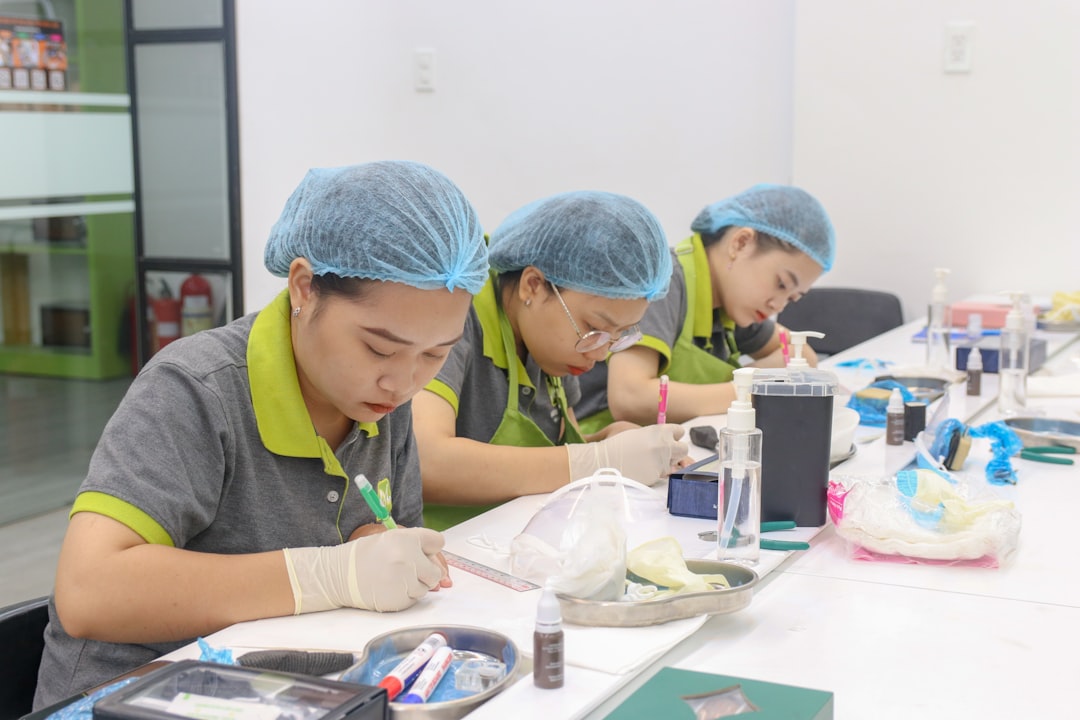
Training Lab Technician Healthcare Implementation Timeline
A realistic implementation timeline ensures program success. First, needs assessment typically requires 2-4 weeks. Second, curriculum development takes 4-6 weeks. Third, delivery and evaluation span several months.
Various factors influence timeline duration. These include program complexity, cohort size, and available resources. Moreover, regulatory approval processes may affect scheduling. Therefore, flexible planning proves advantageous.
- Week 1-4: Comprehensive training needs assessment
- Week 5-10: Customized curriculum development
- Week 11-14: Training of trainers preparation
- Week 15-26: Phased program implementation
- Week 27-30: Initial competency assessment
- Month 7-12: Ongoing evaluation and refinement
Stakeholder engagement throughout implementation proves critical. Furthermore, regular progress reviews identify potential adjustments. Consequently, programs remain responsive to emerging needs.
Common Challenges and Solutions
Healthcare organizations face several training implementation challenges. First, staff scheduling conflicts often disrupt participation. Second, budget constraints may limit program scope. Third, rapidly evolving technology requires constant curriculum updates.
Effective solutions address these challenges proactively. For instance, flexible scheduling options improve participation rates. Similarly, phased implementation manages budget impact. Additionally, modular content design facilitates easier updates.
- Challenge: Limited training infrastructure
- Solution: Partnership with established training providers
- Challenge: Language barriers among diverse staff
- Solution: Multilingual training materials and interpreters
- Challenge: Resistance to changed procedures
- Solution: Change management communication strategies
Anticipating challenges enables proactive planning. Furthermore, learning from other organizations provides valuable insights. Therefore, networking within the healthcare community proves beneficial.
Expert Recommendations for Success
Successful training programs require strategic commitment. First, secure executive sponsorship and adequate funding. Second, integrate training with organizational quality goals. Third, recognize and reward competency development.
Continuous improvement mindset proves essential. Furthermore, benchmarking against international standards maintains relevance. Additionally, involving technicians in program design enhances engagement. They provide practical insights into daily challenges.
- Align training objectives with International Labour Organization guidelines
- Utilize data from World Bank labor market reports
- Reference U.S. Department of Commerce trade resources
- Establish clear competency progression pathways
- Create communities of practice for ongoing learning
- Develop internal subject matter experts
Measurement proves crucial for demonstrating return on investment. Therefore, track key performance indicators before and after training. These include error rates, turnaround times, and staff satisfaction scores.
Frequently Asked Questions About Training Lab Technician Healthcare
What is the timeline for training lab technician healthcare?
Timeline typically ranges 4-8 weeks depending on country requirements. Furthermore, documentation preparation affects processing speed. Therefore, consult our specialists for accurate estimates.
What documentation is required for laboratory training process?
Required documents include employment contracts, visa applications, medical certificates, and educational credentials. Additionally, country-specific requirements vary. Moreover, attestation procedures apply.
What are typical costs for technician training programs?
Costs vary by position level, country, and volume. Furthermore, visa fees, medical screening, and documentation affect total investment. Therefore, request detailed quotations from recruitment partners.
How does Allianze HR ensure compliance?
We maintain Ministry-approved RA license status. Additionally, our team monitors GCC labor law changes. Moreover, we conduct thorough documentation verification at every stage.
Which GCC countries does Allianze serve?
We provide recruitment services across UAE, Saudi Arabia, Qatar, Kuwait, Bahrain, and Oman. Furthermore, our South Asian talent network spans India, Nepal, Bangladesh, and Pakistan.
What industries does Allianze specialize in?
Our expertise covers construction, hospitality, healthcare, facilities management, manufacturing, and technical services. Additionally, we handle both skilled and semi-skilled recruitment.
Partner with Allianze HR for Laboratory Training Success
Effective training lab technician healthcare programs deliver measurable benefits. They enhance diagnostic accuracy and regulatory compliance. Furthermore, they improve staff retention and operational efficiency. Consequently, they represent strategic investments for healthcare organizations.
Successful implementation requires specialized expertise. GCC regulatory frameworks continue evolving. Moreover, technological advancements demand continuous curriculum updates. Therefore, professional guidance proves invaluable for program development.
Allianze HR Consultancy offers comprehensive support for laboratory training initiatives. Our healthcare recruitment specialists understand regional requirements. Furthermore, our professional recruitment resources include training needs assessment tools. Additionally, we facilitate schedule consultation appointment for detailed planning.
Invest in excellence through structured training programs. Contact our team today to discuss your specific requirements. Together, we can develop laboratory technicians who exceed industry standards.