


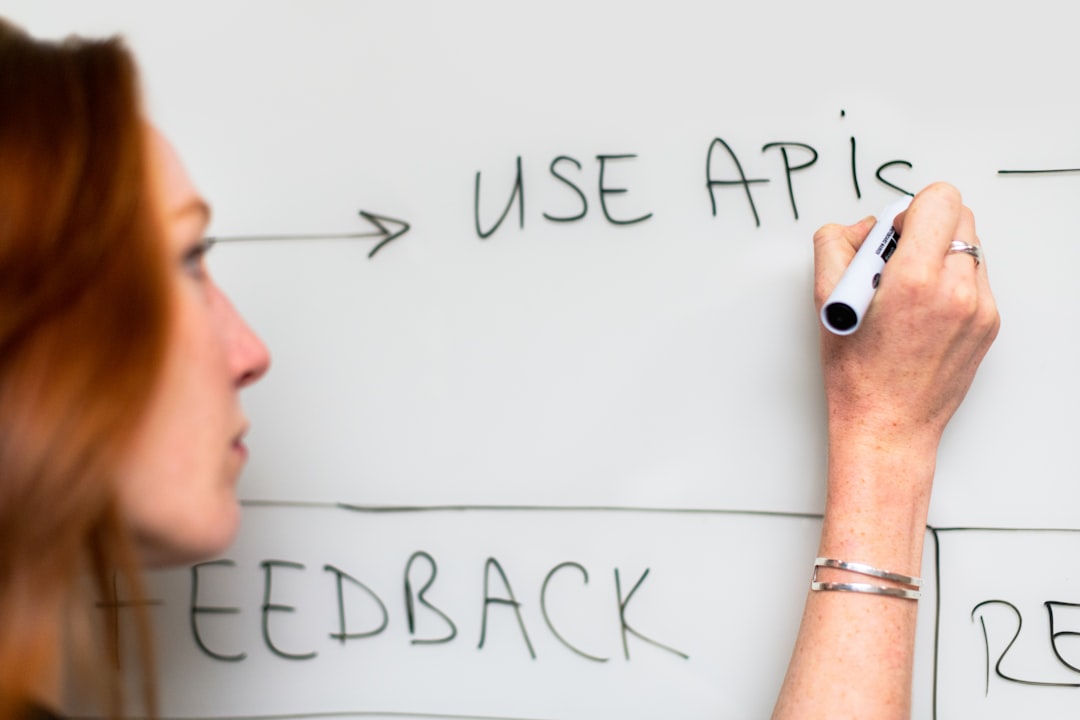
How can your organization transform performance reviews from a dreaded annual event into a powerful engine for growth? In the competitive GCC talent market, building effective performance feedback systems is no longer optional. Furthermore, it is a strategic imperative for retention and development. This guide explores integrated approaches like 360-degree, peer, manager, and self-assessment. Therefore, you can create a culture of continuous improvement.
The Gulf region’s diverse, multinational workforce presents unique challenges for performance management. Moreover, traditional top-down appraisal often fails to capture full contributions. Consequently, modern organizations adopt multi-source evaluation frameworks. These systems provide holistic insights into employee performance. Additionally, they align individual goals with organizational objectives across dynamic markets.
At Allianze HR Consultancy, we’ve successfully placed 10,000+ professionals across UAE, Saudi Arabia, Qatar, and Kuwait. Furthermore, our 5+ years of GCC expertise supports clients from 50+ countries. Moreover, our Ministry of External Affairs (India) RA license ensures compliance. Therefore, contact our recruitment specialists for expert guidance on implementing robust performance systems.
Understanding GCC Performance Management Requirements
Performance management in the Gulf requires cultural and regulatory awareness. First, hierarchical structures are common in many GCC organizations. However, modern businesses increasingly value collaborative feedback. Second, labor nationalization policies (like Saudization, Emiratization) influence evaluation criteria. Consequently, feedback systems must support skill development for national talent.
Additionally, the transient expatriate workforce impacts feedback continuity. High turnover can disrupt long-term development cycles. Therefore, systems must deliver value quickly. Moreover, cultural sensitivity around direct criticism necessitates careful framing. Feedback should be constructive and respectful. This aligns with regional business etiquette and Islamic values.
Key considerations for GCC employers include:
- Aligning feedback with both corporate and local ministry objectives.
- Designing multilingual tools for diverse linguistic backgrounds.
- Incorporating flexibility for various employment contract types.
- Ensuring data privacy complies with evolving GCC digital laws.
- Linking feedback to clear career progression pathways.
- Training managers on culturally appropriate delivery methods.
Furthermore, successful systems balance global best practices with local nuance. For deeper insights, explore our professional recruitment resources.
Building Effective Performance Feedback Strategic Overview
Building effective performance feedback requires a deliberate strategic framework. First, define the primary purpose. Is it for development, appraisal, or both? A development-focused system encourages openness. Conversely, an appraisal-focused system may inhibit honest peer input. Therefore, many organizations separate these streams.
Second, select the right mix of feedback sources. A 360-degree review gathers input from all directions. Peer feedback offers insights into collaboration and teamwork. Manager feedback provides perspective on goal achievement. Self-assessment promotes ownership and reflection. Moreover, integrating these sources creates a complete picture.
Third, establish clear governance and communication plans. Employees must understand the process’s value. Additionally, they need assurance about data confidentiality. Consequently, transparent communication reduces anxiety and increases participation rates. Regular training sessions reinforce the feedback culture.
Finally, link feedback to tangible outcomes. Development plans should emerge from every cycle. Furthermore, tracking progress on these plans closes the loop. This demonstrates the organization’s commitment to growth. It also builds trust in the entire performance management ecosystem.
Legal Framework and Compliance Standards
Implementing feedback systems intersects with several legal areas. First, data protection is paramount. Collecting and storing performance data must comply with regulations. For example, UAE’s Personal Data Protection Law imposes strict requirements. Therefore, ensure your platform and processes meet these standards.
Second, labor laws influence performance-based actions. Terminations or demotions based on feedback must follow due process. Additionally, documentation must support any disciplinary decisions. Consequently, maintain clear records of all evaluations and follow-up discussions. This protects the organization from potential disputes.
Third, ensure non-discrimination and fairness. Feedback criteria must be objective and job-related. Moreover, the process should be accessible to all employees. Accommodations may be needed for people with disabilities. Furthermore, consider guidelines from the International Labour Organization on fair workplace assessments.
Key compliance steps include:
- Conducting a data privacy impact assessment for your feedback platform.
- Reviewing all feedback forms for biased or discriminatory language.
- Establishing a clear appeals process for contested evaluations.
- Training HR staff on the legal aspects of performance documentation.
- Aligning with UAE government employment regulations and similar GCC frameworks.
- Securing explicit consent for collecting peer and subordinate feedback.
Building Effective Performance Feedback Best Practices
Building effective performance feedback succeeds through proven best practices. First, focus on behavior and results, not personality. Feedback should cite specific examples and observable actions. This makes it actionable and less personal. Moreover, it reduces defensive reactions from recipients.
Second, ensure frequent and timely delivery. Annual reviews are insufficient for real development. Instead, implement quarterly check-ins or project-based feedback. Furthermore, encourage real-time peer recognition and constructive suggestions. This creates a rhythm of continuous conversation.
Third, train everyone involved. Managers need coaching on delivering difficult messages. Peers require guidance on providing useful input. Employees benefit from training on receiving feedback graciously. Additionally, self-assessment works best with clear frameworks and prompts.
Fourth, leverage technology wisely. Choose platforms that are user-friendly and mobile-accessible. However, technology should enable, not replace, human conversation. Moreover, ensure the tool allows for customized question sets. These can be tailored to different roles and departments.
Finally, celebrate and act on the insights. Share aggregated trends (anonymously) with teams. Furthermore, demonstrate how feedback leads to organizational changes. This proves the process has real impact. Consequently, it boosts future participation and engagement across the workforce.
Documentation and Processing Steps
A structured documentation process ensures consistency and fairness. First, design standardized templates for each feedback type. 360-degree forms should have role-specific competencies. Peer feedback forms might focus on collaboration and support. Moreover, self-assessment forms should mirror manager evaluation criteria for alignment.
Second, establish a clear collection timeline. Communicate deadlines well in advance. Additionally, send reminders to improve completion rates. Meanwhile, ensure the platform is tested and accessible. Technical barriers can frustrate participants and skew results.
Third, process the data with care. Aggregate quantitative scores for trend analysis. Furthermore, qualitatively review written comments for common themes. However, maintain strict confidentiality during this stage. Only authorized HR personnel should see raw, unattributed data.
Fourth, prepare comprehensive reports for feedback discussions. These should highlight strengths and development areas. Moreover, they should compare self-perception with external ratings. This gap analysis is powerful for development planning. Subsequently, managers should be trained to facilitate these conversations effectively.
Fifth, archive documentation securely. Performance records have long-term importance for career progression. Additionally, they may be needed for legal or promotion purposes. Therefore, integrate them with your HR information system. This creates a historical record of employee growth and achievement.

Building Effective Performance Feedback Implementation Timeline
Successful implementation requires careful phasing. First, the planning and design phase typically takes 4-6 weeks. This involves stakeholder interviews and tool selection. Moreover, you must draft communication plans and training materials. Consequently, thorough planning prevents costly revisions later.
Second, pilot the program with a volunteer department. A 6-8 week pilot provides invaluable feedback. Furthermore, it allows you to test technology and processes. Additionally, you can measure initial participation rates and sentiment. Therefore, use pilot results to refine the full rollout strategy.
Third, conduct organization-wide training over 2-3 weeks. Roll out manager training first. Then, launch employee awareness sessions. Moreover, provide quick-reference guides and FAQ documents. This ensures everyone understands their role in the new system.
Fourth, launch the first full feedback cycle. Allow 3-4 weeks for completion. Subsequently, schedule feedback delivery meetings over the following 2 weeks. Finally, dedicate 2-3 weeks for development plan creation. This entire cycle typically spans 8-10 weeks initially.
Fifth, evaluate and iterate after each cycle. Gather feedback on the feedback process itself. Furthermore, analyze participation data and survey results. Additionally, assess whether development plans are being acted upon. This continuous improvement ensures the system evolves with your organization. For support, schedule consultation appointment with our experts.
Common Challenges and Solutions
Implementing multi-source feedback faces predictable hurdles. First, resistance to change is common. Employees may distrust peer input or fear transparency. Solution: Communicate benefits clearly and lead by example. Furthermore, ensure leadership participates visibly in the process.
Second, feedback quality can be inconsistent. Some provide vague praise; others offer harsh criticism. Solution: Provide specific behavioral examples in training. Additionally, use structured forms with rating scales and comment prompts. Moreover, train raters on giving balanced, evidence-based input.
Third, administrative burden can overwhelm HR teams. Solution: Leverage technology for automation where possible. Additionally, delegate coordination to department champions. Furthermore, stagger feedback cycles by department to manage workload peaks.
Fourth, cultural differences may affect participation. In some cultures, criticizing superiors is taboo. Solution: Frame upward feedback as “suggestions for support.” Moreover, emphasize anonymity in 360-degree processes. Additionally, provide multiple channels for submitting feedback comfortably.
Fifth, failing to act on feedback erodes trust. Solution: Mandate development plan creation after each cycle. Furthermore, track follow-up actions and provide resources. Additionally, share how aggregate feedback influences policy changes. This demonstrates organizational listening and responsiveness.
Expert Recommendations for Success
Based on our GCC experience, we offer key recommendations. First, start with a development-only pilot. This reduces anxiety and builds positive experiences. Furthermore, it allows refinement before linking to high-stakes decisions. Consequently, employees view the system as helpful rather than threatening.
Second, customize for your organizational culture. Do not simply copy a multinational’s template. Consider local communication styles and power distances. Moreover, align competencies with your specific strategic goals. Additionally, reference World Health Organization workplace standards for health sector roles.
Third, invest in manager capability building. Managers are the linchpins of effective feedback systems. Train them not just on process, but on coaching skills. Furthermore, provide them with tools and scripts for difficult conversations. Additionally, hold them accountable for conducting quality feedback discussions.
Fourth, integrate with other talent processes. Link feedback to learning management systems for targeted training. Furthermore, connect insights to succession planning and talent mobility. Moreover, use data to inform recruitment profiles and onboarding. This creates a cohesive talent management ecosystem.
Fifth, measure the system’s impact quantitatively. Track metrics like employee engagement scores, retention rates, and promotion velocity. Additionally, monitor participation rates across demographics. Furthermore, correlate feedback implementation with business performance indicators. This proves the return on investment to stakeholders. For global context, review World Bank labor market reports.
Frequently Asked Questions About Building Effective Performance Feedback
What is the timeline for building effective performance feedback systems?
A full implementation typically takes 4-6 months from design to first completed cycle. Furthermore, the initial design phase requires 4-6 weeks. Moreover, piloting adds 2 months. Therefore, consult our specialists for a tailored project plan.
What documentation is required for multi-source evaluation processes?
Required documents include feedback templates, confidentiality agreements, training manuals, and development plan forms. Additionally, data processing protocols and privacy notices are essential. Moreover, policy documents must outline the purpose and rules.
What are typical costs for implementing 360-degree feedback?
Costs vary by software licensing, customization, and training scope. Furthermore, internal resource time represents a significant investment. Therefore, request detailed quotations from specialized HR consultants for accurate budgeting.
How does Allianze HR ensure cultural appropriateness in GCC feedback systems?
We customize frameworks using our deep regional experience. Additionally, we involve local stakeholders in design. Moreover, we train facilitators on GCC business etiquette. Furthermore, we align questions with culturally relevant competencies and values.
Which feedback method is most effective for technical roles?
Peer feedback is often highly valuable for technical roles. It assesses collaborative problem-solving and knowledge sharing. Additionally, 360-degree reviews capture impact on cross-functional teams. Moreover, self-assessment allows technical experts to detail complex contributions.
How can we increase participation rates in peer feedback?
Ensure anonymity and clearly communicate its protection. Furthermore, keep forms concise and relevant. Additionally, link participation to team or department recognition. Moreover, leaders should model by actively requesting and giving peer feedback themselves.
Partner with Allianze HR for Performance Management Success
Building effective performance feedback is a journey, not a one-time project. It requires commitment, cultural intelligence, and continuous refinement. Furthermore, the rewards are substantial: higher engagement, improved performance, and stronger retention. Moreover, in the GCC’s competitive landscape, a robust feedback culture becomes a key differentiator for attracting top talent.
This guide has outlined the strategic, operational, and compliance aspects of multi-source evaluation. From 360-degree reviews to self-assessment, each component plays a vital role. Additionally, integrating these elements creates a powerful engine for individual and organizational growth. Consequently, your investment in building effective performance feedback systems pays dividends across the employee lifecycle.
Allianze HR Consultancy provides end-to-end support for performance management transformation. Our experts help design, implement, and sustain tailored feedback frameworks. Furthermore, we ensure alignment with GCC regulations and cultural norms. Therefore, transform your appraisal process into a strategic advantage. Contact us today to begin designing a system that drives real development and business results.