


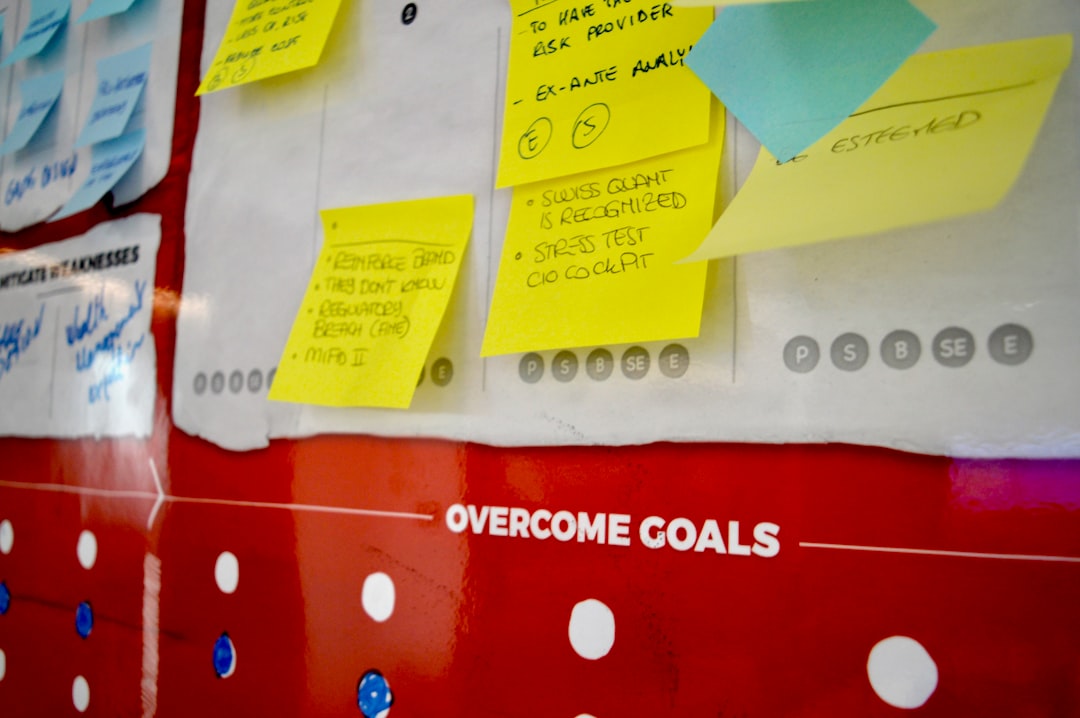
How can your organization translate ambition into measurable outcomes? In the competitive GCC business landscape, strategic goal-setting separates thriving companies from stagnant ones. Designing goals that drive business results is the essential bridge between vision and execution. This systematic approach aligns teams and optimizes performance. Moreover, it ensures every effort contributes to your bottom line.
The Gulf region’s dynamic markets demand agility and clarity. Consequently, businesses must adopt robust goal-setting methodologies. These frameworks provide structure amidst rapid growth and diversification. Furthermore, they help navigate complex regulatory and cultural environments. Therefore, a disciplined approach to objectives is not optional; it is a strategic imperative for sustainable success.
At Allianze HR Consultancy, we’ve successfully placed 10,000+ professionals across UAE, Saudi Arabia, Qatar, and Kuwait. Furthermore, our 5+ years of GCC expertise supports clients from 50+ countries. Moreover, our Ministry of External Affairs (India) RA license ensures compliance. Therefore, contact our recruitment specialists for expert guidance on building high-performance teams.
Understanding Strategic Goal-Setting Fundamentals
Strategic goal-setting begins with clear organizational vision. First, leaders must define the company’s ultimate destination. Next, this vision must be broken into achievable targets. Additionally, goals must resonate across all organizational levels. Consequently, every employee understands their role in the collective mission.
Effective objectives share several critical characteristics. They are clear, measurable, and time-bound. Furthermore, they must be challenging yet attainable. Otherwise, teams may become demotivated or complacent. For example, a vague goal like “improve sales” lacks direction. Conversely, a specific target provides a clear finish line.
Several proven frameworks exist for this purpose. Popular methodologies include OKRs and SMART goals. Moreover, cascading objectives create organizational alignment. Each framework offers distinct advantages for different contexts. Therefore, understanding each model’s application is crucial. Below are core components of successful goal design:
- Alignment: Connecting daily tasks to strategic vision.
- Measurement: Establishing quantifiable success metrics.
- Ownership: Assigning clear accountability for each objective.
- Transparency: Ensuring visibility of goals across teams.
- Adaptability: Allowing goals to evolve with market conditions.
- Communication: Regularly discussing progress and hurdles.
Ultimately, the right framework depends on your company culture. Additionally, industry dynamics and organizational size are factors. For deeper insights, explore our professional recruitment resources.
Designing Goals Drive Business Strategic Overview
Designing goals that drive business results requires a deliberate strategy. This process transforms abstract ambitions into actionable plans. First, leadership must identify critical business outcomes. Subsequently, these outcomes guide goal creation at every level. Moreover, this strategic overview ensures resource allocation supports priorities.
The process begins with environmental scanning. Specifically, analyze market trends and competitor actions. Additionally, assess internal capabilities and resource constraints. This analysis reveals opportunities and potential obstacles. Consequently, goals become grounded in reality rather than aspiration.
Next, prioritize outcomes based on impact and feasibility. High-impact, achievable goals should receive immediate focus. Furthermore, consider the effort required versus the expected return. This prioritization prevents initiative overload and scattered efforts. For instance, focusing on three key objectives often beats pursuing ten.
Finally, establish a review and adaptation rhythm. Business conditions in the GCC can shift rapidly. Therefore, static annual goals may become obsolete. Instead, implement quarterly check-ins to assess progress. Moreover, be prepared to pivot objectives based on new data. This agile approach maintains relevance and momentum.
According to U.S. Department of Commerce trade resources, strategic planning significantly enhances export competitiveness. This principle applies directly to goal-setting efficacy.
Legal Framework and GCC Compliance Standards
Goal-setting in the GCC operates within a specific legal context. Firstly, labor laws influence performance management practices. For example, the UAE Labor Law and Saudi Labor Law set boundaries. Moreover, these regulations protect employee rights during performance reviews. Therefore, goals must comply with all regional statutory requirements.
Additionally, cultural norms shape objective design. Specifically, consider hierarchical structures common in Gulf businesses. Furthermore, communication styles may affect goal negotiation and feedback. Understanding these nuances prevents cultural missteps. Consequently, it fosters greater buy-in from diverse teams.
Compliance extends to documentation and record-keeping. Meticulous records of performance agreements are essential. These documents support fair evaluation and dispute resolution. Moreover, they demonstrate adherence to International Labour Organization guidelines on fair employment practices.
Several key compliance areas require attention. Below are critical considerations for GCC employers:
- Contractual Alignment: Ensure goals align with employment contract terms.
- Non-Discrimination: Apply objective standards uniformly across nationalities.
- Working Hours: Design goals respecting maximum working hour regulations.
- End-of-Service Benefits: Link performance metrics to bonus structures lawfully.
- Data Privacy: Protect employee performance data per local laws.
Regular consultation with legal experts is advisable. Furthermore, UAE government employment regulations provide official guidance. Proactive compliance integrates seamlessly with effective performance management.
Designing Goals Drive Business Best Practices
Implementing best practices elevates your goal-setting from good to great. First, engage employees in the goal creation process. This collaborative approach increases commitment and ownership. Moreover, frontline staff often provide invaluable operational insights. Consequently, goals become more realistic and grounded.
Second, balance ambitious “stretch” goals with achievable “roof” goals. Stretch goals inspire innovation and extraordinary effort. Conversely, roof goals ensure baseline performance and stability. Furthermore, this balance manages risk while encouraging growth. For example, pair a stretch revenue target with a roof customer satisfaction score.
Third, ensure goals are transparent across the organization. Visibility fosters collaboration and reduces duplication. Additionally, it allows teams to see how their work interconnects. Therefore, use shared digital platforms for goal tracking. This practice is highlighted in World Bank labor market reports on productivity.
Fourth, provide regular, constructive feedback. Feedback should focus on progress, not just final outcomes. Moreover, it must be specific, actionable, and timely. This turns performance management into a continuous coaching conversation. Below are additional proven best practices:
- Limit Quantity: Focus on 3-5 key objectives per team/individual.
- Use Leading Indicators: Track activity metrics that predict results.
- Celebrate Milestones: Recognize progress to maintain motivation.
- Link to Development: Connect goal achievement to skill growth.
- Review Tools: Utilize software for tracking and visualization.
Finally, integrate wellbeing objectives. According to World Health Organization workplace standards, healthy employees are more productive. Therefore, include goals related to workload balance and mental health.
Documentation and Processing Steps
Robust documentation formalizes the goal-setting process. First, create a standardized goal-setting template. This template should capture the objective, metrics, and timeline. Furthermore, it must include owner details and required resources. Consequently, it creates a single source of truth for all stakeholders.
The documentation process follows several key steps. Initially, draft objectives based on strategic priorities. Next, socialize these drafts with relevant teams for input. Subsequently, refine goals based on feedback and feasibility checks. Finally, obtain formal sign-off from both employees and managers.
Effective documentation includes several core elements. Specifically, each goal needs a clear title and description. Additionally, define key results or success metrics quantitatively. Moreover, outline specific initiatives or action plans. Also, list potential risks and mitigation strategies. Therefore, the document serves as both a plan and a risk register.
Processing steps continue after documentation. Regular check-ins require progress updates. Furthermore, these updates should be recorded in the same system. This creates a historical record of performance journeys. Moreover, it provides data for year-end reviews and promotion decisions.

Secure storage and access are paramount. Use password-protected HR systems for confidentiality. Additionally, ensure compliance with local data protection laws. Proper documentation supports fair and transparent talent management. For assistance, schedule a consultation appointment with our HR specialists.
Designing Goals Drive Business Implementation Timeline
A structured timeline ensures successful goal implementation. Typically, the annual cycle begins with strategic planning in Q4. First, leadership sets organizational priorities for the coming year. Next, these priorities cascade down to departmental and team levels. This phase usually requires 2-3 weeks for thorough alignment.
Individual goal-setting occurs early in Q1. Managers and employees collaborate to define personal objectives. Furthermore, these objectives must align with team and company goals. This collaborative process often takes 1-2 weeks per team. Moreover, it includes training on frameworks like OKRs or SMART criteria.
Quarterly check-ins form the rhythm of execution. Each quarter begins with a planning session to adjust priorities. Subsequently, mid-quarter reviews assess progress and identify blockers. Finally, end-of-quarter reviews evaluate outcomes and score results. This regular cadence maintains focus and enables agility.
The implementation timeline includes several critical milestones. Below is a typical quarterly schedule for goal management:
- Week 1-2: Finalize and document quarterly objectives.
- Week 6: Conduct mid-quarter progress review.
- Week 12: Complete end-of-quarter scoring and reflection.
- Week 13: Plan objectives for the next quarter.
- Annually: Conduct comprehensive performance and compensation review.
Adapt this timeline to your fiscal year and industry cycles. Furthermore, allow flexibility for unexpected market shifts. A disciplined timeline transforms goal-setting from an event into a process.
Common Challenges and Practical Solutions
Employers often face predictable challenges when implementing goal systems. Firstly, goal misalignment between levels creates confusion and conflict. Departments may pursue conflicting targets. Moreover, individual goals might not support team objectives. Therefore, implement a rigorous cascading process with cross-functional reviews.
Secondly, setting unrealistic or vague goals demotivates teams. Overly ambitious targets seem unachievable. Conversely, vague goals provide no clear direction. The solution involves training managers on SMART criteria. Additionally, use historical data to inform realistic target setting.
Thirdly, lack of consistent follow-up undermines the process. Goals are set but never reviewed. Consequently, they become irrelevant paperwork. To combat this, embed goal reviews into existing meeting structures. Furthermore, leverage technology for automated reminders and tracking.
Fourthly, poor measurement leads to unfair assessments. Subjective success metrics cause perception bias. Therefore, invest time defining quantifiable key results. Additionally, calibrate scoring across managers to ensure consistency. Below are more challenges with actionable solutions:
- Challenge: Resistance to transparency and accountability.
- Solution: Foster a culture of psychological safety and learning.
- Challenge: Goals becoming obsolete due to market changes.
- Solution: Build quarterly adjustment mechanisms into the process.
- Challenge: Overemphasis on individual over team goals.
- Solution: Weight team objectives significantly in evaluations.
Proactively addressing these hurdles increases success rates. Moreover, it enhances the perceived value of the performance system.
Expert Recommendations for GCC Success
To maximize success, tailor global best practices to the GCC context. First, respect regional communication styles during goal negotiations. Direct confrontation may be counterproductive. Instead, use indirect feedback and consensus-building approaches. Furthermore, involve local senior staff in the design process for cultural fit.
Second, align goals with nationalization initiatives like Saudization or Emiratisation. Incorporate talent development objectives for national staff. Moreover, ensure expatriate goals include knowledge transfer components. This supports both compliance and long-term sustainability.
Third, consider the multicultural workforce in goal communication. Use clear, simple language to bridge proficiency gaps. Additionally, provide materials in relevant languages if necessary. Moreover, confirm understanding through follow-up questions, not just assent.
Fourth, leverage technology suited for the region. Choose platforms with Arabic language support. Furthermore, ensure they comply with local data sovereignty laws. Cloud-based solutions should have Middle East servers. Therefore, performance data remains secure and accessible.
Finally, integrate goal achievement with recognition programs. GCC employees value public acknowledgment and tangible rewards. Link successful outcomes to bonuses, promotions, and non-monetary awards. Moreover, celebrate successes in company communications. This reinforces the desired performance culture across the organization.
Frequently Asked Questions About Designing Goals Drive Business
What is the primary benefit of designing goals that drive business?
The primary benefit is strategic alignment and focused execution. Furthermore, it translates vision into measurable actions. Consequently, it increases organizational agility and resource efficiency. Therefore, consult our specialists for a tailored approach.
How do OKRs differ from traditional SMART goals?
OKRs (Objectives and Key Results) are more ambitious and public. They often include “stretch” goals. Conversely, SMART goals are typically more achievable and personal. Moreover, OKRs emphasize frequent quarterly cycles.
What is the most common mistake in cascading objectives?
The most common mistake is simple copying. For example, a company revenue goal becomes every department’s revenue goal. Instead, each unit should define how it uniquely contributes to the higher-level objective.
How often should performance goals be reviewed?
Formal quarterly reviews are recommended. Additionally, managers should discuss progress in regular one-on-one meetings. This keeps objectives relevant and allows for timely adjustments to action plans.
Can goal-setting frameworks work in all GCC company sizes?
Yes, but implementation scales differently. Startups may use simple, flexible OKRs. Conversely, large corporations need structured, software-supported cascading processes. The core principles of clarity and alignment remain universal.
How does Allianze HR support performance alignment?
We integrate goal-setting principles into our recruitment process. We identify candidates who thrive in structured, results-oriented environments. Moreover, we advise clients on designing roles with clear outcome expectations from the start.
Partner with Allianze HR for Performance Alignment Success
Effective goal design is the engine of business growth. This guide has outlined frameworks, best practices, and implementation steps. From OKRs to cascading objectives, each tool serves a purpose. Moreover, aligning these tools with GCC market realities is crucial. Designing goals that drive business results requires expertise and consistency.
The journey from strategic planning to daily execution is complex. However, the rewards are substantial: focused teams, optimized resources, and accelerated growth. Furthermore, a strong performance culture attracts and retains top talent. Therefore, investing in this capability delivers long-term competitive advantage.
Allianze HR Consultancy partners with GCC employers to build high-performance organizations. We help design goal frameworks that align with your strategic vision. Additionally, our recruitment ensures you hire talent motivated by clear objectives. Our end-to-end support transforms your ambition into measurable success. Let us help you master the art and science of strategic goal-setting.
Ready to align your team with powerful, results-driven objectives? Begin by exploring our professional recruitment resources for more insights. Then, take the definitive step toward operational excellence. Contact our HR specialists today to develop a tailored goal-setting strategy for your organization.