


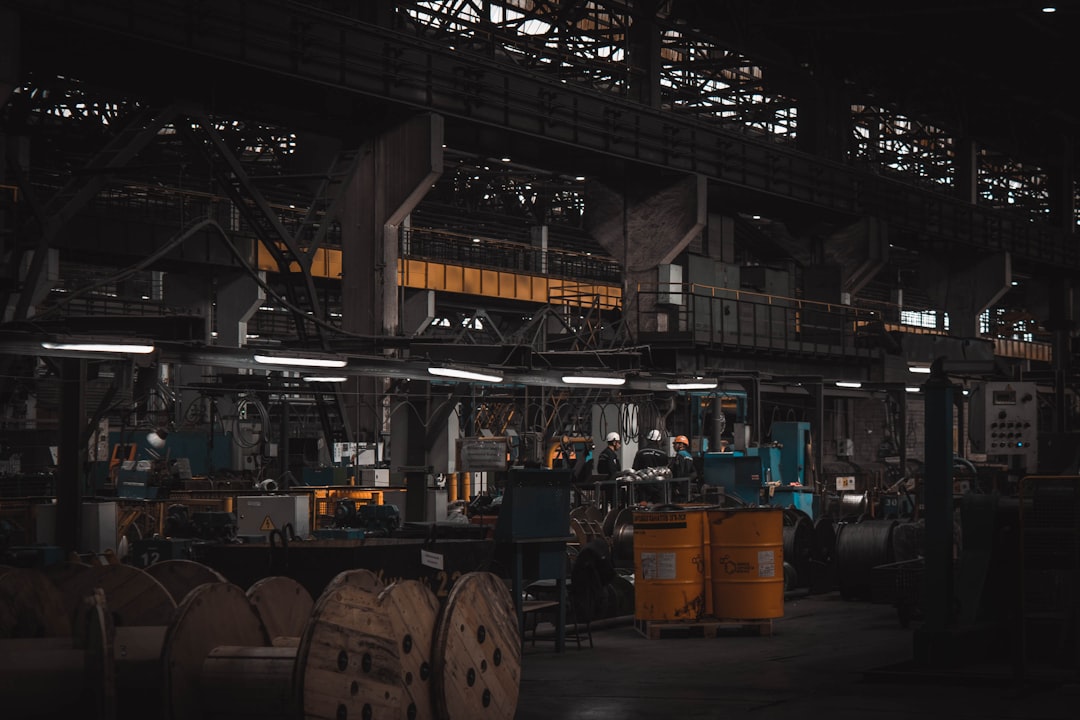
Are you struggling to build a resilient manufacturing workforce in the GCC? Furthermore, the region’s industrial growth demands specialized human resources strategies. Therefore, effective manufacturing HR solutions are critical for operational success. This guide explores essential frameworks for talent management.
The Gulf’s manufacturing sector is expanding rapidly. Consequently, companies face unique workforce challenges. These include sourcing technical talent and managing complex shift patterns. Additionally, stringent safety regulations require diligent compliance. Moreover, efficient production planning hinges on skilled personnel.
At Allianze HR Consultancy, we’ve successfully placed 10,000+ professionals across UAE, Saudi Arabia, Qatar, and Kuwait. Furthermore, our 5+ years of GCC expertise supports clients from 50+ countries. Moreover, our Ministry of External Affairs (India) RA license ensures compliance. Therefore, contact our recruitment specialists for expert guidance.
Understanding GCC Manufacturing Workforce Dynamics
GCC manufacturing environments present distinct challenges. First, the sector relies heavily on expatriate talent. Second, skill sets must align with advanced automation. Third, cultural diversity requires nuanced management approaches. Consequently, strategic human capital planning becomes paramount.
Regional initiatives like Saudi Vision 2030 and UAE Operation 300bn boost demand. Therefore, competition for qualified professionals intensifies. Employers need robust talent pipelines. Additionally, they must navigate local labor laws. These laws govern contracts, wages, and working conditions.
Key workforce segments include production supervisors, machine operators, and quality controllers. Moreover, supply chain coordinators and maintenance technicians are vital. Each role demands specific recruitment strategies. Furthermore, retention programs reduce costly turnover. Effective manufacturing HR solutions address all these elements seamlessly.
- Analyze project-specific skill requirements thoroughly.
- Develop competitive compensation packages for technical roles.
- Implement cross-cultural training for diverse teams.
- Establish clear career progression pathways.
- Leverage local and international talent sourcing channels.
- Monitor industry salary benchmarks regularly.
Finally, technology integration changes skill requirements. Therefore, continuous workforce assessment is necessary. Partnering with experts ensures access to relevant talent pools. This partnership supports sustainable production growth.
Manufacturing HR Solutions Strategic Overview
Comprehensive manufacturing HR solutions integrate several core functions. These functions include talent acquisition and workforce planning. Additionally, performance management and compliance oversight are crucial. A strategic overview aligns human resources with production goals.
First, production planning requires workforce forecasting. This forecasting matches personnel with production schedules. Second, supply chain talent management ensures logistical efficiency. Third, shift management optimizes facility utilization. Fourth, safety compliance protects employees and operations.
Implementing these solutions boosts productivity significantly. Moreover, it mitigates operational risks. For example, proper staffing prevents production bottlenecks. Furthermore, safety programs reduce accident-related downtime. Therefore, a holistic HR approach delivers tangible business value.
- Align HR strategy with annual production targets.
- Conduct skills gap analyses for existing teams.
- Develop succession plans for critical technical roles.
- Integrate HR data with enterprise resource planning systems.
- Establish key performance indicators for workforce productivity.
- Create feedback loops between floor managers and HR.
Ultimately, strategic human resources management drives manufacturing excellence. Consequently, investing in specialized HR frameworks is essential. These frameworks adapt to the GCC’s dynamic industrial landscape.
Legal Framework and Compliance Standards
GCC manufacturing operates under strict regulatory environments. Each country has specific labor laws. For instance, the UAE’s Ministerial Decree No. 1 of 2022 outlines work relationships. Similarly, Saudi Arabia’s Labor Law and Nitaqat system apply. Compliance is non-negotiable for employers.
Safety regulations are particularly stringent. Organizations must follow International Labour Organization guidelines. Additionally, local civil defense and environmental standards apply. Non-compliance results in heavy fines. Moreover, it can lead to operational shutdowns.
Documentation requirements are extensive. These include employment contracts, safety training records, and equipment certifications. Furthermore, visa and work permit processes must be flawless. Regular audits ensure ongoing adherence. Therefore, dedicated compliance expertise is invaluable.
- Register all employees with relevant GCC authorities.
- Maintain updated safety data sheets for all materials.
- Conduct mandatory health and safety committee meetings.
- Provide personal protective equipment as per standards.
- Secure proper insurance coverage for workplace injuries.
- Display labor law information in appropriate languages.
Partnering with a knowledgeable consultancy mitigates legal risks. Experts navigate complex bureaucratic processes. They also interpret evolving regulations. This guidance protects your manufacturing investment.
Manufacturing HR Solutions Best Practices
Adopting industry best practices optimizes your workforce. First, implement structured onboarding for production staff. This process familiarizes new hires with safety protocols. Second, use competency-based assessments for technical roles. These evaluations verify practical skills.
Third, develop clear shift rotation policies. These policies prevent fatigue and maintain morale. Fourth, invest in continuous technical training. Upskilling employees adapts to technological changes. Fifth, foster a culture of safety excellence. Recognition programs encourage proactive hazard reporting.
Additionally, leverage data analytics for workforce planning. Analyze attendance, productivity, and safety incident data. These insights inform staffing decisions. Furthermore, establish strong communication channels. Regular briefings ensure alignment between management and floor staff.
- Standardize operating procedure training across all shifts.
- Implement digital tools for attendance and shift swapping.
- Create mentorship programs pairing experienced and new workers.
- Conduct regular employee satisfaction and safety climate surveys.
- Develop emergency response drills for various scenarios.
- Benchmark practices against global manufacturing standards.
These best practices create a high-performance manufacturing environment. Consequently, they enhance efficiency and reduce risks. Consistently applied, they become competitive advantages.
Documentation and Processing Steps
Robust documentation supports all manufacturing HR functions. First, detailed job descriptions define role expectations. These descriptions include physical requirements and safety responsibilities. Second, maintain accurate personnel files. These files contain contracts, qualifications, and training certificates.
Third, production planning requires workforce schedules. These documents align staff with production targets. Fourth, safety compliance needs extensive records. Include risk assessments, incident reports, and inspection logs. Fifth, supply chain roles require clear process manuals.
Processing steps for recruitment are methodical. Begin with manpower requisition approval. Next, source candidates through specialized channels. Then, conduct technical and behavioral interviews. Subsequently, complete pre-employment medical screenings. Finally, coordinate visa processing and onboarding.
- Use checklists for each recruitment and compliance stage.
- Digitize records for easy access and audit readiness.
- Implement version control for all procedural documents.
- Secure confidential employee data according to local data protection regulations.
- Establish document retention and destruction policies.
- Assign clear ownership for maintaining specific record types.
Efficient documentation saves time during audits. Moreover, it ensures consistent operations across shifts. Well-organized processes demonstrate professional management.
Manufacturing HR Solutions Implementation Timeline
Implementing comprehensive manufacturing HR solutions requires phased planning. A typical timeline spans three to six months. However, specific activities vary by company size. The goal is systematic integration without disrupting production.
Month one focuses on assessment and design. Conduct current state analysis of HR processes. Engage stakeholders from production and management. Design tailored solutions for identified gaps. Furthermore, secure leadership buy-in and budget approval.
Months two and three involve pilot implementation. Roll out new processes in one department or shift. For example, launch a new shift scheduling system. Additionally, begin targeted recruitment for critical vacancies. Train HR and line managers on new protocols.
- Week 1-2: Needs assessment and data collection.
- Week 3-4: Solution design and policy drafting.
- Month 2: Pilot launch in a controlled area.
- Month 3: Evaluation, adjustment, and expanded rollout.
- Month 4-5: Full implementation across all operations.
- Month 6: Audit, review, and continuous improvement planning.
Finally, months four to six achieve full deployment. Expand successful pilots across the facility. Integrate systems and complete staff training. Conduct a final review against objectives. This structured approach ensures sustainable adoption.
Common Challenges and Solutions
Manufacturers in the GCC encounter predictable HR challenges. First, high turnover among skilled technicians disrupts production. Second, managing multi-lingual, multi-cultural teams creates communication barriers. Third, adapting to rapid technological change strains existing skills.
Fourth, balancing production pressure with safety compliance is difficult. Fifth, navigating complex and changing labor laws consumes resources. Sixth, planning for seasonal demand fluctuations requires flexible staffing. Fortunately, proven solutions exist for each challenge.
To combat turnover, enhance employee engagement. Offer competitive packages and career development. For communication issues, provide language training. Use visual work instructions universally. Additionally, implement regular cross-cultural team-building activities.
- Challenge: Skills gap for advanced manufacturing tech.
- Solution: Partner with vocational institutes for tailored training.
- Challenge: Inconsistent safety practices across shifts.
- Solution: Appoint shift safety champions and audit regularly.
- Challenge: Lengthy visa processing for critical hires.
- Solution: Work with authorized agents for expedited handling.
- Challenge: High absenteeism in peak summer months.
- Solution: Review facility cooling and consider heat stress management.
Proactively addressing these issues maintains operational continuity. Moreover, it builds a resilient organizational culture. Leverage external expertise for specialized challenges.
Expert Recommendations for Success
Succeeding in GCC manufacturing requires proactive human capital strategy. First, view HR as a strategic partner, not just administrative support. Involve HR leadership in production planning meetings. This integration aligns workforce capability with business objectives.
Second, invest in employer branding. Position your factory as a safe, modern workplace. This reputation attracts higher-quality candidates. Third, leverage technology for HR functions. Use applicant tracking systems and digital training platforms. These tools improve efficiency and data accuracy.
Fourth, build relationships with technical training institutions. These partnerships create talent pipelines. Fifth, prioritize worker health and wellbeing. Healthy employees are more productive and safe. Sixth, stay informed on regional labor market trends. Resources like World Bank reports provide valuable insights.
- Conduct annual comprehensive HR audits for continuous improvement.
- Develop a crisis management plan for workforce disruptions.
- Benchmark your practices against industry leaders in the GCC.
- Empower line managers with basic HR and safety training.
- Celebrate safety and productivity milestones to boost morale.
- Explore flexible staffing models for non-core functions.
Finally, recognize that workforce management is dynamic. Therefore, regularly review and adapt your strategies. This agile approach ensures long-term competitiveness.
Frequently Asked Questions About Manufacturing HR Solutions
What is the timeline for implementing manufacturing HR solutions?
Timeline typically ranges 3-6 months for full implementation. Furthermore, assessment and design phases require 4-8 weeks. Therefore, consult our specialists for a customized project plan.
What documentation is required for workforce compliance?
Required documents include attested employment contracts, safety training logs, equipment operator licenses, and health insurance policies. Additionally, emergency procedure manuals are mandatory.
How can we reduce turnover in technical roles?
Focus on competitive compensation, clear career paths, and a positive safety culture. Furthermore, engage employees in process improvement. Moreover, recognize and reward skill development.
How does Allianze HR ensure recruitment compliance?
We maintain Ministry-approved RA license status. Additionally, our team monitors GCC labor law changes daily. Moreover, we conduct thorough documentation verification at every stage.
Which manufacturing sectors does Allianze specialize in?
Our expertise covers automotive, pharmaceuticals, FMCG, construction materials, and industrial equipment. Additionally, we recruit for process, discrete, and hybrid manufacturing environments.
Can you help with temporary or contract staffing for projects?
Yes, we provide flexible staffing solutions for peak seasons, new line setups, and special projects. Furthermore, we manage all contractual and compliance aspects for temporary workers.
Partner with Allianze HR for Manufacturing Workforce Success
Building a high-performing manufacturing team in the GCC is complex. It requires deep regional knowledge and technical recruitment expertise. Effective manufacturing HR solutions integrate production, safety, and supply chain needs. Moreover, they ensure full regulatory compliance.
This guide outlined strategic frameworks for workforce management. From production planning to safety compliance, each element is interconnected. Implementing these practices boosts productivity and mitigates risk. Consequently, your manufacturing operation gains a sustainable competitive edge.
Allianze HR Consultancy delivers end-to-end workforce solutions. We handle strategic planning, talent sourcing, and compliance management. Furthermore, our professional recruitment resources support your internal teams. Let us help you build a resilient, skilled, and compliant workforce.
Ready to optimize your manufacturing human resources? Schedule a consultation appointment with our industry specialists today. We will develop a tailored strategy for your operational success.