



Are you leveraging data to drive your human capital decisions? In the competitive GCC labor market, intuition is no longer enough. Consequently, HR analytics tools platforms provide the intelligence edge. These systems transform raw data into strategic workforce insights. Therefore, understanding their capabilities is essential for modern employers.
The Gulf region’s rapid economic diversification demands data-driven HR. Furthermore, complex labor demographics and compliance requirements create unique challenges. Moreover, organizations must optimize recruitment, retention, and productivity. Advanced analytics platforms offer solutions to these pressing needs. They enable evidence-based management across all HR functions.
At Allianze HR Consultancy, we’ve successfully placed 10,000+ professionals across UAE, Saudi Arabia, Qatar, and Kuwait. Furthermore, our 5+ years of GCC expertise supports clients from 50+ countries. Moreover, our Ministry of External Affairs (India) RA license ensures compliance. Therefore, contact our recruitment specialists for expert guidance on integrating these powerful systems.
Understanding Modern Workforce Intelligence Systems
Modern workforce intelligence goes beyond basic reporting. These systems analyze patterns in hiring, performance, and turnover. Additionally, they predict future trends using historical data. Consequently, HR leaders make proactive decisions. This shift is critical in GCC’s dynamic markets.
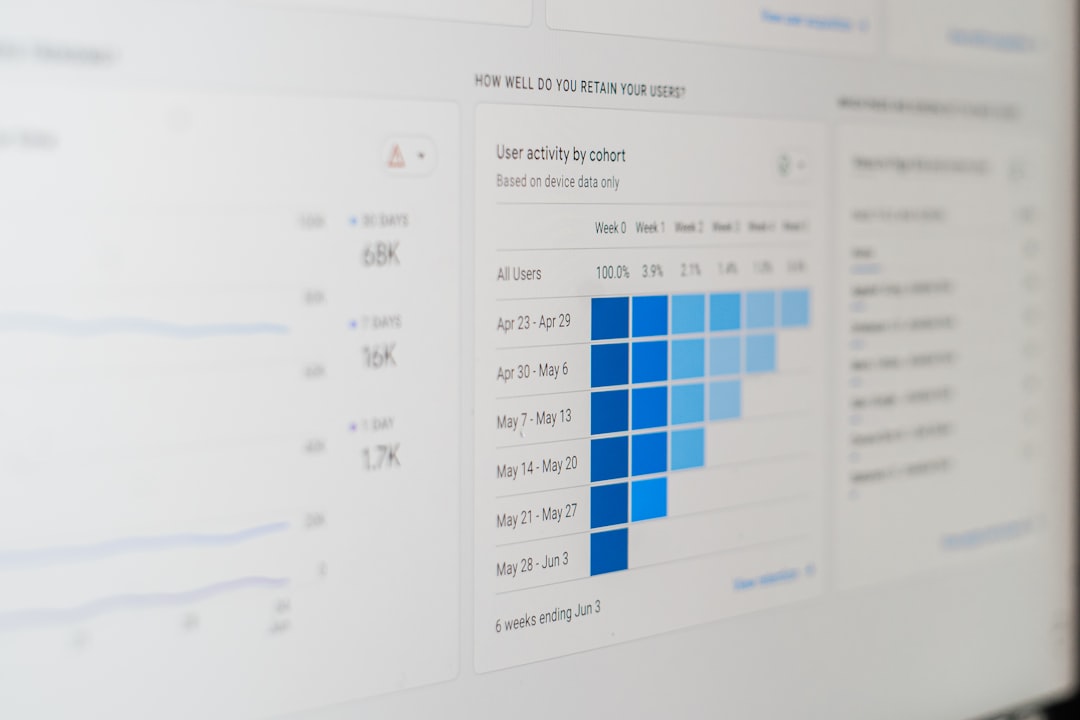
Key system components include data warehouses and processing engines. Furthermore, visualization layers present complex information clearly. Moreover, predictive algorithms identify risks and opportunities. For example, they can forecast attrition in critical roles. This allows preemptive retention strategies.
GCC-specific factors influence system selection. Local labor laws, like Saudization or Emiratisation, require tracking. Additionally, multicultural workforce data needs careful handling. Regional data privacy regulations also apply. Therefore, platforms must offer localization and compliance features.
- Predictive modeling for talent acquisition and retention.
- Real-time dashboards monitoring key performance indicators.
- Custom reporting aligned with GCC labor authority requirements.
- Integration capabilities with local payroll and visa systems.
- Sentiment analysis tools for employee engagement surveys.
- Benchmarking data against regional industry standards.
Implementation requires cross-departmental collaboration. IT, finance, and operations must provide input. Moreover, change management ensures user adoption. Consequently, a phased rollout often proves most effective. Starting with core modules builds confidence and demonstrates value.
HR Analytics Tools Platforms Strategic Overview
A strategic overview of HR analytics tools platforms reveals their transformative potential. First, they unify disparate data sources into a single source of truth. This includes ATS, HRIS, performance management, and payroll systems. Subsequently, leaders gain a holistic view of their workforce.
These platforms enable strategic workforce planning. They analyze skills gaps against business objectives. Moreover, they model the impact of different hiring scenarios. Therefore, organizations can align talent strategy with growth plans. This is vital for GCC’s ambitious national visions.
Data integration forms the foundational layer. It connects internal HR systems with external market data. Furthermore, it ensures data quality and consistency. Cleansed and standardized data feeds all analytical processes. Consequently, insights are reliable and actionable.
- Strategic workforce planning and skills gap analysis.
- Unified data layer connecting all human capital systems.
- Advanced analytics for recruitment channel effectiveness.
- ROI calculation for training and development programs.
- Diversity and inclusion metrics tracking.
- Compliance monitoring for localization and visa quotas.
Dashboard creation provides the user interface for insights. Customizable views cater to different stakeholders. Executives need high-level talent metrics. Meanwhile, recruiters require pipeline analytics. Additionally, drag-and-drop builders empower HR teams. They can create reports without IT support.
Legal Framework and Compliance Standards
GCC labor laws heavily influence analytics platform requirements. Firstly, data privacy regulations like the UAE’s PDPL must be respected. Platforms must ensure employee data protection. Furthermore, specific reporting for nationalization programs is mandatory. Systems must track and report Nitaqat or Emiratisation percentages accurately.
Compliance reporting is a core function. Analytics tools automate the generation of statutory reports. Moreover, they maintain audit trails for regulatory inspections. This reduces administrative burden and minimizes compliance risk. Therefore, selecting platforms with built-in GCC compliance templates is wise.
International standards also provide guidance. The International Labour Organization guidelines inform ethical workforce analytics. Additionally, the World Health Organization workplace standards impact wellbeing metrics. Integrating these frameworks demonstrates corporate responsibility. It also aligns with global best practices.
- Automated reporting for GCC nationalization program quotas.
- Data encryption and access controls per local privacy laws.
- Audit trails documenting data access and report generation.
- Configurable alerts for compliance threshold breaches.
- Integration with government portals for direct data submission.
- Ethical analytics protocols preventing algorithmic bias.
Vendor due diligence is crucial. Ensure platforms adhere to regional data sovereignty rules. Some countries require data servers located domestically. Moreover, contractual terms should address liability for compliance failures. Consequently, legal and IT teams should jointly evaluate potential solutions.
HR Analytics Tools Platforms Best Practices
Adopting HR analytics tools platforms successfully requires proven best practices. First, define clear business objectives before implementation. Are you reducing turnover, improving quality of hire, or optimizing labor costs? Subsequently, select metrics that directly measure progress toward these goals.
Start with a focused pilot project. Choose a high-impact area like recruitment marketing analytics. Furthermore, involve key users from the beginning. Their feedback ensures the platform meets practical needs. Moreover, demonstrate quick wins to build organizational buy-in. This creates momentum for wider rollout.
Data governance is non-negotiable. Establish clear ownership for data quality. Additionally, create standardized definitions for all metrics. For instance, define “time to fill” consistently across departments. Consequently, reports are trustworthy and comparable over time. Regular data audits maintain integrity.
- Establish a cross-functional HR analytics steering committee.
- Develop a phased implementation roadmap with measurable milestones.
- Invest in training programs to build data literacy across HR.
- Create a centralized glossary for all key metrics and dimensions.
- Schedule regular reviews to align analytics with evolving strategy.
- Foster a culture of data-driven decision-making and experimentation.
Leverage external benchmarks cautiously. Use data from the World Bank labor market reports for context. However, prioritize internal trend analysis. Your organization’s unique trajectory matters most. Therefore, customize dashboards to track your specific strategic priorities.
Documentation and Processing Steps
Effective implementation requires meticulous documentation. Firstly, map all existing data sources and their owners. This includes HRIS, ATS, payroll, and learning systems. Furthermore, document data formats, update frequencies, and quality issues. Subsequently, this map guides the integration design.
Processing involves extract, transform, and load (ETL) procedures. Data is extracted from source systems. Then, it is transformed to meet analytical standards. Finally, it is loaded into the analytics warehouse. Moreover, automated workflows schedule these processes. This ensures dashboards display current information.
Change management documentation is equally vital. Create user manuals and training guides. Additionally, develop process flows for common reporting requests. This standardizes operations and reduces dependency on specialists. Consequently, the HR team becomes self-sufficient in generating insights.
- Data source inventory with technical and business metadata.
- ETL process specification documents and error handling protocols.
- User acceptance testing (UAT) scripts and sign-off forms.
- Role-based access control (RBAC) matrices defining user permissions.
- Report catalog describing available dashboards and their purposes.
- Service level agreements (SLAs) for system performance and support.
Regularly review and update documentation. Business needs and data sources evolve. Therefore, maintain a living repository of information. This preserves institutional knowledge. It also accelerates onboarding for new team members. Access our professional recruitment resources for related templates.
HR Analytics Tools Platforms Implementation Timeline
A realistic implementation timeline for HR analytics tools platforms spans several months. Phase One involves needs assessment and vendor selection. This typically requires four to six weeks. Furthermore, it includes stakeholder interviews and requirement finalization. Consequently, a clear project scope emerges.
Phase Two covers system configuration and data integration. This is the most technical stage. It often takes eight to twelve weeks. Moreover, it includes building data pipelines and designing dashboards. Simultaneously, development of security protocols and user access occurs.
Phase Three focuses on testing and training. User acceptance testing ensures the system works as intended. Additionally, comprehensive training programs equip the HR team. This phase usually lasts three to four weeks. Finally, the go-live launch and post-launch support begin. Continuous optimization follows based on user feedback.
- Weeks 1-6: Requirement gathering, vendor evaluation, and contract finalization.
- Weeks 7-18: System configuration, data integration, and dashboard development.
- Weeks 19-22: User acceptance testing, training material development, and pilot runs.
- Week 23: Go-live launch with hyper-care support from the implementation team.
- Weeks 24-52: Post-implementation review, optimization, and advanced feature rollout.
- Ongoing: Regular system updates, user community meetings, and strategy alignment.
Factors affecting timeline include data complexity and organizational size. Moreover, GCC-specific localization can add time. Therefore, build buffer into project plans. Communicate timelines transparently to all stakeholders. This manages expectations and ensures patience during the transition.
Common Challenges and Solutions
Implementing workforce intelligence systems presents common challenges. Data silos are a primary obstacle. HR, finance, and operational data often reside in separate systems. Furthermore, inconsistent data definitions cause confusion. Consequently, integrated reporting becomes difficult. The solution is a strong data governance council.
Resistance to change is another frequent hurdle. HR professionals may lack analytical confidence. Moreover, leaders might distrust data contradicting their intuition. Therefore, change management is critical. Demonstrate value through relatable, actionable insights. Start with analyses that answer existing business questions.
Technical integration complexities can delay projects. Legacy systems may have poor API support. Additionally, data quality issues require extensive cleansing. The solution is a pragmatic phased approach. Integrate the most critical data sources first. Use connectors or middleware for difficult systems. Prioritize accuracy over completeness initially.
- Challenge: Poor data quality and inconsistent metrics.
- Solution: Implement data stewardship roles and a centralized metric dictionary.
- Challenge: Limited HR team analytical skills.
- Solution: Invest in upskilling programs and hire a dedicated HR data analyst.
- Challenge: High software costs and unclear ROI.
- Solution: Start with modular cloud-based solutions and track tangible efficiency gains.
- Challenge: Ensuring ethical use of employee data.
- Solution: Establish transparent data ethics guidelines and an oversight committee.
Aligning with regional regulations like those from the UAE government employment regulations is essential. Consult legal experts early. Moreover, consider U.S. Department of Commerce trade resources for international compliance perspectives. Proactive planning prevents costly remediation later.
Expert Recommendations for Success
Expert recommendations begin with executive sponsorship. Secure a C-level champion for your analytics initiative. This leader advocates for resources and adoption. Furthermore, they help break down departmental barriers. Therefore, present a compelling business case focused on strategic impact.
Build a blended team of skills. Include HR domain experts, data analysts, and IT specialists. Additionally, involve a business strategist to ensure relevance. This team translates business questions into analytical projects. Moreover, they communicate findings in actionable business language.
Focus on actionable insights, not just beautiful dashboards. A simple report prompting a decision is more valuable than a complex unused visualization. Consequently, regularly ask, “What decision will this inform?” This keeps development efforts aligned with business value. It also demonstrates tangible ROI.
- Secure unwavering executive sponsorship and funding commitment.
- Hire or develop “translators” who bridge HR and data science.
- Adopt an agile methodology with iterative development and feedback loops.
- Celebrate and publicize success stories from data-driven decisions.
- Establish a continuous improvement cycle for analytics capabilities.
- Network with regional peers to share benchmarks and best practices.
Plan for evolution. Analytics needs will grow as the organization matures. Therefore, choose platforms that scale. Additionally, budget for ongoing training and development. The technology landscape changes rapidly. Staying current ensures sustained competitive advantage. Schedule consultation appointment with our specialists to discuss your roadmap.
Frequently Asked Questions About HR Analytics Tools Platforms
What is the timeline for HR analytics tools platforms implementation?
Timeline typically ranges 4-8 weeks depending on country requirements. Furthermore, documentation preparation affects processing speed. Therefore, consult our specialists for accurate estimates.
What documentation is required for workforce intelligence system setup?
Required documents include data source inventories, process maps, governance policies, and user training materials. Additionally, vendor contracts and integration specifications are critical. Moreover, compliance checklists are essential for GCC.
What are typical costs for people analytics platform investment?
Costs vary by platform scale, user count, and implementation complexity. Furthermore, ongoing subscription, support, and internal staffing affect total investment. Therefore, request detailed quotations from multiple vendors.
How does Allianze HR ensure data-driven recruitment compliance?
We maintain Ministry-approved RA license status. Additionally, our team monitors GCC labor law changes. Moreover, we conduct thorough documentation verification at every stage using systematic checks.
Which GCC countries have the most advanced HR tech adoption?
UAE and Saudi Arabia lead in HR technology adoption, driven by digital government initiatives. Furthermore, Qatar and Kuwait are rapidly advancing. Moreover, cloud-based solutions are becoming the regional standard.
What are the first metrics to track with a new platform?
Start with recruitment efficiency (time to fill, cost per hire), employee turnover rates, and training effectiveness. Additionally, track compliance metrics like nationalization quota achievement. These offer quick, high-impact insights.
Partner with Allianze HR for Workforce Intelligence Success
Implementing effective HR analytics tools platforms is a strategic imperative. This guide has outlined the critical components from data integration to insight generation. Furthermore, GCC-specific considerations require expert navigation. Therefore, a structured approach ensures successful adoption and maximum return on investment.
The journey from data to decisions transforms HR’s role. It moves the function from administrative to strategic. Moreover, it provides evidence for critical investments in human capital. Consequently, organizations gain a sustainable competitive advantage. They can attract, develop, and retain top talent effectively.
Allianze HR Consultancy supports your data-driven transformation. Our expertise bridges GCC recruitment and advanced people analytics. We help you select, implement, and leverage the right platforms. Furthermore, we ensure your analytics strategy aligns with regional compliance and business goals. Let us help you build a future-ready, insight-driven HR function.
Ready to unlock the power of your workforce data? Begin your strategic journey today. Explore our professional recruitment resources for further insights. Then, contact our HR specialists for a personalized consultation. Together, we can transform your human capital analytics and drive organizational success across the GCC.