


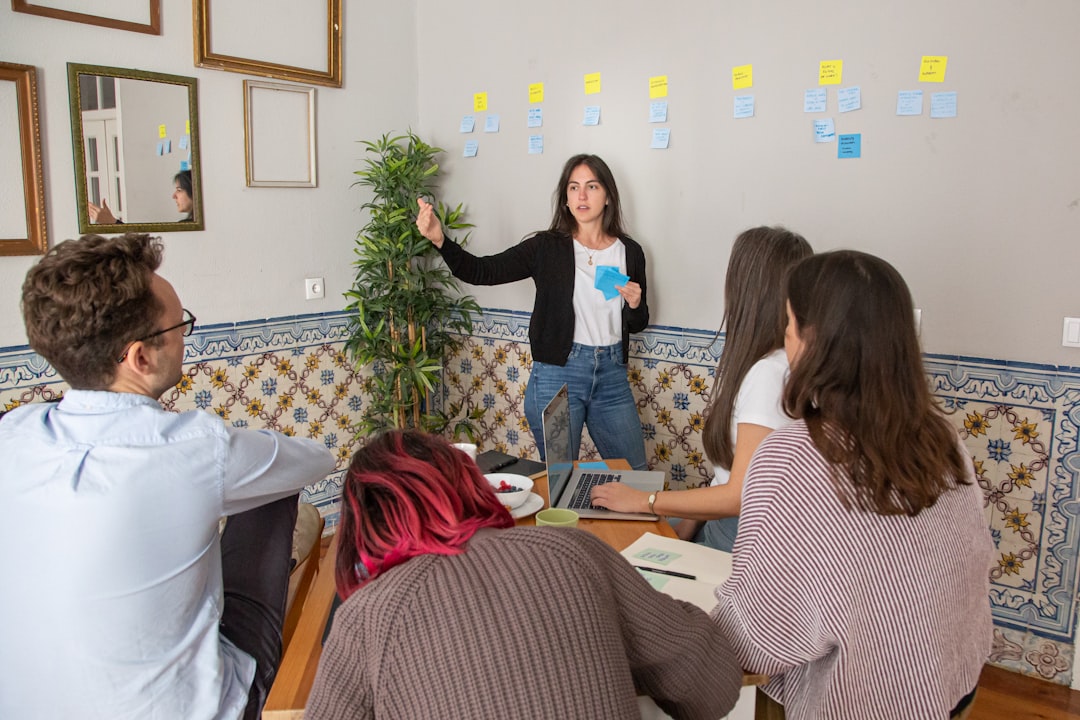
What separates good leaders from truly influential executives in the competitive GCC market? Often, the answer lies in executive presence communication coaching. This specialized development transforms technical experts into compelling leaders. Furthermore, it bridges the gap between management skill and inspirational authority. Therefore, mastering this discipline proves essential for organizational success.
The Gulf business environment values gravitas, clear communication, and strategic influence. Moreover, leaders must navigate diverse stakeholder landscapes across cultures. Additionally, board-level interactions demand exceptional poise and persuasion. Consequently, investing in executive presence yields significant returns. It enhances decision-making impact and organizational alignment.
At Allianze HR Consultancy, we’ve successfully placed 10,000+ professionals across UAE, Saudi Arabia, Qatar, and Kuwait. Furthermore, our 5+ years of GCC expertise supports clients from 50+ countries. Moreover, our Ministry of External Affairs (India) RA license ensures compliance. Therefore, contact our recruitment specialists for expert guidance on leadership development and talent strategy.
Understanding GCC Leadership Development Requirements
GCC leadership demands unique competencies. First, cultural intelligence is non-negotiable. Leaders must respect Islamic business principles and local customs. Additionally, they need to manage multinational teams effectively. Moreover, the rapid economic diversification requires adaptive thinking. Consequently, development programs must address these regional specifics.
Executive presence itself comprises three core elements. These are gravitas, communication, and appearance. Gravitas reflects confidence, decisiveness, and integrity. Communication involves clarity, listening, and persuasion. Appearance, while secondary, conveys professionalism appropriate to context. Therefore, coaching must holistically develop all three pillars.
Key stakeholders in the Gulf include government entities, royal family interests, and local partners. Furthermore, multinational colleagues and diverse employees add complexity. Hence, stakeholder management becomes a critical skill. Leaders must build consensus across varied agendas. They must also navigate hierarchical structures with respect.
- Cultural adaptation and respect for local norms
- Multilingual communication and presentation skills
- Strategic influence without overt authority
- Crisis management and poised decision-making
- Building trust across diverse power structures
- Navigating formal and informal business networks
Effective programs align with World Bank labor market reports on GCC skills gaps. They also incorporate International Labour Organization guidelines on ethical leadership. Ultimately, development must be practical and immediately applicable.
Executive Presence Communication Coaching Strategic Overview
Executive presence communication coaching provides a structured framework for leadership enhancement. This strategic overview clarifies its components and value. First, coaching begins with a thorough assessment. This identifies specific gaps in presence and influence. Subsequently, a personalized development plan is created. Moreover, the plan focuses on measurable behavioral change.
The coaching process strengthens critical leadership communication. It refines how leaders convey vision and strategy. Additionally, it enhances listening skills for better stakeholder engagement. Furthermore, it builds confidence for high-pressure situations. These include board presentations and media interactions. Therefore, the return on investment is both tangible and significant.
A key objective is mastering board-level communication. This requires concise, data-driven, and strategic messaging. Leaders must anticipate challenging questions. They must also defend proposals with compelling logic. Meanwhile, nonverbal communication must project calm authority. Consequently, coaching includes rigorous simulation and feedback.
- Comprehensive 360-degree feedback and self-assessment
- Video-recorded simulations of high-stakes meetings
- Message structuring and storytelling techniques
- Nonverbal communication and vocal power training
- Stakeholder mapping and influence strategy development
- Action planning with accountability metrics
Success depends on consistent practice and reflection. Moreover, organizational support for applying new skills is vital. For ongoing resources, explore our professional recruitment resources. This supports continuous leadership growth beyond formal coaching.
Legal Framework and Compliance Standards
Leadership development operates within a legal context. GCC labor laws establish expectations for workplace conduct. Furthermore, corporate governance codes define board member responsibilities. Additionally, anti-discrimination and harassment policies set behavioral standards. Therefore, coaching must reinforce compliant and ethical leadership practices.
Nationalization policies, like Saudization and Emiratisation, influence leadership structures. These policies require integrating national talent into senior roles. Consequently, leaders must excel at mentoring and developing local successors. Moreover, they must navigate dual reporting lines sensitively. Coaching prepares expatriate leaders for this crucial responsibility.
Understanding UAE government employment regulations is essential. These regulations cover termination, disputes, and worker protection. Similarly, knowledge of Saudi Arabian Labor Law is critical. Leaders must communicate decisions within these legal boundaries. Hence, coaching incorporates regulatory awareness into communication training.
- Adherence to GCC corporate governance codes
- Compliance with nationalization program objectives
- Ethical communication and transparency standards
- Conflict resolution within legal frameworks
- Data privacy and confidentiality in leadership communications
- Alignment with international anti-bribery and corruption laws
Coaching ensures leaders build cultures of integrity. This protects organizational reputation and ensures sustainable success. Furthermore, it aligns leadership behavior with World Health Organization workplace standards for psychological safety. Ultimately, legally-aware leaders mitigate risk and inspire trust.
Executive Presence Communication Coaching Best Practices
Implementing effective executive presence communication coaching requires proven methodologies. These best practices ensure maximum impact. First, coaching must be context-specific to the GCC. Generic western models often fail. Therefore, programs should incorporate regional case studies and scenarios. Moreover, they must respect high-context communication styles prevalent in the Gulf.
A best practice is blending individual coaching with group workshops. This allows for personalized attention and peer learning. Additionally, involving stakeholders in the process increases buy-in. For instance, gathering feedback from board members provides crucial insights. Consequently, the coaching becomes more relevant and targeted.
Measurement is another critical practice. Define clear metrics for success before coaching begins. These could include improved team engagement scores. Alternatively, they might track successful stakeholder negotiations. Furthermore, pre- and post-assessments quantify growth in specific competencies. Therefore, the value of the investment becomes clearly demonstrable.
- Tailoring content to GCC business culture and hierarchy
- Using real-world challenges from the leader’s current role
- Incorporating neuroscience principles for persuasive communication
- Focusing on strategic listening and inquiry skills
- Leveraging technology for virtual presence and hybrid leadership
- Building resilience and mental agility for crisis communication
Continuous reinforcement is essential. Skills decay without ongoing practice. Hence, follow-up sessions and booster workshops maintain progress. For support designing a program, schedule consultation appointment with our experts. We connect you with premier coaching providers in the region.
Documentation and Processing Steps
Structured coaching engagements require careful documentation. This ensures clarity and measures progress. Initially, a formal coaching agreement outlines objectives, scope, and confidentiality. Furthermore, it details the schedule, fees, and cancellation policy. Additionally, it defines roles for the coach, leader, and organizational sponsor. Therefore, all parties begin with aligned expectations.
The assessment phase generates key documents. These include 360-degree feedback reports and personality assessments. Moreover, a development plan translates insights into actionable goals. This plan specifies behaviors to change and skills to acquire. Consequently, it serves as the roadmap for the entire coaching journey.
Each coaching session should have a brief record. This notes discussed topics, insights, and action commitments. However, it maintains confidentiality regarding personal reflections. Furthermore, periodic progress reports summarize achievements against goals. These reports are shared with the leader and sometimes the sponsor. Hence, transparency is maintained without breaching trust.

- Signed coaching contract and confidentiality agreement
- Comprehensive assessment report and development plan
- Session notes and action step tracking
- Mid-point and final progress review reports
- Stakeholder feedback collection tools and summaries
- Post-coaching sustainability plan for skill maintenance
Proper documentation aligns with professional coaching standards. It also provides a record for talent management systems. Additionally, it helps justify future development investments. Understanding these steps aids in selecting a qualified coaching partner. Reliable partners adhere to ethical guidelines from global federations.
Executive Presence Communication Coaching Implementation Timeline
A realistic timeline ensures coaching success. Rushed programs yield superficial results. Conversely, prolonged engagements lose momentum. Typically, a comprehensive executive presence communication coaching program spans six to nine months. This allows for assessment, skill building, and integration. Furthermore, it provides time for real-world application and feedback.
The first month focuses on contracting and assessment. This includes stakeholder interviews and data collection. Subsequently, months two through five involve intensive bi-weekly coaching sessions. Each session addresses specific leadership challenges. Moreover, leaders complete practical assignments between meetings. Therefore, learning is immediately applied to their role.
The final phase emphasizes integration and sustainability. Coaching frequency may reduce to monthly sessions. Additionally, this phase prepares the leader to continue development independently. A formal closing session reviews progress and future goals. Consequently, the leader exits the program with lasting capabilities.
- Weeks 1-4: Engagement setup, assessment, and plan development
- Months 2-3: Core skill building in communication and presence
- Months 4-5: Advanced application in complex stakeholder scenarios
- Month 6: Integration, sustainability planning, and final evaluation
- Optional Month 7+: Follow-up support and booster sessions
Timelines adjust for seniority and specific goals. Board-level coaching may have a different rhythm. Nevertheless, a structured approach prevents drift. For insights on regional market timing, review U.S. Department of Commerce trade resources. This informs when leadership initiatives align with business cycles.
Common Challenges and Solutions
Leadership coaching faces predictable obstacles. Recognizing these challenges enables proactive solutions. A common issue is lack of leader commitment. Sometimes coaching is mandated, not chosen. This reduces engagement and openness. Therefore, securing genuine buy-in during contracting is crucial. Moreover, demonstrating early wins builds motivation.
Another challenge is conflicting organizational messages. The culture may reward behaviors contrary to coaching goals. For example, aggressive tactics might be valued over collaborative influence. Consequently, coaching must include conversations with sponsors. Aligning senior leadership on desired behaviors creates a supportive environment.
Time constraints frequently derail coaching. Executives cancel sessions due to urgent business. This fragments the learning process. The solution is framing coaching as a strategic priority. Furthermore, scheduling sessions as immovable commitments helps. Additionally, using shorter, focused virtual check-ins can maintain continuity during crises.
- Resistance to feedback and defensive reactions
- Difficulty changing long-standing habitual communication patterns
- Misalignment between personal development and organizational KPIs
- Confidentiality concerns within small, visible leadership teams
- Measuring ROI on soft-skill development investments
- Ensuring coaching insights translate to daily behavior
Effective coaches anticipate these hurdles. They build strategies to overcome them collaboratively. Furthermore, they maintain flexibility in their approach. Success often depends on the coach-leader relationship quality. Hence, chemistry meetings before formal engagement are advisable.
Expert Recommendations for Success
Maximizing the value of coaching requires strategic action. Follow these expert recommendations for optimal outcomes. First, select a coach with proven GCC experience. Theoretical knowledge is insufficient. The coach must understand regional nuances. Moreover, they should have a track record with similar leaders. Therefore, conduct thorough due diligence and reference checks.
Integrate coaching with other talent processes. Link it to succession planning and performance management. Additionally, involve the leader’s manager as a supportive ally. This manager can reinforce new behaviors. Furthermore, they can provide ongoing feedback. Consequently, coaching becomes embedded in the leadership ecosystem, not an isolated event.
Focus on business outcomes, not just behavioral change. Define how improved presence will impact metrics. These could include employee retention, stakeholder satisfaction, or project success rates. Moreover, collect data to track these impacts throughout the engagement. Hence, the program demonstrates concrete value to all stakeholders.
- Choose coaches certified by reputable international bodies (ICF, EMCC)
- Ensure confidentiality to create a safe space for vulnerability
- Start with a pilot program for a few leaders before scaling
- Combine external coaching with internal mentoring for perspective balance
- Create peer learning groups among coached leaders for support
- Budget for ongoing reinforcement, not just a one-time intervention
Leadership development is a continuous journey. Therefore, view coaching as a chapter, not the entire book. Plan for how skills will be sustained afterward. Explore our professional recruitment resources for long-term development tools. This ensures lasting leadership excellence.
Frequently Asked Questions About Executive Presence Communication Coaching
What is the timeline for executive presence communication coaching?
Timeline typically ranges 6-9 months for comprehensive programs. Furthermore, assessment and integration phases are critical. Therefore, consult our specialists for accurate planning based on leader level and goals.
What documentation is required for leadership development process?
Required documents include coaching agreements, assessment reports, and development plans. Additionally, progress updates and confidentiality clauses are standard. Moreover, goal-setting worksheets guide the engagement.
What are typical costs for executive coaching recruitment?
Costs vary by coach seniority, program duration, and inclusion of assessments. Furthermore, geographic location and customization level affect investment. Therefore, request detailed proposals from several qualified providers.
How does Allianze HR ensure coaching compliance?
We partner only with accredited coaches adhering to international ethics codes. Additionally, our agreements align with GCC labor and commercial laws. Moreover, we ensure clarity on objectives and measurement from the start.
Which GCC countries does Allianze serve for leadership development?
We provide talent and development services across UAE, Saudi Arabia, Qatar, Kuwait, Bahrain, and Oman. Furthermore, our network includes coaches specializing in each market’s unique business culture.
What industries does Allianze specialize in for executive coaching?
Our expertise covers construction, oil & gas, hospitality, healthcare, finance, and family conglomerates. Additionally, we support public sector entities and government-related enterprises in their leadership development.
Partner with Allianze HR for Leadership Development Success
Investing in executive presence communication coaching builds a decisive competitive advantage. It transforms capable managers into inspirational leaders. Furthermore, it enhances stakeholder alignment and strategic influence. Moreover, it prepares organizations for the complex challenges of the GCC market. Therefore, prioritizing this development is not an expense but a strategic imperative.
The journey requires a trusted partner who understands regional intricacies. Allianze HR Consultancy connects you with premier coaching expertise. We ensure programs are culturally intelligent and business-relevant. Additionally, we integrate coaching with broader talent management strategies. Consequently, development efforts amplify organizational performance systematically.
Begin strengthening your leadership bench today. Evaluate your team’s presence and communication capabilities. Identify high-potential leaders who would benefit most. Then, take the step toward transformative development. For a tailored discussion on your organization’s needs, contact our HR specialists. Let us guide you in cultivating the commanding, communicative, and culturally-astute leaders your GCC enterprise requires for the future.