



Are you leveraging outsourcing as a true growth catalyst? For GCC business leaders, the distinction between traditional and strategic outsourcing defines competitive advantage. Consequently, moving beyond transactional cost-saving unlocks unprecedented potential. This guide explores the strategic outsourcing growth strategy essential for modern enterprises.
The GCC market presents unique opportunities and challenges. Rapid economic diversification demands agile talent solutions. Furthermore, nationalization initiatives require nuanced workforce planning. Therefore, a strategic partnership model becomes indispensable. It aligns talent acquisition directly with long-term business objectives.
At Allianze HR Consultancy, we’ve successfully placed 10,000+ professionals across UAE, Saudi Arabia, Qatar, and Kuwait. Furthermore, our 5+ years of GCC expertise supports clients from 50+ countries. Moreover, our Ministry of External Affairs (India) RA license ensures compliance. Therefore, contact our recruitment specialists for expert guidance on transforming your talent approach.
Understanding Modern GCC Workforce Dynamics
GCC labor markets are evolving rapidly. Vision 2030 agendas drive massive transformation. Consequently, businesses need flexible, scalable talent models. Traditional hiring often struggles with pace and specialization. Moreover, access to niche global skills remains limited locally.
Strategic workforce planning addresses these gaps effectively. It treats talent as a strategic asset, not an expense. This mindset shift is crucial for growth. Additionally, it supports ambitious national economic goals. Businesses contribute to knowledge transfer and skill development.
Key regional considerations impact your strategy. First, localization (Nitaqat, Emiratisation) quotas require careful balancing. Second, cultural integration ensures team cohesion. Third, regulatory compliance is non-negotiable. Finally, market volatility demands workforce agility. A strategic partner navigates these complexities seamlessly.
- Aligning talent acquisition with Saudi Vision 2030 and UAE Centennial 2071 goals.
- Integrating nationalization mandates within global talent pool access.
- Building agile teams capable of supporting mega-projects and economic diversification.
- Ensuring cultural alignment for diverse, multinational workforces.
- Leveraging demographic trends and youth population growth strategically.
Therefore, understanding these dynamics is the first step. It informs a move from reactive hiring to proactive talent curation. This approach fuels sustainable business expansion across the Gulf region.
Strategic Outsourcing Growth Strategy Overview
A strategic outsourcing growth strategy redefines the client-provider relationship. It transitions from a vendor transaction to a business partnership. The core objective shifts from cost reduction to value creation. This model integrates deeply with your corporate strategy. Consequently, it drives innovation, scalability, and market responsiveness.
Unlike traditional models, strategic partnerships focus on outcomes. They share risks and rewards aligned with business goals. Furthermore, they provide access to specialized expertise and technologies. This includes advanced analytics for talent forecasting. Moreover, it encompasses proprietary recruitment methodologies for hard-to-fill roles.
Key differentiators are clear. First, strategic outsourcing embeds within your planning cycle. Second, it utilizes dedicated teams who understand your business. Third, it employs metrics beyond cost-per-hire. These include quality of hire, innovation contribution, and speed-to-competency. Finally, it prioritizes long-term talent development and retention.
- Co-developing talent pipelines for emerging technologies and future skills.
- Implementing shared Key Performance Indicators (KPIs) tied to business growth.
- Utilizing data analytics for predictive workforce planning and trend analysis.
- Establishing governance structures with regular strategic review meetings.
- Creating flexible contractual models that scale with project demands and market cycles.
Adopting this strategic outsourcing growth strategy transforms your human capital approach. It turns the recruitment function into a competitive edge. Therefore, it is essential for GCC leaders aiming for market leadership.
Legal Framework and Strategic Compliance
GCC regulatory environments are complex and dynamic. Strategic partnerships must navigate these waters expertly. Compliance is the foundation, not an obstacle. A true partner ensures all activities adhere to local and international standards. This protects your brand and ensures operational continuity.
Critical regulations include Ministry of Human Resources and Emiratisation (MOHRE) rules. Saudi Arabia’s Ministry of Labor and Social Development guidelines are equally vital. Additionally, Qatar’s Ministry of Administrative Development, Labor and Social Affairs sets specific mandates. Understanding these frameworks is non-negotiable for strategic success.
Strategic partners proactively manage compliance. They monitor legal changes and advise on adjustments. Furthermore, they ensure all documentation meets attestation requirements. This includes employment contracts, visa processing, and benefit administration. Moreover, they align practices with International Labour Organization guidelines for global best practices.
- Maintaining current knowledge of GCC labor law amendments and visa policy shifts.
- Ensuring 100% compliance with wage protection systems (WPS) across all Emirates.
- Managing complex sponsorship (Kafala) reforms and their implications for mobility.
- Adhering to stringent health and safety standards as per local authorities.
- Implementing ethical recruitment channels that prevent worker exploitation.
Therefore, legal expertise is a core component of strategic value. It mitigates risk and builds a reputable, sustainable employer brand. This allows leadership to focus on core business growth with confidence.
Strategic Outsourcing Best Practices
Implementing a strategic outsourcing growth strategy requires deliberate best practices. First, begin with a comprehensive needs analysis. Align talent requirements with five-year business plans. This ensures your workforce evolves with your strategy. Furthermore, involve your outsourcing partner in strategic planning sessions.
Second, establish clear communication and governance protocols. Regular strategic reviews are essential. These should involve senior leadership from both organizations. Additionally, define shared success metrics beyond traditional SLA’s. Focus on innovation, employee lifetime value, and market adaptability.
Third, leverage technology and data analytics extensively. Use AI-driven tools for talent mapping and predictive analysis. Moreover, implement platforms that provide real-time visibility into talent pipelines. This enables proactive decision-making. Consequently, it reduces time-to-productivity for new hires significantly.
- Conducting joint strategic workshops to align talent and business roadmaps quarterly.
- Developing customized talent analytics dashboards tracking strategic impact metrics.
- Creating hybrid teams that blend internal and outsourced strategic talent roles.
- Implementing continuous improvement cycles based on performance data and market feedback.
- Building knowledge management systems to capture and transfer critical institutional knowledge.
Following these strategic outsourcing best practices ensures maximum return on investment. It embeds talent management into your corporate DNA. Therefore, it creates a resilient organization capable of thriving amid GCC market shifts.
Documentation and Strategic Partnership Frameworks
Strategic relationships require robust foundational agreements. These documents go beyond standard service contracts. They codify partnership principles, shared goals, and innovation commitments. Furthermore, they establish clear governance and conflict resolution mechanisms. This formalizes the collaborative strategic outsourcing growth strategy.
Key documents include a Master Services Agreement (MSA) with strategic annexes. These annexes detail joint business planning processes. Additionally, they outline intellectual property sharing for developed recruitment methodologies. Moreover, they include detailed risk-sharing and gain-sharing models. This aligns incentives directly with your business outcomes.
Ongoing documentation ensures transparency and accountability. Regular strategic review reports track progress against agreed KPIs. Furthermore, innovation logs capture collaborative improvements. Additionally, talent market intelligence reports provide strategic insights. These documents become valuable assets for your leadership team.
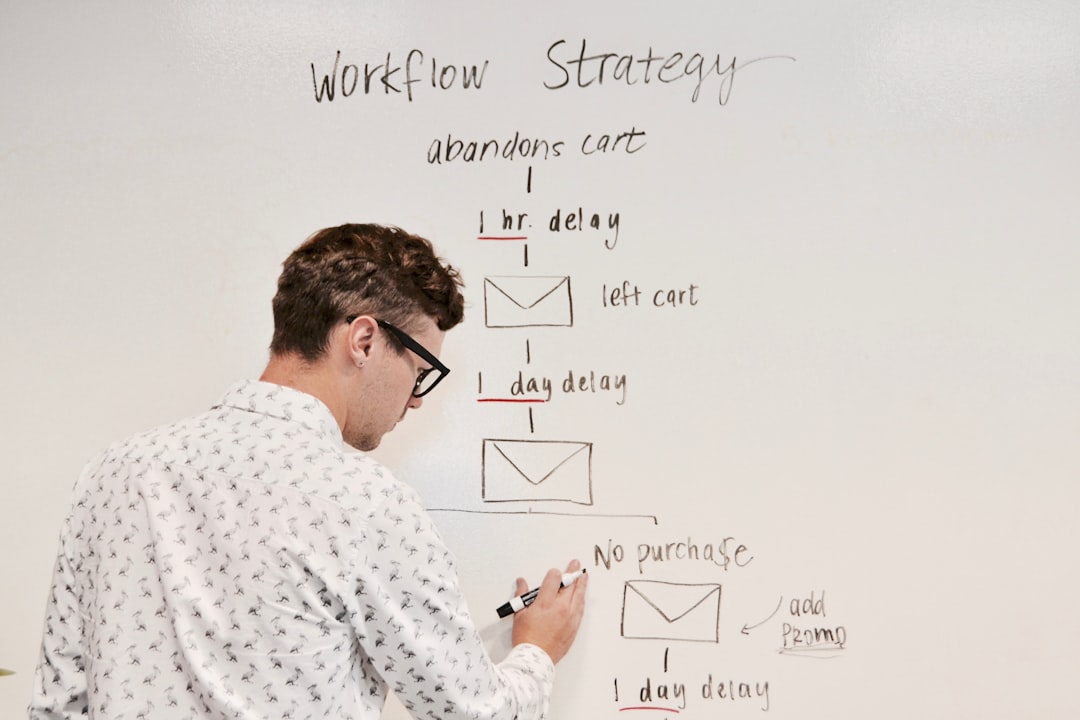
- Co-developing a Strategic Partnership Charter outlining vision, values, and joint objectives.
- Creating dynamic pricing models linked to business performance and value delivered.
- Establishing clear escalation paths and quarterly business review (QBR) structures.
- Documenting joint process innovations and proprietary recruitment methodologies developed.
- Maintaining comprehensive audit trails for compliance, quality, and strategic initiative tracking.
Therefore, treat partnership frameworks as living documents. They should evolve as your business and the market change. This proactive approach, supported by U.S. Department of Commerce trade resources on international partnerships, solidifies a true growth alliance.
Strategic Outsourcing Implementation Timeline
Transitioning to a strategic model requires phased implementation. Rushing this process undermines potential. A typical strategic outsourcing implementation timeline spans 90 to 180 days. This allows for deep integration and capability building. Moreover, it ensures cultural alignment between organizations.
Phase One (Weeks 1-4) focuses on discovery and design. This involves intensive workshops with your leadership team. The goal is to map business strategy to talent needs. Furthermore, it establishes baseline metrics and defines the governance model. Additionally, it identifies quick-win opportunities to build momentum.
Phase Two (Weeks 5-12) involves pilot deployment and team integration. Start with a critical business unit or project. Embed the partner’s strategic consultants within your team. Moreover, launch joint strategic initiatives like talent pipelining for a key skill gap. Measure results and refine the approach continuously.
- Month 1: Strategic alignment, governance setup, and baseline establishment.
- Month 2-3: Pilot program launch, team integration, and process refinement.
- Month 4-6: Full-scale rollout, advanced analytics deployment, and innovation cycles.
- Ongoing: Quarterly strategic reviews, annual partnership health assessments, and roadmap updates.
- Year 2+: Evolution into co-innovation, joint market ventures, and expanded scope.
Adhering to a structured strategic outsourcing implementation timeline ensures success. It builds a strong foundation for a lasting, productive partnership. Therefore, view implementation as an investment in a core business capability.
Common Challenges and Strategic Solutions
Adopting a strategic model presents specific challenges. First, internal resistance can occur. Departments may cling to traditional, transactional relationships. The solution involves clear executive communication. Demonstrate the strategic value through pilot results. Furthermore, involve internal stakeholders in the design process early.
Second, misaligned expectations can derail partnerships. Strategic outcomes take time to materialize. Therefore, set realistic milestones and celebrate interim wins. Additionally, maintain transparent communication about progress and hurdles. This builds trust and maintains momentum during the journey.
Third, data integration and visibility often pose technical challenges. Siloed systems hinder strategic insight. The solution is to invest in integrated technology platforms. These should provide a single source of truth for talent data. Moreover, ensure both parties have access to relevant analytics dashboards.
- Challenge: Protecting intellectual property and confidential business strategy.
Solution: Develop robust non-disclosure and data security protocols co-signed at the partnership level. - Challenge: Managing change within the internal HR team.
Solution: Create clear role evolution plans and upskilling programs for internal staff. - Challenge: Measuring the ROI of strategic versus transactional activities.
Solution: Co-develop a balanced scorecard with leading and lagging strategic indicators. - Challenge: Ensuring cultural alignment between partner organizations.
Solution: Implement joint cultural immersion programs and assign partnership ambassadors.
Proactively addressing these challenges turns them into opportunities. They strengthen the partnership framework and build resilience. Consequently, your strategic outsourcing growth strategy becomes more robust and effective.
Expert Recommendations for Lasting Success
Sustaining a strategic partnership requires continuous effort. First, appoint an executive sponsor from your leadership team. This person champions the partnership internally. Furthermore, they ensure strategic alignment persists through organizational changes. Additionally, they hold both parties accountable for long-term goals.
Second, invest in relationship capital, not just contractual obligations. Schedule regular informal strategic dialogues beyond formal reviews. Moreover, foster personal connections between teams at all levels. This builds the trust necessary for navigating complex challenges. Consequently, it transforms the partnership into a true extension of your organization.
Third, embrace a mindset of co-innovation. Challenge your partner to develop novel solutions to your talent problems. Additionally, be open to experimenting with new approaches. Use World Bank labor market reports for global insights. Furthermore, apply World Health Organization workplace standards to wellbeing initiatives. This positions your company as an employer of choice.
- Conduct annual “Partnership Health” assessments using 360-degree feedback mechanisms.
- Jointly attend industry conferences and events to build shared market understanding.
- Develop a joint innovation fund to pilot new recruitment technologies or methodologies.
- Create succession plans for key relationship managers on both sides to ensure continuity.
- Benchmark partnership performance against global standards and regional best practices.
Following these expert recommendations cements a high-value alliance. It ensures your strategic outsourcing growth strategy delivers compounding returns. Therefore, it becomes a cornerstone of your organizational capability and market competitiveness.
Frequently Asked Questions About Strategic Outsourcing
What is the primary benefit of a strategic outsourcing growth strategy?
The primary benefit is transforming talent acquisition into a competitive advantage. Furthermore, it aligns workforce capabilities directly with business growth objectives. Therefore, it drives innovation and market agility beyond simple cost savings.
How does strategic partnership differ from traditional RPO?
Traditional RPO is often transactional and process-focused. Conversely, strategic partnership involves shared risk, joint planning, and outcome-based metrics. Moreover, it integrates deeply with business strategy and long-term innovation cycles.
What metrics indicate a successful strategic talent partnership?
Key metrics include quality of hire impact on business goals, innovation contribution, time-to-competency, and strategic workforce readiness. Additionally, partner satisfaction and employee lifetime value are critical indicators.
How does Allianze HR ensure strategic alignment with clients?
We begin with deep-dive strategic workshops. Furthermore, we assign dedicated senior consultants who integrate with client leadership teams. Moreover, we co-develop talent roadmaps that mirror business expansion plans. Therefore, alignment is continuous and embedded.
Can strategic outsourcing support GCC nationalization goals?
Absolutely. A strategic partner designs talent programs that balance global expertise with local talent development. This includes creating upskilling pathways and knowledge transfer frameworks. Consequently, it directly supports Nitaqat and Emiratisation objectives effectively.
What is the typical contract structure for a strategic partnership?
Contracts are flexible and often hybrid. They combine fixed management fees with variable success-based components. Furthermore, they include detailed governance annexes and innovation commitments. Therefore, they are designed for long-term collaboration and shared success.
Partner with Allianze HR for Strategic Talent Success
Transitioning to a strategic outsourcing growth strategy is a pivotal decision. It requires the right partner with deep GCC expertise and a collaborative mindset. This guide has outlined the framework, benefits, and implementation path. Ultimately, the goal is to build a resilient, agile, and innovative organization powered by strategic talent.
Allianze HR Consultancy embodies this partnership philosophy. We move beyond filling vacancies to fueling your growth engine. Our approach integrates seamlessly with your vision. Furthermore, we provide access to unparalleled global talent pools. Moreover, we ensure every hire contributes to your strategic objectives. Therefore, your investment in talent yields maximum strategic return.
Begin your transformation today. Explore our professional recruitment resources for deeper insights. Then, take the decisive step toward strategic growth. Schedule a consultation appointment with our senior strategists. Together, we will design a tailored strategic outsourcing growth strategy that propels your business forward. Let’s build your future workforce, strategically.