


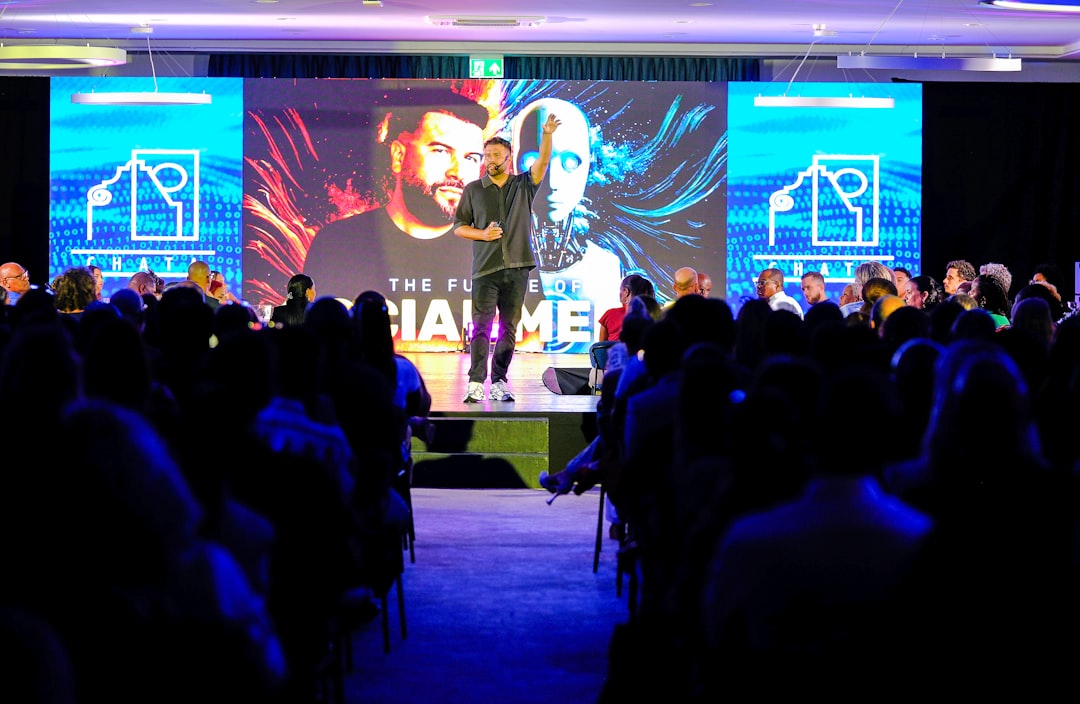
Is your organization prepared for the AI-driven transformation reshaping the GCC’s future economy? Furthermore, artificial intelligence is fundamentally altering job markets across the Gulf. Consequently, strategic workforce planning for the AI era is no longer optional. Therefore, proactive adaptation ensures competitive advantage and sustainable growth.
Industries from energy to finance face unprecedented change. Meanwhile, regional visions like Saudi Vision 2030 and UAE Centennial 2071 prioritize technological adoption. Additionally, this shift creates both displacement risks and new opportunities. Moreover, a structured talent strategy is essential for navigating this transition successfully.
At Allianze HR Consultancy, we’ve successfully placed 10,000+ professionals across UAE, Saudi Arabia, Qatar, and Kuwait. Furthermore, our 5+ years of GCC expertise supports clients from 50+ countries. Moreover, our Ministry of External Affairs (India) RA license ensures compliance. Therefore, contact our recruitment specialists for expert guidance.
Understanding GCC Labor Market AI Transformation
The Gulf Cooperation Council labor market is undergoing rapid digitalization. Specifically, automation and AI integration are accelerating across sectors. Consequently, roles in administration, data entry, and routine analysis are evolving. Meanwhile, demand for AI specialists and data scientists is surging. Therefore, understanding this dual impact is the first step.
Regional economic diversification plans heavily feature technology. For example, NEOM and Dubai’s AI Strategy create new talent demands. Additionally, traditional industries like construction and logistics are adopting smart tools. Moreover, this creates a complex landscape for human capital planning. Hence, employers must analyze both immediate and long-term needs.
Key sectors experiencing AI-driven transformation include:
- Healthcare: Diagnostic AI and robotic surgery assistants.
- Finance: Algorithmic trading and fraud detection systems.
- Construction: Autonomous machinery and project management AI.
- Retail: Personalized customer experience platforms.
- Energy: Predictive maintenance and smart grid management.
- Public Sector: Smart city management and e-governance services.
Furthermore, the World Bank labor market reports highlight this global trend. Therefore, GCC employers must develop responsive talent pipelines. Additionally, collaboration with educational institutions is becoming critical. Finally, a future-focused workforce strategy mitigates disruption risks effectively.
Strategic Workforce Planning AI Era Strategic Overview
Strategic workforce planning for the AI era requires a multi-phase approach. First, conduct a comprehensive skills gap analysis. This identifies current capabilities versus future requirements. Second, map AI’s impact on specific roles within your organization. Consequently, you can pinpoint high-risk positions and emerging opportunities.
Third, develop targeted reskilling and upskilling roadmaps. These programs should align with business objectives. Moreover, they must consider the unique GCC cultural and regulatory context. Fourth, implement continuous monitoring and adjustment mechanisms. Therefore, your plan remains agile amidst technological change.
Effective AI-era workforce planning incorporates several core elements:
- Data-Driven Forecasting: Use analytics to predict skill demand.
- Scenario Planning: Prepare for multiple technological adoption rates.
- Stakeholder Engagement: Involve leadership, HR, and employees.
- Technology Partnerships: Collaborate with AI solution providers.
- Metrics and KPIs: Track reskilling success and productivity impacts.
- Compliance Integration: Align with local UAE government employment regulations and GCC labor laws.
Furthermore, this strategic overview provides a essential framework. Therefore, organizations can systematically address AI integration challenges. Moreover, proactive planning turns technological disruption into a strategic advantage. Finally, access our professional recruitment resources for deeper insights.
Legal Framework and GCC Compliance Standards
Navigating the legal landscape is crucial for AI workforce transitions. Specifically, GCC labor laws are evolving to address technological change. Consequently, employers must stay informed about regulatory updates. Moreover, compliance ensures smooth implementation of reskilling initiatives.
Key legal considerations include contract modifications for changed roles. Additionally, termination regulations for displaced positions require careful handling. Furthermore, training agreements may need specific clauses for upskilling investments. Therefore, legal review prevents future disputes and liabilities.
Compliance priorities for AI-driven workforce planning include:
- Labor Law Adherence: Follow nationalization (Nitaqat, Emiratisation) quotas despite role changes.
- Wage Protection Systems: Ensure compensation aligns with new skill valuations.
- Occupational Safety: Update protocols for human-AI collaboration environments.
- Data Privacy: Comply with GDPR-like regulations (like UAE PDPL) when using employee data for planning.
- Intellectual Property: Address IP rights for outputs from reskilled employees using new AI tools.
- Ethical Guidelines: Follow International Labour Organization guidelines on fair transitions.
Furthermore, the U.S. Department of Commerce trade resources offer comparative insights. Therefore, a robust compliance framework supports ethical transitions. Moreover, it builds employee trust during periods of significant change. Finally, legal diligence is a cornerstone of sustainable workforce transformation.
Strategic Workforce Planning AI Era Best Practices
Implementing strategic workforce planning for the AI era demands proven methodologies. First, adopt a skills-based approach over traditional job titles. This focuses on capabilities needed for future work. Consequently, identifying adjacencies and training paths becomes clearer. Moreover, it enhances internal mobility and retention.
Second, leverage skills adjacency mapping. This technique identifies roles requiring similar foundational competencies. Therefore, transitioning employees between adjacent fields is more efficient. Additionally, it reduces training time and cost significantly. For example, a customer service representative may adjacently move to chatbot training supervision.
Third, establish a continuous learning culture. Encourage micro-learning and digital credentialing. Furthermore, partner with online platforms for scalable upskilling. Moreover, recognize and reward skill acquisition to motivate employees.
Essential best practices for successful implementation include:
- Leadership Championing: Secure executive sponsorship for reskilling investments.
- Employee-Centric Design: Involve staff in creating their reskilling pathways.
- Pilot Programs: Test approaches in one department before full rollout.
- External Partnerships: Collaborate with universities and training institutes.
- Technology Infrastructure: Provide access to learning management systems (LMS) and AI tools.
- Health and Wellbeing Support: Integrate World Health Organization workplace standards for mental health during transition.
Furthermore, these best practices create a resilient organizational framework. Therefore, companies can adapt to AI advancements confidently. Moreover, they foster an agile and future-ready corporate culture. Finally, a strategic approach maximizes return on human capital investment.
Documentation and Reskilling Process Steps
Effective workforce transformation requires meticulous documentation. First, create a detailed skills inventory for all employees. This database should catalog current competencies and proficiency levels. Consequently, it serves as the foundation for gap analysis. Moreover, digital tools can automate this inventory management.
Second, develop individual transition plans (ITPs) for affected staff. Each plan should outline the current role, target role, and skill gaps. Additionally, it must specify training modules, timelines, and success metrics. Therefore, employees have clear roadmaps for their professional journey.
Third, prepare all necessary administrative documents. These include updated job descriptions, modified employment contracts, and training agreements. Furthermore, ensure all documents comply with GCC labor authority requirements. Subsequently, this prevents legal complications during the transition.

Key documentation and processing steps involve:
- Skills Audit Reports: Formal assessment of organizational capabilities.
- Training Needs Analysis (TNA): Documented identification of skill deficiencies.
- Reskilling Budget Proposals: Detailed cost breakdowns for leadership approval.
- Vendor Agreements: Contracts with external training providers or EdTech platforms.
- Progress Tracking Logs: Systems to monitor employee advancement through programs.
- Completion Certificates: Official recognition of new skill acquisition for employee records.
Furthermore, organized documentation streamlines the entire transition process. Therefore, HR teams can manage scale efficiently. Moreover, it provides auditable trails for compliance purposes. Finally, clear records support data-driven adjustments to the planning strategy.
Strategic Workforce Planning AI Era Implementation Timeline
A realistic timeline is vital for strategic workforce planning for the AI era. Typically, a comprehensive initiative spans 12 to 24 months. However, the pace depends on organizational size and AI adoption speed. Therefore, customizing the schedule to your specific context is essential.
Months 1-3 focus on assessment and design. Conduct the skills inventory and impact analysis. Meanwhile, engage stakeholders and secure budget approvals. Moreover, form a dedicated project team to lead the effort. Consequently, this foundation phase ensures alignment and clarity.
Months 4-9 involve pilot program execution. Launch reskilling pathways for initial employee cohorts. Additionally, refine training materials based on early feedback. Furthermore, begin adjusting recruitment strategies for new AI-centric roles. Therefore, the organization starts building momentum and learning.
A detailed phase-based implementation timeline includes:
- Phase 1 (Foundation): Strategy development, team assembly, and tools selection (3 months).
- Phase 2 (Assessment): Workforce analytics, risk role identification, and adjacency mapping (2 months).
- Phase 3 (Design): Curriculum development, vendor selection, and communication planning (3 months).
- Phase 4 (Pilot): Execute limited-scale reskilling and evaluate results (4 months).
- Phase 5 (Scale): Organization-wide rollout with continuous support (6-12 months).
- Phase 6 (Optimize): Measure outcomes, iterate on programs, and institutionalize processes (Ongoing).
Furthermore, this structured timeline manages expectations and resources. Therefore, leadership can track progress against milestones. Moreover, it allows for iterative improvements based on real-world results. Finally, a phased approach reduces risk and enhances overall success rates.
Common Challenges and Proactive Solutions
GCC employers face distinct challenges in AI workforce transitions. First, resistance to change is a significant human factor. Employees may fear irrelevance or struggle with new technologies. Consequently, change management becomes as important as technical training. Therefore, transparent communication and support systems are critical.
Second, the pace of technological change can outpace planning cycles. AI tools evolve rapidly, making long-term skill forecasting difficult. Meanwhile, educational institutions may lag in updating curricula. Moreover, this creates a supply-demand mismatch for new skills. Hence, building internal training capacity offers a solution.
Third, measuring return on investment (ROI) for reskilling is complex. Benefits like innovation and agility are qualitative. Additionally, cost savings from displacement may be offset by training expenses. Therefore, developing a balanced scorecard of metrics is essential.
Effective solutions to prevalent challenges include:
- For Change Resistance: Implement mentorship programs and “AI ambassador” roles from early adopters.
- For Skill Obsolescence: Focus on meta-skills like critical thinking, adaptability, and digital literacy.
- For Budget Constraints: Utilize government incentives and subsidies for training available in many GCC states.
- For Cultural Barriers: Tailor learning methods to regional preferences, emphasizing collaborative and respected formats.
- For Technology Access: Partner with telecom providers for corporate learning data plans.
- For Retention Fears: Create clear career progression paths linked to new skill acquisition.
Furthermore, anticipating these hurdles enables proactive mitigation. Therefore, organizations can maintain transition momentum. Moreover, learning from other regions via global reports provides valuable insights. Finally, a problem-solving mindset turns challenges into improvement opportunities.
Expert Recommendations for GCC Success
Success in the AI-driven labor market requires expert-guided strategies. First, integrate workforce planning with overall business strategy. Talent decisions must support organizational goals for digital transformation. Consequently, HR leadership should have a seat at the strategic table. Moreover, this alignment ensures resource allocation follows priority.
Second, prioritize building a learning ecosystem over one-off programs. Partner with local universities, online academies, and industry consortia. Additionally, create internal communities of practice for AI application. Therefore, knowledge sharing becomes continuous and embedded in culture.
Third, embrace data analytics for talent decisions. Use AI to plan for AI. Specifically, people analytics can predict attrition risks and skill adjacency success rates. Furthermore, it can personalize learning recommendations for each employee. Hence, the planning process itself becomes more intelligent and effective.
Actionable expert recommendations for GCC employers:
- Start Now: Begin with a pilot, even if small, to build organizational learning.
- Focus on Adjacencies: Maximize existing talent through strategic lateral moves.
- Engage National Talent: Align reskilling with Emiratisation/Nitaqat goals to double the impact.
- Leverage Global Networks: Tap into schedule consultation appointment for international best practices.
- Communicate Transparently: Reduce anxiety by openly sharing the vision, timeline, and support available.
- Measure Holistically: Track productivity, innovation, employee engagement, and retention together.
Furthermore, these recommendations provide a roadmap for confident navigation. Therefore, GCC companies can lead rather than follow the AI revolution. Moreover, strategic human capital development becomes a core competitive differentiator. Finally, expert partnership accelerates the journey and de-risks the investment.
Frequently Asked Questions About Strategic Workforce Planning AI Era
What is the first step in strategic workforce planning for the AI era?
The first step is conducting a skills inventory and AI impact assessment. This identifies current capabilities and high-risk roles. Furthermore, it establishes a data baseline. Therefore, consult our specialists for a structured assessment framework.
How does skills adjacency reduce reskilling costs?
Skills adjacency maps roles with overlapping foundational competencies. Consequently, transitioning employees requires less training time and investment. Moreover, it leverages existing knowledge. Therefore, it is a cost-effective talent strategy.
What are common metrics for AI workforce planning success?
Key metrics include reskilling completion rates, time-to-proficiency in new roles, internal hire rates for AI positions, and employee engagement scores during transition. Additionally, business metrics like productivity and innovation rates are tracked.
How does Allianze HR support AI workforce transition?
We provide strategic consulting, skills gap analysis, and adjacency mapping. Additionally, we source talent for new AI roles while reskilling existing staff. Moreover, we ensure all processes meet GCC compliance standards.
Can small and medium enterprises (SMEs) afford this planning?
Yes. Scalable approaches exist for SMEs, including consortium training and government-subsidized programs. Furthermore, focusing on critical roles and using online platforms reduces costs. Therefore, strategic planning is accessible at any scale.
How do GCC labor laws affect AI-driven job changes?
Laws govern contract modification, termination, and training obligations. Employers must follow due process for role changes or redundancies. Moreover, nationalization