


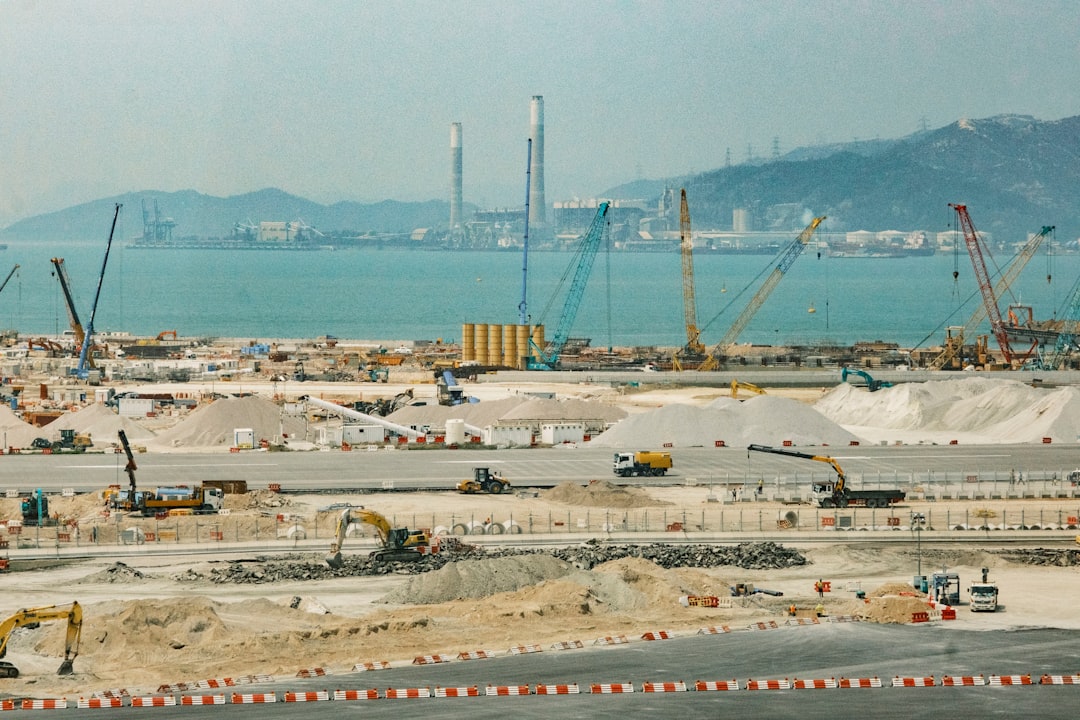
How can GCC employers successfully navigate the complex recruitment for the Salalah Port maritime construction expansion? This strategic infrastructure project demands a highly specialized workforce. Consequently, securing skilled maritime construction workers is a critical challenge. The Salalah Port maritime construction initiative requires precise talent acquisition strategies. Furthermore, understanding regional labor dynamics proves essential for project success.
Port infrastructure development in Oman represents a significant economic opportunity. Specifically, the Salalah Port expansion enhances regional trade and logistics capabilities. Moreover, such projects require expertise in marine engineering, dredging, and heavy civil works. Therefore, employers must adopt a targeted approach to workforce deployment. Additionally, compliance with Omani and international standards is non-negotiable for sustainable operations.
At Allianze HR Consultancy, we’ve successfully placed 10,000+ professionals across UAE, Saudi Arabia, Qatar, and Kuwait. Furthermore, our 5+ years of GCC expertise supports clients from 50+ countries. Moreover, our Ministry of External Affairs (India) RA license ensures compliance. Therefore, contact our recruitment specialists for expert guidance on your port project staffing needs.
Understanding GCC Port Infrastructure Development
Port construction across the Gulf Cooperation Council is accelerating rapidly. Specifically, nations are investing heavily in maritime trade gateways. Furthermore, projects like the Salalah expansion require specialized technical skills. These skills include coastal engineering, quay wall construction, and navigation channel dredging. Moreover, the regional focus on economic diversification fuels this infrastructure boom.
Consequently, the demand for qualified personnel has intensified significantly. Employers must source talent with both technical competency and regional experience. Additionally, understanding the unique marine environment of the Arabian Sea is crucial. This environment presents specific challenges like salinity, tidal patterns, and seabed geology. Therefore, a generic construction recruitment approach will fail.
Successful workforce planning involves several key stages. First, conduct a detailed project role analysis. Second, identify skill gaps and certification requirements. Third, develop a sourcing strategy targeting relevant talent pools. Finally, establish robust onboarding and acclimatization processes. This structured method ensures project teams are operational from day one.
- Coastal and Marine Engineering Expertise
- Dredging and Reclamation Operation Skills
- Heavy Lifting and Piling Barge Operations
- Port Equipment Installation and Commissioning
- Underwater Construction and Inspection Techniques
Salalah Port Maritime Construction Strategic Overview
The Salalah Port maritime construction expansion is a cornerstone of Oman’s logistics strategy. This project aims to significantly increase container handling capacity and bulk cargo capabilities. Furthermore, it involves constructing new deep-water berths and expanding container yards. Therefore, the recruitment scope encompasses a wide range of engineering disciplines.
Strategic workforce deployment for this project requires a phased approach. Initially, the focus is on marine civil engineers and dredging masters. Subsequently, the need shifts to structural welders and heavy equipment operators. Moreover, specialized roles like naval architects and hydrographic surveyors are essential. Consequently, a long-term talent pipeline must be established and managed proactively.
Partnering with a recruitment firm that understands these phases is advantageous. Such a partner can anticipate skill requirements and pre-vet candidates. Additionally, they manage the complex logistics of mobilizing an international workforce to Oman. This includes visa processing, medical checks, and travel coordination. Ultimately, this strategic partnership mitigates project delay risks.
- Phased Recruitment Aligned with Project Milestones
- Specialized Sourcing for Nautical and Port Engineering
- Integration of International and Local Omani Talent
- Compliance with Omanization Policy Requirements
- Continuous Skills Development and On-site Training
Legal Framework and Compliance Standards
Omani labor law governs all employment for port construction projects. Employers must adhere to the Ministry of Labour’s regulations meticulously. Furthermore, specific guidelines from the Saudi Ministry of Labor offer comparative insights for regional best practices. Additionally, international standards from bodies like the International Labour Organization apply to worker safety and welfare.
Compliance documentation is a multi-layered process. Firstly, employment contracts must be attested by the Omani authorities. Secondly, work visas and resident permits require sponsorship through a local entity. Thirdly, professional certifications often need validation by the Oman Society of Engineers. Moreover, adherence to OSHA construction industry standards is critical for site safety audits.
Non-compliance carries severe consequences, including project stoppages and substantial fines. Therefore, rigorous documentation checks are mandatory at every hiring stage. Furthermore, regular audits ensure ongoing adherence to all legal requirements. This proactive compliance management protects both the employer and the worker. Consequently, it forms the foundation of a successful and ethical recruitment campaign.
- Omani Ministry of Labour Contract Attestation
- Residency Visa and Work Permit Sponsorship
- Engineering Credential Verification and Equivalency
- Maritime Safety and Port Authority Clearances
- Medical Insurance and Worker Welfare Mandates
Salalah Port Maritime Construction Best Practices
Implementing Salalah Port maritime construction best practices starts with precise job profiling. Clearly define required technical competencies, years of experience, and necessary certifications. Furthermore, incorporate behavioral attributes like adaptability and teamwork. This clarity streamlines the screening process and attracts suitable candidates. Moreover, it sets clear performance expectations from the outset.
Secondly, leverage a multi-channel sourcing strategy. Utilize specialized job portals for marine engineering talent. Additionally, tap into professional networks and industry associations. Furthermore, consider partnerships with global maritime training institutes. This approach ensures access to a deep and qualified talent pool. Consequently, it reduces time-to-hire for critical project roles.
Thirdly, prioritize candidate experience and communication. The recruitment process for international postings must be transparent and supportive. Provide detailed information about the role, location, and living conditions. Moreover, facilitate smooth visa and relocation logistics. This practice enhances offer acceptance rates and builds a positive employer brand. Therefore, it supports future recruitment efforts for the project’s duration.
- Competency-Based Technical Interviews and Assessments
- Practical Skills Evaluation for Hands-on Port Roles
- Comprehensive Pre-departure Orientation Programs
- Structured Onboarding at the Port Construction Site
- Continuous Performance and Welfare Check-ins
Documentation and Processing Steps
Efficient documentation processing is the engine of successful deployment. The process begins with collecting and verifying candidate credentials. These include passports, educational certificates, and professional experience letters. Furthermore, all documents require attestation from the candidate’s home country authorities. Subsequently, they must be legalized by the Omani embassy or consulate.
Next, the employer submits the attested documents to the Omani Ministry of Labour. This step secures the initial work permit approval. Following this, the candidate undergoes a mandatory medical examination in their home country. Moreover, a security clearance may be required depending on the role’s sensitivity. Once cleared, the entry visa is issued, allowing travel to Oman.
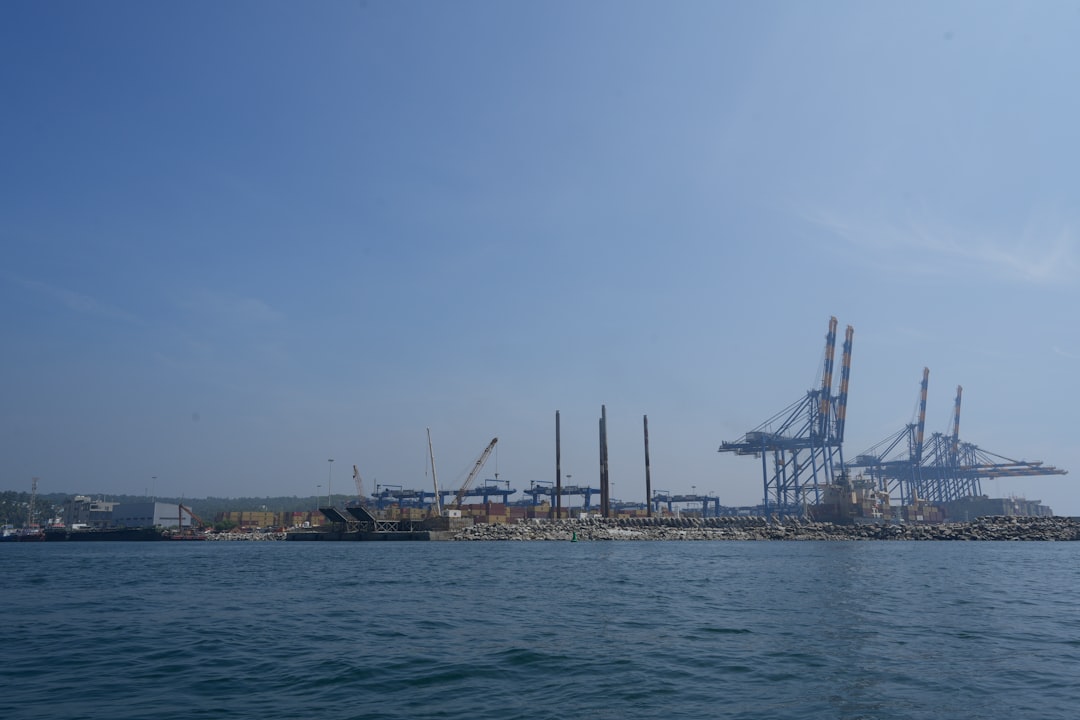
Upon arrival, several final steps complete the process. The worker undergoes another medical test in Oman. Additionally, the residency permit (RP) and labour card are processed. Furthermore, biometric data is registered with the relevant authorities. Finally, the UAE construction sector employment protocols offer a useful regional benchmark for streamlining these steps. Proper planning for this sequence prevents costly administrative delays.
- Educational and Professional Certificate Attestation
- Ministry of Labour Work Permit Application
- Pre-arrival and Post-arrival Medical Screening
- Residency Permit and Labour Card Issuance
- Biometric Registration and ID Card Collection
Salalah Port Maritime Construction Implementation Timeline
A realistic Salalah Port maritime construction implementation timeline is crucial for project planning. Typically, the end-to-end recruitment and mobilization process takes 8 to 12 weeks. However, this duration depends on role complexity, candidate availability, and documentation speed. Furthermore, planning for each phase individually ensures better control over the schedule.
The first phase, candidate sourcing and selection, usually requires 3-4 weeks. This includes advertising, screening, interviewing, and making a formal offer. Subsequently, the documentation and pre-travel clearance phase takes another 3-5 weeks. This period covers attestation, visa processing, and medical checks. Moreover, factors like public holidays in either country can extend this timeline.
The final phase is travel, arrival formalities, and site onboarding, taking 1-2 weeks. Therefore, employers should initiate recruitment efforts well before the projected start date. Building buffer time into the schedule accounts for unforeseen delays. Consequently, this proactive timeline management ensures a steady flow of skilled workers to the port site, aligning perfectly with construction milestones.
- Weeks 1-4: Sourcing, Screening, and Selection
- Weeks 5-9: Documentation Attestation and Visa Processing
- Weeks 10-11: Travel Coordination and Mobilization
- Week 12: On-site Induction and Role-Specific Training
- Ongoing: Performance Management and Workforce Optimization
Common Challenges and Solutions
Recruiting for specialized port projects presents several common challenges. Firstly, a global shortage of experienced marine construction professionals creates intense competition. Secondly, the remote location of Salalah can affect candidate willingness to relocate. Thirdly, navigating Oman’s specific labor and immigration procedures can be complex. Additionally, ensuring World Health Organization workplace standards for health and safety adds another layer of responsibility.
Fortunately, strategic solutions exist for each challenge. To address talent scarcity, develop long-term relationships with maritime academies. Furthermore, offer competitive, transparent compensation packages that include location allowances. Moreover, partner with a local expert like Allianze HR to manage all bureaucratic processes. This partnership minimizes administrative burden and ensures compliance.
Another critical challenge is cultural and professional integration. Deploying a diverse international workforce requires careful management. Implement comprehensive cross-cultural orientation programs. Additionally, assign local Omani mentors to new hires. This fosters teamwork and knowledge transfer. Consequently, it enhances productivity and reduces early attrition, protecting your project’s investment in talent.
- Solution: Proactive Talent Pipeline Development
- Solution: Transparent Compensation and Welfare Packages
- Solution: Partnership with Local Recruitment Compliance Experts
- Solution: Structured Cultural and Professional Integration Plans
- Solution: Continuous Engagement and Welfare Monitoring
Expert Recommendations for Success
For guaranteed success in your port workforce deployment, follow these expert recommendations. Begin by conducting a thorough skills gap analysis specific to the project’s phases. This analysis should reference global frameworks like those from the World Bank infrastructure development reports. Furthermore, integrate this analysis into a dynamic workforce plan that can adapt to project changes.
Secondly, invest in employer branding within the maritime construction community. Showcase your project’s significance, safety record, and commitment to worker welfare. Moreover, highlight opportunities for professional growth on a landmark project. A strong employer brand attracts higher-quality candidates passively. Therefore, it reduces reliance on active sourcing during tight labor markets.
Finally, view your recruitment partner as a strategic extension of your project team. Choose a firm with proven GCC experience and a physical presence in the region. Ensure they offer end-to-end services from sourcing to post-placement support. Additionally, leverage their professional recruitment resources for market intelligence. This collaborative approach transforms recruitment from a cost center into a value-driven project enabler.
- Develop a Phased, Dynamic Workforce Plan
- Build a Strong Maritime Employer Brand
- Choose a Recruitment Partner with GCC Port Experience
- Implement Robust Pre- and Post-Arrival Support Systems
- Focus on Long-Term Retention, Not Just Initial Hiring
Frequently Asked Questions About Salalah Port Maritime Construction
What is the timeline for Salalah Port maritime construction recruitment?
The complete recruitment and mobilization timeline typically ranges from 8 to 12 weeks. This period covers sourcing, documentation, visa processing, and travel. Furthermore, complex senior roles may require additional time. Therefore, consult our specialists for a project-specific estimate.
What documentation is required for port infrastructure recruitment?
Essential documents include attested educational degrees, experience certificates, passport copies, and professional licenses. Additionally, a clean criminal record certificate and medical fitness reports are mandatory. Moreover, all documents require legalization for use in Oman.
How do you ensure candidates have genuine marine engineering expertise?
We employ rigorous technical assessments, practical scenario testing, and thorough reference checks. Furthermore, we verify certifications with issuing authorities. Additionally, our interview panels include subject matter experts with port project experience to evaluate practical knowledge accurately.
What are the key compliance risks in Omani port recruitment?
Major risks include incomplete document attestation, violation of Omanization quotas, non-compliance with wage protection systems, and inadequate safety training. Furthermore, misunderstanding sponsorship transfer rules can cause legal issues. Therefore, partner with experts who monitor Omani labor law changes continuously.
Can you recruit for both skilled and semi-skilled port roles?
Yes, we provide end-to-end recruitment for all port construction roles. This ranges from marine engineers and project managers to crane operators, welders, and safety officers. Moreover, we tailor our sourcing and assessment strategies to the specific requirements of each position level.
How does Allianze HR support workers after arrival in Salalah?
Our post-placement support includes airport pickup, assistance with bank account setup, and accommodation orientation. Furthermore, we facilitate site introductions and provide a 24/7 helpline for any issues. This comprehensive support ensures a smooth transition and promotes long-term retention.
Partner with Allianze HR for Port Recruitment Success
Successfully staffing the Salalah Port maritime construction expansion requires a blend of technical insight and regional expertise. This guide has outlined the strategic, compliance, and operational considerations for GCC employers. From understanding the specialized skill sets to navigating Omani labor laws, each step is crucial. Moreover, a phased implementation timeline and proactive challenge management ensure smooth project execution.
Allianze HR Consultancy is your ideal partner for this complex endeavor. Our deep understanding of GCC infrastructure projects and