


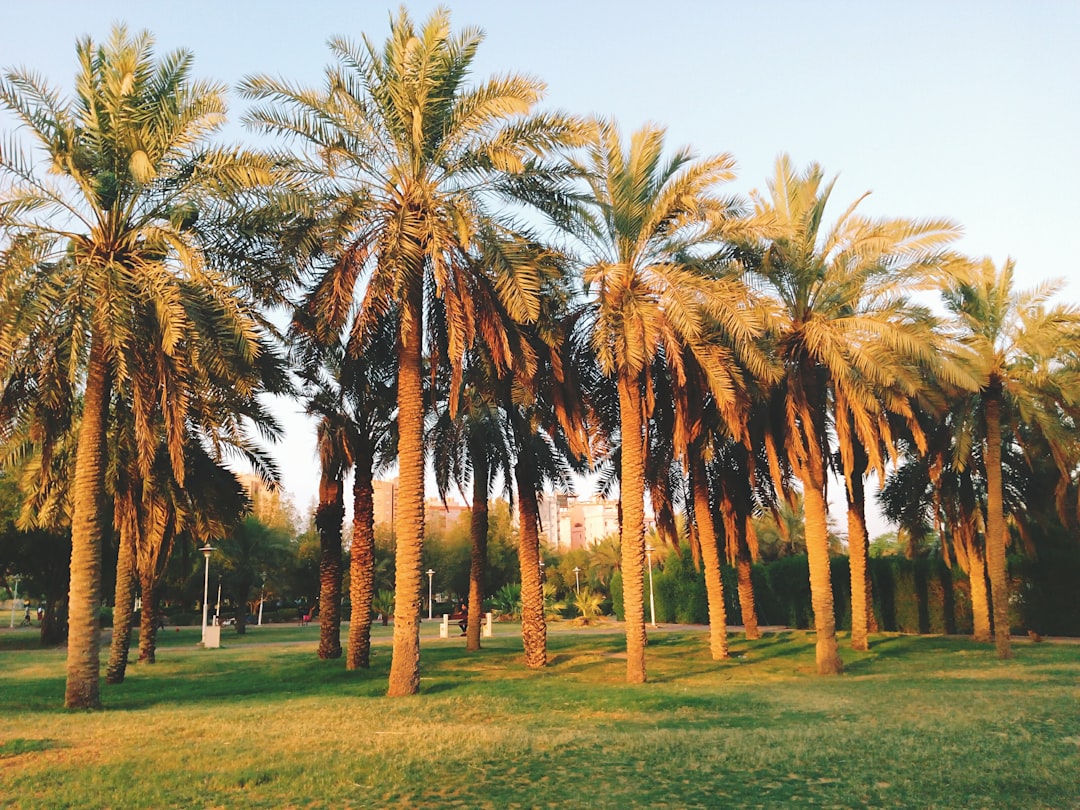
How can you secure the specialized talent needed to transform King Salman Park into one of the world’s largest urban green spaces? This megaproject in Riyadh demands a unique blend of landscaping artistry and construction precision. Consequently, employers face significant challenges in sourcing professionals with both horticultural expertise and large-scale project experience. The King Salman Park landscaping recruitment process requires a strategic approach to meet Saudi Arabia’s ambitious Vision 2030 goals. Therefore, understanding the specific talent requirements is essential for successful project execution.
Furthermore, the GCC’s green space development sector is experiencing unprecedented growth. Major projects across the region require specialized skills in sustainable landscaping and advanced irrigation systems. Moreover, Saudi Arabia’s giga-projects set new benchmarks for environmental design and urban livability. This creates intense competition for qualified professionals. Additionally, compliance with local Saudization policies adds another layer of complexity to the hiring process. Thus, a methodical recruitment strategy becomes a critical success factor.
At Allianze HR Consultancy, we’ve successfully placed 10,000+ professionals across UAE, Saudi Arabia, Qatar, and Kuwait. Furthermore, our 5+ years of GCC expertise supports clients from 50+ countries. Moreover, our Ministry of External Affairs (India) RA license ensures compliance. Therefore, contact our recruitment specialists for expert guidance on your landscaping talent needs. We provide end-to-end support from candidate sourcing to final deployment for landmark projects.
Understanding GCC Green Space Development Requirements
The King Salman Park project exemplifies a new era of urban development in the Middle East. This initiative requires more than traditional gardening skills. Specifically, it demands expertise in xeriscaping, native plant cultivation, and climate-resilient landscape architecture. Moreover, integration with smart city infrastructure is a key component. Professionals must understand water conservation technologies and sustainable materials.
Additionally, the scale of such projects necessitates experience in large-scale earthworks and hardscaping. Candidates need proven track records in managing multi-disciplinary teams. Furthermore, familiarity with international environmental standards is increasingly important. The World Bank urban development reports highlight the importance of sustainable urban planning. Similarly, the UAE green building regulations provide a regional framework for best practices.
Key required skill sets include:
- Advanced irrigation system design and hydro-zoning.
- Soil science and remediation for arid climates.
- Project management for landscape construction phases.
- Compliance with Saudi Arabian environmental regulations.
- Use of BIM and GIS software for landscape planning.
Consequently, recruitment must target candidates with both technical knowledge and adaptive experience. This ensures they can thrive in Riyadh’s unique environmental and regulatory landscape.
King Salman Park Landscaping Recruitment Strategic Overview
A successful King Salman Park landscaping recruitment strategy begins with precise role definition. Employers must distinguish between landscape architects, irrigation engineers, horticultural supervisors, and hardscape foremen. Each position contributes uniquely to the project’s ecosystem. Furthermore, understanding the project’s phased approach is crucial. Initial earthworks and infrastructure require different skills than later planting and finishing stages.
Moreover, talent sourcing should prioritize regions with similar climatic challenges. Professionals from the Mediterranean, North Africa, and parts of Asia often possess relevant experience. Additionally, recruitment campaigns must highlight the project’s prestige and legacy. This attracts top-tier candidates seeking career-defining opportunities. The International Labour Organization workplace safety standards must also be communicated as a project priority.
Strategic steps include:
- Conducting a comprehensive skills gap analysis for the project team.
- Developing competitive compensation packages aligned with Saudi market rates.
- Creating detailed job descriptions that specify irrigation system expertise.
- Building partnerships with agricultural and civil engineering institutes.
- Implementing a staged onboarding process for large workforce batches.
Therefore, a proactive and detailed manpower plan forms the foundation of effective talent acquisition. This approach minimizes delays and ensures a steady pipeline of qualified professionals.
Legal Framework and Compliance Standards in Saudi Arabia
Navigating Saudi Arabia’s labor laws is fundamental to successful recruitment. The Nitaqat Saudization program mandates specific employment ratios for private sector companies. Consequently, employers must balance expatriate hiring with national workforce development. Moreover, the Ministry of Human Resources and Social Development (MHRSD) regularly updates its regulations. Staying compliant requires constant vigilance and expert local knowledge.
Furthermore, work visa processing involves multiple government entities. These include the Ministry of Foreign Affairs, the Saudi Arabian Embassy, and the General Directorate of Passports. Each step has specific documentation requirements and processing times. Additionally, profession-specific qualifications often require verification and attestation from home country authorities. The Saudi Ministry of Labor regulations portal is the primary source for official updates.
Critical compliance areas include:
- Securing block visas or project-specific visa quotas from MHRSD.
- Ensuring employment contracts adhere to Saudi Labor Law provisions.
- Arranging for mandatory medical examinations and insurance (Qiwa).
- Processing Iqama (residence permit) applications post-arrival.
- Adhering to wage protection system (WPS) regulations for salary disbursement.
Hence, partnering with a recruitment firm well-versed in Saudi procedures is invaluable. It mitigates legal risks and ensures a smooth, compliant deployment process for all staff.
King Salman Park Landscaping Recruitment Best Practices
Implementing best practices elevates your King Salman Park landscaping recruitment outcomes. First, adopt a competency-based interviewing approach. This technique assesses practical skills in irrigation design, plant selection, and site management. Furthermore, include practical assessments or portfolio reviews. For example, ask candidates to critique a landscape plan or propose solutions for water conservation.
Moreover, emphasize safety culture from the first interview. Landscaping and construction mix environments present unique hazards. Candidates must demonstrate knowledge of OSHA construction industry standards and their application in horticultural settings. Additionally, assess their familiarity with safe equipment operation and chemical handling. The World Health Organization occupational health guidelines provide a useful framework.
Proven best practices include:
- Utilizing video interviews to pre-screen international candidates efficiently.
- Conducting thorough reference checks focusing on previous large-scale projects.
- Offering site visits or virtual tours to final-stage candidates for transparency.
- Developing a structured onboarding program covering project specifics and safety protocols.
- Creating clear career progression paths to aid retention and reduce turnover.
Therefore, a rigorous and transparent selection process ensures you hire not just skilled individuals, but integrated team members. This directly contributes to project quality and timeline adherence.
Documentation and Processing Steps for Deployment
Accurate documentation is the backbone of any international recruitment drive. The process begins with collecting and attesting candidate credentials. Educational certificates and experience letters must be legalized through a chain of authorities. This typically includes notarization, home country foreign ministry attestation, and Saudi embassy legalization. Furthermore, professional licenses for engineers or architects require additional verification from relevant professional bodies.
Next, the employer must apply for visa authorization through the MHRSD’s Qiwa platform. Subsequently, the candidate submits their passport to the designated Saudi embassy for visa stamping. Meanwhile, employers should arrange for professional recruitment resources like orientation materials. Additionally, coordinating flight bookings and initial accommodation is essential for a smooth arrival.
Essential documentation checklist:
- Passport with minimum 12-month validity.
- Attested educational and professional certificates.
- Medical fitness certificate from an approved center.
- Signed employment contract in Arabic and English.
- Police clearance certificate from the candidate’s home country.
Consequently, meticulous attention to document preparation prevents costly delays at immigration or during the Iqama process. A single missing stamp can halt an entire deployment.
King Salman Park Landscaping Recruitment Implementation Timeline
Realistic timeline planning is critical for project alignment. The complete King Salman Park landscaping recruitment cycle typically spans 8 to 14 weeks. This timeframe accounts for sourcing, selection, documentation, and mobilization. Initially, candidate sourcing and screening may take 2-3 weeks, especially for niche irrigation specialist roles. Furthermore, the interview and offer negotiation phase often requires another 1-2 weeks.
Moreover, the documentation and visa processing stage is the most variable. It can take 4-8 weeks depending on embassy workloads and attestation backlogs. Subsequently, after visa issuance, travel arrangements and final mobilization add another 1-2 weeks. Employers should also factor in a buffer for unexpected delays. Proactive planning, as outlined in our schedule consultation appointment service, mitigates schedule risks.
Sample phased timeline:
- Weeks 1-3: Job marketing, candidate sourcing, and initial screening.
- Weeks 4-5: Technical interviews, practical assessments, and job offers.
- Weeks 6-12: Document collection, attestation, and visa processing.
- Weeks 13-14: Travel coordination, arrival, and project-site onboarding.
Hence, early initiation of the recruitment campaign is paramount. It ensures manpower is available when each project phase commences, preventing construction delays.
Common Challenges and Strategic Solutions
Employers frequently encounter specific hurdles in landscaping recruitment for giga-projects. First, the scarcity of professionals with combined landscaping and mega-project experience is a major challenge. Many experts have garden or park experience but lack exposure to 1,000+ hectare developments. Secondly, high salary expectations for specialized roles can strain project budgets. Furthermore, competition from other regional projects like NEOM and Red Sea Global intensifies this talent war.
Additionally, cultural and climatic adaptation poses a significant retention risk. Professionals unfamiliar with the Gulf may struggle with the environment and work culture. Moreover, navigating the evolving Saudization (Nitaqat) requirements adds administrative complexity. Compliance missteps can result in blocked visas or fines. The World Bank labor market insights often discuss such regional skill shortages.
Effective solutions include:
- Investing in upskilling programs for candidates with partial experience.
- Developing a compelling employer value proposition beyond salary.
- Implementing robust pre-departure and post-arrival cultural orientation.
- Utilizing recruitment partners with dedicated compliance teams.
- Building a talent pipeline for future phases to reduce time-to-hire.
Therefore, anticipating these challenges allows for the development of proactive mitigation strategies. This transforms potential obstacles into manageable aspects of the recruitment plan.
Expert Recommendations for Recruitment Success
To ensure long-term success, adopt a partnership mindset with your recruitment provider. View them as an extension of your project team rather than a transactional vendor. Furthermore, prioritize transparency in communication regarding project timelines and changes. Regular updates help your recruitment partner adjust their sourcing strategy proactively. Moreover, invest in employer branding that highlights the project’s legacy and sustainability goals.
Additionally, consider implementing a “test project” or probationary task for key roles. This could involve analyzing a section of the park’s plans. Consequently, it provides practical insight into a candidate’s problem-solving approach. Also, foster relationships with agricultural universities globally. This creates a future talent pipeline for the growing green infrastructure sector in the GCC.
Final expert recommendations:
- Conduct joint planning sessions between HR and project technical leads.
- Benchmark compensation packages against real-time market data.
- Establish clear key performance indicators (KPIs) for your recruitment partner.
- Plan for succession and knowledge transfer from expatriate to Saudi staff.
- Leverage technology for remote onboarding and continuous training.
Ultimately, a strategic, collaborative, and flexible approach is the cornerstone of securing the elite talent required to bring visionary projects like King Salman Park to life.
Frequently Asked Questions About King Salman Park Landscaping Recruitment
What is the timeline for King Salman Park landscaping recruitment?
The complete recruitment and deployment timeline typically ranges from 8 to 14 weeks. This includes sourcing, interviews, documentation attestation, visa processing, and mobilization. Furthermore, roles requiring specialized irrigation expertise may take longer to fill. Therefore, consult our specialists for a precise project-specific schedule.
What specific skills are most in demand for green space development?
The highest demand is for professionals with expertise in smart irrigation systems, xeriscaping, native plant ecology, and large-scale landscape project management. Additionally, experience with BIM software for landscape modeling and knowledge of sustainable drainage systems (SuDS) are highly valued.
How does Saudization (Nitaqat) affect the hiring process for this project?
Saudization requires employers to meet specific quotas for Saudi national employment. Consequently, recruitment strategies must include roles suitable for Saudi graduates and professionals, particularly in supervisory, administrative, and technical trainee positions. Moreover, partnering with local institutes for training programs can help meet these requirements effectively.
What are the key compliance documents required for visa processing?
Key documents include an attested university degree, experience certificates, a medical fitness report, a police clearance certificate, and a signed employment contract. Furthermore, professional engineers or architects must provide attested membership certificates from their home country’s engineering council.
Can Allianze HR source candidates for both softscape and hardscape roles?
Yes, our talent network covers all specializations within landscape and construction mix projects. We recruit horticulturists, irrigation engineers, landscape architects, hardscape foremen, and project managers. Furthermore, we understand the distinct skill sets required for planting, water feature construction, paving, and overall site coordination.
What support is provided after the candidate arrives in Saudi Arabia?
Our post-arrival support includes airport pickup coordination, assistance with temporary accommodation, guidance for medical screening for the Iqama, and onboarding support at the project site. Additionally, we maintain communication to ensure a smooth transition for both the employee and the employer during the