


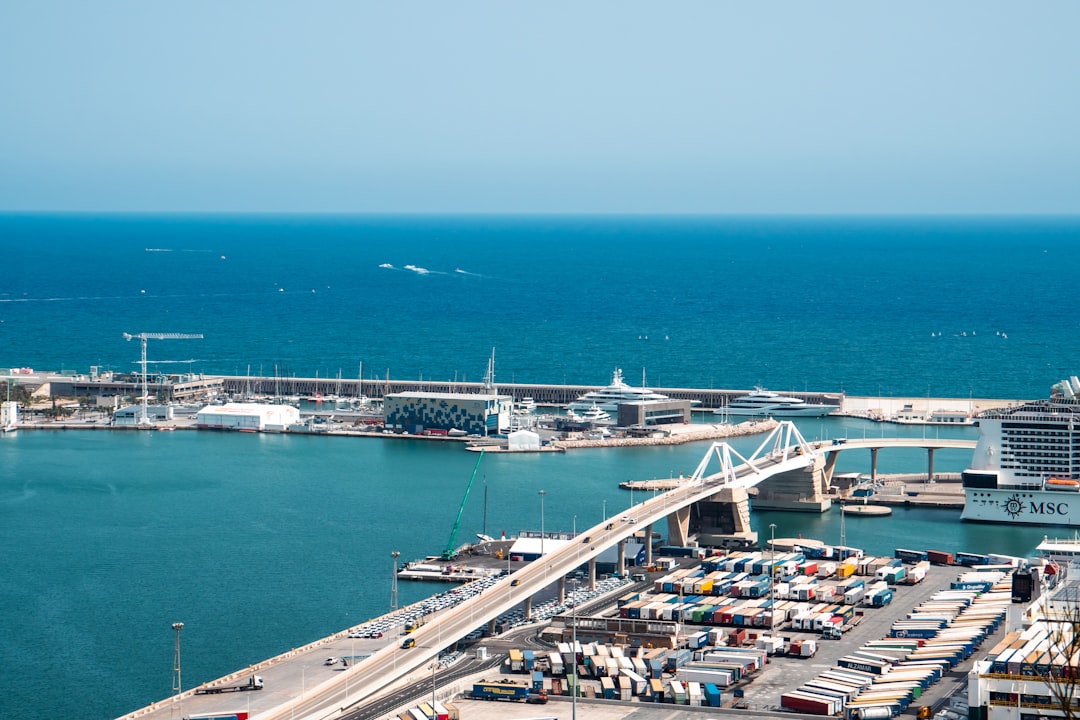
How can employers successfully navigate the complex recruitment for Hamad Port’s monumental Phase 3 expansion? This critical infrastructure project demands a specialized workforce with precise maritime construction and container terminal expertise. Furthermore, the GCC labor market presents unique regulatory and logistical challenges. Therefore, securing the right talent is paramount for project timelines and quality. This guide details the strategic Hamad Port infrastructure recruitment process for Phase 3 success.
Qatar’s Hamad Port stands as a cornerstone of the nation’s economic diversification and logistics supremacy. Phase 3 represents a significant scaling of its container handling and general cargo capabilities. Consequently, this expansion fuels demand for thousands of skilled infrastructure workers. Moreover, recruitment must align with Qatar’s stringent labor laws and vision for sustainable development. Employers must therefore adopt a meticulous, compliant approach to talent acquisition.
At Allianze HR Consultancy, we’ve successfully placed 10,000+ professionals across UAE, Saudi Arabia, Qatar, and Kuwait. Furthermore, our 5+ years of GCC expertise supports clients from 50+ countries. Moreover, our Ministry of External Affairs (India) RA license ensures compliance. Therefore, contact our recruitment specialists for expert guidance on your maritime construction staffing needs.
Understanding GCC Maritime Construction Labor Demands
Gulf Cooperation Council infrastructure projects operate at an unprecedented scale and pace. Specifically, mega-projects like Hamad Port Phase 3 require a blend of heavy civil and specialized marine construction skills. Additionally, the region competes globally for talent with container terminal operational knowledge. Consequently, understanding these specific skill sets is the first step for employers.
Typical roles in high demand include piling and dredging specialists, marine welders, and quay wall construction foremen. Furthermore, engineers with expertise in port planning, navigation channel design, and container yard logistics are essential. Moreover, safety officers certified in maritime construction environments are non-negotiable. Therefore, a targeted sourcing strategy is crucial for workforce deployment.
Regional considerations significantly impact recruitment planning. For instance, Qatar’s climate necessitates adaptations in work schedules and worker welfare provisions. Additionally, cultural sensitivity and language requirements play a key role in team integration. Employers must also navigate the International Labour Organization construction safety standards as a baseline. Ultimately, a deep understanding of these factors ensures a sustainable and productive workforce.
Hamad Port Infrastructure Recruitment Strategic Overview
A successful Hamad Port infrastructure recruitment strategy extends beyond simple hiring. It encompasses workforce planning, talent pipeline development, and compliance integration. First, project managers must conduct a detailed skills gap analysis for Phase 3’s specific scopes. Subsequently, this analysis informs the creation of precise job descriptions and competency frameworks.
Strategic partnerships with specialized agencies are invaluable. These partners provide access to pre-vetted talent pools with proven port project experience. Moreover, they manage the complexities of international mobilization and credential verification. For example, verifying certifications for crane operators or steel fixers working at height is critical. Therefore, choosing a partner with maritime sector expertise is a decisive factor.
The recruitment lifecycle for such projects is phased. Initially, it focuses on senior supervisory and engineering roles to establish project leadership. Next, the process scales to include skilled tradespeople and equipment operators. Finally, it addresses the requirements for semi-skilled support staff. This phased approach, aligned with World Bank infrastructure development best practices, ensures a smooth project ramp-up and optimal resource allocation.
Legal Framework and Compliance Standards in Qatar
Qatar’s labor law framework is robust and strictly enforced, particularly for large-scale projects. Compliance begins with the Qatar Ministry of Labour’s approval for workforce quotas and visa allocations. Additionally, employers must adhere to the Wage Protection System (WPS) to ensure timely salary payments. Furthermore, specific health and safety regulations under the Ministry of Public Health are mandatory.
Key documentation includes individual employment contracts in Arabic, medical fitness certificates, and housing permits. Moreover, all educational and professional certificates require attestation from relevant authorities. This process often involves verification in the country of origin and at Qatari embassies. Consequently, documentation preparation can be a lengthy phase in the staffing timeline.
Worker welfare standards are especially high. Regulations mandate adequate accommodation, catering, and transportation for workers. Additionally, projects must provide comprehensive healthcare access and insurance coverage. These standards align with global benchmarks from the World Health Organization workplace standards. Therefore, employers must budget and plan for these welfare provisions from the outset to ensure full legal compliance and worker satisfaction.
Hamad Port Infrastructure Recruitment Best Practices
Implementing best practices transforms the Hamad Port infrastructure recruitment challenge into a competitive advantage. First, adopt a competency-based interviewing approach focused on past port project experience. Specifically, ask candidates to detail their role in similar maritime construction or terminal upgrade projects. This method verifies practical expertise beyond theoretical knowledge.
Secondly, integrate comprehensive onboarding and orientation programs. These programs should cover project-specific safety protocols, cultural orientation, and company policies. Moreover, they must include familiarization with the unique aspects of working at Hamad Port. Consequently, effective onboarding reduces ramp-up time and enhances site safety dramatically.
Another critical practice is establishing clear communication channels with the recruitment partner. Regular updates on project milestones, changing manpower needs, and any site issues are essential. Furthermore, leveraging technology for candidate tracking and document management streamlines the entire process. Adhering to OSHA construction industry standards as a guideline, even internationally, demonstrates a commitment to excellence. Finally, building a talent pipeline for future phases ensures long-term project resilience.
Documentation and Processing Steps for Qatar
The documentation process for deploying workers to Qatar is meticulous and multi-stage. Initially, employers must obtain project-specific visa block approvals from the Ministry of Interior. Subsequently, each candidate requires a medical examination in their home country for preliminary clearance. Additionally, all professional and educational documents must be notarized and attested through a chain of authorities.
Key steps include contract signing under Qatari law, applying for the Qatar Visa (QP) online, and securing the mandatory Medical Insurance. Furthermore, upon arrival, workers undergo another medical test at a Qatari government-approved health center. Moreover, biometric data collection and Qatar ID (QID) application follow immediately. Each step has defined processing times and potential for delay.
Efficient handling of this process requires dedicated expertise. Common pitfalls include incomplete attestation chains, incorrect visa categories, or expired medical tests. Therefore, partnering with a consultancy that manages this end-to-end, like Allianze HR, mitigates risk. They ensure alignment with UAE construction sector employment and Qatari standards, facilitating smooth mobilization. Access our professional recruitment resources for detailed checklists.
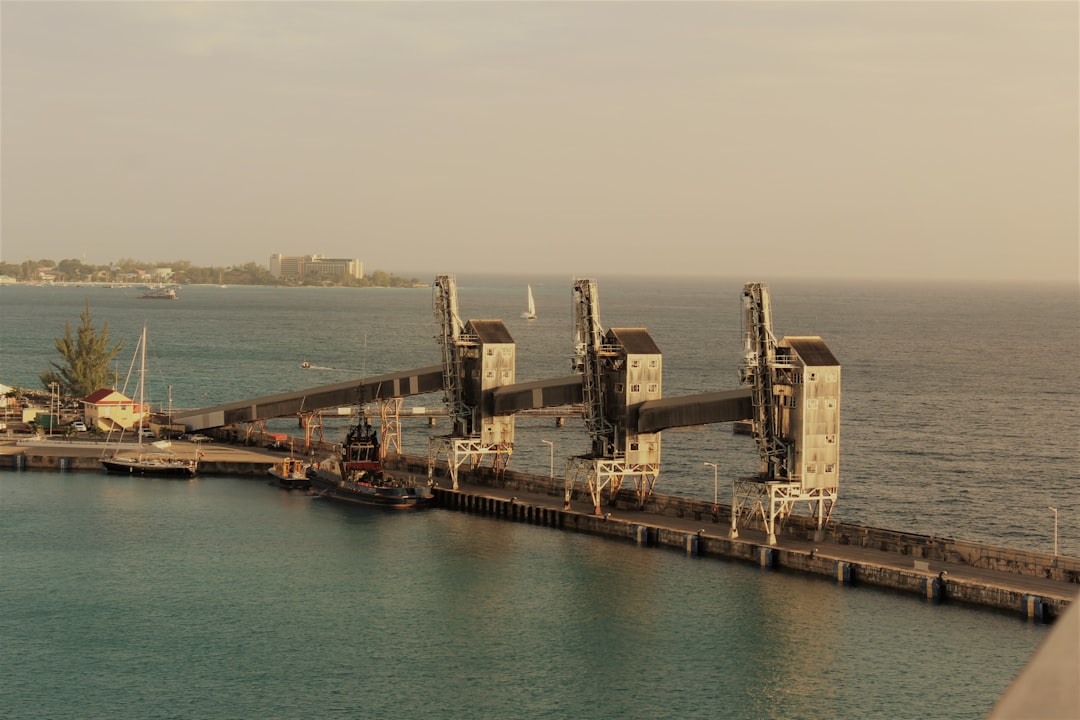
Hamad Port Infrastructure Recruitment Implementation Timeline
A realistic timeline is crucial for planning the Hamad Port infrastructure recruitment drive. Typically, the end-to-end process from job order to worker deployment spans 8 to 12 weeks. However, this duration depends on role complexity, source country, and documentation readiness. First, the sourcing and selection phase for specialized roles can take 3-4 weeks alone.
Following candidate selection, the documentation and pre-departure formalities require another 3-4 weeks. This period covers contract finalization, visa processing, and pre-departure medical checks. Subsequently, travel arrangements and initial onboarding add approximately one week. Therefore, project managers must integrate this lead time into their overall project schedule to avoid costly delays.
Several factors can accelerate or delay the timeline. For instance, having a pre-qualified talent pool significantly shortens the sourcing phase. Conversely, delays in document attestation or visa printing are common bottlenecks. Proactive planning, including using verified World Bank trade and logistics corridors for mobilization, helps manage expectations. Ultimately, clear communication between the employer, recruiter, and candidate ensures timeline adherence.
Common Challenges and Strategic Solutions
Recruiting for a mega-project like Hamad Port Phase 3 presents distinct challenges. Firstly, the intense competition for niche maritime skills can drive up costs and prolong vacancies. Secondly, the rigorous Qatari compliance framework can be daunting for first-time employers in the region. Thirdly, ensuring cultural integration and retention of skilled workers post-arrival is an ongoing concern.
Effective solutions begin with early engagement. Starting the recruitment process well before the actual need arises provides a competitive edge. Furthermore, offering transparent and competitive compensation packages, including clear end-of-service benefits, attracts top talent. Additionally, implementing robust pre-departure orientation programs manages expectations and reduces early attrition.
Partnering with an experienced GCC recruiter solves multiple challenges simultaneously. A good partner navigates the legal landscape, maintains ethical recruitment channels, and ensures worker rights. Moreover, they provide post-placement support to address any grievances swiftly. This holistic approach, grounded in International Labour Organization standards, builds a stable, productive workforce. Schedule a consultation appointment to develop a tailored solution for your project.
Expert Recommendations for Project Success
To ensure the success of your port infrastructure staffing initiative, follow these expert recommendations. First, treat recruitment as a strategic project function, not just an administrative task. Assign a dedicated project liaison to work with your HR or recruitment partner. This ensures alignment between site requirements and talent acquisition activities.
Secondly, invest in building a strong employer brand within the maritime construction community. Showcase your project’s significance, commitment to safety, and worker welfare standards. Furthermore, leverage digital platforms and industry networks to attract passive candidates. A strong reputation naturally draws higher-quality applicants.
Finally, adopt a data-driven approach to recruitment. Track metrics like time-to-fill, source quality, and retention rates. Analyzing this data helps refine your strategy continuously. Moreover, maintain flexibility to adapt to changing project scopes or unexpected market shifts. Building a resilient and skilled workforce is the ultimate foundation for delivering Hamad Port Phase 3 on time and to the highest standards of quality and safety.
Frequently Asked Questions About Hamad Port Infrastructure Recruitment
What is the timeline for Hamad Port infrastructure recruitment?
The complete timeline typically ranges from 8 to 12 weeks. This period covers sourcing, documentation, visa processing, and mobilization. Furthermore, specialized roles may require longer sourcing periods. Therefore, early planning is essential for Phase 3 project schedules.
What specific skills are needed for port Phase 3 construction?
Critical skills include marine piling, dredging, quay wall construction, and container handling systems installation. Additionally, expertise in port IT systems, logistics planning, and maritime safety management is highly sought after. Moreover, experience with mega-project protocols is a significant advantage.
How does Qatar’s labor law affect recruitment contracts?
Qatari law mandates that employment contracts be in Arabic and include specific clauses on wages, working hours, and termination. Furthermore, they must comply with the Wage Protection System. Additionally, contracts must outline provided accommodation and transportation. Legal review is crucial before signing.
What are the key worker welfare requirements in Qatar?
Mandatory requirements include safe and hygienic accommodation, regulated working hours with rest periods, and provision of medical insurance. Furthermore, employers must ensure access to healthcare and provide appropriate safety gear. Compliance is monitored regularly by government authorities.
Can Allianze HR source talent for specialized maritime roles?
Yes. Our extensive network across South Asia and the GCC includes specialized talent pools for maritime construction. We have a proven track record of placing dredge masters, marine engineers, port planners, and container terminal operators for major infrastructure projects.
What makes Hamad Port Phase 3 recruitment unique?
Its uniqueness lies in the scale, the integration of advanced automation, and the concurrent execution of multiple complex work packages. Recruitment must therefore find talent that blends traditional heavy construction skills with modern terminal technology and systems integration expertise.
Partner with Allianze HR for Maritime Recruitment Success
Successfully executing Hamad Port infrastructure recruitment for Phase 3 requires a blend of sector expertise, regional knowledge, and meticulous process management. From understanding the specific skill demands to navigating Qatar’s compliance landscape, each step is critical. Furthermore, adopting strategic best practices ensures you build a capable, compliant, and committed workforce. This workforce will be instrumental in realizing Qatar’s vision for a world-class logistics hub.
Allianze HR Consultancy provides the end-to-end support necessary for this complex undertaking. Our dedicated team manages everything from talent sourcing and competency verification to document attestation and mobilization. Moreover, our commitment to ethical recruitment and worker welfare ensures sustainable success and positive project outcomes. We transform the staffing challenge into a strategic advantage for your project.
Do not let manpower shortages risk your project timeline or budget. Partner with experts who understand the intricacies of GCC infrastructure recruitment. Take the first step towards securing your specialized workforce today. Contact our HR specialists for a detailed consultation and discover how we can support your Hamad Port Phase 3 staffing goals with efficiency and excellence.