


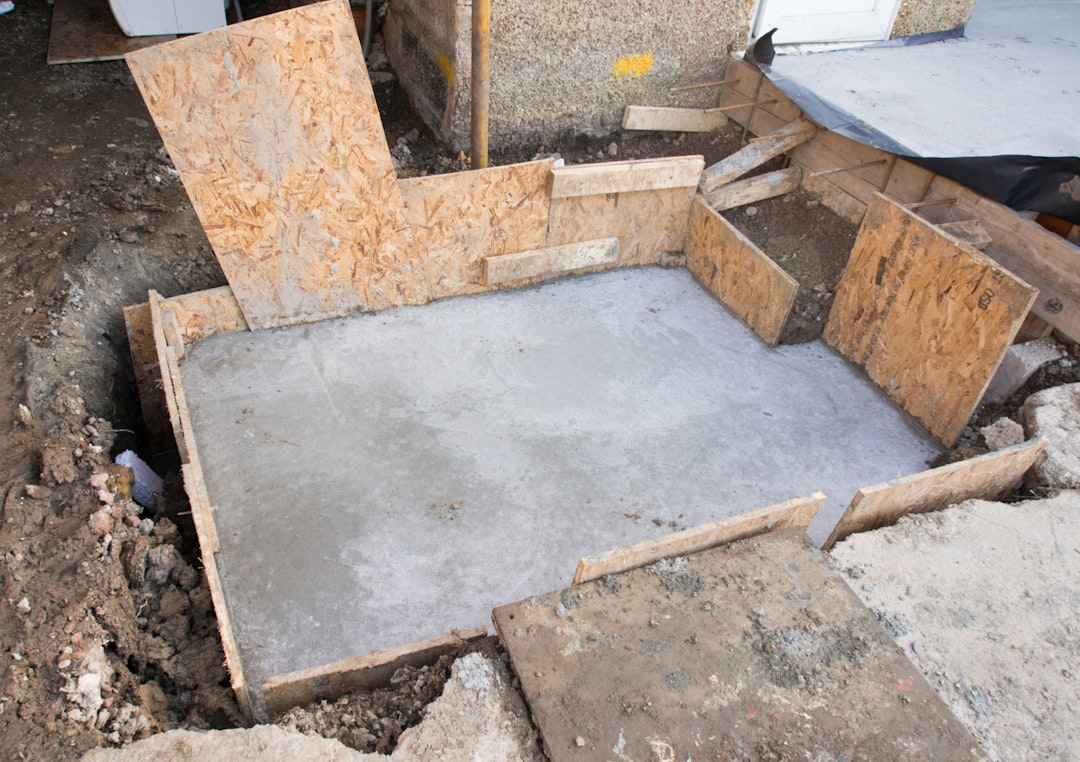
How can you secure the specialized workforce needed for the UAE’s monumental construction projects? The nation’s skyline, built on ambitious foundations, demands a specific caliber of skilled labor. Consequently, recruiting concrete pourers for UAE foundations presents a unique challenge. This process requires deep expertise in mass concrete operations and pump technology. Therefore, understanding the strategic recruitment of these essential workers is critical for project success and compliance.
The UAE construction sector continues to expand with mega-projects and infrastructure development. Furthermore, large-scale foundations for towers, bridges, and industrial plants require continuous, high-volume concrete placement. This specialized task goes beyond basic labor. It demands workers with proven experience in mass pours, temperature control, and sophisticated pump operation. Moreover, GCC labor regulations add layers of complexity to the hiring process. Thus, a strategic approach to talent acquisition is non-negotiable.
At Allianze HR Consultancy, we’ve successfully placed 10,000+ professionals across UAE, Saudi Arabia, Qatar, and Kuwait. Furthermore, our 5+ years of GCC expertise supports clients from 50+ countries. Our team specializes in sourcing and deploying skilled construction personnel for critical foundation work. Moreover, our Ministry of External Affairs (India) RA license ensures full compliance with international recruitment standards. Therefore, contact our recruitment specialists for expert guidance on building your project’s workforce from the ground up.
Understanding GCC Mass Concrete Placement Demands
Large-scale foundation work in the Gulf region involves unique technical and environmental challenges. The extreme heat significantly impacts concrete curing and structural integrity. Therefore, specialized knowledge in mix design and placement timing is essential. Additionally, projects often involve deep excavations and complex formwork. Consequently, workers must adapt to stringent safety protocols in challenging conditions.
Furthermore, the scale of UAE developments necessitates continuous pour operations. These operations can last for dozens of hours without interruption. This requires not only physical endurance but also meticulous coordination. Teams must manage concrete delivery, pump positioning, and vibration processes seamlessly. Moreover, understanding the logistics of batching plant coordination is a key skill. Ultimately, the quality of the foundation pour dictates the lifetime of the entire structure.
- Expertise in heat mitigation techniques for concrete curing.
- Experience with deep foundation formwork and reinforcement.
- Ability to execute continuous pours exceeding 24 hours.
- Knowledge of concrete mix designs for marine or harsh environments.
- Strict adherence to OSHA construction industry standards for safety.
- Coordination with batching plants and delivery truck fleets.
Concrete Pourers UAE Foundations Strategic Overview
Strategic recruitment for concrete pourers UAE foundations requires a multi-faceted approach. First, employers must define the specific technical competencies needed. These include boom pump operation, line pump handling, and vibrator application. Second, verifying hands-on experience with similar project scales is crucial. Not all concrete workers possess mass pour expertise. Therefore, targeted sourcing from regions with a history of mega-construction is advantageous.
Moreover, a successful strategy integrates workforce planning with project timelines. Foundation stages often have narrow, critical windows for concrete placement. Delays in manpower mobilization can cause costly project setbacks. Additionally, considering team dynamics is vital. Effective mass concrete placement relies on crews that work cohesively under pressure. Consequently, recruiting established teams can be more beneficial than hiring individuals separately.
- Define required pump operation certifications (boom, line, stationary).
- Source candidates with verifiable mega-project experience.
- Align recruitment drives with critical project pour schedules.
- Consider recruiting pre-formed, experienced work crews.
- Integrate training on specific project mix designs and methods.
- Plan for workforce scalability across multiple project phases.
Legal Framework and Compliance Standards
Navigating the legal landscape for construction recruitment in the UAE is paramount. All recruitment must comply with Federal Decree-Law No. 33 of 2021. This law governs labor relations and outlines employer obligations clearly. Furthermore, the UAE construction sector employment guidelines mandate specific worker protections. These include suitable accommodation, safety equipment, and timely wage payments.
Additionally, visa sponsorship under the Ministry of Human Resources and Emiratisation (MOHRE) is mandatory. The process involves quota approvals, work permit issuance, and medical fitness testing. Moreover, adherence to International Labour Organization construction safety principles is a global best practice. Employers must also provide insurance under the UAE’s Workers’ Protection Programme. Consequently, partnering with a licensed recruiter ensures every step meets regulatory scrutiny.
- Full compliance with UAE Labor Law (Federal Decree-Law No. 33).
- Valid MOHRE work permits and visa sponsorship for all workers.
- Mandatory medical insurance and Workers’ Protection Programme enrollment.
- Contract attestation by the Ministry of Foreign Affairs.
- Adherence to World Health Organization workplace standards for health.
- Clear employment contracts in languages understood by the worker.
Concrete Pourers UAE Foundations Best Practices
Implementing best practices for hiring concrete pourers UAE foundations ensures quality and reliability. First, conduct rigorous practical skill assessments. Simulating a pump setup or pour sequence can reveal true competency. Second, prioritize candidates with certifications from recognized bodies. These may include equipment manufacturer training or safety diplomas. Furthermore, verifying past project references is non-negotiable. Contacting former supervisors confirms experience and work ethic.
Moreover, a comprehensive onboarding process is a critical best practice. This includes site-specific safety inductions, concrete mix briefings, and emergency procedure training. Additionally, fostering a culture of safety and quality from day one reduces risk. Providing clear communication channels for workers to report issues is also essential. Consequently, these practices build a skilled, safe, and productive workforce dedicated to foundational excellence.
- Implement hands-on skill tests for pump operation and vibration.
- Require and verify industry-recognized training certifications.
- Perform thorough reference checks on previous mega-projects.
- Develop a project-specific onboarding and induction program.
- Establish clear quality control and safety reporting protocols.
- Provide continuous skills training aligned with new technologies.
Documentation and Processing Steps
The documentation process for recruiting skilled construction workers is detailed. Initially, employers must secure MOHRE approval for the required number of visas. Subsequently, the candidate’s passport, photographs, and attested educational/training certificates are collected. Furthermore, a standardized employment contract must be signed and attested by MOHRE. This contract outlines job role, salary, working hours, and benefits explicitly. Additionally, pre-deployment medical screening for infectious diseases is mandatory.
Next, the work permit and entry visa are processed. Upon arrival, workers undergo a second medical test for fitness to work. Subsequently, their residency visa and Emirates ID are finalized. Moreover, all documents should be organized in individual employee files for compliance audits. Finally, orientation on company policies and UAE law is conducted. Therefore, meticulous document management prevents legal issues and ensures smooth mobilization. For detailed checklists, explore our professional recruitment resources.
- MOHRE quota approval and initial work permit application.
- Collection and attestation of candidate credentials and passport.
- Preparation and MOHRE attestation of the employment contract.
- Medical fitness screening in country of origin and upon UAE arrival.
- Processing of entry permit, residency visa, and Emirates ID.
- Maintenance of a complete, audit-ready employee file.
Concrete Pourers UAE Foundations Implementation Timeline
A realistic timeline for mobilizing concrete pourers UAE foundations is typically 6 to 10 weeks. The first phase involves sourcing and screening, which can take 2-3 weeks. This includes advertising, interviewing, and practical assessments. Subsequently, the documentation and visa processing phase begins. MOHRE approvals and attestations can require 2-3 weeks, depending on application volumes. Moreover, medical testing and report issuance add another 1-2 weeks to the schedule.
Furthermore, travel arrangements and mobilization logistics require careful planning. Finally, the post-arrival orientation and site-specific training are crucial final steps. Importantly, timelines can extend due to public holidays or regulatory changes. Therefore, building buffer time into the project plan is a wise strategy. Consequently, early engagement with a recruitment partner is the most effective way to meet critical pour dates. To initiate the process, schedule consultation appointment with our team.
- Weeks 1-3: Candidate sourcing, screening, and selection.
- Weeks 3-6: Document collection, attestation, and visa processing.
- Weeks 6-7: Medical examinations and final travel arrangements.
- Week 8: Deployment to the UAE and biometric processing.
- Week 9: Project-site induction and safety training.
- Continuous: Monitoring performance and regulatory compliance.
Common Challenges and Solutions
Recruiters and employers face several common challenges in this niche field. First, a genuine shortage of workers with verified mass pour experience exists. The solution involves tapping into specialized talent networks in proven source markets. Second, high turnover after arrival can disrupt project continuity. Mitigating this requires transparent communication about job conditions and fostering a respectful work environment.
Another significant challenge is navigating frequent regulatory updates. Partnering with a local HR consultancy provides real-time compliance updates. Additionally, equipment-specific skill gaps may emerge. Implementing on-site, certified training programs bridges this gap effectively. Moreover, logistical delays in visa processing can derail timelines. Proactive document preparation and using expedited channels where possible are key solutions. Understanding these challenges, as highlighted in World Bank infrastructure development reports, is the first step to overcoming them.
- Challenge: Scarcity of proven mass concrete experience. Solution: Leverage regional recruiters with specialized construction networks.
- Challenge: Post-arrival attrition. Solution: Ensure realistic job previews and fair working conditions.
- Challenge: Evolving labor regulations. Solution: Work with licensed partners for compliance assurance.
- Challenge: Skill mismatch with specific pump technology. Solution: Invest in targeted, on-site operator training.
- Challenge: Visa processing delays. Solution: Begin the process early and maintain complete document sets.
Expert Recommendations for Success
For guaranteed success in hiring for large-scale foundations, follow these expert recommendations. First, invest in building long-term relationships with a skilled workforce. This creates a reliable talent pool for future projects. Second, integrate technology into the recruitment process. Use video interviews and digital credential verification to speed up initial screening. Furthermore, prioritize safety culture as much as technical skill. Workers who value safety contribute to fewer incidents and higher quality.
Moreover, consider the total value of the hire, not just the cost. A highly skilled team completes work faster and with less rework. This provides a better return on investment despite potentially higher wages. Additionally, maintain open communication channels with your recruitment partner. Regular updates ensure alignment and proactive problem-solving. Finally, view your workforce as a strategic asset. Their expertise is the literal foundation of your project’s success and your company’s reputation in the competitive GCC market.
- Develop a retained talent pool for recurring project needs.
- Utilize digital tools for efficient remote candidate assessment.
- Make safety certification and mindset a primary hiring criterion.
- Evaluate the total cost of quality and productivity, not just salary.
- Establish a transparent, collaborative partnership with your recruiter.
- View skilled concrete workers as long-term strategic partners.
Frequently Asked Questions About Concrete Pourers UAE Foundations
What is the timeline for concrete pourers UAE foundations recruitment?
The complete timeline typically ranges from 6 to 10 weeks. This period covers sourcing, documentation, visa processing, and mobilization. Furthermore, project-specific requirements can affect duration. Therefore, consult our specialists for a precise schedule aligned with your pour dates.
What specific skills are needed for mass concrete foundation work?
Essential skills include boom and line pump operation, concrete vibration techniques, and understanding of pour sequences. Additionally, experience with temperature control, curing methods, and reading pour plans is critical. Moreover, teamwork and safety compliance are indispensable for large-scale operations.
How do you verify a candidate’s experience with large-scale pours?
Verification involves checking detailed project references, including supervisor contacts. Furthermore, reviewing certificates from specific projects or training is key. Additionally, practical assessments that simulate site conditions effectively demonstrate hands-on capability and problem-solving skills.
What are the key compliance risks when hiring foundation workers?
Major risks include invalid work permits, un attested contracts, and inadequate insurance coverage. Additionally, non-compliance with International Labour Organization standards can lead to penalties. Moreover, failing to provide mandated safety equipment or suitable accommodation violates UAE law.
Can Allianze HR source entire crews with pump operators?
Yes, we specialize in mobilizing pre-formed, experienced work crews. This includes concrete pourers, pump operators, vibrator operators, and foremen. Furthermore, recruiting established teams enhances coordination and productivity from the first day on your foundation site.
What post-arrival support does Allianze provide?
Our support includes airport pickup, accommodation coordination, and government processing assistance. Furthermore, we facilitate site inductions and remain a point of contact for both employer and employee. Moreover, we conduct periodic welfare checks to ensure smooth integration and address any concerns promptly.
Partner with Allianze HR for Foundation Workforce Success
Building the UAE’s future requires a workforce as solid as the foundations they pour. This guide has outlined the strategic, compliance, and practical dimensions of recruiting specialized concrete teams. From understanding technical demands to navigating the legal framework, each step is crucial. Furthermore, the success of your mass concrete operations hinges on the expertise and reliability of your personnel. Therefore, a meticulous approach to talent acquisition is your best investment.
Allianze HR Consultancy provides the end-to-end expertise needed for this critical recruitment. Our deep networks in key talent markets connect you with verified