


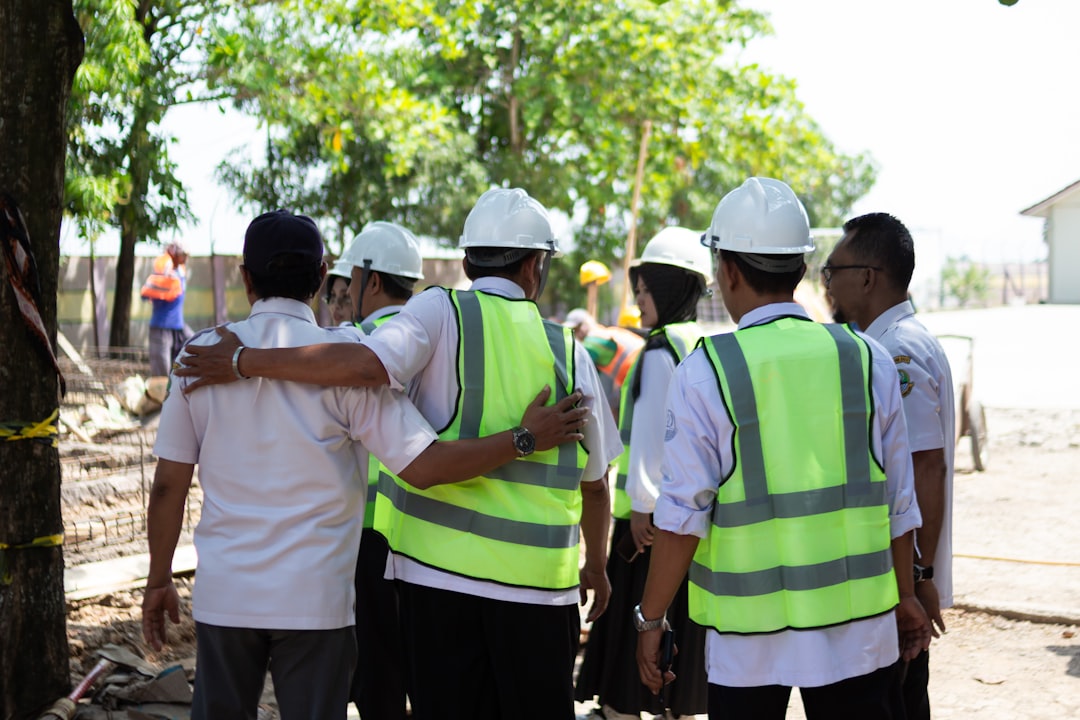
How do you effectively lead and coordinate a construction workforce of fifty or more? Furthermore, the GCC’s rapid infrastructure development demands exceptional site leadership. Consequently, managing large teams requires specialized skills beyond basic supervision. Therefore, mastering site supervisors team management is critical for project success, safety, and profitability in the region’s competitive market.
The construction landscape across the Gulf is uniquely complex. Mega-projects in Saudi Arabia, UAE, and Qatar involve diverse trades and tight deadlines. Moreover, cultural and linguistic diversity within large crews adds another layer of challenge. Additionally, strict GCC labor laws and safety protocols necessitate vigilant, knowledgeable leadership. Thus, the role of a site supervisor transforms into one of strategic coordination and people management.
At Allianze HR Consultancy, we’ve successfully placed 10,000+ professionals across UAE, Saudi Arabia, Qatar, and Kuwait. Furthermore, our 5+ years of GCC expertise supports clients from 50+ countries. Moreover, our Ministry of External Affairs (India) RA license ensures compliance. Therefore, contact our recruitment specialists for expert guidance in securing top-tier supervisory talent for your major projects.
Understanding GCC Construction Leadership Demands
GCC construction projects operate on an unprecedented scale. Consequently, leadership requirements differ significantly from other markets. Supervisors must navigate extreme climates, complex supply chains, and multinational teams. Additionally, they must ensure adherence to both international best practices and local Emiratization or Saudization policies.
Furthermore, project timelines are often accelerated. Therefore, supervisors need exceptional logistical and planning skills. They must coordinate concrete pours, steel erection, and MEP installations simultaneously. Moreover, maintaining morale and productivity across a vast, temporary workforce is a constant challenge. Effective communication bridges language gaps and aligns team objectives.
- Multinational crew coordination across languages and cultures.
- Strict enforcement of OSHA construction industry standards and local safety codes.
- Management of work permits, accommodations, and welfare for 50+ workers.
- Real-time problem-solving for material delays and logistical bottlenecks.
- Integration of digital tools for progress tracking and reporting.
Finally, a deep understanding of local business etiquette and regulatory bodies is non-negotiable. Supervisors act as the crucial link between project management and the frontline workforce.
Site Supervisors Team Management Strategic Overview
Strategic site supervisors team management moves beyond daily task assignment. It involves creating systems for efficiency, safety, and quality at scale. First, defining clear reporting structures is essential. Span of control dictates that supervisors need foremen or lead hands to maintain effective oversight. This hierarchical structure ensures communication flows efficiently up and down the chain.
Secondly, implementing standardized processes is vital. Consequently, daily briefings, toolbox talks, and weekly planning meetings become institutionalized. Moreover, digital dashboards can provide real-time insights into manpower deployment and productivity metrics. Additionally, proactive risk assessment prevents minor issues from escalating into major delays.
- Develop a clear organizational chart with defined roles for foremen.
- Establish daily productivity targets and communication protocols.
- Implement a digital system for attendance, task tracking, and incident reporting.
- Create a rotation schedule for skilled trades to avoid bottlenecks.
- Plan for scalable workforce adjustments based on project phases.
Therefore, the strategic supervisor acts as a conductor. They synchronize multiple trades to perform in harmony, ensuring the project symphony stays on schedule and within budget.
Legal Framework and Compliance Standards
Navigating the GCC’s legal landscape is a core supervisory responsibility. Compliance protects the company from fines and project stoppages. Firstly, supervisors must ensure all workers hold valid visas and work permits. They must also verify that accommodations meet the standards set by local ministries of labor and human resources.
Furthermore, workplace safety is governed by stringent regulations. Supervisors are directly accountable for enforcing these rules. This includes providing proper PPE, conducting regular safety audits, and ensuring all equipment certifications are current. Moreover, understanding wage protection systems and timely salary disbursement is crucial for maintaining labor stability.
- Adherence to International Labour Organization construction safety principles.
- Compliance with UAE’s construction sector employment or Saudi’s Qiwa platform requirements.
- Implementation of World Health Organization workplace standards for health and welfare.
- Management of working hours, overtime, and mandatory rest periods as per local law.
- Proper documentation of all incidents, inspections, and worker trainings.
Consequently, a successful supervisor is also a compliance officer. They embed legal and ethical standards into the daily site culture.
Site Supervisors Team Management Best Practices
Implementing proven best practices transforms chaotic large-scale sites into models of efficiency. Effective site supervisors team management starts with meticulous planning. Before workers arrive, the supervisor should have a detailed phasing plan and resource-loaded schedule. This foresight prevents congestion and idle time.
Secondly, invest in training and empowerment. Skilled foremen who can make on-the-spot decisions are force multipliers. Additionally, regular, transparent communication builds trust and pre-empts grievances. Furthermore, leveraging technology for daily reporting provides data-driven insights for continuous improvement.
- Conduct structured morning huddles to set clear daily objectives for each trade group.
- Use visual management tools like progress boards and site maps visible to all.
- Implement a “see something, say something” safety culture empowered at all levels.
- Recognize and reward teams for meeting safety and quality milestones.
- Hold weekly coordination meetings with subcontractor leads to synchronize activities.
Moreover, fostering a respectful and inclusive site culture is not just ethical; it’s practical. High morale directly correlates with higher productivity and lower turnover. Therefore, the supervisor’s attitude sets the tone for the entire workforce.
Documentation and Processing Steps
Robust documentation is the backbone of managing large teams. It provides accountability, traceability, and legal protection. Firstly, maintain comprehensive personnel files for every worker. These files should include contracts, visa copies, training certificates, and medical records. Secondly, daily reports are non-negotiable. These should cover manpower counts, work completed, materials received, safety observations, and incidents.
Furthermore, procurement and inventory logs prevent theft and ensure materials are available when needed. Additionally, quality inspection reports and sign-offs for each work stage are critical. This paperwork creates a clear audit trail. Moreover, digital cloud-based systems ensure this information is accessible to project managers and clients in real time.
- Digital time and attendance tracking with biometric systems.
- Cloud-based daily diary and progress photo logs.
- Centralized repository for method statements, risk assessments, and permits to work.
- Automated alerts for expiring documents like equipment certifications or worker visas.
- Formal handover documentation for completed work packages.
Consequently, a disciplined approach to paperwork saves immense time during disputes, claims, and final project closeout. It turns management from reactive to proactive.

Site Supervisors Team Management Implementation Timeline
A structured timeline is vital for implementing effective site supervisors team management. The process begins long before the first worker mobilizes. Month one involves recruitment and planning. This includes hiring the supervisor, developing detailed micro-schedules, and setting up site logistics and welfare facilities.
Months two and three focus on mobilization and system establishment. The supervisor recruits or identifies foremen, conducts intensive inductions, and rolls out all communication and reporting systems. Furthermore, the first month on site is dedicated to training the crew on established processes and building team cohesion.
- Weeks 1-4: Supervisor recruitment, detailed activity planning, and logistics setup.
- Weeks 5-8: Foreman selection, workforce mobilization, and comprehensive site induction.
- Weeks 9-12: Full system implementation, process refinement, and baseline productivity measurement.
- Ongoing: Weekly review cycles, continuous training, and quarterly performance audits.
- Project Close: Demobilization planning, performance documentation, and lessons-learned analysis.
Therefore, successful management is a phased journey. Rushing the setup phase leads to systemic failures later. Patience and thoroughness in the initial timeline pay exponential dividends during peak construction.
Common Challenges and Solutions
Even experienced supervisors face significant hurdles with large teams. Communication breakdown is the most frequent issue. Solutions include employing multilingual foremen, using pictogram-based safety signs, and holding briefings in multiple languages. Secondly, material delays can idle dozens of workers. Proactive supervisors mitigate this by maintaining buffer stock and having contingency task lists ready.
Another major challenge is maintaining consistent quality across a dispersed workforce. Implementing peer-check systems and random spot-inspections by foremen helps. Additionally, workforce attrition can disrupt workflow. Offering skill development and clear career paths improves retention. Moreover, cultural friction sometimes arises in diverse teams. Promoting mutual respect through team-building activities fosters a harmonious site environment.
- Challenge: High absenteeism. Solution: Link attendance to performance bonuses and investigate welfare issues.
- Challenge: Safety compliance fatigue. Solution: Rotate safety leadership roles among crews and introduce gamification.
- Challenge: Subcontractor coordination failures. Solution: Hold joint planning sessions and use integrated scheduling software.
- Challenge: Productivity plateaus. Solution: Analyze workflow for bottlenecks and re-deploy resources dynamically.
Ultimately, anticipating these challenges and having prepared strategies is what separates adequate supervisors from exceptional ones. For more insights, explore our professional recruitment resources.
Expert Recommendations for Success
To excel in large-team supervision, embrace continuous learning. Firstly, pursue certifications in advanced project management or lean construction. Secondly, develop financial acumen to understand the cost impact of daily decisions. Moreover, build emotional intelligence to lead with empathy and authority. This skill is crucial for resolving conflicts and motivating teams under pressure.
Furthermore, cultivate a strong network with other supervisors and industry professionals. Additionally, stay updated on new technologies like drones for site surveying or wearable tech for safety monitoring. Finally, never compromise on safety or ethics for speed. The long-term reputation and legal standing of your company depend on this integrity.
- Invest in leadership training programs focused on multicultural team dynamics.
- Delegate effectively to develop your foremen into future supervisors.
- Use data from your reports to make informed decisions, not just intuition.
- Build a relationship with local labor authorities and ministry inspectors.
- Prioritize worker welfare; a healthy, respected team is a productive team.
Consequently, the most successful supervisors are those who view their role as strategic. They contribute directly to the project’s bottom line and the company’s legacy in the region. For a tailored strategy, schedule consultation appointment with our experts.
Frequently Asked Questions About Site Supervisors Team Management
What is the timeline for effective site supervisors team management setup?
Establishing robust management systems typically takes 8-12 weeks. Furthermore, the first month involves intensive planning and recruitment. Subsequently, the next two months focus on workforce mobilization and process implementation. Therefore, early engagement with recruitment partners is crucial for timeline success.
What key skills should we prioritize when recruiting a supervisor for a large team?
Prioritize proven experience managing 50+ workers, fluency in multiple languages, deep GCC construction knowledge, and strong digital literacy. Additionally, look for certifications in safety management and a track record of maintaining high morale and low turnover on previous projects.
How can supervisors improve trade coordination on congested sites?
Implement detailed integrated master schedules with input from all subcontractors. Furthermore, use daily coordination meetings and shared digital platforms for real-time updates. Moreover, physically zoning the site and scheduling trades sequentially in high-conflict areas prevents clashes and improves workflow.
What are the biggest compliance risks for large crews in the GCC?
Major risks include expired work permits, inadequate accommodation standards, violation of working hour regulations, and lapses in safety protocol enforcement. Additionally, improper wage payment can lead to severe penalties. Consequently, continuous monitoring and a proactive compliance checklist are essential.
How does technology aid in managing large construction teams?
Technology provides tools for biometric attendance, task management apps, drone-based progress monitoring, and cloud-based reporting. Furthermore, Building Information Modeling (BIM) coordination helps visualize trade interfaces. These tools give supervisors real-time data to make informed decisions and preempt issues.
Why is partnering with a specialized recruiter like Allianze HR important?
We provide access to a pre-vetted network of supervisors with proven GCC experience. Moreover, we ensure all placements meet compliance standards, reducing your legal risk. Additionally, our understanding of World Bank infrastructure development trends helps us identify forward-thinking leaders.
Partner with Allianze HR for Leadership Success
Mastering site supervisors team management is the cornerstone of delivering GCC megaprojects on time and within budget. This guide has outlined the strategic, compliance, and practical dimensions of this critical role. From implementing best practices to navigating complex legal frameworks, the right leadership makes all the difference. Furthermore, the challenges of scale demand a proactive and systematic approach.
Therefore, securing a supervisor with the perfect blend of technical skill and leadership acumen is your most crucial hiring decision. At Allianze HR, we specialize in connecting GCC employers with elite supervisory talent. Our rigorous process evaluates not just experience, but also cultural fit and strategic vision. Moreover, our end-to-end support ensures a smooth transition and long-term placement success.
Do not leave your project’s success to chance. Invest in leadership that can harness the full potential of your workforce. Contact our HR specialists today to begin your search for a site supervisor who can transform your large-team challenges into measurable achievements. Let us help you build a legacy of excellence, one well-led team at a time.