



Are you struggling to find qualified roofing crews for your GCC construction projects? The region’s booming real estate and infrastructure sectors demand specialized talent. Consequently, securing skilled roofers for commercial and residential roofing is a critical challenge. This guide provides a strategic framework for successful roofers commercial residential roofing recruitment. Moreover, it addresses the unique demands of flat and pitched roof installations with waterproofing expertise.
The Gulf construction landscape features diverse architectural styles and harsh climatic conditions. Therefore, roofing professionals must possess specific technical skills and regional experience. From towering commercial complexes to expansive residential communities, every project requires reliable waterproofing and structural integrity. Furthermore, GCC labor regulations add complexity to the hiring process. Understanding these nuances is essential for project timelines, budgets, and compliance.
At Allianze HR Consultancy, we’ve successfully placed 10,000+ professionals across UAE, Saudi Arabia, Qatar, and Kuwait. Furthermore, our 5+ years of GCC expertise supports clients from 50+ countries. Moreover, our Ministry of External Affairs (India) RA license ensures compliance. Therefore, contact our recruitment specialists for expert guidance on building your ideal roofing team.
Understanding GCC Roofing Crew Requirements
GCC construction projects present unique environmental and technical challenges. Intense sun, sandstorms, and occasional heavy rains test every roofing system. Consequently, employers need crews with proven experience in these conditions. Additionally, commercial projects often involve large-scale flat roofs with complex membrane systems. Conversely, residential villas typically feature intricate pitched or tiled roofs.
Therefore, defining precise job roles is the first step. Key positions include roofing foremen, membrane installers, sheet metal workers, and general roofing laborers. Each role requires specific certifications and hands-on experience. For example, waterproofing membrane expertise is non-negotiable for commercial projects. Similarly, knowledge of tile fixing and timberwork is vital for residential pitched roofs.
Furthermore, safety standards are paramount. The International Labour Organization construction safety guidelines emphasize fall protection and hazard communication. Moreover, local regulations, such as those from the OSHA construction industry standards, must be strictly followed. Employers must verify candidates’ safety training records. This ensures a secure worksite and regulatory compliance.
- Foremen with 5+ years of GCC project leadership.
- Certified waterproofing membrane technicians for flat roofs.
- Skilled carpenters and tilers for pitched residential roofs.
- Laborers with valid safety training certificates (e.g., IOSH, NEBOSH).
- Familiarity with materials like TPO, PVC, EPDM, and modified bitumen.
- Ability to read technical drawings and execute installation plans.
Roofers Commercial Residential Roofing Strategic Overview
A successful roofers commercial residential roofing recruitment strategy balances immediate needs with long-term project pipelines. First, conduct a thorough skills gap analysis for your upcoming projects. This identifies whether you need commercial membrane specialists or residential slate experts. Next, develop detailed job descriptions that specify roof types, materials, and required certifications.
Moreover, sourcing talent requires a multi-channel approach. Specialized recruitment agencies with construction networks are highly effective. Additionally, technical trade tests are crucial for assessing practical skills. For instance, a membrane welding test or a tile-cutting assessment reveals true competency. Furthermore, consider the crew’s ability to work as a cohesive unit. Team dynamics significantly impact on-site productivity and safety.
Compensation and benefits must align with GCC market standards. Competitive packages include housing, transportation, and end-of-service benefits. Also, clear career progression paths help retain top talent. Therefore, structuring your offer requires local market intelligence. Partnering with an experienced recruiter provides this insight. They ensure your offers attract the best candidates without exceeding budget constraints.
Legal Framework and Compliance Standards
Navigating GCC labor laws is essential for compliant roofing crew deployment. Each country has distinct visa sponsorship, contract, and worker protection regulations. For example, the UAE construction sector employment rules mandate specific accommodations and safety provisions. Similarly, Saudi Arabia’s Ministry of Labor regulations enforce wage protection systems.
Furthermore, proper documentation prevents legal complications. Employment contracts must be clear, bilingual, and attested by relevant authorities. Additionally, work permits and trade licenses must authorize roofing activities. Medical fitness certificates are also mandatory for all construction workers. Moreover, adhering to International Labour Organization standards ensures ethical recruitment practices.
Non-compliance risks severe penalties, including fines and project stoppages. Therefore, employers must stay updated on regulatory changes. For instance, recent updates in Qatar and Kuwait have enhanced worker welfare requirements. Consequently, a proactive compliance strategy is not optional. It is a fundamental aspect of sustainable business operations in the Gulf region.
- Secure correct visa categories (e.g., construction or technician visa).
- Attest employment contracts and educational certificates.
- Provide mandatory health insurance as per local law.
- Ensure worksite complies with local civil defense and municipality codes.
- Maintain accurate timesheets and wage payment records.
- Implement grievance redressal mechanisms for workers.
Roofers Commercial Residential Roofing Best Practices
Implementing industry best practices transforms your roofers commercial residential roofing recruitment from transactional to strategic. First, establish a rigorous pre-screening process. This includes verifying past project portfolios and checking references from previous GCC employers. Specifically, ask about experience with similar roof types and materials.
Second, invest in structured onboarding. New crew members must understand your company’s safety protocols and quality standards. Additionally, brief them on the specific project’s drawings and client expectations. Furthermore, continuous skills development is key. Encourage certifications in advanced waterproofing systems or new installation techniques. This investment boosts quality and crew retention.
Third, foster a culture of safety and quality. Regular toolbox talks and safety audits prevent accidents. Moreover, implementing a quality inspection checklist for each roofing stage ensures defects are caught early. Consequently, this reduces costly rework and protects your firm’s reputation. These practices, supported by strong leadership, build a high-performance roofing team.
Documentation and Processing Steps
Efficient documentation processing accelerates crew mobilization. The process begins with collecting candidate credentials. These include passports, vocational training certificates, and experience letters. Next, these documents require attestation from the home country’s embassy and the GCC country’s foreign ministry. This step verifies their authenticity.
Subsequently, the employer applies for work permit approval from the local Ministry of Labor or equivalent. Following approval, the entry visa is issued. Then, the worker travels to the GCC country for medical screening and biometrics. Finally, the residence visa and Emirates ID (or local equivalent) are processed. Each step demands accuracy to avoid delays.
Partnering with a recruitment firm streamlines this complex workflow. Experts manage the entire chain, from document collection to final visa stamping. Moreover, they ensure compliance at every stage. This allows project managers to focus on site preparation and planning. Therefore, professional support is a valuable time and resource saver for busy employers.
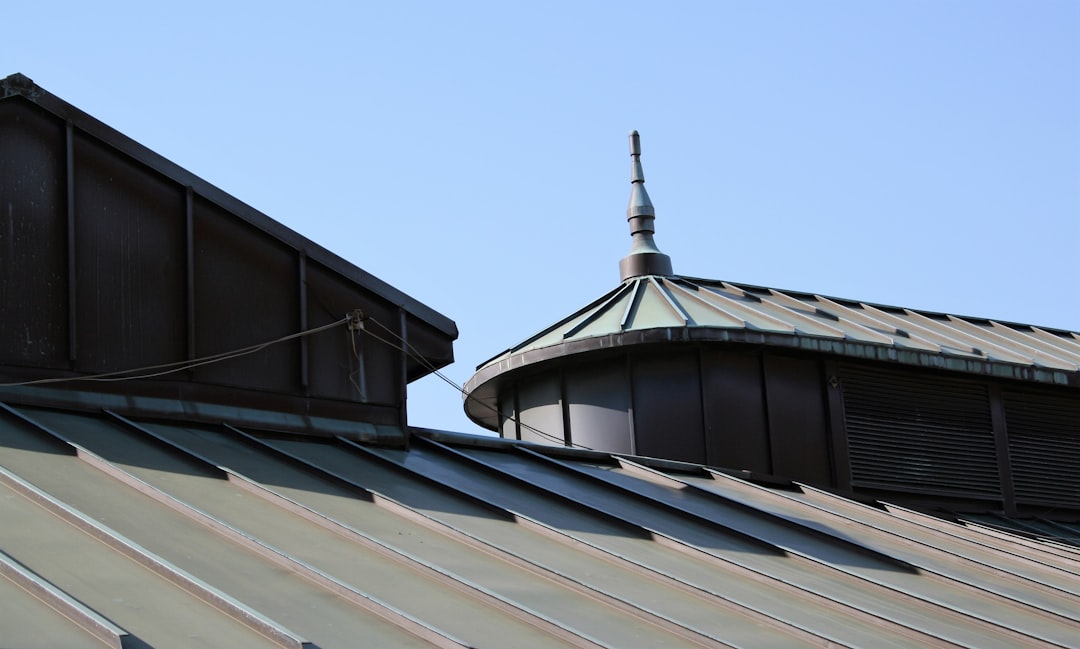
Roofers Commercial Residential Roofing Implementation Timeline
A realistic timeline is crucial for project planning. The roofers commercial residential roofing recruitment and deployment cycle typically spans 6 to 10 weeks. First, candidate sourcing and screening require 2-3 weeks. This includes advertising, interviewing, and technical assessments. Subsequently, document collection and attestation take 1-2 weeks, depending on the country of origin.
Next, visa and work permit processing requires another 2-4 weeks. Government processing times vary across the UAE, Saudi Arabia, Qatar, and Kuwait. Finally, travel arrangements and onboarding consume the final week. Therefore, employers should initiate recruitment at least two months before the required site date. This buffer accommodates unexpected delays.
For bulk hiring of multiple crews, the timeline may extend. However, parallel processing of applications can optimize speed. Furthermore, using a recruitment partner with established government channels can reduce processing time. Their expertise often prevents common errors that cause rejections. Consequently, planning with a clear timeline ensures your roofing project starts on schedule.
Common Challenges and Solutions
Employers frequently encounter specific hurdles in roofing crew recruitment. A primary challenge is the scarcity of technicians with certified waterproofing membrane expertise. This niche skill is in high demand for commercial projects. Solution: Broaden sourcing to regions with strong vocational training in waterproofing. Additionally, offer upskilling programs for existing staff.
Another common issue is high turnover after probation. Often, this stems from mismatched job expectations or inadequate living conditions. Solution: Provide transparent job descriptions and virtual site tours during interviews. Moreover, ensure accommodation meets World Health Organization workplace standards. This demonstrates commitment to worker welfare.
Finally, navigating frequent changes in labor laws poses a compliance risk. Solution: Partner with a consultancy that provides regular regulatory updates. Their expertise helps you adapt policies proactively. Addressing these challenges head-on builds a reliable, skilled, and stable roofing workforce. This directly contributes to project success and business growth.
- Challenge: Verifying hands-on experience in specific roofing systems.
- Solution: Conduct practical skill tests on-site or via verified video.
- Challenge: Delays in document attestation and visa processing.
- Solution: Use a recruitment agency with dedicated document clearing teams.
- Challenge: Ensuring crew adaptability to different project managers.
- Solution: Include teamwork and communication skills in the interview process.
Expert Recommendations for Success
To build a world-class roofing division, follow these expert recommendations. First, prioritize quality over speed in hiring. A rushed recruitment often leads to costly mistakes and rework. Instead, invest time in thorough vetting. Second, develop long-term relationships with a trusted recruitment partner. Their deep talent pool becomes an extension of your HR department.
Third, integrate technology into your workforce management. Use software for tracking certifications, safety training renewals, and performance reviews. This creates an organized, data-driven approach. Fourth, champion continuous improvement. Encourage crews to suggest efficiency and safety improvements. This fosters ownership and innovation on site.
Finally, align your roofing strategy with broader World Bank infrastructure development trends in the GCC. Sustainable and resilient building practices are becoming standard. Therefore, recruiting crews familiar with green roofing or solar-ready installations offers a competitive edge. Proactive talent planning future-proofs your business.
Frequently Asked Questions About Roofers Commercial Residential Roofing
What is the timeline for roofers commercial residential roofing recruitment?
The complete timeline typically ranges from 6 to 10 weeks. This includes sourcing, screening, documentation, and visa processing. Furthermore, project-specific skill requirements can affect duration. Therefore, consult our specialists for a precise project plan.
What documentation is required for roofing crew deployment?
Essential documents include passports, attested experience certificates, vocational training diplomas, and medical reports. Additionally, employer-specific documents like labor contract copies and insurance forms are needed. Moreover, all foreign documents require embassy attestation for GCC use.
How do you assess waterproofing membrane expertise?
Assessment involves verifying certification from membrane manufacturers (e.g., Carlisle, Sika). Furthermore, practical tests on seam welding, detailing, and leak detection are crucial. Additionally, reviewing portfolios of previous commercial projects confirms hands-on experience and quality standards.
What are the key safety certifications for roofing crews?
Mandatory certifications often include basic occupational safety and health (OSH), fire safety, and working-at-height training. Specifically, certificates from recognized bodies like IOSH or NEBOSH are highly valued. Moreover, equipment-specific training for machinery is also essential for compliance.
Can one crew handle both commercial and residential roofing?
While some skills overlap, specialization is common. Commercial roofing focuses on large-scale waterproofing membranes. Conversely, residential work involves pitched structures and aesthetic finishes. Therefore, some crew members may be cross-trained, but foremen typically specialize in one domain for optimal quality.
How does Allianze HR ensure roofing crew quality?
We implement a multi-stage vetting process: verified experience checks, technical skill assessments, and client reference validation. Furthermore, we assess cultural fit and safety awareness. Consequently, we provide employers with candidates who are technically proficient and site-ready.
Partner with Allianze HR for Roofing Recruitment Success
Building a proficient team for roofers commercial residential roofing is a complex, multi-faceted endeavor. It requires deep market knowledge, compliance expertise, and a strategic approach to talent acquisition. From flat roof membrane specialists to pitched roof artisans, each role is vital to project integrity. Furthermore, navigating the GCC’s regulatory landscape demands precision and up-to-date knowledge.
Allianze HR Consultancy simplifies this process. Our construction recruitment specialists possess the networks and expertise to deliver qualified, compliant roofing crews. We manage the entire recruitment lifecycle, allowing you to focus on project execution. Moreover, our commitment to ethical recruitment and worker welfare ensures sustainable partnerships. This protects your company’s reputation and project outcomes.
Do not let staffing delays compromise your construction schedule. Take proactive steps to secure your roofing talent pipeline today. Explore our professional recruitment resources for more insights. Then, schedule consultation appointment with our team. Let us develop a customized recruitment strategy that meets your specific project needs and drives your success in the competitive GCC construction market.