


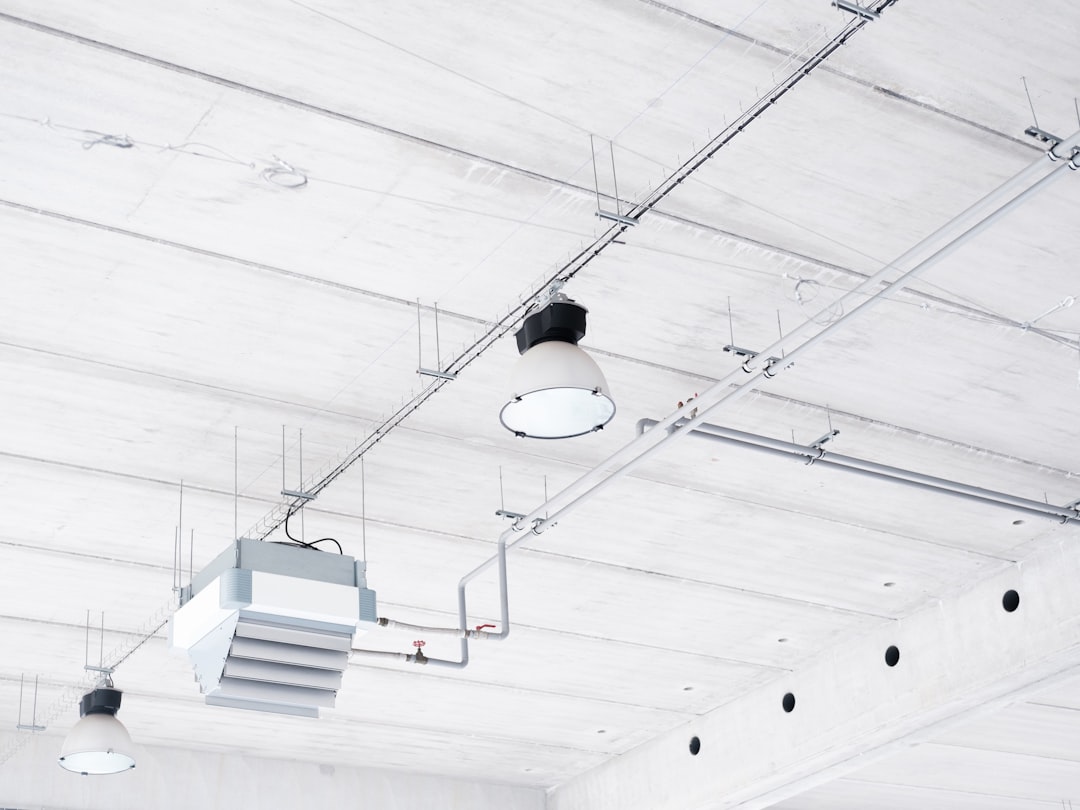
Are you struggling to find skilled interior finishing teams for your construction or renovation projects? The demand for precision in modern commercial and residential spaces makes specialized talent acquisition critical. Furthermore, the GCC construction boom intensifies competition for qualified professionals. Consequently, securing reliable false ceiling installers with grid system and gypsum board expertise directly impacts project timelines and quality. This guide provides a strategic framework for successful suspended ceiling recruitment.
The interior finishing phase defines a project’s aesthetic and functional success. Specifically, false ceiling installation requires a unique blend of technical skill and meticulous attention to detail. Moreover, regional standards in the UAE, Saudi Arabia, and Qatar demand compliance with strict safety and quality codes. Therefore, understanding the nuances of this niche recruitment is essential for project managers and HR teams. Effective workforce deployment in this field ensures flawless execution and client satisfaction.
At Allianze HR Consultancy, we’ve successfully placed 10,000+ professionals across UAE, Saudi Arabia, Qatar, and Kuwait. Furthermore, our 5+ years of GCC expertise supports clients from 50+ countries. Moreover, our Ministry of External Affairs (India) RA license ensures compliance. Therefore, contact our recruitment specialists for expert guidance on building your interior finishing team.
Understanding GCC Interior Finishing Market Dynamics
The Gulf construction sector consistently evolves with architectural innovation. Consequently, the need for specialized interior finishing teams grows exponentially. Specifically, false ceilings are no longer just functional elements. They are integral to lighting, acoustics, and HVAC integration. Moreover, projects range from luxury hotels and malls to corporate offices and healthcare facilities.
Each project type demands specific installer expertise. For example, healthcare projects require cleanroom-compatible grid systems. Alternatively, hospitality venues need complex curved gypsum board designs. Therefore, recruiters must understand these technical distinctions. Additionally, GCC labor laws mandate specific skill certifications for construction trades. This ensures worker safety and project integrity according to regional standards.
Key market drivers include sustainable building trends and smart technology integration. Furthermore, materials like fire-rated gypsum boards and moisture-resistant tiles are now standard. Employers must verify candidate familiarity with these materials. Partnering with a recruitment agency that grasps these nuances, like Allianze HR, streamlines the entire hiring process. Access our professional recruitment resources for deeper insights.
- Rising demand for acoustic and thermal ceiling solutions.
- Increased use of integrated LED lighting within grid systems.
- Strict enforcement of fire safety codes for commercial spaces.
- Growth in modular and prefabricated ceiling installation techniques.
- Emphasis on rapid deployment for fast-track construction projects.
False Ceiling Installers Recruitment Strategic Overview
A strategic approach to false ceiling installers recruitment is vital for project success. Firstly, define the exact scope of work. Will the team handle metal grid systems, gypsum board fixing, or both? Secondly, assess the project’s complexity. Simple drop ceilings differ vastly from custom architectural features. Consequently, your job description must reflect these technical requirements precisely.
Furthermore, sourcing candidates requires targeted channels. Generic construction job portals often yield unqualified applicants. Instead, focus on trade-specific networks and verified manpower suppliers. Moreover, technical assessments should be practical. For instance, ask candidates to detail the steps for installing a suspended T-grid system or troubleshooting a sagging gypsum panel. This verifies hands-on experience effectively.
Additionally, consider the team structure. A proficient interior finishing team typically needs a mix of roles. These include lead installers, assistants, and quality checkers. Each role requires different experience levels. Therefore, a bulk recruitment strategy must account for this hierarchy. Finally, always plan for a buffer. This mitigates risk from unexpected attrition or project scope changes.
- Develop precise technical competency checklists for interviews.
- Utilize trade tests to assess grid alignment and board finishing skills.
- Source from regions with strong vocational training in interior finishing.
- Verify experience with specific brands like Armstrong, Knauf, or USG.
- Plan for supervisory roles to ensure on-site quality control.
Legal Framework and Compliance Standards
Navigating the GCC legal landscape is non-negotiable for construction recruitment. Each country has distinct labor and immigration regulations. For example, Saudi Arabia’s Ministry of Human Resources mandates specific wage protection systems. Conversely, Qatar requires adherence to the Workers’ Support and Insurance Fund. Therefore, compliance forms the bedrock of any successful hiring campaign.
Moreover, occupational health and safety standards are paramount. The International Labour Organization construction safety guidelines provide a global baseline. Additionally, local bodies like Dubai’s Civil Defence set fire safety rules for materials. Installers must be trained in these protocols. Non-compliance can result in severe penalties and project stoppages.
Documentation is another critical layer. Employment contracts must be clear, transparent, and in the worker’s language. Furthermore, visa processing for skilled trades follows specific channels. Resources like the UAE visa and immigration services portal offer official guidance. Partnering with a licensed recruiter ensures every step, from contract to visa stamping, meets legal requirements. This protects both employer and employee.
- Secure necessary work permits and trade license approvals.
- Ensure all workers undergo mandatory safety induction (e.g., OSHAD in Abu Dhabi).
- Adhere to wage protection system (WPS) regulations for timely salary payment.
- Provide standardized accommodation that meets local municipal guidelines.
- Maintain comprehensive insurance coverage as per GCC country law.
False Ceiling Installers Recruitment Best Practices
Implementing best practices transforms your false ceiling installers recruitment from transactional to strategic. First, develop a detailed skill matrix. This should cover grid system installation, gypsum board cutting/fixing, joint treatment, and finishing. Additionally, include soft skills like teamwork and the ability to read technical drawings. This matrix becomes your primary screening tool.
Next, establish a rigorous vetting pipeline. Initial resume screening should filter for relevant project experience. Subsequently, conduct structured video or in-person interviews with practical questions. Moreover, reference checks with previous employers in the GCC are invaluable. They verify not only skill but also adaptability to regional work culture and conditions.
Furthermore, invest in a structured onboarding process. Even experienced installers need site-specific orientation. This covers your company’s safety protocols, quality benchmarks, and reporting hierarchy. According to OSHA construction industry standards, proper training reduces workplace incidents significantly. Therefore, onboarding is a critical investment in productivity and safety. Finally, foster retention through clear career paths and fair treatment, ensuring your valuable interior finishing teams remain long-term assets.
- Create a standardized practical test for all shortlisted candidates.
- Implement a probation period with clear performance milestones.
- Use technology for skills verification and portfolio reviews.
- Align recruitment with project phases to avoid idle manpower costs.
- Build relationships with technical institutes for a fresh talent pipeline.
Documentation and Processing Steps
Efficient documentation processing prevents costly project delays. The journey begins with the offer letter and employment contract. These documents must specify job title, salary, working hours, and benefits unequivocally. Moreover, they must comply with the GCC country’s standard contract format. Subsequently, the visa application process requires meticulous attention to detail.
Key documents include attested educational certificates and trade diplomas. Furthermore, previous experience certificates must be notarized. Additionally, a medical fitness certificate from approved centers is mandatory. The Saudi Ministry of Labor regulations portal outlines specific requirements for KSA. Similarly, other Gulf nations have their own portals and procedures.
Meanwhile, internal processing is equally important. This includes creating employee files, setting up payroll, and arranging logistics. Logistics cover flight bookings, airport pickup, and temporary accommodation. Moreover, planning for the UAE construction sector employment procedures, like obtaining an Emirates ID and labor card, is crucial. A dedicated HR coordinator should manage this checklist. This ensures a smooth transition for the worker from their home country to your project site.
- Prepare and attest the employment contract in Arabic and English.
- Collect and verify passport copies, photographs, and biometric data.
- Process entry permits and work visas through authorized typing centers.
- Coordinate medical screenings for infectious diseases and overall fitness.
- Organize pre-departure briefings and orientation kits for new hires.
False Ceiling Installers Recruitment Implementation Timeline
A realistic timeline is crucial for planning your false ceiling installers recruitment. Typically, the end-to-end process takes 6 to 10 weeks. However, this varies by destination country and candidate availability. The first week involves finalizing job specs and launching the sourcing campaign. Subsequently, candidate screening and interviews require 2-3 weeks to identify the right talent.
Once candidates are selected, documentation and visa processing begin. This phase is the most variable, often taking 3-5 weeks. Factors include embassy processing speeds and medical appointment availability. Furthermore, final deployment involves travel booking and induction. Therefore, project managers must integrate this timeline into their overall schedule to avoid gaps in manpower.
To accelerate the process, maintain a pipeline of pre-screened candidates. Additionally, ensure all your company documents (like trade license copies) are ready for visa applications. Partnering with an expert like Allianze HR can compress this timeline. Our established systems and government liaisons streamline each step. Schedule a consultation appointment to develop a customized recruitment schedule for your project.
- Week 1-2: Sourcing and initial screening of applicants.
- Week 3: Technical interviews and final candidate selection.
- Week 4-7: Document attestation, visa filing, and medical checks.
- Week 8: Flight coordination and pre-departure formalities.
- Week 9: Airport pickup, site induction, and deployment to project.
Common Challenges and Proactive Solutions
Recruiting specialized trades like false ceiling installers presents unique hurdles. A primary challenge is skill verification. Paper credentials often don’t reflect practical ability. Solution: implement mandatory, on-site or video-recorded skill tests. Another frequent issue is last-minute candidate dropouts. Solution: always recruit a small percentage of backup candidates to maintain team strength.
Furthermore, cultural and linguistic integration can affect team cohesion. Installers from different regions may have communication gaps. Solution: include basic language training and team-building in onboarding. Moreover, understanding and adhering to World Health Organization workplace standards for ergonomics and dust exposure is vital. This prevents health issues and maintains productivity.
Finally, retention is a major concern. The competitive market can lure skilled workers away. Solution: create a positive work environment with timely payments, clear communication, and recognition. Additionally, provide opportunities for upskilling. For instance, training in new materials or BIM for ceilings can increase engagement. Addressing these challenges proactively ensures a stable, high-performing interior finishing team.
- Challenge: Misinterpretation of technical drawings. Solution: Conduct drawing literacy sessions.
- Challenge: Material wastage. Solution: Link performance incentives to efficiency metrics.
- Challenge: Compliance with evolving green building codes. Solution: Regular training updates.
- Challenge: On-site safety incidents. Solution: Daily toolbox talks and strict PPE enforcement.
- Challenge: Managing subcontractor teams. Solution: Clear contracts with defined quality benchmarks.
Expert Recommendations for Long-Term Success
Building a reliable pipeline for false ceiling installers requires a long-term vision. First, move beyond transactional hiring. Instead, develop partnerships with training institutes in source countries. This allows you to shape curricula and secure first access to graduates. Second, invest in technology. Use digital platforms for skills assessment and remote interviewing to widen your talent pool efficiently.
Moreover, stay informed on industry trends. Resources like the World Bank infrastructure development reports provide macroeconomic insights. Additionally, embrace sustainable practices. The shift towards eco-friendly materials and processes is accelerating. Therefore, training your teams on these aspects future-proofs your workforce.
Finally, measure and optimize your recruitment KPIs. Track metrics like time-to-hire, cost-per-hire, and first-year retention rates. Analyzing this data reveals process inefficiencies. Consequently, you can continuously refine your strategy. Remember, your interior finishing team is a direct contributor to project quality and client reputation. Treating their recruitment with strategic importance yields significant competitive advantage and business growth.
- Establish an employer brand known for fair treatment and professional growth.
- Develop a “bench” of skilled installers available for short-notice projects.
- Leverage employee referrals by offering incentives for successful hires.
- Regularly audit and update your recruitment partners’ performance.
- Integrate recruitment planning into your annual business development strategy.
Frequently Asked Questions About False Ceiling Installers Recruitment
What is the timeline for false ceiling installers recruitment?
The complete process typically takes 6 to 10 weeks. This includes sourcing, interviewing, documentation, and deployment. Furthermore, complexity and destination country affect the duration. Therefore, consult our specialists for a project-specific timeline.
What specific skills should we test during the hiring process?
Focus on practical skills like grid system layout, gypsum board cutting and fixing, joint taping, and finishing. Additionally, assess their ability to read architectural drawings and understand material specifications. Moreover, safety protocol knowledge is non-negotiable.
How do GCC labor laws impact the recruitment of interior finishing teams?
GCC laws mandate specific contract formats, wage protection, insurance, and safe accommodation. Furthermore, they require trade-specific certifications and safety training. Non-compliance risks fines and project delays. Consequently, partnering with a knowledgeable recruiter ensures full legal adherence.
What are the key differences between recruiting for gypsum board vs. grid system specialists?
Gypsum board specialists excel in drywall construction, curved surfaces, and seamless finishing. Conversely, grid system experts focus on precise metal framework, acoustic tile installation, and integrated service access. Many skilled installers are proficient in both, which is ideal for team versatility.
Can Allianze HR assist with bulk hiring for large-scale projects?
Absolutely. We specialize in volume hiring and workforce deployment for major projects. Our process includes batch screening, coordinated visa processing, and group mobilization. This ensures a timely and compliant supply of skilled installers to meet aggressive project schedules.