



How can your business navigate the complex recruitment of specialized signage and wayfinding professionals in the GCC? The region’s booming construction, retail, and hospitality sectors demand more than just basic installers. Consequently, they require skilled crews who blend technical fabrication expertise with strategic branding implementation. This specialized talent acquisition presents a significant challenge for project managers and developers. Understanding the nuances of hiring signage installers for wayfinding and branding is therefore critical for operational success and brand consistency.
The GCC’s architectural landscape features world-class airports, mega-malls, and integrated resorts. These environments rely on sophisticated signage systems for both function and brand identity. Furthermore, regional projects often have accelerated timelines and high visibility. Therefore, the demand for crews with dual expertise in physical installation and brand adherence is intense. Employers must source talent that understands local regulations, material specifications, and cultural design sensibilities. This ensures seamless project execution from fabrication to final placement.
At Allianze HR Consultancy, we’ve successfully placed 10,000+ professionals across UAE, Saudi Arabia, Qatar, and Kuwait. Furthermore, our 5+ years of GCC expertise supports clients from 50+ countries. Moreover, our Ministry of External Affairs (India) RA license ensures compliance. Therefore, contact our recruitment specialists for expert guidance on building your specialized signage teams. We connect you with vetted talent possessing the precise fabrication and installation skills your projects demand.
Understanding GCC Signage and Wayfinding Market Demands
The Gulf Cooperation Council’s infrastructure growth drives unique signage requirements. Mega-projects like NEOM, Expo City Dubai, and Qatar’s Lusail City need integrated wayfinding solutions. These systems guide visitors through complex environments efficiently. Additionally, they must reinforce corporate and destination branding consistently. Consequently, the skill set required extends beyond basic mounting.
Specialized installers must comprehend architectural plans and electrical schematics. They also need knowledge of diverse materials, from acrylic and aluminum to LED and interactive digital displays. Moreover, GCC climates demand materials resistant to extreme heat and humidity. Therefore, recruitment must target candidates with relevant regional or similar environmental experience. This ensures longevity and performance of installed signage.
Employers should prioritize several core competencies. First, technical proficiency in fabrication shop operations is essential. Second, on-site installation skills for both interior and exterior applications are mandatory. Third, an understanding of branding guidelines ensures visual consistency. Finally, awareness of local safety standards, like those from the International Labour Organization, is non-negotiable. Sourcing this blend of skills requires a strategic approach.
- Expertise in interpreting technical drawings and brand style guides.
- Hands-on experience with CNC routing, welding, vinyl application, and electrical wiring.
- Knowledge of UAE green building and accessibility standards.
- Proficiency in installing directional, identification, and regulatory signage systems.
- Ability to collaborate with architects, interior designers, and brand managers.
- Commitment to OSHA construction industry safety protocols on site.
Signage Installers Wayfinding Branding Strategic Overview
A strategic overview of recruiting for signage installers wayfinding branding reveals a multi-phase process. Initially, defining the precise project scope is crucial. Will the team handle fabrication in-house, or only installation? Are digital interactive elements involved? Answering these questions shapes the talent profile. Subsequently, employers must navigate the competitive GCC labor market for these niche skills.
The recruitment strategy must balance technical hard skills with soft skills. For example, a crew leader needs problem-solving abilities for on-site challenges. They must also communicate effectively with a diverse workforce. Furthermore, an understanding of the project’s brand narrative is vital. A wayfinding system in a luxury hotel differs vastly from one in a hospital. Therefore, screening must assess both manual skill and brand sensibility.
Partnering with a specialized recruiter like Allianze HR provides significant advantages. We maintain extensive networks across South Asia and the Middle East. This connects us to talent pools with relevant experience in complex signage projects. Moreover, our vetting process evaluates both practical skills and cultural fit for GCC work environments. Consequently, we streamline the acquisition of crews ready to deliver from day one.
- Develop detailed job descriptions specifying material and tool proficiencies.
- Implement practical skills assessments for fabrication and installation techniques.
- Evaluate candidate portfolios for past projects with branding integration.
- Structure competitive compensation packages aligned with GCC market rates.
- Plan for visa sponsorship, medical screening, and licensing where required.
- Establish clear onboarding covering safety, brand standards, and project goals.
Legal Framework and Compliance Standards in the GCC
Navigating the legal framework for employing signage crews in the Gulf requires diligent attention. Each GCC country has distinct labor laws governing foreign worker recruitment. For instance, Saudi Arabia’s Ministry of Labor regulations differ from UAE’s visa and immigration policies. Therefore, a one-size-fits-all approach fails. Compliance starts with proper visa categorization for skilled trades.
Signage installers typically fall under skilled technician or craftsperson classifications. Securing the correct work permit is the first critical step. Additionally, employers must provide standardized employment contracts in Arabic. These contracts must outline wages, working hours, and termination conditions clearly. Furthermore, they must comply with International Labour Organization core conventions adopted by GCC states.
Worker welfare is a paramount component of compliance. This includes providing adequate accommodation, health insurance, and safe transportation to sites. Moreover, given the physical nature of signage work, occupational health standards are crucial. Employers must adhere to local guidelines inspired by global bodies like the World Health Organization. Regular safety training and provision of personal protective equipment (PPE) are not just ethical but legal requirements. Non-compliance risks severe penalties and project delays.
- Secure correct employment visas (e.g., UAE’s Skilled Worker visa, Saudi’s Professional visa).
- Execute Ministry-attested employment contracts with clear terms.
- Provide mandatory health insurance and worker compensation coverage.
- Adhere to wage protection systems (WPS) for timely salary payments.
- Maintain records of safety training and equipment issuance.
- Ensure all educational and experience certificates are attested as per GCC norms.
Signage Installers Wayfinding Branding Best Practices
Implementing best practices for hiring signage installers wayfinding branding ensures quality and efficiency. First, adopt a competency-based recruitment model. Move beyond resumes to practical evaluations. For example, have candidates demonstrate material cutting, assembly, or leveling techniques. This reveals true proficiency. Additionally, assess their ability to interpret a brand book and apply color, font, and logo specifications accurately.
Secondly, foster a culture of continuous skill development. The signage industry evolves with new materials and technologies like augmented reality. Therefore, invest in training your crews on the latest fabrication machinery and digital tools. This commitment not only improves project outcomes but also aids in retention. Skilled technicians value employers who enhance their capabilities. Moreover, it future-proofs your workforce against technological obsolescence.
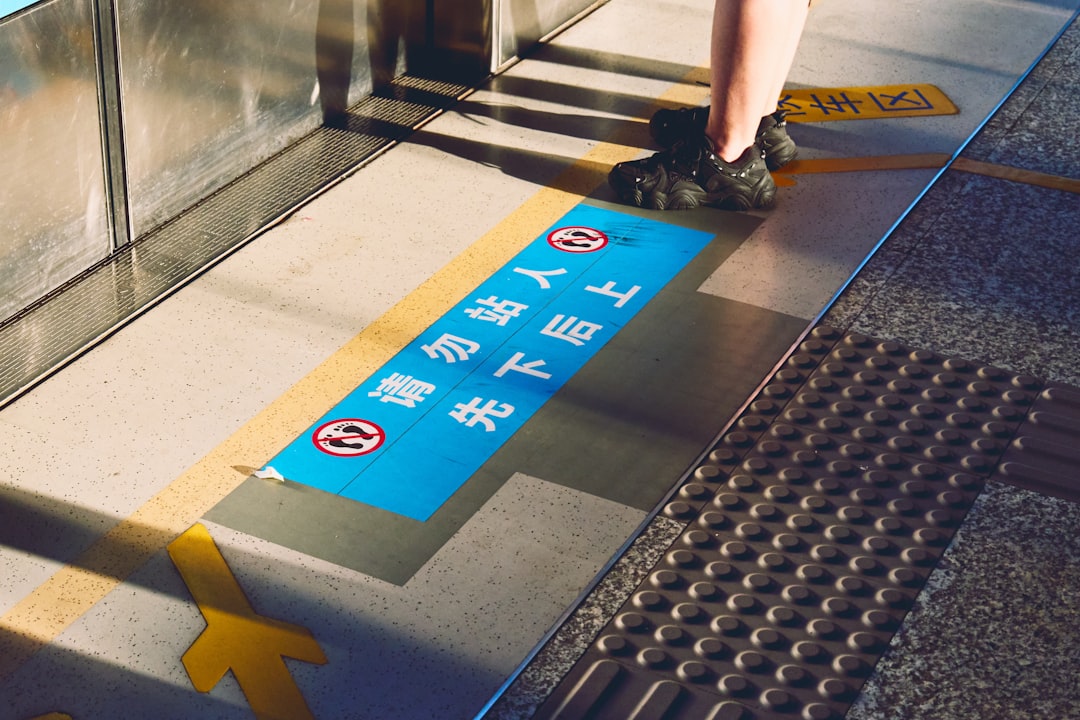
Thirdly, integrate your signage team early in the project lifecycle. Collaboration with designers and architects during the planning phase prevents installation conflicts. Furthermore, it allows installers to provide practical input on material selection and mounting feasibility. This proactive approach minimizes costly rework and ensures the final installation aligns perfectly with the architectural intent and brand vision. Consequently, it streamlines the entire project timeline.
- Conduct hands-on skill tests and portfolio reviews during candidate screening.
- Create detailed brand guideline documents for every project.
- Implement a mentorship system pairing new hires with experienced leads.
- Use checklists for pre-installation site surveys and post-installation quality audits.
- Leverage project management software to track fabrication and installation milestones.
- Promote safety as a core value, with regular toolbox talks and hazard assessments.
Documentation and Processing Steps for Recruitment
The documentation process for recruiting specialized signage crews is meticulous. It begins with obtaining the employer’s quota approval or pre-approval from the relevant Ministry. Next, the candidate’s passport and professional credentials must be gathered. These include educational diplomas and experience letters, which often require attestation from home country authorities, UAE embassies, and GCC Foreign Ministries.
Following credential verification, the employment contract is drafted. This bilingual document must specify the job title, salary, benefits, and contract duration precisely. Any discrepancy can cause rejection during the visa stamping process. Subsequently, the medical fitness test is conducted at government-approved centers. This screens for communicable diseases as per GCC health regulations. Additionally, some Emirates require specific trade license approvals for skilled workers.
Finally, the worker’s entry permit is issued, allowing them to travel to the GCC country. Upon arrival, the medical test is finalized, and the residence visa is stamped in the passport. Then, the Emirates ID application is processed. Throughout this chain, each document must be meticulously checked. Partnering with an experienced consultancy like Allianze HR mitigates the risk of errors. We manage the entire documentation pipeline, ensuring compliance at every stage. Explore our professional recruitment resources for further guidance.
- Collect and attest candidate’s educational and experience certificates.
- Draft and attest dual-language employment contracts.
- Complete medical fitness screening at approved health centers.
- Apply for and secure entry permits and subsequent residence visas.
- Process Emirates ID registration and health insurance cards.
- File all signed contracts and documents with the relevant labor ministry.
Signage Installers Wayfinding Branding Implementation Timeline
A realistic timeline for deploying signage installers wayfinding branding crews is essential for project planning. The entire process, from recruitment to deployment, typically spans 6 to 10 weeks. However, this duration depends on the source country, candidate availability, and specific GCC destination. Understanding each phase helps manage stakeholder expectations effectively.
The first phase, candidate sourcing and screening, takes approximately 2-3 weeks. This includes advertising, interviewing, and conducting practical assessments. Subsequently, the documentation and visa processing phase requires 3-4 weeks. This period covers attestation, contract approval, medical tests, and visa stamping. Furthermore, complexities like document verification or peak seasonal delays can extend this window. Therefore, building buffer time into the schedule is prudent.
Once the worker arrives, onboarding and mobilization begin. This final phase takes about 1-2 weeks. It includes company induction, site-specific safety training, and tool familiarization. Moreover, for wayfinding and branding roles, detailed project briefings on brand standards are conducted. Efficient timeline management requires constant communication between the recruiter, employer, and candidate. To initiate this process, schedule a consultation appointment with our team for a customized plan.
- Weeks 1-3: Candidate sourcing, skills assessment, and final selection.
- Weeks 4-7: Document attestation, contract signing, and visa processing.
- Week 8: Travel arrangement and arrival in the GCC country.
- Weeks 8-9: Final medical, visa stamping, and Emirates ID processing.
- Week 10: Company onboarding, project briefing, and site deployment.
- Ongoing: Performance monitoring and continuous skills development.
Common Challenges and Strategic Solutions
Recruiting for this niche field presents several common challenges. First, the scarcity of candidates with combined fabrication, installation, and branding experience is significant. Many technicians excel in one area but lack holistic project understanding. Secondly, high demand in the GCC leads to competitive salary expectations and rapid job-hopping. This threatens project continuity and increases recruitment costs.
Thirdly, logistical challenges in document attestation and visa processing can cause frustrating delays. Missing or incorrectly attested paperwork halts the entire process. Fourthly, ensuring cultural and communication fit within diverse project teams is often overlooked. A technically skilled installer who cannot follow instructions or work in a team becomes a liability. Therefore, comprehensive vetting must address soft skills rigorously.
Strategic solutions exist for each challenge. To address skill scarcity, consider recruiting candidates with strong core technical skills and investing in brand guideline training. For retention, structure clear career progression paths and offer competitive, timely compensation packages. Partnering with a recruitment firm like Allianze HR mitigates logistical and compliance risks through our established processes. Finally, incorporating behavioral interviews and team-based assessments ensures better cultural integration. This holistic approach builds stable, proficient crews.
- Challenge: Niche skill shortage. Solution: Invest in targeted training programs for high-potential technicians.
- Challenge: High turnover. Solution: Offer clear career ladders and performance-linked incentives.
- Challenge: Visa processing delays. Solution: Work with licensed experts who manage documentation end-to-end.
- Challenge: Communication barriers. Solution: Include language proficiency tests and team-fit evaluations.
- Challenge: Ensuring quality. Solution: Implement a probation period with defined performance milestones.
- Challenge: Cost management. Solution: Opt for bulk recruitment to optimize agency and visa fees.
Expert Recommendations for Long-Term Success
For long-term success in managing signage and wayfinding crews, adopt a strategic partnership mindset. View your recruitment provider not as a vendor but as an extension of your HR department. This fosters deeper understanding of your company’s quality standards and project ethos. Consequently, your partner can proactively source talent that aligns with your long-term vision, not just immediate needs.
Invest in technology to streamline operations. Utilize digital tools for project management, time tracking, and quality control documentation. Furthermore, consider using augmented reality (AR) for installation planning and training. This reduces errors and enhances crew efficiency. Additionally, stay informed on global trends through resources like the World Bank urban development reports, which often highlight infrastructure and wayfinding innovations.
Finally, prioritize building a strong employer brand within the skilled trades community. Reputation matters for attracting top talent. Showcase successful projects, highlight employee development stories, and maintain fair labor practices. This makes your company a destination of choice for the best signage professionals. By combining ethical recruitment, continuous investment in people, and technological adoption, you build a sustainable competitive advantage in the dynamic GCC market.
- Forge a strategic, long-term partnership with a specialized GCC recruitment consultancy.
- Digitize crew management with project tracking and communication platforms.
- Establish a continuous learning fund for crew skill upgrades on new technologies.
- Develop a strong employer value proposition focused on stability and growth.
- Regularly benchmark compensation and benefits against regional market standards.
- Create a feedback loop where installers can suggest process improvements.
Frequently Asked Questions About Signage Installers Wayfinding Branding
What is the typical timeline for hiring signage installers wayfinding branding crews?
The complete process typically takes 6 to 10 weeks. This includes sourcing, vetting, documentation, and visa processing. Furthermore, project-specific training adds 1-2 weeks. Therefore, planning ahead is crucial for timely project staffing.
What key skills should we prioritize during the recruitment process?
Prioritize technical fabrication skills, blueprint reading, and on-site installation expertise. Additionally, assess understanding of brand guidelines and attention to detail. Moreover, soft skills