


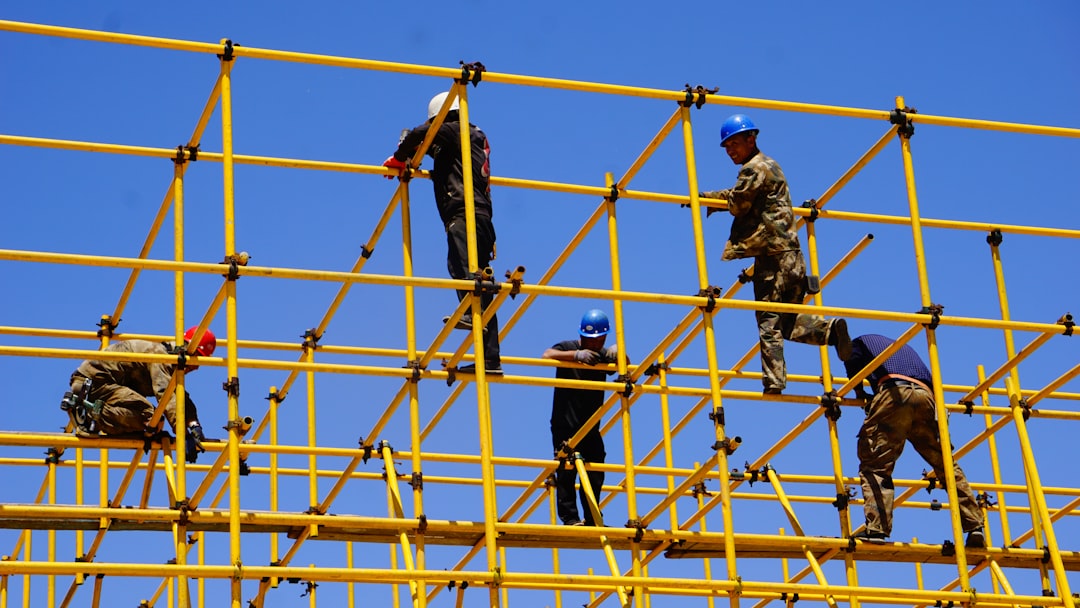
How can construction firms and facility managers ensure full compliance when deploying over 100 workers on a high-rise project? Furthermore, the GCC’s iconic skylines demand rigorous safety protocols. Therefore, navigating height work permits, training, and certification is a critical operational challenge. This comprehensive guide addresses the height work permits training certification requirements essential for large-scale projects. Moreover, it provides a strategic framework for safety and legal adherence.
The construction and facilities management sectors across the Gulf are booming. Consequently, the demand for skilled personnel working at elevation has surged. Additionally, regional authorities enforce strict occupational health and safety standards. Specifically, these regulations aim to protect workers and minimize project risks. Understanding these mandates is not optional. Indeed, it is a fundamental requirement for project approval and sustainable operations.
At Allianze HR Consultancy, we’ve successfully placed 10,000+ professionals across UAE, Saudi Arabia, Qatar, and Kuwait. Furthermore, our 5+ years of GCC expertise supports clients from 50+ countries. Moreover, our Ministry of External Affairs (India) RA license ensures compliance. Therefore, contact our recruitment specialists for expert guidance on mobilizing a compliant, certified workforce for your high-rise projects. We integrate safety compliance into every stage of the recruitment and deployment process.
Understanding GCC Working at Height Safety Requirements
GCC nations have developed robust frameworks for worker safety at elevation. These regulations are often aligned with international best practices. For instance, they reference guidelines from the International Labour Organization construction safety standards. Additionally, local ministries of labor and human resources issue specific directives. Consequently, employers must navigate a multi-layered compliance landscape.
Key regional considerations include mandatory training programs. These programs must be conducted by accredited institutions. Furthermore, certification must be renewed periodically, typically every two years. Employers are also responsible for providing appropriate personal protective equipment (PPE). Moreover, they must implement site-specific fall protection plans. Regular safety audits and incident reporting are non-negotiable components.
- Mandatory accredited safety training for all height workers.
- Site-specific risk assessments and method statements.
- Provision and maintenance of certified fall arrest systems.
- Regular medical fitness checks for workers at height.
- Appointment of certified safety officers and supervisors.
- Detailed record-keeping for all permits, training, and inspections.
Non-compliance carries severe penalties. These can include substantial fines, project stoppages, and even deportation of responsible managers. Therefore, a proactive approach to safety management is crucial. Partnering with knowledgeable recruiters ensures your workforce meets these stringent criteria from day one.
Height Work Permits Training Certification Strategic Overview
A strategic approach to height work permits training certification transforms compliance from a cost center into a value driver. First, it systematically mitigates the severe risks of working at height. Second, it ensures uninterrupted project timelines by preventing regulatory shutdowns. Third, it enhances your company’s reputation for ethical and safe operations. This strategic overview provides the foundation for successful implementation.
Furthermore, the process begins long before workers arrive on site. It starts with sourcing candidates who possess foundational safety awareness. Subsequently, it involves verifying their existing certifications or planning for gap training. Additionally, understanding the specific permit requirements of each GCC state is essential. For example, requirements in Dubai may differ from those in Riyadh or Doha.
- Integrate certification checks into the initial candidate screening phase.
- Develop relationships with accredited training providers across the GCC.
- Create a centralized digital registry for all worker certifications and permits.
- Align your mobilization schedule with training and permit processing lead times.
- Designate an internal compliance officer to oversee the entire process.
- Conduct pre-deployment orientation sessions focused on regional safety laws.
This proactive strategy prevents last-minute scrambles and costly delays. Moreover, it demonstrates to clients and authorities your commitment to world-class safety standards. Consequently, it becomes a competitive advantage in securing future high-rise projects.
Legal Framework and Compliance Standards
The legal framework governing work at height in the GCC is comprehensive. It incorporates international standards, local civil defense regulations, and ministry decrees. For instance, employers must often comply with elements similar to OSHA construction industry standards. Additionally, local authorities like Dubai’s Civil Defense or Saudi Arabia’s Ministry of Human Resources issue specific codes. Navigating this requires meticulous attention to detail.
Core legal requirements typically mandate a formal permit-to-work system for high-risk activities. This system requires authorization from a competent person before work begins. Furthermore, the Saudi Ministry of Labor regulations and similar bodies enforce strict supervision rules. Specifically, they require a minimum ratio of certified safety watchmen to workers. Non-adherence can result in legal liability for accidents.
Documentation is the cornerstone of legal compliance. Authorities conduct random inspections and demand immediate proof. Required documents include training certificates, permit copies, equipment inspection logs, and medical reports. Moreover, all documents often require attestation or translation. Therefore, maintaining an impeccable and accessible record-keeping system is not just good practice. It is a legal shield for your organization.
Height Work Permits Training Certification Best Practices
Implementing height work permits training certification best practices ensures operational excellence. First, adopt a “competency before access” policy. This means no worker ascends without verified, valid certification. Second, standardize training content to meet the highest regional benchmark. This avoids gaps when workers transfer between projects in different Emirates or Kingdoms.
Furthermore, leverage technology for management efficiency. Use dedicated software to track certification expiry dates and automate renewal alerts. Additionally, conduct frequent toolbox talks and refresher training on site. These reinforce safety principles and address newly identified hazards. Moreover, involve workers in safety planning. Their practical insights can improve fall prevention measures significantly.
- Implement a centralized digital database for all safety credentials.
- Partner with internationally recognized training organizations (e.g., NEBOSH, IOSH affiliates).
- Conduct unannounced mock audits to test preparedness.
- Establish a clear incident reporting and investigation protocol.
- Recognize and reward teams for exemplary safety performance.
- Ensure all safety instructions are provided in the workers’ native languages.
These practices create a robust safety culture. Consequently, they reduce incident rates and associated costs. They also ensure your operations align with UAE construction sector employment standards and similar frameworks across the GCC.
Documentation and Processing Steps
The documentation process for height safety compliance is multi-stage. Initially, it requires collecting and verifying each worker’s existing qualifications. Next, it involves identifying training gaps and scheduling courses with accredited centers. Subsequently, the actual permit application process begins with the relevant local authority. This often requires submitting training certificates, project details, and insurance proof.
Moreover, each step has a variable processing time. Training courses can take 3-5 days. Additionally, permit approvals may require 1-2 weeks. Therefore, planning for these timelines is critical for project scheduling. Crucially, all foreign-earned documents require attestation. This includes embassy legalization and ministry foreign affairs stamps. Consequently, the administrative burden is substantial.
A systematic approach is vital. Create a checklist for each worker’s dossier. Furthermore, assign a dedicated team member to track progress. Utilize checkpoints at each major phase: document collection, training completion, permit submission, and approval receipt. This meticulous tracking prevents individuals from slipping through the cracks. Ultimately, it ensures your entire workforce is fully compliant before they step onto the scaffold or high-rise floor.
Height Work Permits Training Certification Implementation Timeline
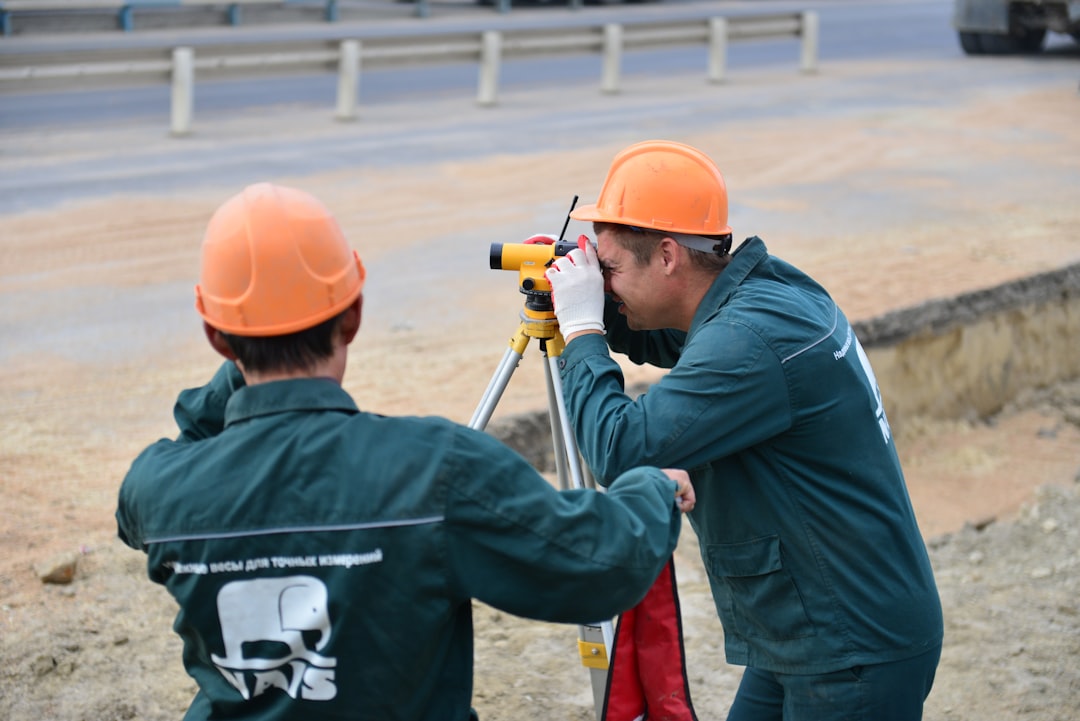
Developing a realistic timeline for height work permits training certification is crucial for project managers. For a cohort of 100+ workers, the end-to-end process typically spans 6 to 10 weeks. This timeline accounts for recruitment, document verification, training scheduling, and government processing. Understanding this flow prevents costly mobilization delays.
First, weeks 1-2 focus on candidate selection and initial document gathering. Subsequently, weeks 3-5 are dedicated to conducting the necessary training and medical screenings. Meanwhile, the preparation of permit applications should occur in parallel. Finally, weeks 6-10 involve the formal submission and approval process with authorities. Furthermore, buffer time must be included for unexpected delays.
- Weeks 1-2: Recruitment finalization and pre-employment document collection.
- Weeks 3-4: Batch training sessions at accredited institutes.
- Week 5: Medical fitness examinations and report compilation.
- Week 6: Final application dossier preparation and internal review.
- Weeks 7-8: Submission to relevant government and civil defense bodies.
- Weeks 9-10: Follow-up, approval collection, and pre-deployment briefing.
Adhering to this structured timeline requires coordination. Therefore, leveraging a partner with established processes, like Allianze HR, streamlines execution. Our expertise ensures your workforce is compliant and ready to contribute safely and on schedule.
Common Challenges and Solutions
Employers face several common challenges in managing height safety compliance at scale. First, the variability of requirements across different GCC states creates confusion. A certificate valid in one Emirate may need supplementary training in another. Second, the high turnover rate in construction can disrupt carefully maintained certification registers. Third, language barriers can hinder effective training comprehension.
Furthermore, fraudulent certificates present a significant risk. Some workers may present fake training documents. Additionally, the cost and downtime for training can be perceived as a burden by project managers focused on deadlines. Moreover, keeping track of renewal dates for hundreds of workers is administratively heavy. These challenges can undermine even the best-intentioned safety programs.
Practical solutions exist. Implement a rigorous certificate verification process directly with issuing bodies. Additionally, use technology platforms that send automatic renewal reminders. Moreover, invest in training materials and instructors who speak the workers’ languages. Partnering with a recruitment firm that pre-screens for valid certifications alleviates the initial verification burden. Finally, frame training not as a cost but as an investment in risk mitigation and productivity.
Expert Recommendations for Success
To ensure long-term success with height safety compliance, adopt a holistic view. First, integrate safety compliance metrics into your overall project KPIs. This signals its importance to the entire team. Second, foster leadership commitment. When site managers prioritize safety, workers follow suit. Third, continuously benchmark your practices against international standards from bodies like the World Health Organization workplace standards.
Moreover, view your recruitment partner as a strategic ally in compliance. A specialist firm like Allianze HR does more than fill positions. We ensure candidates meet the baseline safety qualification requirements. Furthermore, we can guide you through the post-hire certification and permit process. Additionally, stay informed on regulatory changes. GCC labor laws evolve, and staying ahead is key.
Finally, cultivate a reporting culture without blame. Encourage workers to report near-misses and hazards. This proactive feedback loop is invaluable for preventing major incidents. By following these expert recommendations, you build a resilient operation. Consequently, you protect your workers, your project, and your company’s reputation in the competitive GCC market.
Frequently Asked Questions About Height Work Permits Training Certification
What is the timeline for height work permits training certification?
The complete process for 100+ workers typically takes 6-10 weeks. This includes recruitment, document verification, batch training, medical checks, and government processing. Furthermore, planning for buffer time is essential. Therefore, consult our specialists for a precise project-specific timeline.
What documentation is required for working at height compliance?
Key documents include accredited training certificates, valid medical fitness reports, passport copies, visa pages, and the formal permit issued by local civil defense or labor authorities. Additionally, equipment inspection records and risk assessments are mandatory for site audits.
Who is responsible for providing and funding the required training?
The employer is legally responsible for ensuring all workers are trained and certified. Consequently, the employer typically bears the cost of training as part of the employment arrangement. This is a fundamental requirement under GCC labor and occupational safety laws.
How does Allianze HR ensure workers have valid certifications?
We implement a rigorous verification process. This includes checking certificate numbers with accredited institutes, assessing training content relevance, and confirming medical report authenticity. Moreover, our network of partner training centers can provide gap training if needed.
Do requirements differ between UAE, Saudi Arabia, and Qatar?
Yes, while based on similar principles, specific training curricula, permit formats, and supervising authority structures vary. For example, Saudi Arabia’s OSH requirements under the Ministry of Human Resources differ in detail from those enforced by Dubai Civil Defense. Our team provides country-specific guidance.
What happens if a worker’s certification expires during a project?
The worker must be immediately removed from height duties until recertified. Therefore, proactive management using tracking software with expiry alerts is critical. We recommend scheduling refresher courses well before the expiry date to ensure continuous compliance and no work disruption.
Partner with Allianze HR for Height Safety Success
Securing and managing a compliant workforce for high-rise projects is complex. It demands expertise in recruitment, GCC labor law, and specialized safety protocols. A strategic approach to height work permits training certification is non-negotiable for risk mitigation and project success. Furthermore, it protects your most valuable assets: your workers and your company’s reputation.
Allianze HR Consultancy simplifies this complexity. We integrate compliance checks into our recruitment lifecycle. Moreover, our deep regional knowledge ensures your workforce meets all local and international standards. We guide you through documentation, training coordination, and best practice implementation. Consequently, you gain peace of mind and a productive, safe workforce.
Do not let compliance challenges delay your next iconic project. Explore our professional recruitment resources for more insights. Then, take the next step toward seamless workforce mobilization. Schedule a consultation appointment with our height safety and recruitment experts today. Let us build your success, safely and compliantly, from the ground up.