


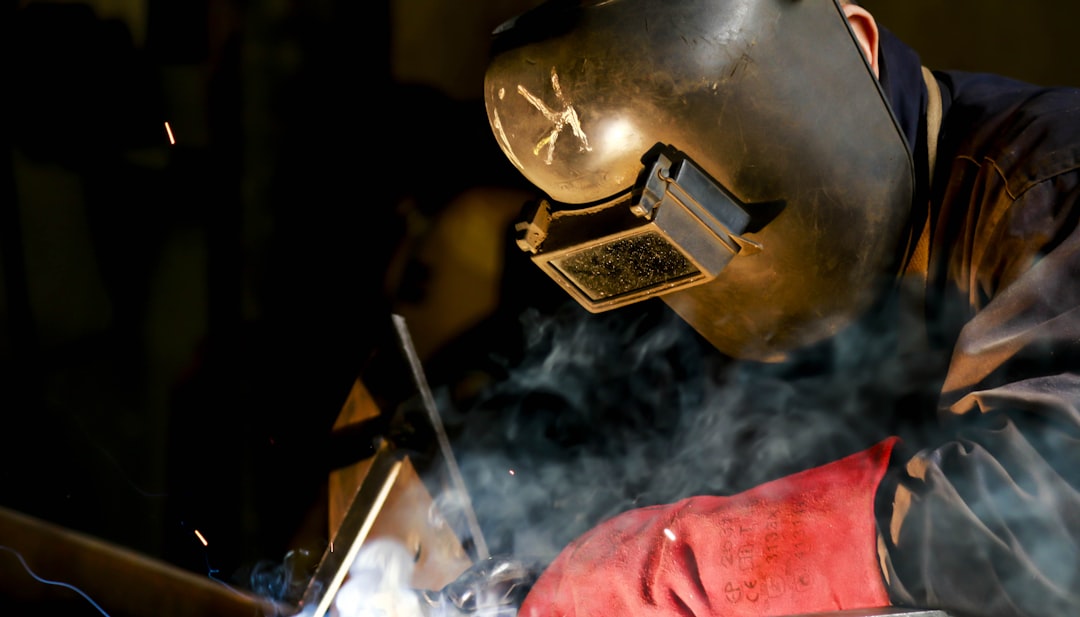
Are you managing construction or industrial projects in the GCC? Furthermore, do you understand the critical safety protocols for welding and cutting operations? Hot work activities present significant fire and explosion risks. Consequently, a robust hot work permit system is not just a recommendation. It is a mandatory safety and compliance requirement across Gulf Cooperation Council nations. This comprehensive guide details everything about hot work permits welding safety procedures.
The GCC’s rapid infrastructure development demands stringent safety measures. Construction sites, oil and gas facilities, and manufacturing plants frequently engage in welding, grinding, and cutting. These tasks generate sparks, heat, and molten metal. Therefore, proper fire prevention certification and permit procedures are essential. Moreover, regional authorities enforce strict compliance to protect workers and assets. Understanding these protocols ensures project continuity and legal adherence.
At Allianze HR Consultancy, we’ve successfully placed 10,000+ professionals across UAE, Saudi Arabia, Qatar, and Kuwait. Furthermore, our 5+ years of GCC expertise supports clients from 50+ countries. Moreover, our Ministry of External Affairs (India) RA license ensures compliance. Therefore, contact our recruitment specialists for expert guidance on staffing your safety-critical roles. We connect you with certified welders, safety officers, and fire watch personnel who understand these vital protocols.
Understanding GCC Fire Safety and Permit Requirements
GCC nations maintain rigorous occupational health and safety frameworks. These frameworks align with global standards from bodies like the International Labour Organization. Specifically, hot work is classified as a high-risk activity. Consequently, it requires formal authorization before commencement. The permit system acts as a checklist. It verifies that all hazard controls are in place.
Key regional considerations include extreme temperatures and combustible materials. Additionally, many construction sites are in densely populated urban areas. Therefore, the potential impact of a fire is magnified. Local civil defense departments in each Emirate or Kingdom hold ultimate authority. They conduct inspections and can halt non-compliant operations. Hence, employers must prioritize this aspect of site management.
- Mandatory pre-work risk assessments for all thermal operations.
- Formal authorization from a designated “Permitting Authority” or Safety Officer.
- Strict demarcation of hot work zones with clear signage.
- Availability of appropriate firefighting equipment within 10 meters.
- Continuous monitoring by a dedicated fire watch during and after work.
- Final inspection and permit closure after a designated safe period.
Hot Work Permits Welding Safety Strategic Overview
A strategic approach to hot work permits welding safety transforms compliance from a paperwork exercise into a life-saving culture. Firstly, the permit is a dynamic tool for communication. It informs all personnel about hazardous activities. Secondly, it ensures accountability by naming responsible individuals. These include the permit authorizer, the hot work operator, and the fire watch.
Moreover, the system provides a clear record for audits and incident investigations. This documentation is crucial for insurance purposes and legal defense. Implementing a successful program requires top-down commitment. Site managers must allocate resources for training and equipment. Additionally, they must empower safety officers to stop unsafe work. This proactive stance prevents catastrophic losses.
- Integrate permit procedures into daily site planning and toolbox talks.
- Use permits as a training tool for new workers and subcontractors.
- Digitize permit systems for better tracking and accessibility where possible.
- Conduct regular, unannounced audits of permit compliance and conditions.
- Analyze permit data to identify recurring hazards or training gaps.
- Recognize and reward teams that consistently follow proper procedures.
Legal Framework and Compliance Standards
Compliance with local and international regulations is non-negotiable. In the UAE, guidelines reference OSHA construction industry standards principles. Similarly, Saudi Arabia’s Vision 2030 emphasizes world-class safety standards. Qatar has stringent protocols, especially for projects related to major infrastructure. Employers must familiarize themselves with the specific decrees from each country’s Ministry of Labour and Civil Defense.
Non-compliance carries severe consequences. Penalties range from heavy fines and work stoppages to project blacklisting and imprisonment for gross negligence. Furthermore, insurance policies may become void if work proceeds without a valid permit. Therefore, legal due diligence is a critical business function. Partnering with knowledgeable HR and recruitment firms ensures your workforce understands these mandates from day one.
- UAE Federal Law No. 8 on Occupational Health and Safety requirements.
- Saudi Arabian Saudi Ministry of Labor regulations and SASO standards.
- Qatar’s Ministry of Labour and Ministry of Interior directives.
- Kuwait Fire Service Directorate (KFSD) codes and standards.
- International standards like NFPA 51B: Standard for Fire Prevention During Welding.
- Contractual obligations often stipulated by project clients like Aramco or ADNOC.
Hot Work Permits Welding Safety Best Practices
Implementing hot work permits welding safety best practices goes beyond filling out a form. It involves creating a holistic safety environment. First, conduct a thorough site assessment. Identify all flammable materials within a 10-meter radius. This includes liquids, gases, dusts, and combustible building materials. Subsequently, remove these hazards or protect them with fire-resistant covers.
Secondly, ensure atmospheric testing is conducted in confined spaces. This checks for explosive or toxic gases. Thirdly, verify that all equipment is in good condition. This includes welding machines, torches, hoses, and personal protective equipment. Finally, brief the entire work team, including adjacent area workers. Clear communication prevents misunderstandings that lead to accidents.
- Establish a designated “Permit Authorizer” role with clear authority and training.
- Implement a color-coded permit tag system to visually indicate active hot work.
- Maintain a 35-foot (10-meter) minimum clearance from combustibles.
- Require a minimum 30-minute and often 60-minute fire watch after work concludes.
- Use welding blankets, curtains, and screens to contain sparks and slag.
- Ensure all fire extinguishers are fully charged and inspected monthly.
Documentation and Processing Steps
The permit itself is a critical document. It must capture specific information to be effective. Typically, it includes the work location, date, time duration, and type of hot work. Furthermore, it lists the precautions taken and equipment available. It also requires signatures from the permit issuer, operator, and fire watch. This chain of signatures creates accountability.
The processing steps follow a logical sequence. First, the work supervisor requests a permit. Next, the safety officer inspects the site. Then, they complete the permit checklist. After that, they issue the permit if all conditions are met. During the work, the fire watch monitors conditions. Finally, after the work and cooling period, the safety officer closes the permit. This closed-loop process ensures control.
- Step 1: Request Submission by the performing department or contractor.
- Step 2: Hazard Identification and Risk Assessment completion.
- Step 3: Site Inspection by the Authorized Safety Personnel.
- Step 4: Precautions Verification (fire extinguishers, blankets, clearance).
- Step 5: Permit Authorization and Sign-Off.
- Step 6: Work Execution with Continuous Fire Watch.
- Step 7: Post-Work Monitoring for the stipulated duration.
- Step 8: Final Inspection and Permit Closure/Sign-Off.
Hot Work Permits Welding Safety Implementation Timeline
Rolling out a robust hot work permits welding safety program requires careful planning. The implementation timeline varies by company size and project phase. For a new project, integrate the permit system during the mobilization stage. This establishes safety as a core value from the beginning. For existing sites, a phased rollout with extensive training is more effective.
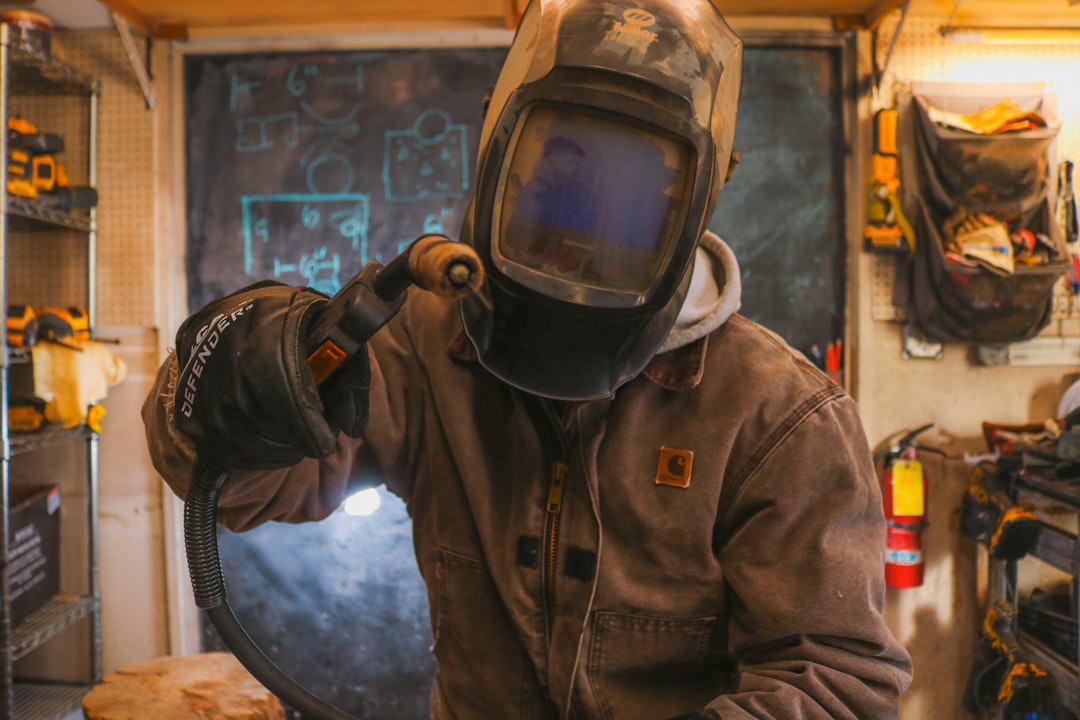
Week one should focus on policy development and designating authorities. Weeks two and three involve training all supervisory staff and safety officers. Subsequently, weeks four and five can include workforce training and a pilot program in one area. Finally, a full site rollout occurs in week six. Continuous monitoring and adjustment are necessary thereafter. This structured approach ensures buy-in and reduces resistance.
- Days 1-7: Develop/Review Policy, Designate Permit Authorizers, Order Materials.
- Days 8-21: Conduct Management & Supervisor Training Sessions.
- Days 22-28: Launch Awareness Campaign for All Workers.
- Days 29-35: Run a Pilot Program in a Controlled Area.
- Days 36-42: Full Site Implementation with Enhanced Supervision.
- Ongoing: Weekly Audits, Monthly Management Reviews, and Annual Refresher Training.
Common Challenges and Solutions
Employers often face practical challenges when implementing permit systems. A common issue is resistance from workers who see it as bureaucratic. The solution is to emphasize the “why” behind each step. Use real incident case studies to demonstrate consequences. Another challenge is maintaining consistency across shifts and subcontractors. Therefore, standardize training and keep permit stations well-stocked and accessible.
Pressure to meet tight project deadlines can also lead to shortcuts. Site leadership must publicly support safety over speed. Additionally, language barriers in multicultural workforces can cause misunderstandings. Use pictograms on permits and provide training in multiple languages. Finally, poor record-keeping undermines the system’s effectiveness. Consider using digital apps that time-stamp entries and prevent unauthorized editing.
- Challenge: Perceived productivity slowdown. Solution: Streamline the permit process with pre-approved areas and standard job plans.
- Challenge: Lack of trained personnel. Solution: Partner with professional recruitment resources to hire certified safety officers.
- Challenge: Subcontractor non-compliance. Solution: Include permit requirements in contractual agreements and pre-qualification.
- Challenge: Complacency over time. Solution: Rotate fire watch duties and conduct surprise hazard simulations.
Expert Recommendations for Success
To achieve excellence in hot work safety, go beyond minimum compliance. Firstly, foster a reporting culture where near-misses are shared without blame. This provides invaluable learning data. Secondly, invest in technology. Thermal imaging cameras can identify hot spots after work. Gas monitors provide continuous atmospheric surveillance. These tools enhance your protective measures.
Thirdly, engage leadership at the highest level. When senior managers visibly participate in safety walks and permit reviews, it sends a powerful message. Fourthly, integrate your permit system with other safety processes like Lockout/Tagout and confined space entry. This creates a unified safety management system. Finally, benchmark your performance against World Bank infrastructure development best practices for world-class results.
- Appoint a dedicated Hot Work Safety Champion on each major project.
- Conduct joint permit-to-work audits with client representatives.
- Subscribe to updates from World Health Organization workplace standards for health considerations.
- Regularly review incident reports from similar industries globally.
- Celebrate safety milestones, like one million hours of hot work without a fire.
- Schedule consultation appointment with safety staffing experts to build your competent team.
Frequently Asked Questions About Hot Work Permits Welding Safety
What is the primary purpose of a hot work permits welding safety system?
The primary purpose is to prevent fires, explosions, and injuries. It systematically identifies hazards and implements controls before authorizing high-risk work. Furthermore, it establishes clear communication and accountability among all involved personnel.
Who is authorized to issue a hot work permit on a construction site?
Only a designated, competent person should issue permits. This is typically a certified safety officer or site supervisor with specific training. Moreover, they must have the authority to stop work and enforce safety requirements.
How long must a fire watch continue after welding stops?
A minimum of 30 minutes is standard, but 60 minutes is often required for higher-risk areas. The fire watch must monitor the work area and adjacent spaces. Additionally, they must have immediate access to firefighting equipment.
What are the consequences of working without a valid permit?
Consequences include immediate work stoppage, heavy fines from authorities, and potential criminal liability for incidents. Furthermore, it violates insurance conditions and can damage a company’s reputation and license to operate.
Can hot work permits be issued for night shifts or weekends?
Yes, but often with additional restrictions. Higher levels of supervision and lighting are typically required. Moreover, the permit authorizer must be present on-site during the work, not just on-call.
Does Allianze HR recruit personnel trained in these safety procedures?
Absolutely. We specialize in sourcing safety officers, welders, and fire watch personnel with verified certifications and practical experience in GCC hot work permits welding safety protocols. Therefore, contact our HR specialists for your staffing needs.
Partner with Allianze HR for Safety Compliance Success
Implementing an effective hot work permits welding safety program is a complex but essential undertaking. It protects your most valuable assets: your people and your project. This guide has outlined the strategic, legal, and practical steps required for GCC compliance. From understanding local regulations to executing best practices, every detail matters. Moreover, the success of any safety system hinges on the competence of the personnel executing it.
Allianze HR Consultancy is your strategic partner in building a safer workforce. We provide access to pre-vetted professionals who understand fire prevention certification and permit procedures. Our deep regional expertise ensures your team is not only skilled but also culturally and legally aligned. Don’t let staffing gaps compromise your site safety. Invest in qualified talent and robust processes to ensure zero incidents.
Take the next step towards unparalleled safety and compliance. Let us help you recruit the certified safety officers, trained welders, and vigilant fire watch personnel your project demands. Together, we can build a culture where safety is the foundation of productivity and success in the dynamic GCC construction landscape.