



Are you confident your workforce has the right hand protection for their specific trade? In the demanding GCC construction and industrial sectors, selecting the correct safety gloves is not just about compliance. It is a critical investment in worker safety, productivity, and legal risk mitigation. This guide demystifies the complex landscape of hand protection glove standards across different trades. Furthermore, we translate technical specifications into actionable insights for employers in the UAE, Saudi Arabia, Qatar, and Kuwait.
Different industries face unique hand injury risks. For instance, a metal fabricator needs cut resistance, while a chemical handler requires impermeable barrier protection. Moreover, regional regulations often reference or mandate international safety standards. Consequently, understanding these benchmarks is essential for creating a safe, compliant, and efficient workplace. This knowledge protects your most valuable asset: your people.
At Allianze HR Consultancy, we’ve successfully placed 10,000+ professionals across UAE, Saudi Arabia, Qatar, and Kuwait. Furthermore, our 5+ years of GCC expertise supports clients from 50+ countries. Moreover, our Ministry of External Affairs (India) RA license ensures compliance. Therefore, contact our recruitment specialists for expert guidance on staffing your projects with safety-conscious talent.
Understanding GCC Workplace Hand Safety Requirements
GCC nations prioritize worker safety through robust regulatory frameworks. For example, UAE’s Ministerial Resolution No. 501 and Saudi Arabia’s Occupational Safety and Health (OSH) standards mandate appropriate Personal Protective Equipment (PPE). Specifically, these regulations require employers to conduct thorough risk assessments. Subsequently, they must provide suitable protective gear, including gloves, based on identified hazards.
Additionally, regional authorities often align with global standards from bodies like the International Labour Organization (ILO). These standards emphasize hazard prevention at the source. Therefore, simply providing any glove is insufficient. Employers must match glove performance to the exact task. This proactive approach reduces accident rates and associated downtime. Moreover, it demonstrates a commitment to international best practices in worker welfare.
Common hand hazards in GCC industries include:
- Mechanical Risks: Cuts, abrasions, punctures, and impacts from machinery, tools, and sharp materials.
- Chemical Risks: Exposure to acids, solvents, oils, and other hazardous substances prevalent in oil & gas and manufacturing.
- Thermal Risks: Burns from extreme heat (welding, foundries) or cold (cold storage, LNG handling).
- Electrical Risks: Shock or arc flash hazards for electrical trades.
- Biological Risks: Exposure to pathogens in healthcare, waste management, or sanitation roles.
Consequently, a one-size-fits-all glove policy creates dangerous gaps in protection. A strategic, trade-specific approach is non-negotiable.
Hand Protection Glove Standards Strategic Overview
Navigating hand protection glove standards requires understanding key global testing protocols. These standards provide a reliable, comparable language for safety performance. First, the EN ISO 21420 standard establishes general requirements for glove design, construction, innocuousness, and marking. This forms the baseline for all protective gloves sold in markets following European norms, which heavily influence GCC regulations.
Furthermore, specific hazard standards define performance levels. For cut resistance, the EN 388:2016 standard is paramount. It tests resistance to abrasion, blade cut, tear, and puncture. Additionally, the ISO 13997 standard measures cut resistance using a straight blade under a load (expressed in Newtons). This provides a more precise rating for high-risk cutting tasks. Employers must cross-reference these ratings with job-specific risks.
Moreover, impact protection follows the EN 16620 standard. This standard rates back-of-hand protection against impact energy. Similarly, chemical resistance is governed by EN 374. This standard tests permeation and degradation against a standard battery of chemicals. Therefore, selecting gloves requires checking the exact chemical codes. Ultimately, a strategic overview connects these technical benchmarks to real-world trade applications for optimal safety.
Legal Framework and Compliance Standards
Compliance in the GCC extends beyond internal policy. It involves adhering to national labor laws and international conventions. For instance, the International Labour Organization standards on occupational safety provide a foundational framework. Additionally, local ministries of labor and human resources enforce specific decrees. In the UAE, the federal government portal outlines employer responsibilities for worker health and safety.
Furthermore, non-compliance carries significant penalties. These include hefty fines, project stoppages, and even imprisonment for severe negligence. Moreover, in the event of an injury, improper PPE provision can lead to full liability for the employer. Consequently, maintaining detailed records of risk assessments and PPE provision is crucial. This documentation proves due diligence during inspections or legal proceedings.
Key compliance steps include:
- Conduct Task-Based Risk Assessments: Identify all potential hand hazards for each specific trade and task.
- Select Certified Gloves: Choose gloves bearing the CE mark (or equivalent) with the correct performance ratings.
- Provide Mandatory Training: Train workers on proper glove use, limitations, donning, doffing, and care.
- Implement a Replacement Program: Establish protocols for inspecting and replacing damaged or worn-out gloves.
- Maintain Audit Trails: Keep logs of PPE issuance, training attendance, and risk assessment reviews.
Therefore, a systematic approach to the legal framework minimizes risk and fosters a culture of safety.
Hand Protection Glove Standards Best Practices
Implementing hand protection glove standards effectively requires moving beyond mere procurement. Best practices integrate glove selection into a holistic safety management system. First, involve workers in the selection process. Their feedback on dexterity, comfort, and fit is invaluable. Uncomfortable gloves often go unused, creating a critical safety gap. Therefore, trial programs with multiple models can identify the best option for each trade.
Additionally, consider the work environment. For example, high-heat areas may require gloves with heat-resistant coatings. Conversely, outdoor work in the GCC sun demands gloves with UV protection. Moreover, glove compatibility with other PPE is essential. A glove cuff must properly interface with a sleeve to prevent chemical ingress. Similarly, it should not interfere with the seal of a protective suit.
Furthermore, establish clear donning and doffing procedures, especially for chemical-resistant gloves. Incorrect removal can contaminate the skin. Consequently, training must be hands-on and repeated regularly. Another best practice is color-coding gloves by task or department. This simplifies inventory management and ensures workers grab the correct protection quickly. Ultimately, these practices ensure that the technical standards deliver their intended real-world protective value.
Documentation and Processing Steps
Robust documentation transforms safety from an idea into a verifiable process. Initially, create a master PPE register listing all glove types in use. This register should link each glove model to its certification standards and approved tasks. Furthermore, for each role, develop a Job Safety Analysis (JSA) sheet. This sheet must explicitly state the required glove type and its performance level against identified hazards.
Next, implement an individual issuance log. This log records when each worker receives specific gloves and the associated training. Moreover, it should include employee signatures acknowledging understanding. Additionally, maintain files containing the manufacturer’s technical data sheets for all glove models. These sheets provide the definitive proof of compliance with relevant OSHA construction industry standards or other benchmarks.
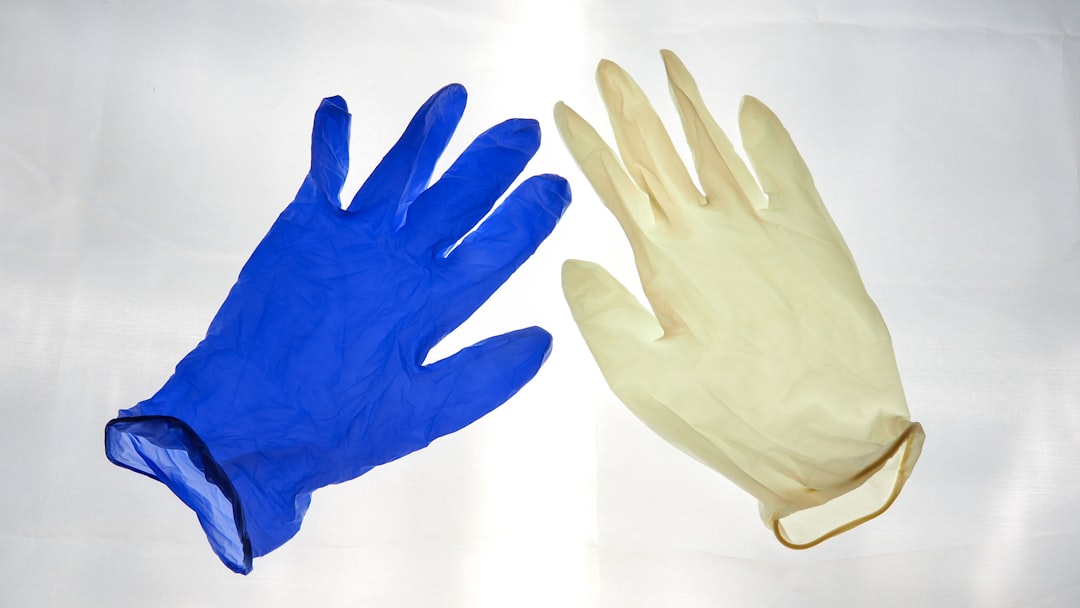
Processing steps for ongoing compliance include:
- Regular Audits: Schedule monthly inspections of glove condition and usage on the worksite.
- Incident Analysis: Investigate any hand injury to determine if glove selection or use was a factor.
- Supplier Reviews: Annually review glove suppliers for certification validity and product quality.
- Policy Updates: Revise glove standards whenever new equipment, materials, or processes are introduced.
- Training Refreshers: Conduct mandatory safety refreshers semi-annually, with practical glove-use demonstrations.
Consequently, thorough documentation provides a clear roadmap for safety officers and undeniable proof of compliance.
Hand Protection Glove Standards Implementation Timeline
Rolling out a new hand protection glove standards program requires careful phasing. A rushed implementation leads to confusion and non-compliance. Therefore, a structured timeline spanning 8-12 weeks is typically effective. The first phase (Weeks 1-2) involves the core safety team conducting a comprehensive hazard review across all trades. This review identifies all current and required glove specifications.
Subsequently, weeks 3-4 focus on research and procurement. This involves sourcing certified glove samples from reputable suppliers. Moreover, it includes cost analysis and budgeting for the initial bulk purchase. Meanwhile, draft the formal glove selection policy and update all JSAs. Next, weeks 5-6 are dedicated to pilot testing. Select a high-risk department to trial the new gloves. Gather worker feedback on comfort, dexterity, and durability.
Finally, weeks 7-12 see the full rollout. This includes the bulk procurement, distribution, and mandatory training sessions for all affected employees. Furthermore, update all documentation registers and issuance logs. Importantly, communicate the “why” behind the change to secure buy-in. Consequently, a methodical timeline ensures smooth adoption, maximizes safety benefits, and embeds the new standards into company culture.
Common Challenges and Solutions
Employers frequently encounter obstacles when implementing glove standards. A common challenge is worker resistance due to discomfort or reduced dexterity. The solution is proactive engagement. Involve workers in selection trials and choose ergonomic designs. Additionally, provide thorough training on how proper protection prevents life-altering injuries. Emphasize that safety never compromises productivity in the long term.
Another challenge is managing costs for specialized, high-performance gloves. However, the cost of a single hand injury far exceeds premium glove prices. The solution is a total cost of ownership analysis. Factor in reduced accident rates, lower insurance premiums, and avoided downtime. Moreover, negotiate bulk purchase agreements with suppliers. Additionally, a proper care and maintenance program extends glove lifespan significantly.
Furthermore, keeping up with changing standards and product innovations can be daunting. The solution is to designate a responsible safety officer. This officer should subscribe to updates from bodies like the International Labour Organization construction safety resources. Moreover, they should attend industry safety exhibitions. Partnering with a knowledgeable PPE supplier also provides access to expert advice on evolving standards and best-in-class products.
Expert Recommendations for Success
For long-term success, integrate hand safety into your organizational DNA. First, leadership must visibly champion the glove standards program. When managers wear the correct PPE, it sets a powerful example. Additionally, recognize and reward safe behaviors publicly. This positive reinforcement builds a stronger safety culture than punitive measures alone.
Moreover, leverage technology for better management. Use digital checklists for PPE inspections on mobile devices. Furthermore, consider implementing barcode systems for glove inventory and issuance tracking. This streamlines documentation and provides real-time data. Also, regularly benchmark your practices against World Health Organization workplace standards and other industry leaders.
Finally, view PPE as the last line of defense. Prioritize engineering controls (machine guards) and administrative controls (safe work procedures) first. The hierarchy of controls remains the gold standard in safety management. Therefore, gloves complement these primary measures. By adopting these expert recommendations, you create a resilient, compliant, and safe working environment that attracts and retains top talent in the competitive GCC market.
Frequently Asked Questions About Hand Protection Glove Standards
What is the most critical standard for hand protection glove standards compliance?
EN ISO 21420 is the foundational standard for all protective gloves. However, the most critical standards are hazard-specific: EN 388 for mechanical risks, EN 374 for chemicals, and EN 16620 for impact. Compliance requires selecting gloves with the correct certification for the identified task risks.
How often should safety gloves be replaced?
Replacement frequency depends on use, abrasion, and chemical exposure. Conduct daily pre-use inspections for cuts, tears, or degradation. Generally, replace gloves immediately upon damage. For chemical handling, follow the manufacturer’s permeation breakthrough time guidelines, even if no damage is visible.
Can one glove type be used for multiple trades?
Rarely. Using a general-purpose glove for high-risk tasks is dangerous. For example, a general leather glove offers no chemical protection. Always select gloves based on a task-specific risk assessment. Different trades have distinct hazard profiles requiring specialized hand protection solutions.
How does Allianze HR support workplace safety compliance?
We recruit safety-conscious professionals and emphasize the importance of PPE compliance during onboarding. Furthermore, we guide clients on regional labor laws regarding worker welfare. Moreover, our professional recruitment resources include best practices for creating safe work environments from the ground up.
Are there specific glove standards for the extreme GCC climate?
While standards like EN 388 are global, glove material choice must consider heat. Look for breathable, heat-resistant materials for outdoor summer work. Additionally, ensure chemical-resistant gloves are suitable for the specific solvents used in high-temperature processes common in regional industries.
What is the employer’s liability if a worker gets injured without proper gloves?
Liability is typically high. GCC labor laws place a duty of care on employers to provide adequate PPE. Failure to provide gloves meeting the correct hand protection glove standards for the task can result in full financial liability for the injury, government fines, and potential criminal negligence charges.
Partner with Allianze HR for Hand Safety Success
Implementing rigorous hand protection glove standards is a cornerstone of modern workforce management in the GCC. This guide has detailed the critical standards, compliance frameworks, and best practices tailored to different trades. From construction and manufacturing to oil & gas and facilities management, the right glove is a simple yet profound safety tool. Moreover, a systematic approach protects your employees, your projects, and your corporate reputation.
Ultimately, safety excellence requires expert partnership. At Allianze HR, we understand that a safe workplace begins with the right people and the right protocols. Our recruitment expertise ensures you hire personnel who value and adhere to safety standards. Furthermore, our deep regional knowledge helps you navigate the compliance landscape with confidence. Let us help you build a safer, more productive, and fully compliant workforce.
Do not leave hand safety to chance. Contact our HR specialists today to discuss your staffing needs and how we can support your comprehensive safety culture. Alternatively,