


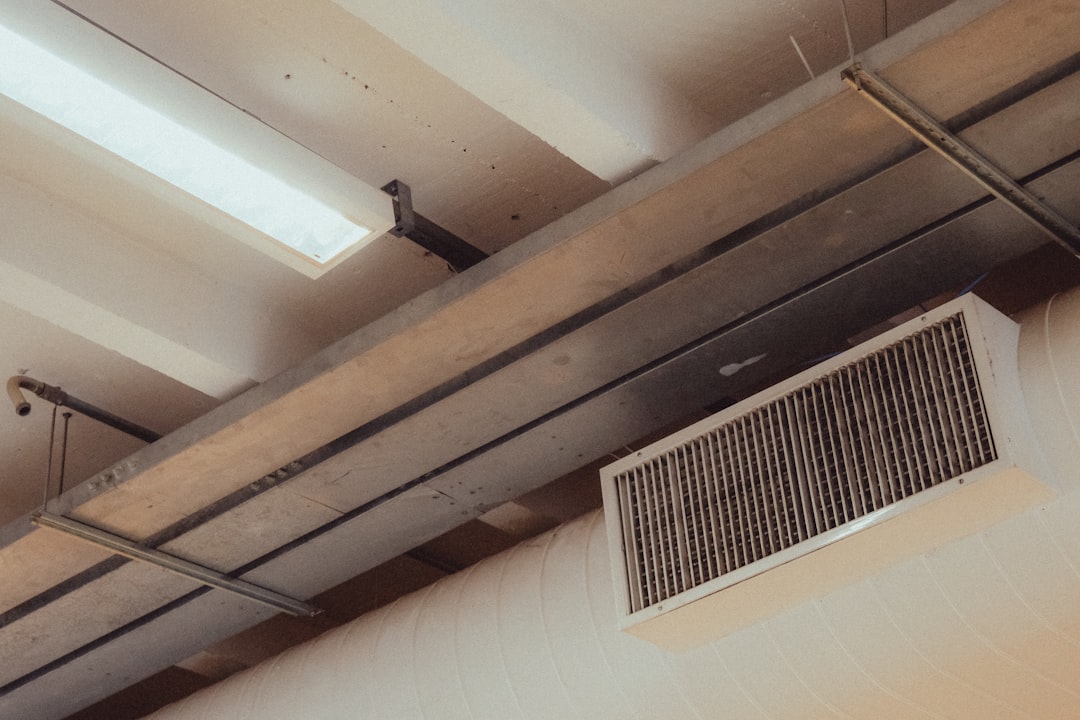
How can you ensure your worker accommodations meet the latest indoor air quality standards in the GCC? Furthermore, proper ventilation is a critical compliance requirement. Moreover, it directly impacts worker health, productivity, and legal standing. Therefore, understanding ventilation standards indoor air quality is essential for all employers in construction, hospitality, and facilities management.
The Gulf region’s climate presents unique challenges for maintaining fresh air. Additionally, high-density labor accommodations require robust mechanical systems. Consequently, GCC authorities enforce strict specifications for fresh air exchange. These regulations protect worker welfare and prevent occupational health hazards. Failure to comply results in significant penalties and project delays.
At Allianze HR Consultancy, we’ve successfully placed 10,000+ professionals across UAE, Saudi Arabia, Qatar, and Kuwait. Furthermore, our 5+ years of GCC expertise supports clients from 50+ countries. Moreover, our Ministry of External Affairs (India) RA license ensures compliance. Therefore, contact our recruitment specialists for expert guidance on staffing your projects with personnel trained in these vital standards.
Understanding GCC Indoor Environmental Quality Mandates
GCC nations prioritize worker health through comprehensive environmental regulations. Specifically, indoor air quality (IAQ) forms a core component of these mandates. Additionally, authorities like the UAE’s Ministry of Human Resources and Emiratisation set clear benchmarks. Consequently, employers must design accommodations with adequate ventilation from the start.
These standards address several critical factors. First, they define minimum fresh air rates per occupant. Second, they specify filtration requirements for desert environments. Third, they mandate regular maintenance and monitoring protocols. Moreover, compliance is verified during routine labor camp inspections. Non-compliance can lead to work permit suspensions.
- Minimum cubic meter per hour per person requirements.
- Specific filtration grades for particulate matter (PM2.5, PM10).
- Maximum allowable levels for carbon dioxide (CO2) and volatile organic compounds (VOCs).
- Mandatory ventilation system maintenance logs and records.
- Requirements for natural ventilation supplementation where possible.
Therefore, a proactive approach to IAQ management is non-negotiable. For example, the World Health Organization indoor air quality guidelines often inform regional standards. Partnering with knowledgeable consultants ensures your facilities meet all local and international benchmarks.
Ventilation Standards Indoor Air Quality Strategic Overview
Implementing effective ventilation standards indoor air quality protocols requires strategic planning. First, assess your current accommodation infrastructure against GCC requirements. Next, identify gaps in mechanical systems or natural airflow. Subsequently, develop a phased upgrade plan aligned with your operational budget.
This strategic overview must consider several operational layers. Furthermore, different building types demand tailored solutions. For instance, modular camps differ from permanent structures. Moreover, kitchen and common area ventilation needs exceed sleeping quarters. Therefore, a one-size-fits-all approach will fail compliance audits.
- Conduct a baseline IAQ audit with professional testing equipment.
- Map ventilation system coverage across all accommodation blocks.
- Calculate occupant density against fresh air supply capacity.
- Review existing maintenance contracts and service frequency.
- Develop a staff training program on basic IAQ awareness.
Consequently, strategic implementation protects your workforce and your business. Additionally, it demonstrates a commitment to international best practices. Resources like the International Labour Organization workplace safety standards provide a valuable framework. Ultimately, a clear strategy turns compliance from a cost into a competitive advantage.
Legal Framework and Compliance Standards
The GCC legal framework for indoor air is robust and evolving. Specifically, each member state issues its own ministerial decrees and specifications. However, common principles underpin all regional regulations. Moreover, these laws integrate with broader worker welfare and accommodation standards.
Key legal instruments mandate specific technical requirements. For example, Saudi Arabia’s Ministry of Labor regulations detail ventilation rates. Similarly, Qatar’s Ministry of Administrative Development sets strict IAQ limits. Consequently, employers operating across borders must navigate multiple regulatory bodies.
- UAE Ministerial Resolution No. 44 of 2022 on Occupational Health and Safety.
- Saudi Arabian Royal Decree M/51 on Labor Law and its executive regulations.
- Qatar’s Law No. 15 of 2017 on Worker Accommodation Standards.
- Kuwait’s Law No. 6 of 2010 and subsequent PAM amendments.
- Oman’s Ministerial Decision 286/2008 on Health and Safety Conditions.
Therefore, maintaining compliance demands continuous monitoring. Additionally, legal updates occur frequently. Furthermore, penalties for violations include heavy fines and project stoppages. Hence, expert guidance is crucial. Regularly consulting official portals like the UAE green building regulations provides updates on sustainability-linked IAQ rules.
Ventilation Standards Indoor Air Quality Best Practices
Adopting industry best practices for ventilation standards indoor air quality ensures superior outcomes. First, integrate IAQ considerations during the accommodation design phase. Second, select mechanical systems with adequate capacity for peak occupancy. Third, implement a continuous monitoring regime with digital sensors.
These best practices extend beyond mere compliance. Moreover, they create a healthier, more productive living environment. Consequently, worker satisfaction and retention rates improve. Additionally, proactive maintenance reduces long-term system failure costs. Therefore, view IAQ management as a core operational function.
- Install CO2 and VOC sensors with real-time dashboard alerts.
- Schedule bi-annual professional duct cleaning and filter replacement.
- Create clear protocols for increasing ventilation during illness outbreaks.
- Use energy recovery ventilators (ERVs) to manage humidity and temperature.
- Design spaces with operable windows to supplement mechanical systems.
Furthermore, benchmarking against global standards is wise. For instance, guidelines from the International Facility Management Association offer advanced insights. Meanwhile, training your facilities management staff on these practices is essential. Ultimately, best practices transform minimum standards into excellence benchmarks.
Documentation and Processing Steps
Robust documentation proves compliance with ventilation mandates. First, maintain detailed as-built drawings of all mechanical ventilation systems. Second, keep comprehensive logs of all maintenance activities. Third, retain copies of all equipment manuals and warranty certificates.
The documentation process involves several key steps. Initially, compile all system design and installation certificates. Next, establish a digital record-keeping system for easy access during inspections. Subsequently, train a dedicated staff member on documentation management protocols.
- System design calculations and engineer approval stamps.
- Commissioning reports showing achieved airflow rates.
- Quarterly maintenance reports with technician signatures.
- Filter replacement logs with dates and filter grade details.
- Annual third-party IAQ testing and audit reports.
Therefore, organized documentation is your first defense during audits. Moreover, it provides data for continuous improvement. Additionally, it demonstrates due diligence to authorities. Accessing professional recruitment resources can help you find qualified personnel to manage this critical function. Proper records turn subjective assessments into objective compliance evidence.
Ventilation Standards Indoor Air Quality Implementation Timeline
Executing an upgrade to meet ventilation standards indoor air quality requires a realistic timeline. Phase one involves assessment and planning over 2-4 weeks. Phase two covers procurement and contractor selection for another 3-5 weeks. Finally, phase three entails installation and commissioning over 4-8 weeks.
Several factors influence this implementation schedule. Furthermore, project scale and accommodation occupancy are primary drivers. Moreover, supply chain logistics for specialized equipment can cause delays. Consequently, building buffer time into your plan is prudent.
- Weeks 1-4: Conduct gap analysis and develop technical specifications.
- Weeks 5-8: Finalize tender documents and award contracts.
- Weeks 9-14: Execute installation with minimal worker disruption.
- Weeks 15-16: Commission systems and verify performance metrics.
- Ongoing: Establish monitoring, maintenance, and reporting cycles.
Hence, a typical project spans three to four months. Additionally, planning for worker relocation during upgrades is often necessary. Therefore, early engagement with a knowledgeable partner is critical. Insights from World Bank urban development reports can inform large-scale accommodation upgrade projects. A clear timeline ensures systematic progress and budget control.
Common Challenges and Solutions
Employers face several common challenges in maintaining IAQ standards. First, older accommodation blocks often have undersized or outdated systems. Second, high occupancy density strains designed ventilation capacity. Third, desert dust rapidly clogs filters, reducing system efficiency.
Fortunately, practical solutions exist for each challenge. For outdated systems, consider phased retrofits with modern, efficient units. For high density, explore supplemental air purification devices. For dust issues, implement more frequent filter inspection cycles and use higher-grade filters.
- Challenge: Budget constraints for major system overhauls. Solution: Prioritize upgrades based on risk assessment and phased funding.
- Challenge: Lack of technical expertise on-site. Solution: Partner with specialized FM service providers for managed services.
- Challenge: Keeping up with changing regulations. Solution: Subscribe to regulatory updates from chambers of commerce.
- Challenge: Worker behavior impacting ventilation. Solution: Launch awareness campaigns on keeping vents unblocked.
- Challenge: Energy cost of running ventilation. Solution: Invest in variable speed drives and energy recovery systems.
Therefore, anticipating these hurdles allows for proactive management. Moreover, each solution improves overall operational resilience. Additionally, consulting global health resources like the World Health Organization workplace health guidelines provides evidence-based strategies. Addressing challenges systematically turns potential liabilities into managed operational factors.
Expert Recommendations for Success
Following expert recommendations ensures long-term success in IAQ management. First, appoint a dedicated “IAQ Officer” within your facilities team. Second, integrate IAQ KPIs into your overall facility management dashboard. Third, foster a culture where workers can report air quality concerns without hesitation.
These recommendations focus on building systemic capability. Furthermore, they move beyond technical fixes to encompass people and process. Consequently, they create a sustainable model for compliance and excellence. Moreover, they align with broader trends in smart building management and occupant wellness.
- Conduct annual refresher training for all maintenance staff on latest standards.
- Benchmark your IAQ performance against similar industries in the region.
- Invest in IoT-based monitoring for predictive maintenance and alerts.
- Include IAQ compliance as a key item in senior management review meetings.
- Engage with industry forums to share learnings and stay ahead of regulations.
Hence, a holistic approach delivers the best results. Additionally, leveraging external expertise accelerates your learning curve. To discuss implementing these recommendations, schedule consultation appointment with our specialists. Ultimately, treating air quality as a core component of worker welfare is the hallmark of a responsible employer.
Frequently Asked Questions About Ventilation Standards Indoor Air Quality
What is the penalty for violating ventilation standards indoor air quality rules?
Penalties vary by GCC country but are significant. They often include substantial fines, work permit blocks for new recruits, and mandatory closure of non-compliant accommodations until rectified. Repeated violations can lead to blacklisting of the company.
How often should mechanical ventilation systems be serviced?
Most GCC regulations require quarterly professional inspections. Furthermore, filter checks and cleaning should occur monthly in dusty environments. Additionally, a full system overhaul and duct cleaning is mandated annually. Detailed service logs must be available for inspection.
Can natural ventilation replace mechanical systems?
Natural ventilation can supplement but rarely replace mechanical systems in high-density GCC accommodations. Specifically, mechanical ventilation ensures consistent fresh air exchange regardless of external weather conditions. Moreover, it allows for proper filtration of outdoor dust and pollutants.
What are the key metrics measured in an IAQ audit?
A professional audit measures carbon dioxide (CO2) levels, particulate matter (PM2.5/PM10), volatile organic compounds (VOCs), temperature, and relative humidity. Additionally, it verifies actual airflow rates against design specifications. These metrics provide a complete indoor environmental picture.
Does Allianze HR assist with recruiting FM staff for IAQ management?
Yes, we specialize in recruiting qualified facilities management, HVAC technicians, and EHS officers. These professionals are essential for implementing and maintaining robust ventilation standards indoor air quality protocols. Our network includes candidates trained in the latest GCC regulations.
Where can I find the official GCC ventilation standard documents?
Official standards are published on each country’s Ministry of Labor or equivalent website. For example, the Saudi Ministry of Labor portal provides decrees. Additionally, local civil defense and municipality websites often host related fire and safety codes that include ventilation.
Partner with Allianze HR for IAQ Compliance Success
Implementing robust ventilation standards indoor air quality protocols is a multifaceted challenge. It requires technical knowledge, strategic planning, and continuous management. Furthermore, GCC regulations will only become more stringent as focus on worker welfare intensifies. Therefore, proactive compliance is the most cost-effective and responsible path forward.
Success hinges on having the right people and processes in place. From facilities managers to HVAC technicians, skilled personnel are your first line of defense. Moreover, a culture of safety and compliance must permeate your organization. Consequently, partnering with an expert recruitment firm ensures you build a capable team.
Allianze HR Consultancy provides the strategic talent solutions you need. We understand the intricate link between proper staffing and operational compliance. Our experts can help you recruit professionals who are not only technically skilled but also versed in GCC’s unique regulatory landscape. Let us help you create safer, healthier, and fully compliant accommodations for your workforce. Contact our HR specialists