


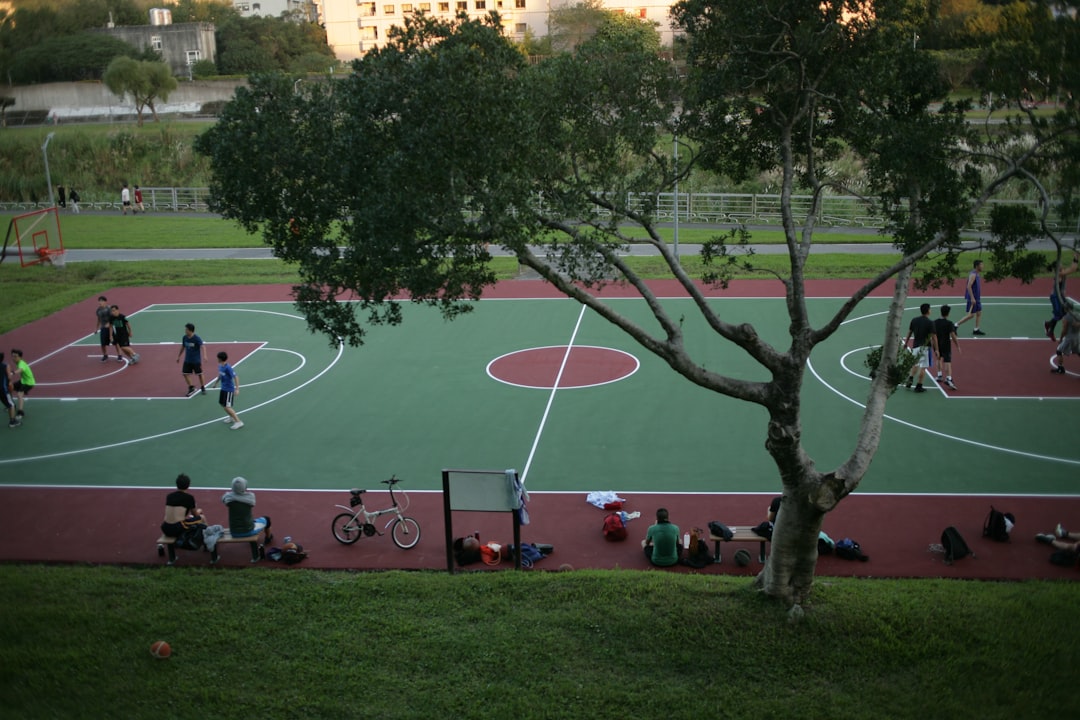
How can you design common areas recreation space that boosts morale and ensures compliance for 500 workers? Furthermore, the GCC’s competitive labor market demands exceptional worker welfare. Additionally, strategic leisure facility planning directly impacts productivity and retention. Therefore, understanding common areas recreation space requirements proves essential for modern employers. This comprehensive guide provides the specifications and calculations you need.
GCC nations enforce strict labor welfare regulations. Moreover, these standards cover accommodation and recreational facilities comprehensively. Consequently, employers must allocate appropriate space for worker leisure. Specifically, facilities must support physical and mental wellbeing. Proper planning prevents costly non-compliance penalties. It also enhances your employer brand significantly.
At Allianze HR Consultancy, we’ve successfully placed 10,000+ professionals across UAE, Saudi Arabia, Qatar, and Kuwait. Furthermore, our 5+ years of GCC expertise supports clients from 50+ countries. Moreover, our Ministry of External Affairs (India) RA license ensures compliance. Therefore, contact our recruitment specialists for expert guidance on workforce accommodation and welfare planning.
Understanding GCC Worker Welfare Standards
GCC labor laws prioritize employee wellbeing beyond the worksite. Specifically, regulations mandate adequate living and leisure conditions. For example, Saudi Arabia’s Ministry of Human Resources sets clear accommodation codes. Similarly, UAE’s Ministerial Resolution No. 44 of 2022 outlines welfare requirements. These standards ensure dignified living for all workers.
Furthermore, recreational facilities form a core component of these mandates. They are not optional amenities but legal requirements. Consequently, employers must integrate them into camp master plans. Moreover, facilities must cater to diverse cultural and recreational needs. This approach fosters an inclusive community environment.
Key welfare principles include accessibility, safety, and variety. Additionally, facilities must be maintained to high hygiene standards. Regular inspections by authorities ensure ongoing compliance. Therefore, proactive facility management is crucial. Partnering with experts like Allianze HR simplifies this complex process.
- Mandated separation of living, dining, and recreation zones.
- Minimum area per person in accommodation blocks.
- Requirements for shaded outdoor areas and green spaces.
- Specifications for indoor multipurpose halls and game rooms.
- Accessibility standards for workers with disabilities.
Common Areas Recreation Space Strategic Overview
Strategic planning for common areas recreation space requires a holistic approach. First, analyze your workforce demographics and preferences. For instance, a young workforce may prioritize sports facilities. Conversely, a diverse age group needs varied leisure options. Therefore, engagement surveys provide valuable planning insights.
Next, integrate recreation zones within the overall camp layout. Importantly, these areas should be easily accessible from all accommodation blocks. Moreover, consider noise separation from quiet sleeping areas. Additionally, ensure safe pedestrian pathways connect all facilities. This strategic placement maximizes usage and convenience.
Budget allocation is another critical consideration. While compliance sets minimums, exceeding standards offers competitive advantages. Furthermore, quality recreational facilities reduce staff turnover significantly. They also decrease absenteeism and improve overall morale. Consequently, view this investment as a strategic business decision.
- Demographic analysis to tailor facility offerings.
- Zoning for indoor, outdoor, active, and passive recreation.
- Accessibility planning for shift workers and different schedules.
- Budget forecasting for construction, equipment, and maintenance.
- Technology integration for entertainment and connectivity.
Legal Framework and Compliance Standards
GCC compliance frameworks for worker accommodation are detailed. For example, Qatar’s Ministerial Decision No. 17 of 2021 specifies camp requirements. Similarly, Abu Dhabi’s green building regulations influence facility design. Moreover, the International Labour Organization provides global benchmarks. Understanding these layers is essential for compliance.
Authorities conduct regular, unannounced inspections. Consequently, maintaining standards is an ongoing obligation. Penalties for non-compliance include fines, project stoppages, and recruitment bans. Furthermore, reputational damage can affect future hiring. Therefore, establishing robust internal audit processes is advisable.
Documentation proves your compliance during inspections. Maintain detailed records of facility layouts, maintenance logs, and usage schedules. Additionally, keep all design approvals and inspection certificates on file. Moreover, update these documents whenever modifications occur. This proactive documentation management prevents compliance issues.
- Country-specific ministerial decrees and executive regulations.
- Municipality approvals for building plans and occupancy.
- Health and safety certifications for all equipment.
- Fire department clearances for assembly areas.
- Environmental guidelines for waste management and noise.
Common Areas Recreation Space Best Practices
Implementing common areas recreation space best practices ensures success. First, create multifunctional zones that serve various activities. For example, a hall can host prayers, meetings, and evening movies. Moreover, flexible furniture allows quick reconfiguration. This maximizes utility from every square meter.
Second, prioritize natural light and ventilation in all designs. According to World Health Organization guidelines, indoor air quality impacts health. Therefore, incorporate windows, skylights, and efficient HVAC systems. Additionally, use energy-efficient lighting to reduce operational costs.
Third, engage workers in the planning and feedback process. Establish a recreation committee with worker representatives. Furthermore, use suggestion boxes and regular surveys. This inclusive approach ensures facilities meet actual needs. It also fosters a sense of ownership and community.
- Modular design for future expansion or reconfiguration.
- Durable, easy-to-clean materials for high-traffic areas.
- Clear signage in multiple languages for easy navigation.
- Scheduled maintenance programs to prevent facility degradation.
- Digital entertainment options like Wi-Fi and streaming capabilities.
Documentation and Processing Steps
Securing approvals for recreational facilities involves multiple steps. Initially, submit detailed architectural drawings to the relevant municipality. These plans must show all common areas recreation space calculations. Moreover, they must comply with local zoning and setback rules. Consequently, working with experienced local architects is crucial.
Next, obtain a No Objection Certificate (NOC) from the civil defense department. This certifies that fire safety measures are integrated. Additionally, the health department must approve sanitation facilities. Furthermore, the Ministry of Labor will inspect before issuing the final camp license. Each step requires specific documentation.
Finally, maintain an operational file for ongoing compliance. This includes equipment warranties, staff training records, and incident reports. Moreover, log all repairs and safety inspections. This organized approach simplifies renewal processes. It also demonstrates due diligence to authorities.

- Architectural and engineering drawings with area calculations.
- Civil defense and fire safety plan approvals.
- Health department clearance certificates.
- Ministry of Labor inspection and licensing documents.
- Operational manuals and emergency response procedures.
Common Areas Recreation Space Implementation Timeline
The implementation timeline for common areas recreation space varies. Typically, the process spans 6 to 9 months from design to occupancy. First, the design and approval phase takes 2-3 months. This includes site surveys, concept development, and authority submissions. Delays often occur during municipal review cycles.
Second, the construction and fit-out phase requires 3-4 months. Weather, material availability, and labor can affect this timeline. Moreover, specialized equipment like gym machines may have long lead times. Therefore, early procurement planning is essential. Phased opening of facilities can allow earlier partial use.
Third, the final inspection and licensing phase takes 4-6 weeks. Authorities will test all systems and verify compliance. Subsequently, they issue the operational license. Meanwhile, train your facilities management team on maintenance protocols. This ensures a smooth handover and sustainable operation.
- Months 1-3: Design, engineering, and permit applications.
- Months 4-7: Construction, fit-out, and equipment installation.
- Month 8: Pre-inspection testing and staff training.
- Month 9: Final authority inspections and license issuance.
- Ongoing: Monthly maintenance and quarterly compliance audits.
Common Challenges and Solutions
Employers face several challenges when developing recreational facilities. A common issue is space constraints on compact camp sites. Consequently, creative vertical or multi-level designs become necessary. For example, rooftop gardens or terraces can provide outdoor space. Moreover, foldable or stackable equipment saves floor area.
Another challenge is managing diverse cultural preferences and sensitivities. A solution is to create separate zones for different activities. For instance, provide quiet reading rooms alongside active sports courts. Additionally, schedule usage times to accommodate various groups. Clear communication of rules prevents conflicts.
Budget overruns are also frequent. To mitigate this, develop a detailed cost breakdown during planning. Include contingencies for material price fluctuations. Furthermore, consider phased implementation of non-essential amenities. Partnering with a consultancy like Allianze provides access to vetted vendors and cost-effective solutions.
- Challenge: Limited land area. Solution: Multi-functional and vertical design.
- Challenge: High maintenance costs. Solution: Durable materials and preventive schedules.
- Challenge: Low utilization rates. Solution: Worker engagement and activity programming.
- Challenge: Vandalism or misuse. Solution: Clear governance and community stewardship.
- Challenge: Evolving regulations. Solution: Continuous monitoring and expert partnership.
Expert Recommendations for Success
For long-term success, integrate recreation space planning with your overall HR strategy. First, link facility quality to your talent acquisition messaging. Showcase these amenities during recruitment. Moreover, highlight them in employer branding materials. This attracts quality candidates in competitive markets.
Second, appoint a dedicated welfare or facilities officer. This person manages daily operations and gathers feedback. Furthermore, they ensure compliance with all facility management best practices. Additionally, they organize events and tournaments to boost engagement. This dedicated oversight maximizes return on investment.
Finally, plan for future scalability. Your workforce may grow or change. Therefore, design infrastructure that can expand. For instance, oversize electrical conduits for future additions. Moreover, leave undeveloped land pockets for phase-two facilities. This forward-thinking approach, supported by urban development principles, protects your investment.
- Integrate recreation planning with CSR and employer branding initiatives.
- Establish KPIs for facility usage, satisfaction, and impact on retention.
- Partner with local sports clubs or event organizers for activities.
- Implement a digital booking system for popular facilities like courts.
- Regularly benchmark your facilities against industry leaders.
Frequently Asked Questions About Common Areas Recreation Space
What is the minimum area for common areas recreation space for 500 workers?
Minimum area calculations typically require 0.5 to 1.0 square meters per worker. Therefore, for 500 workers, you need 250 to 500 sqm of dedicated recreational space. Furthermore, this is separate from dining, prayer, and sleeping areas. Country-specific regulations provide exact formulas. Consequently, consult our specialists for precise compliance guidance.
What essential facilities must a recreation area include?
Essential facilities include a multipurpose hall, outdoor sports courts, shaded seating areas, and indoor game rooms. Additionally, consider prayer rooms, libraries, and TV lounges. Moreover, basic amenities like drinking water and toilets are mandatory. The specific mix depends on workforce demographics and local climate conditions.
How do GCC country regulations differ for leisure facilities?
Regulations differ in prescribed area per person, required facility types, and inspection frequency. For example, Saudi Arabia mandates very specific sports facilities. Conversely, UAE emirates may have varying green space requirements. Therefore, understanding local ministry guidelines is critical for each project location.
Can recreational spaces be shared between adjacent labor camps?
Sharing is sometimes possible with prior written approval from authorities. However, each camp usually requires its own dedicated minimum facilities. Shared facilities must have sufficient capacity for all users. Moreover, access control and management agreements must be formalized. This complex arrangement requires careful legal and logistical planning.
What are the penalties for non-compliant recreation facilities?
Penalties include substantial fines, suspension of new work permits, and project stoppages. Repeated violations can lead to blacklisting and deportation of responsible managers. Furthermore, reputational damage affects future recruitment. Therefore, proactive compliance, guided by international standards, is far more cost-effective.
How does Allianze HR support recreation facility planning?
We provide end-to-end support from regulatory consultation to vendor management. Our team interprets local labor laws and connects you with approved architects. Moreover, we help design activity programs to ensure high facility utilization. Additionally, our professional recruitment resources include welfare planning templates. This holistic approach ensures compliant and vibrant worker communities.
Partner with Allianze HR for Welfare Facility Success
Designing and operating compliant common areas recreation space is a complex undertaking. It requires balancing legal mandates, budgetary constraints, and human needs. Furthermore, GCC regulations continue to evolve towards higher welfare standards. Therefore, a strategic, well-informed approach is not just beneficial—it’s essential for operational license and workforce stability.
Investing in quality leisure facilities yields significant returns. It enhances employee wellbeing, reduces turnover, and strengthens your corporate reputation. Moreover, it demonstrates a genuine commitment to your workforce, aligning with global ESG principles. Consequently, this investment supports both ethical operations and business performance.
Allianze HR Consultancy simplifies this critical aspect of workforce management. Our experts guide you through design, compliance, and implementation. We ensure your facilities meet all common areas recreation space requirements efficiently. Ready to build a compliant and engaging environment for your 500 workers? Schedule a consultation appointment with our welfare planning specialists today. Let’s create a space where your workforce can truly thrive.