


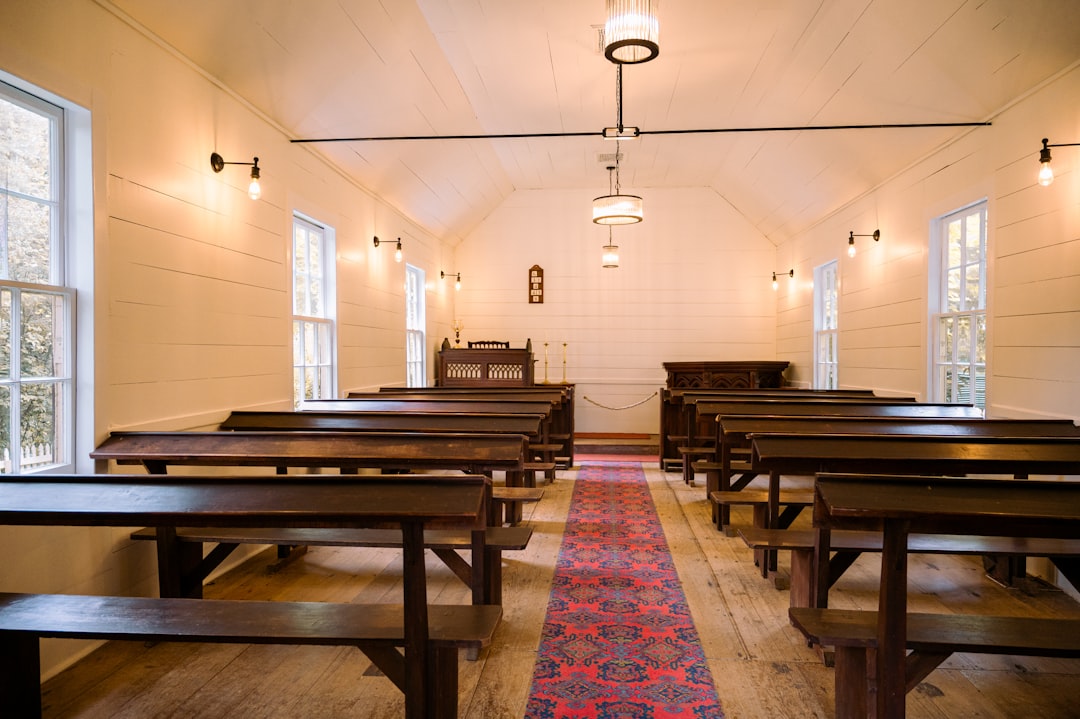
How can employers in the GCC ensure their labor camp facilities meet both legal mandates and the spiritual needs of their diverse workforce? Providing appropriate prayer rooms and religious facilities in labor camps is not merely a compliance checkbox. Furthermore, it is a fundamental aspect of worker welfare and cultural respect. Consequently, understanding the specific requirements for Islamic worship areas and ablution facilities is essential. This comprehensive guide addresses the critical specifications for prayer rooms labor camps to help you build a compliant and respectful environment.
The Gulf Cooperation Council region hosts millions of expatriate workers from various religious backgrounds. Moreover, Islamic principles form the cornerstone of social and labor laws across member states. Therefore, employers have a legal and ethical duty to accommodate religious practices. Additionally, proper facilities significantly boost morale, productivity, and social cohesion within worker accommodations. Ignoring these requirements can lead to severe penalties and reputational damage.
At Allianze HR Consultancy, we’ve successfully placed 10,000+ professionals across UAE, Saudi Arabia, Qatar, and Kuwait. Furthermore, our 5+ years of GCC expertise supports clients from 50+ countries in navigating complex labor regulations, including welfare facility compliance. Moreover, our Ministry of External Affairs (India) RA license ensures all our practices meet the highest standards. Therefore, contact our recruitment specialists for expert guidance on creating holistic and compliant labor camp environments.
Understanding GCC Worker Welfare Mandates
GCC countries enforce stringent worker welfare standards. These standards cover accommodation, healthcare, and recreational facilities. Additionally, they explicitly include provisions for religious observance. For instance, the UAE’s Ministerial Resolution No. 44 of 2022 outlines accommodation specifications. Similarly, Saudi Arabia’s Housing Program under Vision 2030 sets clear benchmarks.
Consequently, employers must view religious facilities as core infrastructure. This perspective aligns with international best practices. The International Labour Organization workplace safety guidelines emphasize holistic worker wellbeing. Furthermore, providing worship spaces demonstrates corporate social responsibility. It also fosters a stable and dedicated workforce.
Key welfare components include clean living spaces, dining halls, and medical clinics. Moreover, prayer halls and ablution areas are non-negotiable elements. Employers must budget for these facilities during the initial planning phase. Proper implementation prevents costly retrofits and legal complications later.
- Accommodation space per worker as per local law.
- Access to clean water and sanitation facilities.
- Dedicated, clean, and maintained worship areas.
- Separation of facilities by gender where applicable.
- Regular inspections by relevant labor authorities.
Prayer Rooms Labor Camps Strategic Overview
Developing effective prayer rooms labor camps requires strategic planning. First, assess the demographic and religious composition of your workforce. This assessment determines the size and number of required facilities. Moreover, location within the camp is critical. Ideally, prayer rooms should be centrally accessible to all residents.
Second, consider the five daily prayer times in Islam. Therefore, the facility must be available 24/7. It must also be well-lit, ventilated, and clean at all hours. Additionally, sound management for the Adhan (call to prayer) must be considered. Some camps use a centralized speaker system. Others designate specific times for communal prayer.
Third, integrate these facilities into your overall camp management plan. Assign responsibility for cleaning and maintenance. Furthermore, establish clear usage guidelines to ensure respect and order. This strategic approach ensures the space serves its purpose effectively. It also minimizes potential conflicts among residents.
- Conduct a workforce demographic analysis.
- Choose central, easily accessible locations.
- Ensure 24/7 access with proper lighting.
- Develop clear maintenance and usage protocols.
- Plan for quiet and respectful atmospheres.
Legal Framework and Compliance Standards
Compliance starts with understanding the local legal framework. Each GCC nation has specific decrees governing labor accommodations. For example, Qatar’s Law No. 21 of 2015 regulates the entry, exit, and residency of expatriates. It includes welfare provisions. Similarly, the Saudi Ministry of Labor regulations provide detailed accommodation rules.
Authorities conduct regular and surprise inspections of labor camps. Consequently, non-compliance results in heavy fines, work permit blocks, or even project shutdowns. Moreover, the International Labour Organization standards provide an international benchmark. Aligning with these enhances your global reputation.
Documentation is equally important. Maintain records of facility designs, inspection reports, and maintenance logs. This documentation proves compliance during audits. Furthermore, engage with local authorities during the planning stage. Their pre-approval can prevent design errors. Always stay updated on legal amendments.
- Review UAE Ministerial Resolution No. 44 of 2022.
- Study Saudi Arabia’s Worker Accommodation Standards.
- Understand Qatar’s Ministry of Labour welfare guidelines.
- Prepare for regular government inspections.
- Keep all design and compliance certificates on file.
Prayer Rooms Labor Camps Best Practices
Implementing prayer rooms labor camps best practices ensures functionality and respect. First, the prayer area must be spacious enough for the intended number of worshippers. A general rule is at least 1 square meter per person. Furthermore, the room must be free of images or statues. The direction of Qibla (towards Mecca) must be clearly marked.
Second, flooring is critical. Use clean, durable, and non-slip materials. Carpets or prayer mats must be provided and regularly cleaned. Additionally, proper storage for personal items like shoes should be available at the entrance. Good ventilation and air conditioning are mandatory in the GCC climate.
Third, separate facilities for men and women are often required or strongly recommended. If space is limited, designated separate prayer times can be arranged. However, permanent separation is the preferred standard. These practices show deep cultural sensitivity. They also align with World Health Organization workplace health guidelines for dignified environments.
- Ensure 1 sqm minimum space per worshipper.
- Clearly mark the Qibla direction on a wall.
- Install non-slip, easy-to-clean flooring.
- Provide clean prayer mats and shoe storage.
- Create separate, dignified spaces for women.
Ablution Facility Specifications and Design
Ablution (Wudu) facilities are inseparable from prayer rooms. These areas must be designed for ritual washing before prayers. Specifically, they should be located adjacent to or very near the prayer hall. The design must ensure privacy and hygiene. Additionally, facilities must accommodate multiple users simultaneously to prevent crowding before congregational prayers.
The key component is the provision of clean, running water. Traditional floor-level taps with stools are common and culturally appropriate. However, modern, water-efficient fixtures are also acceptable. Furthermore, each ablution station needs drainage to handle flowing water. The floors and walls should use waterproof, mold-resistant materials.
Separate gender-specific ablution areas are absolutely mandatory. These must have secure doors and partitions. Moreover, a continuous supply of clean towels or air dryers should be available. Regular cleaning throughout the day is non-negotiable. Proper waste bins must be placed conveniently. This attention to detail reflects respect for religious practice and aligns with UAE green building regulations on water efficiency.
- Locate facilities directly next to prayer halls.
- Install floor-level taps with stools and proper drainage.
- Use waterproof, slip-resistant tiles throughout.
- Ensure strict separation between male and female areas.
- Schedule cleaning multiple times daily.
Prayer Rooms Labor Camps Implementation Timeline
A successful prayer rooms labor camps implementation requires a phased timeline. Phase One involves planning and design, taking 2-4 weeks. This includes workforce assessment, space planning, and creating detailed architectural drawings. Furthermore, this phase must involve consultations with camp managers and potential worker representatives.
Phase Two covers procurement and construction, spanning 4-8 weeks. This stage involves sourcing appropriate materials and hiring qualified contractors. Moreover, it includes installing plumbing, ventilation, and electrical systems. Concurrently, develop operational policies for facility use and maintenance.
Phase Three is commissioning and training, requiring 1-2 weeks. Finally, conduct final inspections and train cleaning and maintenance staff. Additionally, introduce the facilities to residents through orientation sessions. A realistic timeline prevents rushed jobs and ensures quality. For ongoing support, explore our professional recruitment resources on workforce management.
- Weeks 1-4: Planning, design, and authority approvals.
- Weeks 5-12: Construction, fit-out, and procurement.
- Weeks 13-14: Staff training and resident orientation.
- Week 15: Official opening and operational handover.
- Ongoing: Daily maintenance and periodic deep cleaning.
Common Challenges and Practical Solutions
Employers often face several challenges when implementing religious facilities. A common issue is space constraints in existing camps. The solution involves creative space reallocation. For example, convert underutilized common areas into multi-purpose halls. These halls can serve as prayer spaces at designated times.
Another challenge is maintaining hygiene and cleanliness. High usage can lead to quick deterioration. Therefore, implement a robust cleaning roster with dedicated staff. Furthermore, educate residents on keeping the facilities clean. Install clear signage in multiple languages about hygiene etiquette.
Managing different religious groups respectfully can be complex. The primary focus in GCC is on Islamic facilities. However, some camps host non-Muslim workers. A practical solution is to designate a neutral, quiet room for private meditation or prayer. This inclusive approach fosters harmony. It also demonstrates respect for all beliefs, as encouraged by global frameworks from the World Bank labor market analysis on social inclusion.
- Challenge: Limited space. Solution: Multi-purpose room conversion.
- Challenge: Hygiene maintenance. Solution: Dedicated cleaning staff and schedules.
- Challenge: High water usage. Solution: Install water-saving devices.
- Challenge: Cultural sensitivity. Solution: Clear guidelines and resident education.
- Challenge: Multi-faith workforce. Solution: Designate a neutral meditation space.
Expert Recommendations for Long-Term Success
For long-term success, integrate religious facility management into your core operations. First, appoint a welfare officer responsible for these spaces. This officer should understand both religious requirements and facility management. Moreover, they should act as a liaison between workers and management.
Second, invest in quality materials and construction from the start. Cheap fixtures lead to frequent breakdowns and higher long-term costs. Durable, easy-to-clean materials reduce maintenance expenses. Additionally, consider sustainable features like solar water heating for ablution areas. This aligns with regional sustainability goals.
Third, foster a culture of respect through regular communication. Hold meetings to address concerns about the facilities. Furthermore, recognize and reward residents who help maintain cleanliness and order. This community-based approach ensures sustainability. Finally, partner with experienced consultants who understand regional nuances. You can schedule consultation appointment with our experts to review your plans.
- Designate a dedicated Welfare and Facilities Officer.
- Invest in high-quality, durable construction materials.
- Implement a preventive maintenance schedule.
- Promote a community stewardship model among residents.
- Conduct annual reviews and facility upgrades.
Frequently Asked Questions About Prayer Rooms Labor Camps
What are the minimum size requirements for prayer rooms labor camps?
Minimum size is typically 1 square meter per worshipper. Furthermore, the total area depends on camp population. Additionally, separate calculation for male and female sections is needed. Therefore, accurate headcount assessment is the first step.
Is providing ablution facilities legally mandatory?
Yes, ablution facilities are a legal requirement. GCC labor laws explicitly link proper worship areas with washing facilities. Moreover, inspections will check for functionality, cleanliness, and water supply. Consequently, they are non-negotiable for compliance.
How do we manage facilities for different religious groups?
Primary facilities should cater to the Islamic majority. However, designate a neutral, quiet room for private use by others. This approach respects all beliefs while complying with local norms. Moreover, clear communication of available spaces prevents misunderstandings.
What are common inspection failures for worship areas?
Common failures include dirty facilities, broken taps, missing Qibla indicators, and inadequate separation. Furthermore, poor ventilation and lack of maintenance records are frequent issues. Therefore, regular self-audits are crucial for passing official inspections.
Can existing camps be retrofitted with proper facilities?
Yes, retrofitting is possible but requires careful planning. First, audit the camp to identify convertible spaces. Next, ensure plumbing and drainage can be extended. Moreover, temporary arrangements might be needed during construction. Professional assessment is highly recommended.
How does Allianze HR support employers with compliance?
We provide end-to-end advisory on labor camp welfare standards. Our expertise includes facility planning, vendor management, and compliance documentation. Furthermore, we connect you with certified partners for construction and maintenance. Contact us for a detailed consultation.
Partner with Allianze HR for Welfare Compliance Success
Providing dignified prayer rooms labor camps is a strategic investment. It ensures legal compliance, enhances worker wellbeing, and builds a positive corporate reputation. Furthermore, it directly contributes to project stability and productivity. This guide has outlined the essential requirements for Islamic worship and ablution areas. Moreover, it provided a roadmap for implementation and management.
The complexities of GCC labor laws demand expert navigation. Consequently, partnering with a seasoned consultancy mitigates risk and saves valuable time. At Allianze HR, we combine deep regional knowledge with practical recruitment and compliance solutions. Our team ensures your facilities meet all specifications from design to daily operation.
Do not let facility compliance be an afterthought. Proactive planning demonstrates leadership in ethical employment practices. Let us help you create labor accommodations that are not only compliant but