


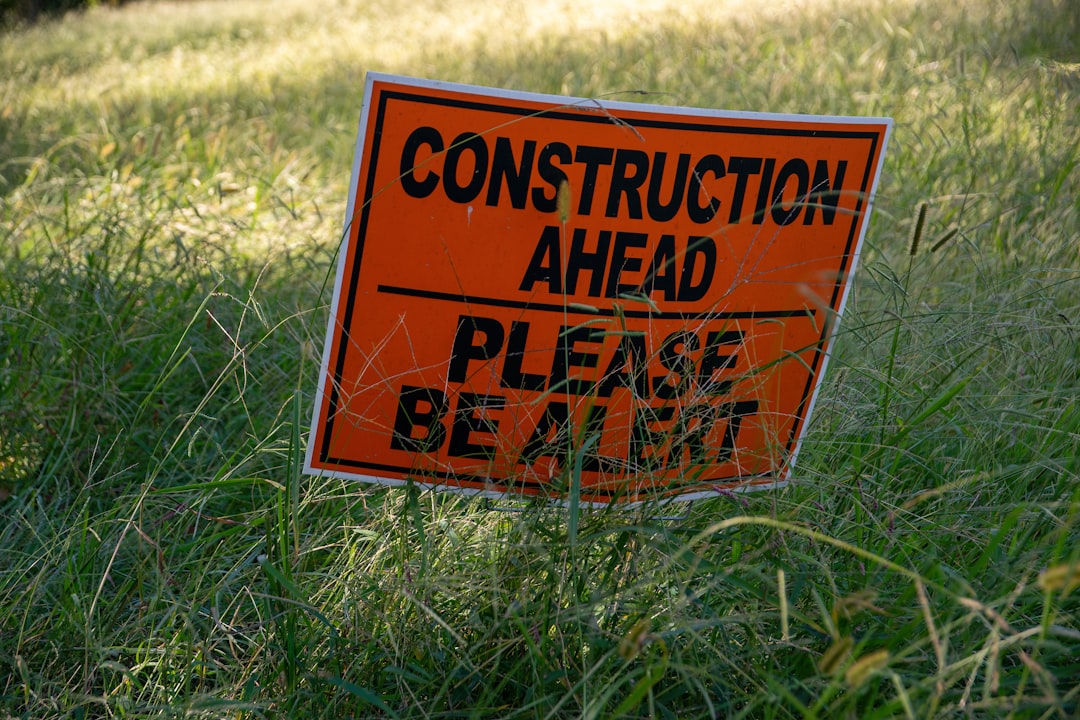
How can construction firms in the Gulf region effectively manage project timelines around frequent public holidays? Furthermore, unplanned shutdowns cause significant financial and scheduling impacts. Therefore, strategic public holiday construction downtime planning becomes essential. This guide provides a comprehensive framework for managing these periodic pauses. Moreover, it covers skeleton crew requirements and safe restart procedures for GCC projects.
The GCC calendar features numerous national and religious holidays. Consequently, construction sites often face mandatory closures. These breaks disrupt material deliveries, subcontractor coordination, and workforce productivity. Additionally, each Emirate or Kingdom may announce holidays with varying lead times. Proactive management mitigates these operational risks effectively. It also ensures compliance with regional labor laws regarding holiday pay and working hours.
At Allianze HR Consultancy, we’ve successfully placed 10,000+ professionals across UAE, Saudi Arabia, Qatar, and Kuwait. Furthermore, our 5+ years of GCC expertise supports clients from 50+ countries. Moreover, our Ministry of External Affairs (India) RA license ensures compliance. Therefore, contact our recruitment specialists for expert guidance on workforce planning for holiday periods. We help you maintain project momentum.
Understanding GCC Holiday Schedule Complexities
GCC public holidays follow both the Gregorian and Hijri calendars. Therefore, predicting exact dates requires careful attention. Eid al-Fitr and Eid al-Adha dates depend on moon sightings. Consequently, official announcements may come with short notice. National Day celebrations are fixed but vary by country. This variability demands flexible project scheduling from managers.
Additionally, labor laws mandate specific provisions for holiday work. For instance, overtime rates often apply. Some countries require special permits for skeleton crews. Furthermore, worker transportation and site security need advance arrangements. Proactive firms review annual holiday projections early. They then integrate these dates into master project timelines seamlessly.
- Monitor official government channels for holiday announcements.
- Integrate lunar calendar estimates into preliminary schedules.
- Understand country-specific overtime wage regulations.
- Plan for potential supply chain disruptions in advance.
- Coordinate with subcontractors on shared closure timelines.
- Factor in travel bans that may affect worker mobility.
Effective communication with your workforce is also critical. Moreover, clearly explaining holiday pay and expected return dates prevents confusion. Subsequently, this planning reduces unauthorized absenteeism after breaks. A structured approach turns mandatory downtime into a managed operational phase.
Public Holiday Construction Downtime Strategic Overview
A strategic overview for public holiday construction downtime begins with risk assessment. First, identify all critical path activities affected by the closure. Next, evaluate the impact on material curing times or equipment rentals. Furthermore, assess security and maintenance needs for the idle site. This holistic view informs the depth of planning required. Consequently, it transforms a reactive shutdown into a controlled process.
The core strategy involves three phases: pre-holiday wind-down, holiday period management, and post-holiday restart. Each phase requires specific checklists and assigned responsibilities. Additionally, the strategy must account for potential holiday extensions. Sometimes announcements extend breaks for national celebrations. Therefore, contingency plans are not optional. They are a fundamental component of professional project management.
- Conduct a pre-holiday project health and safety audit.
- Secure all materials, tools, and equipment from weather or theft.
- Formalize communication protocols for skeleton crew and managers.
- Establish clear decision-making authority during the closure.
- Develop a staggered restart plan to avoid bottlenecks.
- Create a budget for additional security or maintenance costs.
Ultimately, the goal is to protect project assets and maintain schedule integrity. Moreover, a documented strategy provides clarity for all stakeholders. It also demonstrates professionalism to clients and authorities. This foresight is a hallmark of leading GCC construction firms.
Legal Framework and Compliance Standards
GCC labor laws strictly regulate work during official holidays. Compliance is non-negotiable. For example, the UAE Federal Law dictates premium pay for holiday work. Similarly, Saudi Arabia’s Ministry of Human Resources sets clear guidelines. Therefore, employers must understand these regulations fully. Ignorance can lead to severe penalties and project delays.
Typically, working on a public holiday requires employee consent and extra compensation. Rates often range from 150% to 250% of normal wages. Additionally, some jurisdictions require prior government approval. This is especially true for essential service skeleton crews. Furthermore, specific industries like construction may have additional safety protocols. These rules align with International Labour Organization standards on rest periods.
Documentation is a critical part of compliance. Employers must maintain records of holiday work agreements and payments. Moreover, they should keep permits or approvals readily available for inspection. This due diligence protects the company during audits. It also fosters trust and fairness with the workforce. Consequently, a compliant site is a more productive and harmonious one.
- Review the specific labor law for each GCC country of operation.
- Prepare and distribute bilingual holiday work policy documents.
- Obtain written employee consent for holiday duty in advance.
- Calculate and process holiday wage premiums accurately and on time.
- File necessary permits with the Ministry of Labor or equivalent.
- Train site supervisors on compliance reporting procedures.
Public Holiday Construction Downtime Best Practices
Implementing public holiday construction downtime best practices ensures operational resilience. First, initiate planning meetings at least four weeks before the holiday. Involve project managers, safety officers, and HR representatives. Furthermore, create a detailed shutdown checklist tailored to the site’s specific needs. This checklist should cover everything from equipment storage to final safety walks. Consequently, nothing is left to chance in the final hectic days.
Communication stands as a cornerstone best practice. Clearly inform all workers, suppliers, and clients of the shutdown and restart dates. Use multiple channels like notice boards, SMS, and formal letters. Additionally, designate a point of contact for urgent issues during the break. This prevents misinformation and manages expectations effectively. Moreover, it demonstrates organized leadership to your entire team.
Another key practice is conducting a comprehensive site securement. This goes beyond locking gates. It includes stabilizing excavations, covering materials, and draining water lines to prevent damage. Furthermore, implement enhanced security measures like additional patrols or camera monitoring. According to OSHA construction standards, protecting an idle site is a continuous responsibility. Therefore, treat the holiday period as an active security phase.
- Develop and distribute a formal Holiday Shutdown Procedure document.
- Perform a “clean and clear” campaign to remove trip hazards.
- Isolate and lock out all power sources except for essential systems.
- Schedule and confirm security guard shifts for the entire duration.
- Test backup generators and emergency lighting systems.
- Store all hazardous materials in designated, locked storage areas.
Documentation and Processing Steps
Meticulous documentation forms the backbone of effective downtime management. Begin by updating the project risk register with holiday-specific risks. Next, document the approved skeleton crew roster with signed consent forms. Furthermore, create a handover report noting the status of every work area. This report is vital for the restart team. Therefore, it must be detailed and unambiguous.

Processing steps involve several administrative actions. HR must process payroll, ensuring holiday premiums are calculated. Procurement should confirm delivery schedules are paused and rescheduled. Additionally, the safety department must file any required notifications with local authorities. Each step should have a clear owner and deadline. Consequently, the process runs smoothly without last-minute chaos.
Technology can streamline this documentation. Use project management software to track checklist completion. Digital logs for security rounds provide audit trails. Moreover, cloud-based documents ensure key personnel can access plans remotely. This digital approach aligns with modern World Bank infrastructure development practices for efficiency. It also reduces the risk of lost paper trails.
- Prepare a Master Shutdown Dossier containing all plans and permits.
- Document the condition of major equipment with time-stamped photos.
- File a formal notification of temporary cessation with the project client.
- Update insurance providers about the site’s reduced activity status.
- Log all tools and high-value items into a secured inventory.
- Obtain signed acknowledgments from all skeleton crew members on duty.
Public Holiday Construction Downtime Implementation Timeline
A disciplined public holiday construction downtime implementation timeline is crucial. Start the process 4-6 weeks before the holiday. Week 4-6 involves finalizing the strategy and communicating initial alerts. Furthermore, week 2-3 focuses on securing client and subcontractor alignment. Meanwhile, the final week is for executing the physical shutdown checklist. This phased approach prevents a frantic, error-prone last minute rush.
The restart timeline is equally important. Do not assume full productivity on day one. Plan for a phased return over 2-3 days. Day one should focus on safety re-orientation and site inspections. Subsequently, day two can resume non-critical path activities. Finally, day three aims for full operational tempo. This gradual method allows for identifying and resolving issues safely. It aligns with ILO safety principles for a safe return to work.
Factor in potential delays upon restart. Some workers may return late due to extended travel. Material deliveries might be backlogged. Additionally, equipment may require maintenance after sitting idle. Building buffer time into the schedule accounts for these realities. Therefore, a realistic timeline protects the project’s critical path from slippage.
- Week 6: Confirm holiday dates and issue preliminary client advisory.
- Week 4: Finalize skeleton crew roster and obtain permits.
- Week 2: Conduct pre-shutdown safety audits with subcontractors.
- Week 1: Execute securement checklist and hold final briefing.
- Restart Day 1: Safety inspection, tool checks, and crew briefing.
- Restart Day 2: Resume work on non-critical tasks.
- Restart Day 3: Achieve full project momentum.
Common Challenges and Solutions
Construction managers face several common challenges during holiday breaks. First, unauthorized site access by trespassers poses a security risk. The solution involves robust physical barriers and regular patrols. Furthermore, unexpected weather during the shutdown can damage exposed materials. Therefore, proper covering and storage are mandatory solutions. Addressing these issues proactively prevents costly setbacks.
Another frequent challenge is skeleton crew management. These small teams can experience low morale or fatigue. The solution includes rotating duties and ensuring adequate rest periods. Additionally, clearly defining their limited scope of work prevents them from undertaking unauthorized tasks. Moreover, maintaining open communication with the home office provides support. Consequently, the skeleton crew remains effective and compliant.
Restart delays are perhaps the most costly challenge. Workers may not return on time due to travel issues. The solution is proactive communication and, if possible, facilitating return travel. Furthermore, a pre-restart inspection might reveal unexpected issues like vandalism or equipment failure. Having a rapid-response maintenance team on call addresses this. These solutions, guided by WHO workplace standards, ensure a swift recovery.
- Challenge: Supply chain confusion. Solution: Formal pause/resume notices to all suppliers.
- Challenge: Loss of project momentum. Solution: A motivational restart meeting with clear goals.
- Challenge: Compliance oversights. Solution: A dedicated checklist reviewer before shutdown.
- Challenge: Key staff being unavailable. Solution: Designating and training backup deputies.
- Challenge: IT/security system failures. Solution: Pre-holiday testing and a technical contact.
- Challenge: Client anxiety about delays. Solution: Transparent timeline sharing and regular updates.
Expert Recommendations for Success
Expert recommendations begin with treating holiday planning as a core competency. Integrate it into your standard operating procedures, not as an afterthought. Furthermore, invest in training site supervisors specifically on shutdown and restart protocols. This builds internal capability and reduces reliance on individual experience. Consequently, your firm develops institutional knowledge that outlasts staff turnover.
Leverage technology for monitoring and communication. Use GPS-tracked security patrols and remote camera systems. Additionally, group messaging apps keep the management team connected during the break. Moreover, consider drone surveys for large sites to conduct virtual inspections. These tools provide real-time awareness without physical presence. Therefore, they enhance control and reduce response times to incidents.
Finally, conduct a post-holiday review after every shutdown. Gather feedback from the skeleton crew, security, and the restart team. Identify what worked well and what caused friction. Subsequently, update your checklists and procedures for the next holiday. This continuous improvement cycle, supported by UAE construction sector best practices, ensures your planning gets better each time. It turns mandatory downtime into a strategic advantage.
- Appoint a single point of accountability for the entire shutdown/restart cycle.
- Build relationships with local authorities and emergency services in advance.
- Include mental wellbeing checks for skeleton crew working during holidays.
- Use the downtime to schedule mandatory training or certification renewals.
- Benchmark your plans against industry peers to identify improvement areas.
- Formalize partnerships with reliable security and maintenance vendors.
Frequently Asked Questions About Public Holiday Construction Downtime
What is the first step in public holiday construction downtime planning?
The first step is a formal risk assessment. Identify critical path impacts and security needs. Furthermore, review GCC labor laws for holiday work rules. Subsequently, develop a detailed checklist. Therefore, consult our HR specialists for a structured approach.
How do we determine skeleton crew size and roles?
Crew size depends on site size, value, and specific risks. Essential roles typically include security, basic maintenance, and a supervisor. Additionally, ensure all crew members are volunteers and understand their limited scope. Moreover, comply with all overtime and permit regulations.
What are critical items for a restart safety inspection?
Inspect all access points, scaffolding, and excavations for stability. Check electrical systems and equipment for damage or tampering. Furthermore, verify fire extinguishers and first-aid kits are fully stocked. Additionally, ensure all safety signage is intact and visible before work resumes.
Can we legally require workers to work on a public holiday?
Generally, no. GCC labor laws typically require employee consent for holiday work. Furthermore, such work mandates premium pay, often 150-250% of normal wages. Some countries also require a government permit. Therefore, always verify specific country regulations and obtain written agreements.