



Are you accurately forecasting the true financial impact of personal protective equipment in your GCC operations? Furthermore, many organizations face significant budget overruns due to inadequate PPE cost planning. Consequently, understanding both initial procurement and ongoing replacement expenses becomes critical for financial control. This comprehensive guide addresses PPE costs and personal protective equipment budget management. Moreover, we provide actionable strategies for sustainable safety investment across construction, manufacturing, and facility management sectors.
The GCC’s rapid infrastructure development and stringent safety regulations elevate PPE from a simple expense to a strategic investment. Additionally, regional climate conditions accelerate equipment wear, impacting replacement cycles. Therefore, proactive budget planning directly influences operational profitability and compliance standing. Employers must navigate complex supplier networks and evolving safety standards. Simultaneously, they must balance worker protection with fiscal responsibility.
At Allianze HR Consultancy, we’ve successfully placed 10,000+ professionals across UAE, Saudi Arabia, Qatar, and Kuwait. Furthermore, our 5+ years of GCC expertise supports clients from 50+ countries in building safe, compliant workforces. Moreover, our Ministry of External Affairs (India) RA license ensures all recruitment and deployment adhere to the highest standards. Therefore, contact our recruitment specialists for expert guidance on staffing your projects with safety-conscious personnel.
Understanding GCC Workplace Safety Requirements
GCC nations enforce rigorous occupational health and safety frameworks. These regulations mandate specific PPE based on industry risk assessments. For example, construction sites require hard hats, safety harnesses, and high-visibility clothing. Additionally, manufacturing facilities need hearing protection, respirators, and protective eyewear.
Each country publishes detailed guidelines through its Ministry of Labor or equivalent authority. Consequently, non-compliance results in substantial fines and project stoppages. Moreover, the International Labour Organization construction safety standards heavily influence regional protocols. Employers must stay updated on legislative changes.
Key compliance documents include risk assessment reports and equipment certification records. Furthermore, regular safety audits verify proper PPE usage and condition. Therefore, integrating compliance costs into your budget is non-negotiable. Proactive planning prevents costly legal penalties.
- Mandatory hazard-specific PPE for all identified risks.
- Regular equipment inspection and certification requirements.
- Employee training records on proper PPE use and maintenance.
- Documented procedures for damaged equipment reporting and replacement.
- Alignment with both local laws and international best practices.
PPE Costs Budget Planning Strategic Overview
Effective PPE costs budget planning requires a holistic, multi-year financial strategy. This process moves beyond simple line-item expenses. Instead, it views safety equipment as a capital investment in human capital and operational continuity. A strategic overview identifies all cost drivers.
First, categorize expenses into capital outlay and recurring operational costs. Capital includes bulk purchases for new projects or workforce expansion. Conversely, operational costs cover replacements, repairs, and supplementary items. Additionally, factor in indirect costs like storage, training, and inventory management.
Second, analyze workforce demographics and turnover rates. High-turnover environments increase sizing and issuance costs. Furthermore, project-based work creates fluctuating demand. Therefore, flexible budgeting accommodates these variables. Partnering with a knowledgeable recruiter like Allianze ensures you budget for correctly sized PPE from the start.
Third, consider total cost of ownership rather than just purchase price. Cheaper equipment may wear faster, increasing long-term costs. Moreover, OSHA construction industry standards emphasize equipment quality and suitability. Consequently, value engineering balances cost with durability and compliance.
- Develop a 3-5 year rolling budget forecast for PPE.
- Integrate PPE costs into project bids and operational forecasts.
- Establish a contingency fund for unexpected regulatory changes.
- Implement a digital tracking system for inventory and lifecycle management.
- Negotiate framework agreements with certified suppliers for better pricing.
Legal Framework and Compliance Standards
Navigating the GCC’s legal landscape is fundamental to accurate budgeting. Each country has distinct regulations governing PPE provision, quality, and maintenance. For instance, Saudi Arabia’s Ministry of Labor regulations set specific employer obligations. Similarly, UAE federal law mandates employer-funded safety equipment.
Compliance costs extend beyond equipment purchase. They include mandatory training programs conducted in appropriate languages. Additionally, employers must maintain inspection logs and certification documents. Furthermore, some Emirates require third-party verification of safety programs. These services add to the overall budget.
Non-compliance carries severe financial repercussions. Fines can reach tens of thousands of dirhams or riyals. More critically, work stoppages delay projects and damage reputations. Therefore, allocating budget for compliance management is essential. This includes potential consultancy fees and audit costs.
International standards also influence local enforcement. References to World Health Organization workplace standards or ANSI specifications appear in local codes. Consequently, budgeting must account for equipment that meets these recognized benchmarks. Premium-compliant gear often carries a higher initial cost.
- Budget for annual compliance audits and potential consultancy fees.
- Allocate funds for translation of training materials and safety signs.
- Include costs for document attestation and legalization where required.
- Plan for software or systems to manage compliance documentation.
- Factor in potential fines or penalties as a risk-mitigation reserve.
PPE Costs Budget Planning Best Practices
Adopting industry best practices transforms PPE expenditure from a cost center into a value driver. Firstly, implement a centralized procurement system. This approach leverages bulk purchasing power and ensures quality consistency. Moreover, it simplifies vendor management and warranty claims.
Secondly, conduct a detailed workforce needs analysis. Collaborate with department heads and safety officers. Specifically, identify the exact PPE requirements for each role and task. This prevents over-purchasing or under-protection. Furthermore, accurate sizing reduces waste and improves worker comfort and compliance.
Thirdly, establish clear equipment lifecycle and replacement protocols. Track usage hours, inspection results, and manufacturer expiry dates. Consequently, you can forecast replacement waves accurately. This smooths out budget demands, avoiding large unexpected capital calls. Additionally, it ensures equipment is always serviceable and compliant.
Finally, integrate PPE budgeting with your broader professional recruitment resources. When hiring through Allianze, we provide detailed workforce profiles. This information helps predict PPE needs for new hires from day one. Therefore, your budget reflects actual operational requirements precisely.
- Centralize procurement to consolidate spending and improve negotiation.
- Use data from equipment inspections to predict replacement timing.
- Adopt a “right-size” philosophy—provide appropriate, not excessive, protection.
- Engage workers in equipment selection for better adoption rates.
- Benchmark your PPE spending per employee against industry averages.
Documentation and Processing Steps
Meticulous documentation underpins effective budget control and compliance. Start with a master PPE register. This document lists every equipment type, its standard, cost, and assigned lifecycle. Furthermore, it links each item to specific job roles and hazard assessments.
Next, implement a digital issuance and return process. Use barcodes or RFID tags for tracking. This system records when an employee receives equipment and its condition. Moreover, it automates reminders for inspection or replacement dates. Consequently, it provides auditable trails for regulators.
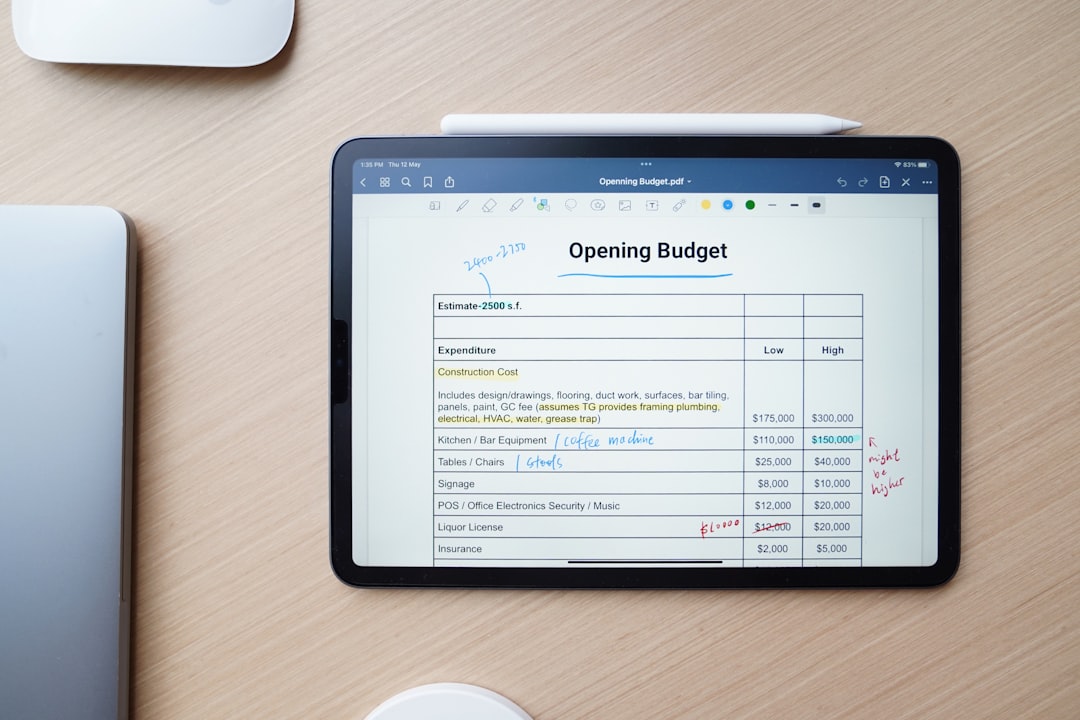
Financial documentation is equally crucial. Maintain separate cost centers for capital purchases and operational replacements. Additionally, file all supplier invoices, warranties, and service contracts systematically. This practice supports accurate budget variance analysis. It also simplifies annual audit processes.
Finally, integrate PPE records with your human resource management system. When schedule consultation appointment with our team, we discuss how to align recruitment data with operational planning. This ensures new employee onboarding includes immediate PPE provisioning. Therefore, budget forecasts remain accurate as your workforce changes.
- Create a digital PPE inventory with real-time tracking capabilities.
- Maintain a dedicated folder for all supplier certifications and test reports.
- Document all employee training sessions on PPE use and care.
- Keep detailed records of equipment failures and reasons for replacement.
- Use standardized forms for equipment requests, issues, and returns.
PPE Costs Budget Planning Implementation Timeline
Successful PPE costs budget planning follows a structured, phased timeline. Phase One involves assessment and data collection. This initial stage typically spans one fiscal quarter. During this time, audit existing inventory and analyze past spending. Additionally, review upcoming project pipelines and workforce plans.
Phase Two focuses on strategy development and vendor engagement. Over the next two months, draft your multi-year budget framework. Simultaneously, issue requests for quotation to potential suppliers. Furthermore, establish your tracking and documentation protocols. This phase sets the operational foundation.
Phase Three is the rollout and training period. Implement your new procurement and tracking systems. Moreover, conduct training sessions for safety officers, storekeepers, and finance staff. Importantly, communicate the new procedures to all employees. Consequently, adoption rates improve, and data quality increases.
Phase Four involves ongoing monitoring and adjustment. This is a continuous activity. Review budget performance against actuals monthly. Additionally, hold quarterly strategy reviews to adjust for regulatory or operational changes. This agile approach ensures your plan remains relevant and effective. For support aligning your staffing with this timeline, contact our HR specialists.
- Quarter 1: Comprehensive needs assessment and data audit.
- Quarter 2: Strategy finalization and supplier contract negotiation.
- Quarter 3: System implementation and workforce training rollout.
- Quarter 4: Full operational status with first review cycle.
- Ongoing: Monthly tracking and quarterly strategic reviews.
Common Challenges and Solutions
Employers frequently encounter several obstacles in PPE budget management. A primary challenge is unpredictable price volatility. Raw material costs and logistics fees can fluctuate wildly. Solution: Establish long-term framework agreements with price adjustment clauses. Additionally, diversify your supplier base to mitigate risk.
Another common issue is inaccurate demand forecasting. Workforce numbers change, and project scopes evolve. Solution: Integrate PPE planning directly with HR and project management functions. Use data from your recruitment partner for precise headcount forecasts. This alignment improves budget accuracy significantly.
Equipment misuse and premature damage also strain budgets. Solution: Invest in robust training programs. Education on proper use, cleaning, and storage extends equipment life. Furthermore, implement a clear accountability system. Consequently, employees treat PPE as valuable company assets.
Finally, navigating the complex UAE construction sector employment regulations can be daunting. Solution: Partner with experts. Allianze HR provides insights into labor norms and safety expectations. This knowledge helps you budget for compliant, culturally appropriate equipment from the outset.
- Challenge: Currency exchange fluctuations affecting import costs.
- Solution: Use forward contracts or source from regional manufacturers.
- Challenge: Storing and managing inventory for remote project sites.
- Solution: Utilize vendor-managed inventory services for distant locations.
- Challenge: Ensuring consistent quality across multiple procurement batches.
- Solution: Implement stringent incoming quality control checks.
Expert Recommendations for Success
To optimize your PPE financial planning, adopt these expert recommendations. First, embrace technology. Utilize IoT sensors for equipment monitoring. These devices track usage, environmental exposure, and damage indicators. Therefore, they provide data-driven insights for replacement timing.
Second, foster a strong safety culture. When employees value protection, they care for their equipment. Leadership must consistently champion safety as a core value. Moreover, recognize and reward teams with excellent PPE compliance records. Consequently, equipment lifespan increases, reducing costs.
Third, engage in strategic partnerships. Collaborate with insurers who may offer premium discounts for robust safety programs. Furthermore, partner with recruitment firms like Allianze that understand the direct link between workforce quality and safety outcomes. A skilled, trained worker uses PPE correctly, preserving your investment.
Finally, always plan for continuous improvement. Benchmark your program against World Bank infrastructure development best practices. Attend industry conferences and network with peers. Subsequently, integrate new ideas and innovations into your budget and strategy. This proactive stance ensures long-term sustainability and cost-effectiveness.
- Leverage data analytics to identify spending patterns and waste areas.
- Create cross-functional safety committees including finance, HR, and operations.
- Subscribe to regulatory update services to anticipate compliance cost changes.
- Consider total worker value—quality PPE reduces injury-related downtime costs.
- Regularly solicit employee feedback on equipment comfort and practicality.
Frequently Asked Questions About PPE Costs Budget Planning
What is the primary goal of PPE costs budget planning?
The primary goal is to ensure adequate financial resources for worker safety while controlling expenses. Furthermore, it aligns procurement with operational needs and compliance deadlines. Therefore, effective planning prevents budget shortfalls and ensures continuous protection.
How often should a PPE budget be reviewed?
Formal reviews should occur quarterly, with monthly tracking of actual spend versus forecast. Additionally, any major change in workforce size, project scope, or safety regulations should trigger an immediate review. Consequently, the budget remains responsive to real-world conditions.
What percentage of project cost should be allocated to PPE?
There is no fixed percentage; it varies by industry risk profile. High-risk construction may allocate 2-5%, while lower-risk office environments may allocate less than 1%. Moreover, a detailed hazard assessment provides the most accurate basis for budgeting, not arbitrary percentages.
How can Allianze HR assist with PPE budget planning?
We provide precise workforce profiles and deployment timelines for new hires. This data allows you to forecast PPE needs for incoming staff accurately. Moreover, our understanding of GCC safety norms ensures your budget covers regionally compliant equipment from the start.
What are the consequences of under-budgeting for PPE?
Under-budgeting leads to equipment shortages, non-compliance, and increased injury risk. Furthermore, it can cause project delays if safety inspectors halt work. Consequently, the financial and reputational costs far exceed the initial “savings” from an inadequate budget.
Should PPE budgets include training costs?
Absolutely. Training is a mandatory and critical component of an effective PPE program. The budget must cover developing materials, conducting sessions, and assessing competency. Moreover, trained workers use equipment properly, extending its life and ensuring