


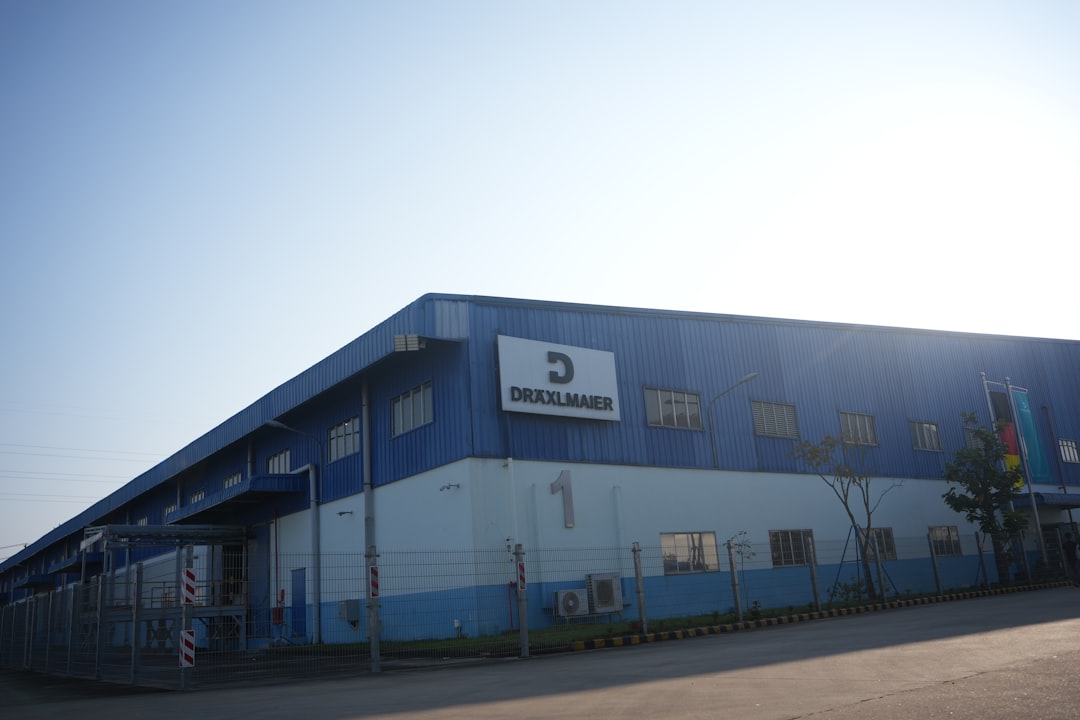
How can manufacturing leaders in the Gulf region ensure their industrial park facilities operate at peak efficiency? Furthermore, managing a factory complex within an industrial park presents unique challenges. These challenges span from specialized maintenance to compliance with stringent regional standards. Consequently, effective industrial park FM factory management becomes a critical competitive advantage. This guide provides a strategic framework for success.
The GCC’s manufacturing sector is expanding rapidly. Industrial parks in Saudi Arabia, UAE, and Qatar are hubs of economic activity. Moreover, these environments demand integrated facilities management approaches. Therefore, managing utilities, waste, security, and maintenance requires expert coordination. Specialized staffing with industrial expertise is non-negotiable for operational continuity and safety.
At Allianze HR Consultancy, we’ve successfully placed 10,000+ professionals across UAE, Saudi Arabia, Qatar, and Kuwait. Furthermore, our 5+ years of GCC expertise supports clients from 50+ countries. Specifically, we understand the technical staffing needs of manufacturing and FM sectors. Moreover, our Ministry of External Affairs (India) RA license ensures full compliance. Therefore, contact our recruitment specialists for expert guidance on building your technical teams.
Understanding GCC Manufacturing Facility Complex Requirements
GCC industrial parks operate under specific regional conditions. Firstly, extreme climate demands robust HVAC and utility management. Secondly, diverse tenant mix requires adaptable service protocols. Additionally, local economic visions like Saudi Vision 2030 prioritize industrial growth. Consequently, facility management must support these strategic goals.
Key operational areas include preventive maintenance scheduling. Furthermore, energy management is crucial for cost control. Also, environmental compliance and waste handling are strictly regulated. Therefore, management teams need comprehensive skill sets. They must handle technical, administrative, and regulatory tasks simultaneously.
Common staffing roles include facility managers, maintenance engineers, and HVAC technicians. Moreover, electrical specialists and safety officers are essential. Additionally, waste management coordinators ensure environmental standards. Finally, utility operators maintain continuous production support. Each role requires verified industrial experience.
Strategic planning prevents costly downtime. For example, predictive maintenance uses data analytics. This approach anticipates equipment failures. Furthermore, spare parts inventory management is vital. Also, contractor coordination for specialized repairs needs oversight. Therefore, a proactive management culture is fundamental.
Partnering with a knowledgeable recruiter streamills this process. Specifically, they understand the technical profiles needed. Moreover, they navigate local labor markets efficiently. Consequently, employers gain access to pre-vetted talent pools. This access accelerates operational readiness significantly.
Industrial Park FM Factory Management Strategic Overview
Effective industrial park FM factory management requires a holistic strategy. This strategy integrates people, processes, and technology. Firstly, define clear operational objectives aligned with business goals. Secondly, establish key performance indicators for all FM functions. Additionally, implement a centralized command center for coordination.
Technology integration is a major success factor. For instance, Computerized Maintenance Management Systems (CMMS) are essential. These systems track work orders and asset history. Moreover, IoT sensors enable real-time equipment monitoring. Also, energy management platforms identify conservation opportunities. Therefore, digital tools boost efficiency and reporting.
Staffing strategy must focus on multi-skilling. Cross-trained technicians handle diverse equipment. Furthermore, they respond faster to incidents. Additionally, clear career paths improve retention. Also, continuous training updates skills on new technologies. Consequently, a skilled workforce adapts to evolving demands.
Budget management controls operational costs. Prioritize lifecycle costing over short-term savings. Furthermore, energy consumption is a major expense. Therefore, invest in efficient systems and retrofits. Also, negotiate service contracts with clear SLAs. This approach ensures predictable expenditure and service quality.
Ultimately, the strategic goal is asset optimization. Reliable facilities maximize production uptime. Moreover, safe working conditions protect personnel and investment. Additionally, sustainable practices meet regulatory and corporate standards. Therefore, strategic FM management directly impacts profitability and corporate reputation.
Legal Framework and Compliance Standards
GCC manufacturing facilities face a multi-layered regulatory environment. Firstly, national labor laws govern employment conditions. Secondly, municipal regulations cover building codes and waste. Additionally, industrial park authorities impose their own rules. Moreover, international standards often apply to export-oriented factories.
Key authorities include the Saudi Ministry of Labor and various UAE economic departments. Furthermore, environmental agencies regulate emissions and discharges. Also, civil defense departments enforce strict fire and safety codes. Therefore, compliance requires constant vigilance and documentation.
Critical standards involve occupational health and safety. The International Labour Organization provides foundational guidelines. Additionally, local implementations like UAE’s OSHAD framework are mandatory. Moreover, equipment-specific standards (e.g., for boilers, pressure vessels) apply. Consequently, technical staff must be trained on these protocols.
Documentation proves compliance during inspections. Maintain records of training certificates, equipment inspections, and incident reports. Furthermore, environmental permits and waste manifests must be current. Also, UAE green building regulations may apply. Therefore, systematic record-keeping is a core FM function.
Non-compliance risks severe penalties. These include fines, operational shutdowns, and visa blocks. Moreover, reputational damage can affect client relationships. Therefore, integrating compliance into daily operations is essential. Partnering with experts who understand this landscape mitigates risk effectively.
Industrial Park FM Factory Management Best Practices
Adopting proven best practices elevates industrial park FM factory management performance. Firstly, implement a robust preventive maintenance program. Schedule regular servicing based on manufacturer guidelines. Furthermore, use condition-based monitoring where possible. Additionally, maintain detailed logs for every asset. This practice extends equipment life and prevents failures.
Secondly, prioritize safety culture above all. Conduct regular drills and safety committee meetings. Moreover, provide personal protective equipment without exception. Also, investigate all incidents to identify root causes. Therefore, a proactive safety approach protects everyone.
Energy management offers significant cost savings. Audit energy flows to find waste. Furthermore, upgrade to high-efficiency motors and lighting. Additionally, consider renewable energy sources like solar. Also, engage employees in conservation initiatives. Consequently, lower utility costs improve bottom-line results.
Stakeholder communication is vital. Establish clear reporting lines with park management and tenants. Furthermore, use digital dashboards for transparency. Additionally, conduct regular performance review meetings. Also, solicit feedback for continuous improvement. Therefore, aligned objectives prevent conflicts and service gaps.
Finally, invest in your team’s development. Support certifications from bodies like the International Facility Management Association (IFMA). Furthermore, encourage knowledge sharing sessions. Additionally, recognize and reward excellent performance. Consequently, a motivated, skilled team delivers superior facility outcomes consistently.
Documentation and Processing Steps for Staffing
Recruiting industrial FM staff involves meticulous documentation. Firstly, define the precise job description with technical competencies. Specify required certifications and experience levels. Furthermore, outline safety training prerequisites. Additionally, determine salary benchmarks and benefits packages. This clarity attracts suitable candidates.
The recruitment process begins with sourcing. Utilize specialized job portals and technical networks. Moreover, partner with agencies experienced in industrial recruitment. Also, conduct rigorous technical interviews and practical assessments. Therefore, verifying hands-on skills is crucial for technical roles.

Visa and onboarding documentation must be flawless. Prepare employment contracts adhering to GCC labor law. Furthermore, collect educational and experience certificates for attestation. Additionally, schedule mandatory medical examinations. Also, apply for relevant professional ID cards where required. Consequently, proper processing avoids legal complications.
Orientation and training ensure readiness. Introduce new hires to site-specific safety protocols. Furthermore, train them on the CMMS and reporting procedures. Additionally, assign mentors for initial guidance. Also, review emergency response plans thoroughly. Therefore, integrated onboarding accelerates productivity.
Continuous compliance requires document renewal management. Track visa and license expiry dates proactively. Furthermore, schedule refresher training before certifications lapse. Additionally, maintain updated personnel files for audits. Also, use digital systems for alerts and reminders. Thus, administrative diligence supports uninterrupted operations.
Industrial Park FM Factory Management Implementation Timeline
Executing a successful industrial park FM factory management plan follows a phased timeline. The initial assessment phase takes 2-4 weeks. Audit existing facilities and review current staffing. Furthermore, interview key stakeholders to identify pain points. Additionally, benchmark against industry standards. Therefore, this diagnosis informs the strategic plan.
Planning and design require 3-5 weeks. Develop detailed FM policies and procedures. Furthermore, design organizational structure and role definitions. Additionally, select and procure necessary technology platforms. Also, create the recruitment strategy for staffing gaps. Consequently, thorough planning prevents implementation errors.
Recruitment and team mobilization span 6-10 weeks. Advertise positions and screen applicants. Moreover, conduct interviews and technical evaluations. Additionally, process visas and relocation for selected candidates. Also, conduct intensive onboarding and site-specific training. Therefore, allocating sufficient time for quality hiring is essential.
System implementation and go-live occur over 4-6 weeks. Install and configure CMMS and IoT systems. Furthermore, migrate asset data and historical records. Additionally, conduct parallel runs of new processes. Also, train the entire team on new workflows. Thus, careful rollout minimizes operational disruption.
Review and optimization is continuous. After 90 days, conduct a formal performance review. Furthermore, analyze KPIs against initial targets. Additionally, solicit feedback from the team and stakeholders. Also, adjust strategies based on lessons learned. Therefore, continuous improvement embeds excellence into the FM culture.
Common Challenges and Proactive Solutions
Manufacturing FM teams in the GCC encounter predictable challenges. Firstly, skilled labor shortages can delay projects. Specialized technicians are in high demand. Furthermore, visa processing fluctuations cause uncertainty. Additionally, high turnover in some roles disrupts continuity. Therefore, strategic workforce planning is the primary solution.
Secondly, integrating legacy equipment with modern systems poses technical hurdles. Older machinery lacks digital interfaces. Moreover, spare parts for outdated models may be scarce. Additionally, training on obsolete technology is difficult. Consequently, a phased modernization plan with budget allocation is necessary.
Thirdly, managing energy and water costs in harsh climates is difficult. Cooling loads in summer are enormous. Furthermore, water scarcity mandates efficient usage. Additionally, utility tariffs can change. Therefore, investing in energy audits and retrofits delivers long-term savings, as highlighted by World Bank urban development insights.
Regulatory compliance complexity is another major hurdle. Standards evolve frequently across different emirates and kingdoms. Moreover, inspection criteria can be subjective. Additionally, documentation requirements are burdensome. Hence, appointing a dedicated compliance officer or partnering with a knowledgeable consultant mitigates this risk.
Finally, achieving tenant satisfaction in multi-tenant parks requires diplomacy. Conflicting priorities between different factories can arise. Moreover, cost allocation for shared utilities causes disputes. Additionally, noise or vibration complaints need careful handling. Therefore, establishing clear park-wide protocols and communication forums fosters cooperative relationships.
Expert Recommendations for Operational Excellence
To achieve manufacturing facility excellence, adopt these expert recommendations. First, develop a strong partnership with your recruitment provider. Choose one with specific industrial sector experience. Furthermore, ensure they understand the technical nuances of FM roles. Additionally, they should have a proven track record in the GCC. Consequently, they become an extension of your HR team.
Second, leverage data for all decision-making. Implement sensors to collect equipment performance data. Furthermore, use analytics to predict maintenance needs. Additionally, benchmark your energy use against similar facilities. Also, track workforce productivity metrics. Therefore, data-driven insights reveal optimization opportunities.
Third, prioritize indoor environmental quality for worker health. Monitor air quality, particularly in workshops. Furthermore, ensure adequate ventilation and filtration. Additionally, control temperature and humidity to comfortable levels. Also, provide clean rest and break facilities. Thus, a healthy workforce is more productive and safe.
Fourth, build resilience into your operations. Develop business continuity plans for utility failures. Furthermore, maintain backup systems for critical operations. Additionally, cross-train staff to perform multiple roles. Also, establish relationships with backup suppliers. Therefore, your facility can withstand unexpected disruptions.
Finally, commit to sustainability. Go beyond basic compliance with environmental rules. Explore circular economy principles for waste. Furthermore, consider renewable energy investments. Additionally, engage with OSHA warehousing and industry standards for safety innovation. Also, report on sustainability performance to stakeholders. Hence, your facility contributes to both corporate and regional sustainability goals.
Frequently Asked Questions About Industrial Park FM Factory Management
What is the typical cost structure for industrial park FM factory management?
Costs include labor (60-70%), energy (15-20%), maintenance materials (10-15%), and compliance/software (5%). Furthermore, scale and facility age significantly affect the budget. Therefore, consult our specialists for a detailed cost-benefit analysis tailored to your park.
How do you measure the success of a manufacturing facility management team?
Key metrics include Overall Equipment Effectiveness (OEE), mean time to repair, maintenance cost per square foot, energy consumption index, and safety incident rate. Additionally, tenant satisfaction scores and regulatory audit results are critical success indicators.
What are the biggest staffing challenges in GCC industrial FM?
Finding technicians with dual skills (e.g., electrical and mechanical), retaining talent in competitive markets, and ensuring continuous compliance training are major challenges. Moreover, navigating visa quotas and nationality restrictions adds complexity to the recruitment process.
Can existing facility staff be upskilled for new technology?
Absolutely. A structured training program on CMMS, IoT basics, and data literacy is effective. Furthermore, partnering with equipment vendors for certified training ensures competency. Moreover, creating a culture of learning encourages staff to embrace new technologies willingly.
How does Allianze HR ensure candidates have genuine industrial expertise?
We conduct rigorous technical interviews and practical assessments. Furthermore, we verify past employment with detailed reference checks on specific projects and machinery handled. Moreover, we sometimes use scenario-based testing to evaluate problem-solving skills in industrial contexts.
What is the first step to improving an existing FM operation in a factory complex?
Conduct a comprehensive operational audit. This assesses current staffing, processes, technology, and compliance status. Furthermore, it identifies immediate gaps and long-term opportunities. Therefore, data from this audit forms the baseline for all strategic improvements and scheduling a consultation is an ideal start.
Partner with Allianze HR for Manufacturing FM Success
Effective industrial park FM factory management is a cornerstone of manufacturing competitiveness in the GCC. It requires blending technical expertise with strategic planning and strict compliance. Furthermore, the right team makes the difference between reactive firefighting and proactive excellence. Therefore, investing in skilled, knowledgeable personnel yields direct returns in uptime, safety, and cost