


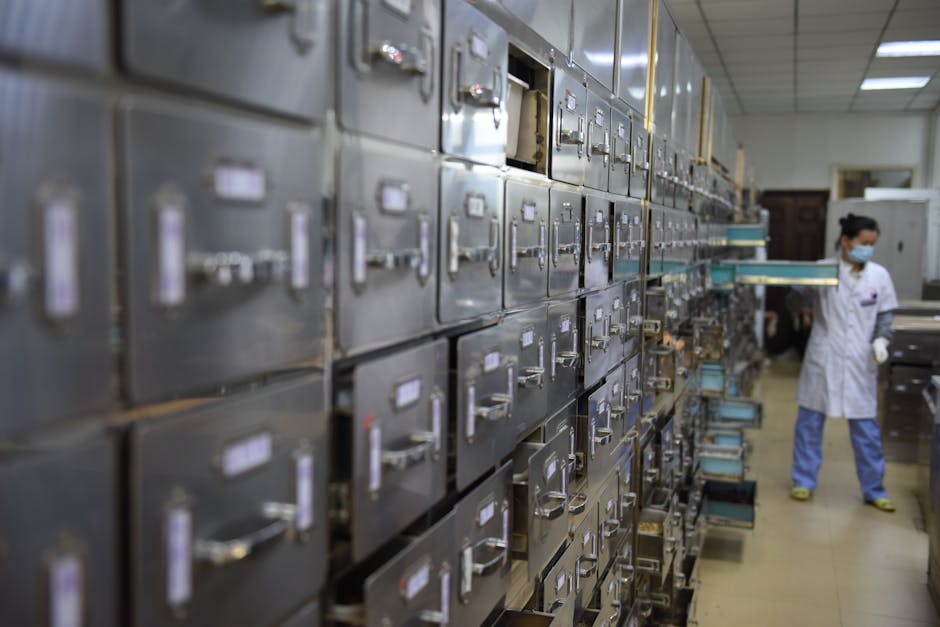
How can GCC employers ensure their critical scientific assets operate flawlessly? Laboratory FM research facility maintenance is a specialized discipline demanding precision. Furthermore, it blends technical facility management with stringent scientific protocols. Consequently, staffing these roles requires unique expertise. This guide provides a strategic framework for success in the demanding Gulf research landscape.
The GCC region is rapidly expanding its scientific and research infrastructure. Therefore, maintaining these high-value environments is paramount. Moreover, contamination control and regulatory compliance are non-negotiable. Additionally, the fusion of facilities management with laboratory science creates complex staffing needs. Understanding these requirements protects multimillion-dollar investments and ensures research integrity.
At Allianze HR Consultancy, we’ve successfully placed 10,000+ professionals across UAE, Saudi Arabia, Qatar, and Kuwait. Furthermore, our 5+ years of GCC expertise supports clients from 50+ countries. Moreover, our Ministry of External Affairs (India) RA license ensures compliance. Therefore, contact our recruitment specialists for expert guidance on building your specialized maintenance team.
Understanding GCC Scientific Facility Management Requirements
Scientific facilities in the Gulf present unique operational challenges. First, extreme climate conditions stress HVAC and filtration systems. Second, regional regulations for hazardous materials are stringent. Third, international research collaborations demand global standards. Consequently, maintenance protocols must exceed basic commercial practices.
Key systems requiring expert management include HVAC with HEPA filtration, specialized plumbing for gases and vacuums, emergency power systems, and controlled environment monitoring. Additionally, waste management for chemical and biological materials is critical. Therefore, staff must understand both engineering and science. For instance, a technician must calibrate equipment and handle biohazardous waste safely.
Regional authorities enforce strict codes. For example, the UAE green building regulations impact laboratory energy use. Similarly, adherence to World Health Organization indoor air quality guidelines is essential. Moreover, compliance with International Labour Organization workplace safety standards protects your workforce.
- Climate-Responsive HVAC and Pressurization Control
- Hazardous Material Storage and Waste Handling Protocols
- Precision Utility Management (Pure Water, Gases, Vacuum)
- Emergency Response Systems for Labs
- Continuous Environmental Monitoring and Data Logging
Laboratory FM Research Facility Maintenance Strategic Overview
A strategic approach to laboratory FM research facility maintenance integrates staffing, processes, and technology. First, define the facility’s risk profile and research activities. Second, align maintenance schedules with experimental calendars. Third, implement a proactive rather than reactive service model. This overview ensures operational continuity and data integrity.
Staffing strategy is the cornerstone. You need a blend of FM engineers and lab-technical aides. Furthermore, roles must be clearly delineated. For example, a containment zone technician requires different certification than a general HVAC mechanic. Moreover, cross-training on specific equipment prevents single points of failure. Therefore, a tiered staffing model with clear escalation paths is effective.
Technology enables predictive maintenance. Building Management Systems (BMS) monitor real-time conditions. Additionally, Computerized Maintenance Management Systems (CMMS) track work orders and compliance. Consequently, data-driven decisions replace guesswork. Partnering with a specialist like Allianze provides access to professional recruitment resources for these niche roles.
- Develop a Risk-Based Maintenance Priority Matrix
- Implement Tiered Staffing with Clear Specializations
- Integrate BMS and CMMS for Data-Driven Operations
- Establish Contamination Control as a Core KPI
- Create a Continuous Training and Certification Program
Legal Framework and Compliance Standards
Navigating the GCC compliance landscape is complex for scientific facilities. Firstly, national labor laws govern employment contracts and worker welfare. Secondly, environmental agencies regulate waste disposal and emissions. Thirdly, health ministries oversee biosafety and chemical handling. Therefore, a multi-agency compliance strategy is mandatory.
International standards often form the baseline. Many GCC labs adhere to ISO 14644 (cleanrooms), ISO 15189 (medical labs), or WHO-GMP guidelines. Additionally, referencing International Facility Management Association benchmarks adds credibility. Moreover, local regulations, like those from the Saudi Ministry of Labor, dictate specific worker protections and qualifications.
Documentation proves compliance. Maintenance logs, training records, and audit reports must be impeccable. Furthermore, authorities conduct unannounced inspections. Consequently, staff must be trained not only to perform tasks but also to document them correctly. This reduces institutional risk and ensures uninterrupted research operations.
- Adherence to National Environmental and Hazardous Waste Laws
- Implementation of International Biosafety and Cleanroom Standards
- Strict Compliance with GCC Labor and Immigration Regulations
- Comprehensive Documentation and Audit Trail Maintenance
- Regular Third-Party Certification and Validation Audits
Laboratory FM Research Facility Maintenance Best Practices
Implementing best practices transforms maintenance from a cost center to a value driver. Initially, adopt a reliability-centered maintenance philosophy. This focuses resources on systems critical to contamination control and research validity. Subsequently, standardize operating procedures for every task. Consistency is key in sensitive environments.
Preventive maintenance schedules must be rigorous. For instance, HEPA filter integrity testing and autoclave validation cannot be delayed. Moreover, calibration of monitoring equipment must follow manufacturer and regulatory intervals. Therefore, staffing levels must account for this planned workload, not just breakdowns. A dedicated team for preventive tasks ensures they are never neglected.
Communication between scientists and maintenance staff is vital. Establish formal liaison roles. Furthermore, conduct joint training on contamination risks. Consequently, researchers understand system limitations, and technicians appreciate the scientific impact of their work. This collaborative culture, supported by expert recruitment, is a best practice hallmark. Schedule a consultation appointment to design your optimal team structure.
- Deploy Reliability-Centered Maintenance (RCM) Methodologies
- Enforce Strict Preventive Maintenance Schedules for Critical Systems
- Establish Clear Communication Protocols Between Research and FM Teams
- Utilize Root Cause Analysis for All Facility-Related Incidents
- Benchmark Performance Against International Facility Standards
Documentation and Processing Steps for Specialist Staffing
Recruiting specialized maintenance staff involves meticulous documentation. First, create precise job descriptions detailing technical and regulatory knowledge. Second, verify candidate certifications from international bodies. Third, ensure all qualifications are attested per GCC requirements. This process mitigates hiring risk and ensures compliance.
The visa and onboarding process has multiple stages. Initially, offer letters and employment contracts must align with local labor law. Next, medical screening for fitness to work in controlled environments is conducted. Subsequently, security clearances may be required for certain facilities. Moreover, orientation must cover site-specific safety and contamination protocols extensively.
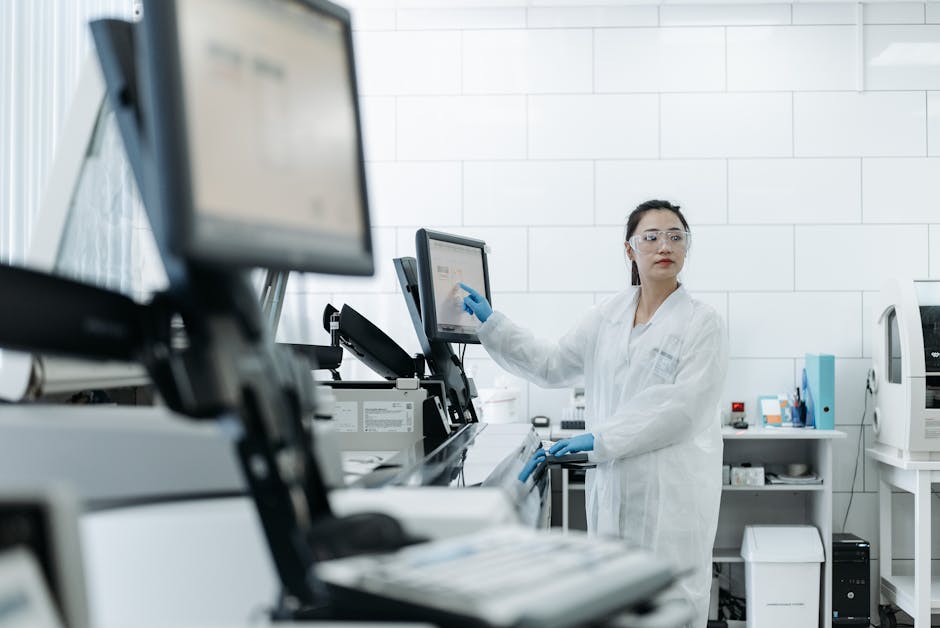
Partnering with an experienced recruiter streamlines this. Allianze manages the entire lifecycle, from sourcing to deployment. Furthermore, we ensure all steps comply with the International Labour Organization standards and local mandates. Therefore, you gain a compliant, ready-to-work team without administrative burden.
- Develop Technically Precise Job Descriptions and Specifications
- Verify and Attest Professional Certifications and Educational Credentials
- Secure Necessary Work Permits, Visas, and Medical Clearances
- Execute GCC-Compliant Employment Contracts and Policy Acknowledgments
- Implement Comprehensive Site-Specific Safety and Procedure Training
Laboratory FM Research Facility Maintenance Implementation Timeline
A realistic timeline for establishing a robust laboratory FM research facility maintenance team spans 8-12 weeks. Phase one involves needs assessment and role definition, taking 1-2 weeks. Phase two covers candidate sourcing and screening, requiring 3-5 weeks. Phase three encompasses visa processing and onboarding, which demands 4-5 weeks. Proper planning prevents project delays.
Several factors influence the timeline. Firstly, the scarcity of specialists with contamination control expertise can extend sourcing. Secondly, GCC visa processing times fluctuate. Thirdly, the complexity of security clearances for high-containment labs adds duration. Therefore, building a pipeline of pre-vetted talent is a strategic advantage offered by partners like Allianze.
Critical path items include certification verification and medical screening. Furthermore, coordinating with World Bank urban development aligned projects may have specific hiring protocols. Moreover, planning for phased deployment allows for knowledge transfer. Consequently, a staggered start ensures smoother integration into existing operations.
- Weeks 1-2: Needs Assessment & Role Design
- Weeks 3-7: Global Sourcing, Screening, & Interviews
- Weeks 8-12: Visa Processing, Clearances, & Onboarding
- Week 13+: Phased Deployment and Integration
- Ongoing: Continuous Training and Performance Review
Common Challenges and Strategic Solutions
Employers face significant challenges in this niche field. A primary issue is the talent gap. Few professionals combine FM skills with lab science understanding. Additionally, high turnover can disrupt delicate maintenance ecosystems. Furthermore, evolving regulations create constant compliance adaptation needs. However, each challenge has a strategic solution.
To address the talent gap, invest in targeted recruitment and training partnerships. Moreover, consider recruiting from related industries like pharmaceuticals or semiconductor manufacturing. Additionally, offering clear career progression retains top talent. Consequently, you build institutional knowledge and reduce reliance on transient contractors.
Managing regulatory change requires a proactive approach. Assign a team member to monitor U.S. Department of Commerce labor standards and local updates. Furthermore, conduct quarterly compliance audits. Therefore, you identify gaps before they become violations. This proactive stance protects your facility’s license to operate.
- Challenge: Scarcity of Dual-Skilled Technicians. Solution: Partner with specialist recruiters and fund cross-training.
- Challenge: High Cost of Non-Compliance. Solution: Implement a dedicated compliance officer role within the FM team.
- Challenge: Maintaining 24/7 Operational Readiness. Solution: Develop a rotational on-call schedule with adequate backup.
- Challenge: Integrating New and Old Facility Systems. Solution: Hire staff with legacy system expertise and modernization experience.
Expert Recommendations for Long-Term Success
Sustaining excellence in laboratory facility management requires forward-thinking strategies. First, treat your maintenance team as critical scientific staff. Second, budget for continuous professional development. Third, foster a culture where safety and contamination control are everyone’s responsibility. These investments yield long-term reliability and cost savings.
Embrace technology and data analytics. Implement IoT sensors for real-time equipment health monitoring. Furthermore, use predictive analytics to forecast failures before they occur. Consequently, you move from scheduled to condition-based maintenance. This maximizes equipment lifespan and minimizes disruptive, unplanned downtime.
Finally, choose your recruitment partner strategically. A partner with deep GCC experience understands local nuances. Moreover, a partner with a scientific sector portfolio can access the right talent networks. Therefore, selecting Allianze HR ensures you get specialized expertise and compliant staffing solutions tailored to the unique demands of laboratory environments.
- Elevate the FM Team’s Status and Integrate Them into Research Planning
- Allocate Annual Budget for Advanced Technical Training and Certification
- Invest in Predictive Maintenance Technologies and Data Analytics Platforms
- Develop a Succession Plan for Key Technical Roles to Mitigate Knowledge Loss
- Establish Strategic Partnerships with Specialized Recruitment and Compliance Firms
Frequently Asked Questions About Laboratory FM Research Facility Maintenance
What is the timeline for laboratory FM research facility maintenance staffing?
The complete staffing timeline typically ranges from 8 to 12 weeks. Furthermore, this includes role definition, global sourcing, interviews, and visa processing. Moreover, for highly specialized contamination control experts, sourcing may extend slightly. Therefore, consult our specialists for a project-specific plan.
What certifications should a laboratory maintenance technician possess?
Ideal certifications include Certified Laboratory Specialist (CLS), HVAC-specific credentials for labs, and biosafety training. Additionally, familiarity with ISO 14644 or cGMP standards is valuable. Moreover, country-specific safety certifications are mandatory. Consequently, verification of these credentials is a critical recruitment step.
How do you ensure contamination control during maintenance work?
Strict protocols are essential. First, maintenance work is scheduled during non-operational hours. Second, technicians use appropriate personal protective equipment (PPE) and follow decontamination procedures. Third, work areas are isolated using temporary containment. Finally, post-work validation testing ensures environmental parameters are restored.
What are the key differences between commercial FM and laboratory FM?
Laboratory FM demands expertise in critical systems like fume hoods, biosafety cabinets, and pure water systems. Furthermore, understanding contamination vectors and cross-contamination prevention is paramount. Additionally, compliance with scientific, not just building, regulations is required. Therefore, staffing requires a specialized skill set.
Can Allianze HR source candidates for BSL-3 or BSL-4 lab facilities?
Yes, we specialize in recruiting for high-containment and specialized research environments. Our global network includes professionals with experience in pharmaceutical, biomedical, and high-security research facilities. Moreover, we conduct rigorous background and credential checks specific to these high-stakes roles.
How does Allianze ensure ongoing compliance after placement?
We provide clients with updates on relevant regulatory changes in the GCC. Furthermore, we can facilitate contract-based refresher training programs. Additionally, our partnership includes support for visa renewals and contract amendments. Consequently, we offer an ongoing support model, not just a one-time placement service.
Partner with Allianze HR for Scientific Facility Management Success
Effective laboratory FM research facility maintenance is a strategic imperative for GCC research institutions. It safeguards valuable research, ensures regulatory compliance, and optimizes operational costs. This guide has