



How can GCC botanical gardens and horticultural facilities maintain world-class plant collections with expertly staffed teams? Furthermore, specialized botanical garden facility management requires a unique blend of horticultural science and operational excellence. Consequently, recruiting and retaining staff with deep botanical knowledge presents a significant challenge. This comprehensive guide addresses the critical aspects of botanical garden facility management for employers across the Gulf region.
GCC nations are investing heavily in green infrastructure and cultural landmarks. Moreover, botanical gardens serve as vital centers for conservation, education, and tourism. Therefore, effective facility management directly impacts visitor experience, plant health, and institutional reputation. Additionally, the region’s unique climate demands specialized horticultural practices and tailored staffing solutions.
At Allianze HR Consultancy, we’ve successfully placed 10,000+ professionals across UAE, Saudi Arabia, Qatar, and Kuwait. Furthermore, our 5+ years of GCC expertise supports clients from 50+ countries. Moreover, our Ministry of External Affairs (India) RA license ensures compliance. Therefore, contact our recruitment specialists for expert guidance on building your horticultural team.
Understanding GCC Horticultural Facility Requirements
Managing a botanical garden in the Gulf requires adapting to extreme environmental conditions. First, intense heat and aridity dictate specific irrigation and climate control systems. Second, soil composition often needs significant amendment for diverse plant collections. Third, water conservation is both an operational and regulatory priority. Consequently, facility managers must integrate sustainable practices into daily operations.
Additionally, these gardens fulfill multiple public roles. They are scientific institutions, tourist attractions, and educational hubs. Moreover, they often support national biodiversity and food security initiatives. Therefore, staffing must cover scientific curation, public engagement, and infrastructure maintenance. A holistic approach to botanical garden facility management ensures all these functions operate seamlessly.
- Climate-adaptive greenhouse and irrigation system design.
- Integrated Pest Management (IPM) protocols for desert environments.
- Water recycling and desalination system maintenance.
- Public safety and accessibility standards for visitor areas.
- Biosecurity measures to protect rare plant collections.
- Energy management for controlled environment horticulture.
Botanical Garden Facility Management Strategic Overview
A strategic framework is essential for successful botanical garden facility management. This approach aligns horticultural goals with operational capabilities and financial resources. Furthermore, it requires long-term planning for plant collection growth and facility expansion. Therefore, developing a clear master plan guides all staffing and investment decisions.
Key strategic pillars include collection development, conservation science, and visitor services. Additionally, infrastructure lifecycle management prevents costly emergency repairs. Moreover, digital systems for environmental monitoring and plant records are now indispensable. Consequently, strategic botanical garden facility management blends tradition with technology for resilience.
- Develop a 10-year collection plan aligned with conservation goals.
- Implement a Computerized Maintenance Management System (CMMS).
- Establish key performance indicators for plant health and visitor numbers.
- Create disaster preparedness plans for pests, diseases, and extreme weather.
- Integrate renewable energy sources to reduce operational costs.
- Foster partnerships with international botanical institutions for knowledge exchange.
Legal Framework and Compliance Standards
GCC botanical gardens operate within a complex web of regulations. First, labor laws govern everything from work hours in extreme heat to staff accommodation. Second, plant import and export are controlled by phytosanitary regulations from ministries of agriculture. Third, public facility standards mandate specific safety and accessibility features. Therefore, compliance is a multi-departmental responsibility.
International standards also provide important guidance. For example, the International Labour Organization sets benchmarks for workplace safety. Additionally, the UAE green building regulations influence facility design. Moreover, conventions on biodiversity and endangered species affect collection management. Consequently, staying informed is critical for legal operation.
- Secure permits for importing rare or protected plant species.
- Comply with GCC-specific worker welfare and midday break regulations.
- Adhere to public health guidelines for pesticide and fertilizer use.
- Follow international protocols for seed banking and genetic resource sharing.
- Ensure all structures meet civil defense and emergency service requirements.
- Maintain accurate records for plant provenance and treatment history.
Botanical Garden Facility Management Best Practices
Adopting industry best practices elevates the quality of botanical garden facility management. Proactive maintenance, for instance, prevents small issues from becoming major disruptions. Furthermore, documented Standard Operating Procedures (SOPs) ensure consistency across shifts and staff changes. Therefore, investing in training and systemization pays long-term dividends in garden health.
Another best practice is integrated resource management. Water, energy, and organic waste should be managed as interconnected systems. Additionally, leveraging data from soil sensors and weather stations optimizes irrigation schedules. Moreover, engaging volunteers under expert supervision extends the garden’s capacity. Consequently, efficient botanical garden facility management maximizes impact from every resource.
- Implement a preventive maintenance schedule for all horticultural equipment.
- Develop detailed SOPs for plant propagation, pruning, and pest control.
- Use soil moisture sensors and evapotranspiration data for smart irrigation.
- Establish a composting system to recycle green waste into soil amendments.
- Create a volunteer program with clear roles and botanical training modules.
- Conduct regular staff safety drills for chemical handling and equipment operation.
Documentation and Processing for Horticultural Staff
Recruiting specialized horticultural staff involves meticulous documentation. First, position descriptions must accurately reflect the blend of botanical knowledge and practical skills required. Second, verifying international academic credentials and professional certifications is essential. Third, visa processing for gardeners, arborists, and curators follows GCC-specific channels. Therefore, precision in paperwork prevents significant delays.
Key documents include attested educational certificates, experience letters from previous botanical institutions, and professional licenses. Additionally, medical fitness certificates for outdoor work are mandatory. Moreover, Saudi Ministry of Labor regulations or equivalent national bodies dictate contract terms. Consequently, partnering with a recruitment firm experienced in professional recruitment resources streamlines this complex process.
- Detailed job description with specific plant family expertise requirements.
- Attested degree certificates in botany, horticulture, or related fields.
- Reference letters from previous botanical gardens or research institutions.
- Medical clearance for working in outdoor and greenhouse environments.
- Employment contract specifying working hours, leave, and specific duties.
- Proof of membership in professional bodies like the International Society of Arboriculture.
Botanical Garden Facility Management Implementation Timeline
Executing a major staffing or facility upgrade project requires realistic timelines. Typically, recruiting senior botanical staff takes 8-12 weeks from advertisement to deployment. Furthermore, onboarding includes site-specific training on unique collections and local ecosystems. Therefore, planning for a phased implementation reduces operational risk.
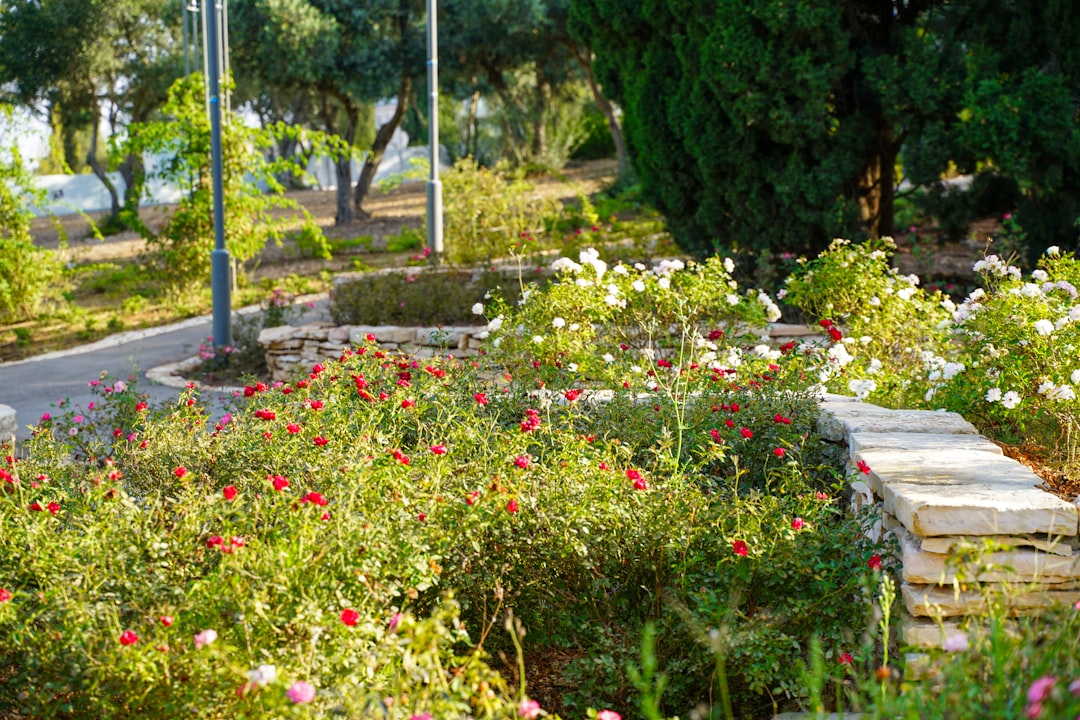
A standard timeline begins with a comprehensive needs assessment. Next, the recruitment and visa processing phase commences. Meanwhile, existing staff can be upskilled through targeted training programs. Subsequently, new hires undergo orientation and gradual integration into teams. Consequently, a structured botanical garden facility management implementation ensures smooth transitions and sustained garden quality.
- Weeks 1-4: Conduct skills gap analysis and finalize recruitment plan.
- Weeks 5-10: Advertise positions, screen candidates, and conduct interviews.
- Weeks 11-16: Process employment visas, medical checks, and travel arrangements.
- Weeks 17-20: Execute onboarding, safety inductions, and collection familiarization.
- Months 6-12: Monitor performance, provide continued training, and evaluate team integration.
- Ongoing: Conduct annual performance reviews and professional development planning.
Common Challenges and Strategic Solutions
GCC botanical gardens face several recurring operational challenges. High staff turnover, for example, disrupts continuity in plant care. Moreover, sourcing experts familiar with both tropical and arid zone plants can be difficult. Additionally, budget constraints often limit the ability to invest in advanced climate control technology. Therefore, strategic problem-solving is a core management skill.
Effective solutions often involve creative partnerships and knowledge transfer. Collaborating with universities can provide access to research and interns. Furthermore, implementing mentorship programs pairs experienced staff with new hires to preserve institutional knowledge. Moreover, World Bank urban development reports highlight funding opportunities for green public spaces. Consequently, turning challenges into opportunities strengthens the facility’s foundation.
- Challenge: High evaporation rates. Solution: Install subsurface drip irrigation and mulching systems.
- Challenge: Specialist skill shortages. Solution: Develop apprenticeship programs with international accreditation.
- Challenge: Pest outbreaks. Solution: Establish a regional network for early warning and integrated pest management advice.
- Challenge: Limited public awareness. Solution: Create engaging citizen science and volunteer programs to build community support.
- Challenge: Equipment downtime. Solution: Implement predictive maintenance using IoT sensors on critical machinery.
- Challenge: Water quality issues. Solution: Invest in on-site water treatment and rainwater harvesting systems.
Expert Recommendations for Horticultural Success
Building a premier botanical garden facility requires foresight and investment. First, prioritize creating a knowledge-centric culture where continuous learning is valued. Second, invest in robust data management systems to track plant health and maintenance activities. Third, develop clear career progression pathways to retain top horticultural talent. Therefore, focusing on people and systems drives long-term excellence.
Additionally, embrace sustainability as a core operational principle. This includes water and energy conservation, organic waste recycling, and using native plants in landscaping. Furthermore, engage with global networks like the International Facility Management Association for best practices. Moreover, monitor World Health Organization indoor air quality guidelines for enclosed conservatories. Consequently, a proactive and informed approach ensures the garden thrives for generations.
- Establish a dedicated budget for staff professional development and conference attendance.
- Digitize plant records with photographs, geo-tags, and treatment histories.
- Form a technical advisory committee with international horticultural experts.
- Conduct regular benchmarking visits to leading botanical gardens worldwide.
- Develop a strong brand and public engagement strategy to secure funding and visitation.
- Integrate the garden’s work with national climate change and biodiversity strategies.
Frequently Asked Questions About Botanical Garden Facility Management
What is the timeline for botanical garden facility management staffing?
Recruiting specialized horticultural staff typically takes 8-12 weeks. Furthermore, this includes sourcing, interviews, visa processing, and deployment. Therefore, advance planning is crucial for seamless garden operations. Consult our specialists for a tailored project timeline.
What qualifications are essential for botanical garden staff?
Essential qualifications include degrees in botany or horticulture, practical gardening experience, and plant identification skills. Additionally, knowledge of GCC climate challenges and IPM is highly valued. Moreover, certifications in arboriculture or landscape management are advantageous.
How can gardens improve water efficiency in arid climates?
Implement smart irrigation controllers, use drought-tolerant native plants, and install soil moisture sensors. Furthermore, collecting greywater and rainwater significantly reduces potable water use. Moreover, mulching and shade structures minimize evaporation from soil.
What are key compliance areas for GCC horticultural facilities?
Key areas include labor law compliance for outdoor workers, phytosanitary regulations for plant imports, and public safety standards. Additionally, environmental regulations govern water use and chemical application. Moreover, building codes apply to greenhouse and support structures.
How does Allianze HR source specialized botanical talent?
We leverage a global network of agricultural universities, professional associations, and botanical institutions. Furthermore, our screening process includes practical assessments of plant knowledge and horticultural skills. Moreover, we verify credentials and international experience thoroughly.
What is the role of technology in modern garden management?
Technology is vital for environmental monitoring, irrigation control, plant database management, and preventive maintenance scheduling. Furthermore, GIS mapping tracks collection layout, and drones assist with canopy health assessment. Consequently, technology boosts efficiency and scientific rigor.
Partner with Allianze HR for Horticultural Excellence
Effective botanical garden facility management hinges on specialized knowledge and skilled personnel. This guide has outlined the strategic, operational, and compliance pillars essential for success. Furthermore, the unique climate and ambitious vision of GCC nations demand a tailored approach. Therefore, investing in expert staffing and robust systems is non-negotiable for world-class gardens.
Allianze HR Consultancy provides the specialized recruitment expertise needed for this niche sector. We understand the precise blend of academic knowledge and practical skill required for curators, horticulturists, and facility technicians. Moreover, our comprehensive handling of visas, attestation, and deployment allows you to focus on your core mission. Consequently, partnering with us ensures your plant collection receives the expert care it deserves.
Ready to cultivate a team that will help your botanical garden flourish? Begin by accessing our professional recruitment resources for deeper insights. Then, schedule consultation appointment with our horticultural recruitment specialists. Together, we can build a legacy of green excellence in the heart of the Gulf.