


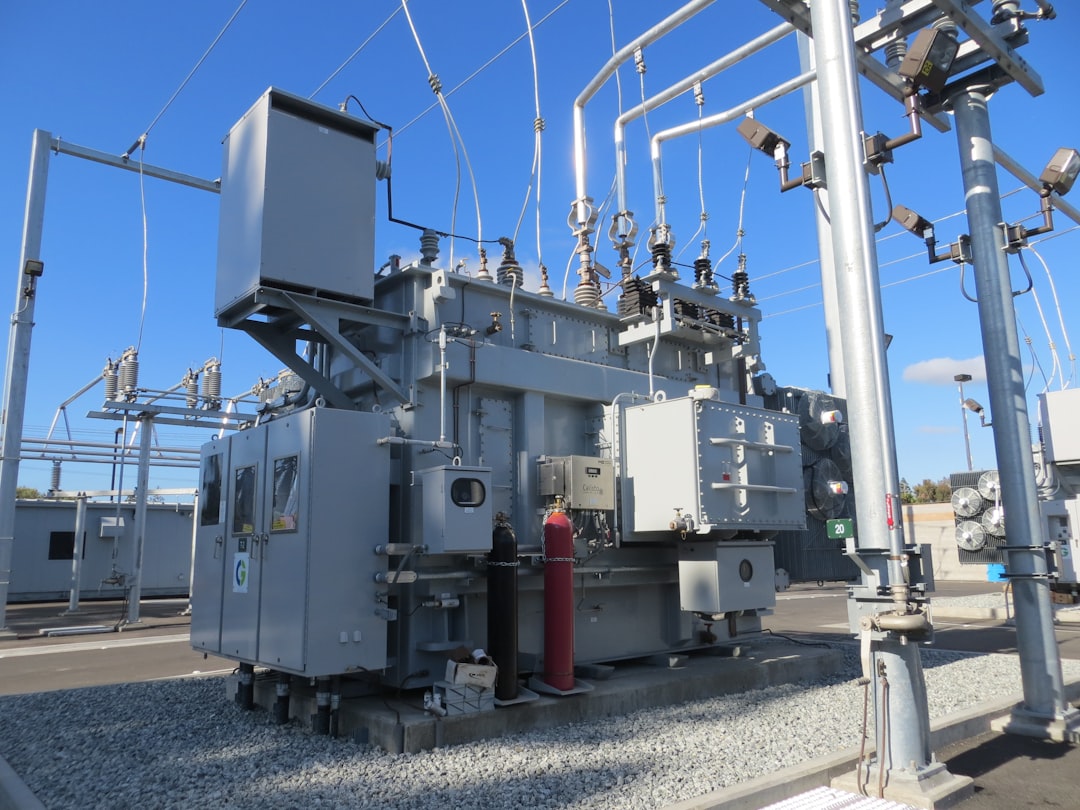
How can your facility guarantee uninterrupted operations during critical power failures? In the demanding climates and rapid development of the GCC, a reliable backup power system is non-negotiable. Consequently, securing skilled generator operators for backup power management becomes a strategic priority. This generator operators backup power guide addresses the unique challenges of recruiting and retaining technicians who ensure your emergency systems function flawlessly. Moreover, it connects this critical staffing need to broader facility management and compliance standards across the region.
Facilities across sectors—from hospitals and data centers to construction sites and manufacturing plants—depend on standby generators. Furthermore, the extreme heat in Gulf states places additional stress on power generation equipment. Therefore, operators must possess not just basic skills but advanced troubleshooting and preventive maintenance capabilities. Additionally, GCC labor regulations and visa sponsorship complexities add layers to the recruitment process. Understanding these elements is essential for operational resilience.
At Allianze HR Consultancy, we’ve successfully placed 10,000+ professionals across UAE, Saudi Arabia, Qatar, and Kuwait. Furthermore, our 5+ years of GCC expertise supports clients from 50+ countries. Moreover, our Ministry of External Affairs (India) RA license ensures compliance. Therefore, contact our recruitment specialists for expert guidance on building your resilient technical team.
Understanding GCC Emergency Power System Requirements
GCC nations enforce stringent standards for emergency power infrastructure. First, local civil defense and municipal regulations often mandate backup power for all commercial and high-occupancy buildings. Second, specific industries like healthcare and hospitality face even stricter compliance audits. For example, hospitals require generators that can support life-saving equipment indefinitely. Consequently, the technicians managing these systems must understand both the machinery and the legal framework.
Furthermore, environmental factors dictate specific maintenance protocols. The region’s dust and high humidity accelerate wear on engine components. Additionally, summer temperatures exceeding 45°C affect generator performance and fuel efficiency. Therefore, a comprehensive maintenance schedule is vital. Operators must perform regular load bank testing to ensure capacity. They also need to manage fuel quality and storage to prevent system failure during an outage.
- Compliance with local civil defense and municipality codes.
- Industry-specific mandates for healthcare, data centers, and hospitality.
- Preventive maintenance schedules for extreme heat and dust.
- Regular load testing and fuel system management protocols.
- Documentation and log-keeping for regulatory audits.
Partnering with a recruitment firm that grasps these technical and regulatory nuances is crucial. Moreover, it ensures your hired personnel are prepared for the region’s unique operational challenges from day one.
Generator Operators Backup Power Strategic Overview
Effective generator operators backup power management extends beyond hiring a technician. It requires a strategic approach to workforce planning. First, assess your facility’s critical load requirements and generator fleet size. This assessment determines if you need a single operator or a full team with shift rotations. Second, define the specific skill set. Do you need a diesel engine specialist, an electrical control panel expert, or a hybrid-skilled professional? Clearly outlining these needs streamlines the talent search.
Additionally, consider the long-term career path for these roles. High turnover in technical positions can jeopardize system reliability. Therefore, developing a retention strategy is as important as the recruitment itself. Offering certification sponsorships or advanced training in new generator technologies can increase loyalty. Furthermore, integrating these operators into your overall facility management team improves communication and emergency response coordination.
- Conduct a facility load and generator fleet assessment.
- Define required specializations: diesel, gas, electrical, or HVAC.
- Develop shift schedules for 24/7 facility coverage.
- Create retention plans with training and certification paths.
- Integrate operators with broader facility management teams.
This strategic overview ensures your backup power personnel strategy aligns with business continuity goals. Consequently, it transforms a tactical hire into a strategic asset for operational resilience.
Legal Framework and Compliance Standards
Navigating the GCC’s legal landscape for technical staff recruitment is complex. Each country has distinct labor laws, visa sponsorship rules, and qualification attestation processes. For instance, Saudi Arabia’s Ministry of Labor may require specific Saudi Standardization Organization (SASO) certifications for equipment handlers. Similarly, the UAE’s Federal Authority for Identity and Citizenship governs visa issuance for foreign workers. Understanding these layers is mandatory.
Moreover, international standards heavily influence local regulations. Operators should be familiar with guidelines from the International Labour Organization (ILO) on workplace safety, especially when dealing with high-voltage systems and fuel. Additionally, engine emissions standards are becoming stricter. Therefore, knowledge of environmental compliance, as highlighted by the World Health Organization (WHO), is increasingly valuable for operators managing generator fleets.
- Country-specific labor law and visa sponsorship requirements.
- Equipment operation certification mandates (e.g., SASO in KSA).
- Adherence to ILO workplace safety and health standards.
- Compliance with evolving environmental and emissions regulations.
- Proper attestation of technical diplomas and experience certificates.
Failure to comply can result in fines, project delays, or operational shutdowns. Hence, a recruitment partner well-versed in this framework is indispensable for risk mitigation.
Generator Operators Backup Power Best Practices
Implementing generator operators backup power best practices starts with a rigorous candidate sourcing and screening process. First, target regions with a strong tradition in technical trades and power generation. South Asia, for example, produces many highly skilled diesel mechanics and electrical technicians. Second, utilize practical assessments during interviews. Simulate a common fault scenario and evaluate the candidate’s diagnostic process and safety consciousness. This method reveals practical competence beyond paper qualifications.
Furthermore, structured onboarding is critical for success. New hires should undergo site-specific training on your generator models, switchgear, and facility emergency protocols. Additionally, pair them with a senior technician for the initial weeks. This mentorship accelerates integration and knowledge transfer. Moreover, establish clear key performance indicators (KPIs). Metrics like mean time to repair, preventive maintenance completion rate, and fuel consumption efficiency help monitor performance objectively.
- Source candidates from regions with strong technical training ecosystems.
- Incorporate hands-on practical assessments in the interview process.
- Develop a comprehensive, site-specific onboarding and mentorship program.
- Establish clear KPIs related to system uptime and maintenance efficiency.
- Implement continuous training on new technologies and safety protocols.
These best practices ensure your backup power team is competent, confident, and fully aligned with your facility’s operational standards. Consequently, they directly contribute to reduced downtime and enhanced safety.
Documentation and Processing Steps
The administrative journey for hiring a generator operator involves meticulous documentation. Initially, the employer must obtain quota approval or work permit clearance from the relevant GCC ministry. This step often requires submitting the company’s commercial license and facility details. Next, the candidate’s documents—passport, technical certificates, and experience letters—must be gathered. These documents typically require attestation from the home country’s embassy and the GCC country’s foreign ministry.

Subsequently, the medical fitness test and biometric enrollment processes must be completed. Meanwhile, the employment contract, drafted in Arabic and English, must comply with local wage protection systems. Throughout this process, maintaining organized records is essential for future renewals or audits. For more insights on efficient processing, explore our professional recruitment resources. Additionally, understanding broader urban development trends can contextualize the growing demand for such technical roles in the GCC.
- Secure quota approval/work permit from the local Ministry of Labor.
- Collect and attest candidate educational and experience certificates.
- Facilitate medical fitness testing and biometric registration.
- Draft dual-language employment contracts compliant with local law.
- Maintain a complete file for visa renewal and compliance audits.
Each step has potential pitfalls that can cause significant delays. Therefore, expertise in this documentation labyrinth is a core value offered by specialized recruitment firms.
Generator Operators Backup Power Implementation Timeline
A realistic generator operators backup power implementation timeline manages employer expectations. From job order to deployment, the process typically spans 6 to 10 weeks. The first phase, candidate sourcing and screening, takes 2-3 weeks. This phase includes interviewing, technical assessment, and final selection. The second phase involves document preparation and attestation, which can take another 2 weeks, depending on the candidate’s home country.
The final phase encompasses visa processing, medical exams, and flight arrangements, requiring approximately 2-5 weeks. However, timelines can fluctuate based on the specific GCC country’s processing speed and any unforeseen regulatory changes. For instance, during peak holiday seasons or following policy updates, delays are common. Hence, building buffer time into your project planning is a prudent strategy. To initiate this process efficiently, schedule a consultation appointment with our team.
- Weeks 1-3: Candidate sourcing, screening, and final selection.
- Weeks 4-5: Document collection, verification, and attestation.
- Weeks 6-10: Visa processing, medicals, and travel coordination.
- Buffer time for regulatory changes or administrative delays.
- Onboarding and site-specific training upon arrival.
Understanding this timeline allows for better workforce planning. Consequently, it prevents last-minute scrambles and ensures your backup power systems remain under expert care without interruption.
Common Challenges and Solutions
Employers frequently encounter several challenges when recruiting for this niche. First, a significant skills gap exists between basic generator operation and advanced diagnostic troubleshooting. Many candidates can perform routine checks but lack the expertise to manage complex control systems or hybrid setups. The solution involves partnering with recruiters who have technical assessors on staff to vet true competency. Second, high demand in the GCC leads to competitive job markets and candidate attrition. Offering competitive packages with clear career progression is key to retention.
Another common issue is navigating the frequent changes in immigration and labor policies. For example, changes in salary threshold requirements or profession classifications can disrupt hiring plans. The solution is to work with a partner who maintains active, updated knowledge of GCC labor markets, as reflected in World Bank labor market analyses. Additionally, ensuring workplace safety standards align with OSHA or equivalent guidelines mitigates operational risk.
- Challenge: Skills gap in advanced diagnostics. Solution: Implement rigorous practical testing during recruitment.
- Challenge: High competition for talent. Solution: Develop attractive retention and training programs.
- Challenge: Frequent regulatory changes. Solution: Partner with a compliance-focused recruitment agency.
- Challenge: Verification of international experience. Solution: Conduct thorough reference and background checks.
- Challenge: Cultural and language integration. Solution: Provide pre-departure and post-arrival orientation support.
Proactively addressing these challenges transforms potential obstacles into streamlined processes. Therefore, it ensures a higher success rate in securing and retaining the right technical talent.
Expert Recommendations for Success
To build a truly resilient backup power team, go beyond immediate hiring needs. First, invest in cross-training your operators on different generator brands and systems within your facility. This flexibility increases coverage and reduces dependency on a single individual. Second, foster a culture of proactive maintenance rather than reactive repairs. Empower your team to recommend upgrades or part replacements based on their operational data and logs.
Furthermore, leverage technology for remote monitoring and support. Modern generators offer IoT capabilities for performance tracking. Training your operators to use these digital tools enhances efficiency. Additionally, consider the broader facility ecosystem. As highlighted by the International Facility Management Association (IFMA), integrated building systems are the future. Therefore, your power specialists should collaborate closely with HVAC, electrical, and automation teams for holistic facility management.
- Cross-train operators on all generator models and related switchgear.
- Encourage a proactive, data-driven maintenance culture.
- Implement and train on remote monitoring and IoT diagnostic tools.
- Promote inter-departmental collaboration with other technical teams.
- Regularly review and benchmark compensation against market standards.
These expert recommendations position your facility not just to respond to emergencies but to anticipate and prevent them. Ultimately, this proactive approach safeguards your operations and reputation in the competitive GCC market.
Frequently Asked Questions About Generator Operators Backup Power
What is the timeline for hiring generator operators backup power specialists?
The complete timeline typically ranges from 6 to 10 weeks. This period covers sourcing, screening, documentation, visa processing, and travel. Furthermore, specific country regulations and attestation requirements can affect the duration. Therefore, consult our specialists for a precise project estimate.
What certifications should a backup power technician possess?
Ideal certifications include manufacturer-specific training (e.g., Cummins, Caterpillar), electrical safety certifications, and HVAC knowledge for cooling systems. Additionally, familiarity with local civil defense regulations is crucial. Moreover, certifications in first aid and hazardous material handling are valuable assets.
How can we ensure compliance with GCC labor laws for technical staff?
Ensure all employment contracts follow the local ministry template and wage protection systems. Additionally, maintain proper attestation for all educational and experience certificates. Furthermore, stay updated on policy changes through official channels like the UAE government portal or your recruitment partner.
What are the key interview questions for a generator operator?
Ask about specific experience with your generator brand, troubleshooting steps for a failure to start, procedures for parallel generator operation, and safety protocols during refueling under load. Additionally, present a real-world scenario to assess their problem-solving approach and technical knowledge depth.
Can Allianze HR assist with training after placement?
Yes, we can facilitate connections to local training providers for manufacturer-specific courses, safety certifications, and language training. Furthermore, we recommend developing a structured onboarding plan to ensure the operator understands your specific facility systems and emergency protocols.