


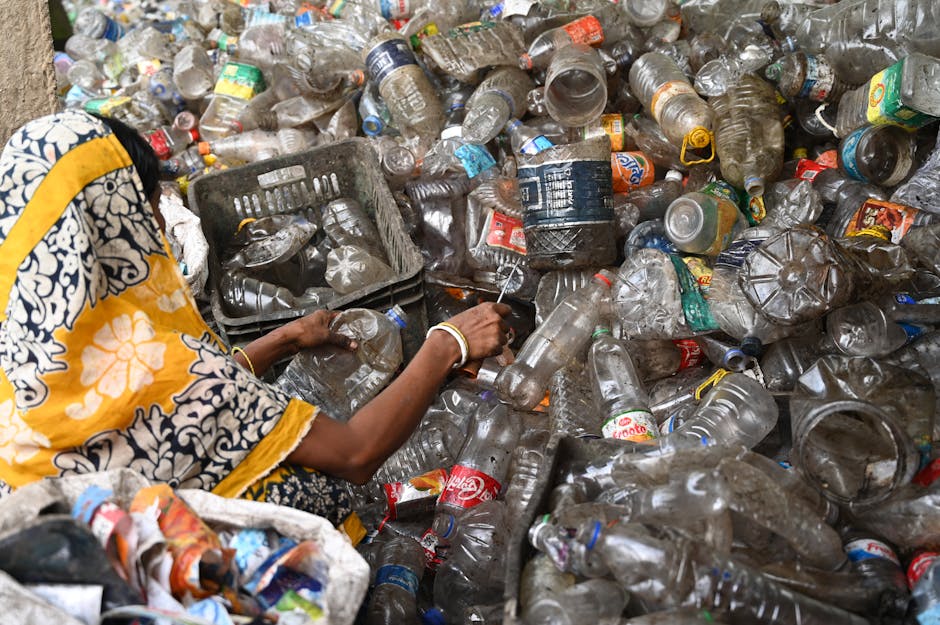
How can your facility management operations navigate the complex web of GCC environmental regulations? Furthermore, effective waste management FM environmental compliance is no longer optional. Consequently, it is a critical business imperative for sustainable operations. Therefore, this guide provides a strategic roadmap for employers. Moreover, it addresses recycling, disposal, and regulatory adherence across the Gulf region.
The GCC nations have implemented stringent environmental protection laws. Additionally, rapid urbanization and industrial growth drive these regulations. Specifically, facility managers must understand local mandates in the UAE, Saudi Arabia, and Qatar. Subsequently, non-compliance risks severe financial penalties and reputational damage. Hence, a proactive approach to waste stewardship is essential for long-term success.
At Allianze HR Consultancy, we’ve successfully placed 10,000+ professionals across UAE, Saudi Arabia, Qatar, and Kuwait. Furthermore, our 5+ years of GCC expertise supports clients from 50+ countries. Moreover, our Ministry of External Affairs (India) RA license ensures compliance. Therefore, contact our recruitment specialists for expert guidance. We connect you with skilled FM professionals who understand these critical compliance landscapes.
Understanding GCC Waste Regulatory Requirements
GCC environmental regulations are evolving rapidly. Each member state has developed its own enforcement framework. For example, the UAE’s Federal Law No. 24 of 1999 establishes core protection principles. Additionally, local authorities like Dubai Municipality issue specific waste management directives. Similarly, Saudi Arabia’s Vision 2030 includes ambitious environmental sustainability goals.
These regulations typically mandate waste segregation at source. Furthermore, they require licensed contractors for hazardous material transport. Specifically, they enforce tracking systems for disposal documentation. Moreover, they promote circular economy principles through recycling targets. Consequently, facility managers must maintain detailed audit trails.
Key regulatory bodies include the Environment Agency – Abu Dhabi (EAD). Also, the Saudi General Authority of Meteorology and Environmental Protection (GAMEP) is crucial. Additionally, Qatar’s Ministry of Municipality and Environment (MME) sets standards. Therefore, staying updated with these agencies is vital. Regular monitoring of official publications prevents compliance gaps.
- Mandatory waste segregation into categories: general, recyclable, hazardous.
- Licensing requirements for waste collection and processing service providers.
- Documentation and manifest systems for waste tracking from cradle to grave.
- Specific protocols for electronic waste (e-waste) and construction debris.
- Financial penalties for violations, including fines and operational suspensions.
- Incentive programs for facilities achieving high recycling rates.
Waste Management FM Environmental Compliance Strategic Overview
Achieving waste management FM environmental compliance requires a systematic strategy. First, conduct a comprehensive waste audit across all facility operations. This assessment identifies waste streams, volumes, and current handling practices. Furthermore, it highlights immediate areas for improvement. Subsequently, it forms the baseline for your compliance action plan.
Next, align your FM team’s structure with compliance objectives. Specifically, designate a sustainability or compliance officer. This individual oversees policy implementation and reporting. Moreover, they serve as the liaison with regulatory authorities. Additionally, they ensure all staff receive proper training on waste procedures.
Technology integration is another critical component. For instance, digital waste tracking platforms enhance transparency. They automate manifest creation and submission to authorities. Furthermore, they provide real-time data for performance monitoring. Consequently, they reduce administrative burden and human error. Therefore, investing in such systems streamlines compliance management significantly.
Finally, establish key performance indicators (KPIs). Measure recycling rates, diversion from landfill, and compliance audit scores. Regularly review these metrics with senior management. Moreover, benchmark your performance against industry standards. This continuous improvement cycle ensures ongoing regulatory adherence and operational excellence.
Legal Framework and Compliance Standards
The GCC legal landscape for waste is multifaceted. It combines federal laws with emirate or provincial-level decrees. For instance, the UAE green building regulations often include waste management clauses. Additionally, international standards like ISO 14001 provide a recognized framework. Many GCC regulators reference these global best practices.
Hazardous waste receives particular attention. Regulations define hazardous materials precisely. They cover chemicals, batteries, medical waste, and fluorescent lamps. Furthermore, they stipulate strict storage, labeling, and transportation conditions. Specifically, they require special permits for handling. Moreover, they mandate emergency response plans for potential incidents.
Extended Producer Responsibility (EPR) schemes are emerging. These policies make product manufacturers responsible for end-of-life disposal. For example, e-waste and packaging regulations are shifting burdens. Consequently, facility managers must understand their role in these evolving chains. Partnering with certified recyclers becomes essential.
Staying informed is a continuous duty. Regulatory bodies frequently update guidelines. Therefore, subscribe to official newsletters and bulletins. Additionally, join industry associations like the International Facility Management Association for updates. Furthermore, consult with legal experts specializing in GCC environmental law. Proactive engagement prevents last-minute scrambles before audits.
Waste Management FM Environmental Compliance Best Practices
Implementing best practices transforms compliance from a cost center to a value driver. First, develop a clear, written Environmental Management Plan (EMP). This document outlines policies, procedures, and responsibilities. Moreover, it should be accessible to all facility staff. Additionally, integrate it with other FM operational manuals for consistency.
Employee training and engagement are foundational. Conduct regular workshops on waste segregation. Use clear signage in multiple languages across the facility. Furthermore, create incentive programs for departments that excel in recycling. Consequently, fostering a culture of sustainability ensures policy adherence at every level.
Optimize your vendor and contractor management. Only engage licensed waste service providers. Verify their permits and environmental track records regularly. Moreover, include strict compliance clauses in service contracts. Specifically, require them to provide valid disposal certificates for every waste haul. This practice protects your facility from downstream liability.
Leverage technology for efficiency. Implement smart bin systems with fill-level sensors. These optimize collection routes and reduce costs. Additionally, use cloud-based software for digital record-keeping. This creates an immutable audit trail for regulators. Furthermore, analyze waste data to identify reduction opportunities. For example, you might switch to reusable packaging in catering operations.
- Establish a centralized waste storage area with clear segregation zones.
- Conduct surprise internal audits to ensure procedures are followed daily.
- Participate in local recycling initiatives and producer take-back schemes.
- Report sustainability metrics in annual corporate social responsibility reports.
- Designate a spill response team and conduct regular emergency drills.
- Engage with tenants or building occupants to ensure their cooperation.
Documentation and Processing Steps
Robust documentation is the backbone of demonstrable compliance. Firstly, maintain a waste inventory log. This record details all waste generated, categorized by type and hazard class. Furthermore, it must include dates, quantities, and originating departments. Subsequently, this log supports accurate reporting to authorities.
The waste transfer note (WTN) or manifest is a critical document. It accompanies every waste shipment leaving your facility. Specifically, it details the waste, its carrier, and its intended destination. Moreover, both your facility and the carrier must sign it. Finally, you must receive a copy signed by the disposal facility. This completes the chain of custody.
Permits and licenses require meticulous management. Keep copies of your own facility’s environmental permit. Additionally, maintain an updated file of permits for all your waste contractors. Furthermore, track renewal dates proactively. Letting a contractor’s license expire creates immediate compliance risk for your operations.
Internal audit reports are vital for continuous improvement. Schedule quarterly audits of waste storage areas and procedures. Document findings, non-conformities, and corrective actions taken. Moreover, present these reports to management review meetings. This structured approach demonstrates due diligence to external inspectors. Therefore, it mitigates potential penalties during formal regulatory audits.

Waste Management FM Environmental Compliance Implementation Timeline
Developing a realistic timeline ensures structured progress. The initial phase, spanning 1-2 months, focuses on assessment and planning. Conduct the waste audit and gap analysis. Furthermore, research local GCC regulations specific to your emirate or city. Meanwhile, begin drafting your Environmental Management Plan (EMP).
The next 2-3 months involve system setup and procurement. Finalize and approve the EMP. Subsequently, procure necessary equipment like segregated bins and signage. Moreover, issue tenders and select licensed waste contractors. Additionally, begin the development of digital tracking tools or purchase suitable software.
The rollout and training phase occurs in month 4. Launch the new waste procedures across the facility. Furthermore, conduct comprehensive training for all FM staff and relevant occupants. Meanwhile, implement the digital tracking system with initial data entry. Moreover, commence internal promotional campaigns to encourage participation.
The final stage is ongoing monitoring and refinement. After six months, perform a full review against KPIs. Adjust procedures based on operational feedback and performance data. Furthermore, schedule your first formal internal audit. Subsequently, prepare for potential external audits by regulators. This phased approach manages resources effectively and builds sustainable compliance.
Common Challenges and Solutions
Facility managers face several recurring obstacles. A primary challenge is staff turnover and inconsistent training. New employees may not follow established waste protocols. The solution is to embed training into the onboarding process for all roles. Furthermore, use visual aids and multilingual instructions at waste stations. Consequently, knowledge retention improves significantly.
Another issue is contamination of recycling streams. When non-recyclables mix with recyclables, entire loads may be rejected. To combat this, implement clear, color-coded bin systems. Additionally, provide regular feedback to departments on contamination rates. Moreover, consider appointing “green champions” on each floor to monitor and educate peers.
Managing costs of compliant disposal, especially for hazardous waste, is difficult. Budgets often underestimate these expenses. The solution involves proactive waste minimization. For example, find alternatives to hazardous chemicals used in cleaning. Furthermore, negotiate long-term contracts with waste vendors for better rates. Additionally, explore revenue opportunities from selling high-quality recyclables like cardboard.
Keeping pace with regulatory changes is a constant struggle. Relying on a single point of contact is risky. Therefore, diversify your information sources. Subscribe to updates from the International Labour Organization workplace safety resources. Also, network with peers through local FM forums. Moreover, schedule consultation appointment with compliance experts for annual reviews. This multi-channel approach ensures you stay informed.
Expert Recommendations for Success
To excel in environmental compliance, adopt a leadership mindset. View waste management as a strategic function, not a back-office task. Integrate it into corporate sustainability goals. Furthermore, report on its performance to executive leadership regularly. This elevates its importance and secures necessary resources for continuous improvement.
Build strong relationships with regulators. Do not view inspections as purely adversarial. Instead, engage with authorities proactively. Seek clarification on ambiguous regulations. Moreover, invite feedback during routine visits. This cooperative approach builds trust. Consequently, it can lead to more constructive interactions if issues arise.
Invest in your team’s expertise. Hire or develop FM professionals with specific environmental compliance knowledge. Support their certification in relevant areas. Additionally, encourage attendance at GCC-focused environmental conferences. Furthermore, leverage professional recruitment resources to find this specialized talent. A skilled team is your best defense against compliance failures.
Embrace innovation and circular economy principles. Look beyond mere compliance toward creating value. For instance, explore on-site composting for organic waste. Alternatively, partner with local industries that can use your waste as feedstock. Additionally, monitor global trends through sources like the World Bank urban development reports. This forward-thinking position future-proofs your operations and enhances corporate reputation.
Frequently Asked Questions About Waste Management FM Environmental Compliance
What is the primary goal of waste management FM environmental compliance?
The primary goal is to ensure facility operations adhere to all local and federal environmental regulations. This minimizes ecological impact, avoids legal penalties, and promotes sustainable resource use. Furthermore, it protects public health and enhances corporate social responsibility.
What are the key components of a waste audit?
A waste audit involves physically sorting and weighing waste streams over a defined period. Key components include identifying waste types, quantifying volumes, analyzing current disposal costs, and assessing segregation effectiveness. Moreover, it identifies contamination issues and benchmarks performance for improvement.
How can facilities improve indoor air quality related to waste?
Ensure waste storage areas are well-ventilated and cleaned daily. Use sealed containers for organic waste to prevent odor and pest issues. Furthermore, schedule frequent removal to avoid accumulation. Additionally, consider World Health Organization indoor air quality guidelines for best practices in maintenance.
What is the role of an Environmental Management System (EMS)?
An EMS provides a structured framework for managing environmental responsibilities. It helps organizations achieve compliance, reduce waste, and improve efficiency systematically. Moreover, certification to standards like ISO 14001 demonstrates commitment to stakeholders and regulators alike.
How do GCC regulations differ for construction and demolition waste?
Many GCC states have specific rules for construction and demolition (C&D) waste. These often require on-site sorting, recycling quotas for materials like concrete and metal, and the use of designated landfills. Furthermore, projects may need to submit waste management plans before obtaining building permits.
Can effective waste management reduce operational costs?
Absolutely. Reducing waste generation lowers disposal fees. Additionally, improving recycling can generate revenue from materials. Moreover, efficient processes reduce labor time for handling. Consequently, a strategic program turns compliance into a source of cost savings and operational efficiency.
Partner with Allianze HR for FM Compliance Success
Mastering waste management FM environmental compliance is a complex but achievable mission. This guide has outlined the regulatory frameworks, strategic approaches, and best practices essential for GCC facilities. Furthermore, it highlighted the importance of documentation, training, and proactive vendor management. Consequently, implementing these steps will safeguard your operations against regulatory risks.
The journey requires the right team. Skilled facility managers and sustainability officers are crucial. They translate policy into daily practice and ensure continuous adherence. Moreover, they foster the culture of environmental stewardship that underpins long-term success. Therefore, investing in specialized talent is a strategic imperative.
Allianze HR Consultancy is your partner in building this capable team. We understand the specific skill sets required for GCC environmental compliance roles. Our extensive network connects you with qualified professionals experienced in local regulations. Furthermore, our compliance expertise ensures all placements meet the highest standards. Let us help you build an FM team that turns sustainability goals into operational reality.
Begin strengthening your facility’s environmental performance today. Develop your compliance action plan using this guide as a blueprint. Then, contact our HR specialists to discuss your talent needs. Together, we can achieve operational excellence, regulatory compliance, and a greener future for your facilities across the GCC.