


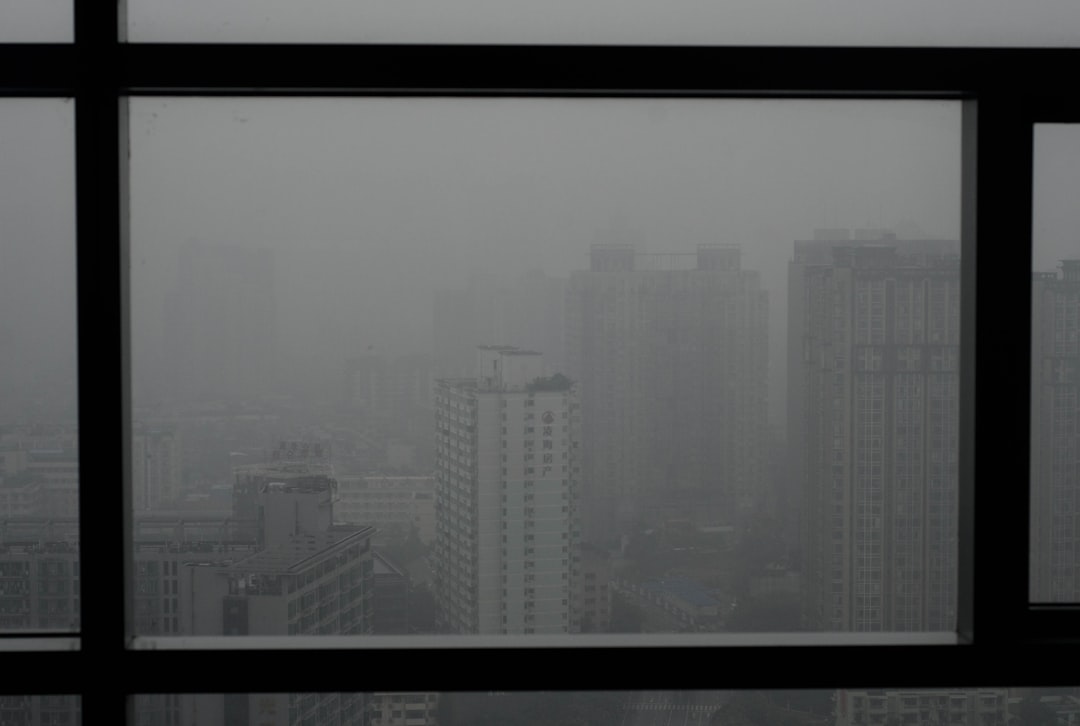
How can GCC facility managers ensure their buildings provide healthy, productive environments? Furthermore, the region’s extreme climate places immense pressure on HVAC systems. Consequently, understanding and implementing robust indoor air quality FM standards is not optional. It is a critical business imperative for health, compliance, and operational excellence. This guide demystifies the essential facility HVAC requirements for healthy indoor environments across the Gulf.
Indoor environmental quality directly impacts occupant health, cognitive function, and absenteeism rates. Moreover, in the GCC, where buildings are sealed against heat, ventilation becomes the lifeline. Additionally, regional regulations are evolving to prioritize occupant wellbeing alongside energy efficiency. Therefore, mastering these standards protects your workforce and your bottom line. It also future-proofs your assets against tightening compliance frameworks.
At Allianze HR Consultancy, we’ve successfully placed 10,000+ professionals across UAE, Saudi Arabia, Qatar, and Kuwait. Furthermore, our 5+ years of GCC expertise supports clients from 50+ countries in building expert facilities management teams. Moreover, our Ministry of External Affairs (India) RA license ensures every placement meets the highest compliance standards. Therefore, contact our recruitment specialists for expert guidance on securing top-tier FM talent who can navigate these complex requirements.
Understanding GCC Indoor Environmental Health Mandates
GCC nations have established specific codes governing building performance. For example, the UAE’s Estidama Pearl Rating System and Dubai’s Green Building Regulations include strict ventilation criteria. Similarly, Saudi Arabia’s Saudi Building Code (SBC) and Qatar’s Global Sustainability Assessment System (GSAS) mandate air quality measures. These frameworks aim to reduce energy consumption while safeguarding occupant health. Consequently, facility managers must balance competing priorities expertly.
Furthermore, the World Health Organization indoor air quality guidelines form a global benchmark for pollutant concentrations. Additionally, local municipalities conduct inspections to ensure ongoing compliance. Common checkpoints include ventilation rates, filter maintenance logs, and carbon dioxide (CO2) monitoring data. Therefore, a proactive, documented approach is essential. It prevents violations and demonstrates corporate responsibility.
- Ventilation Rate Compliance: Meeting minimum outdoor air changes per hour (ACH) for different space types.
- Pollutant Control: Managing levels of PM2.5, VOCs, CO2, and biological contaminants like mold.
- System Documentation: Maintaining detailed logs for filter changes, duct cleaning, and sensor calibration.
- Energy Integration: Implementing heat recovery ventilators (HRVs) to meet air quality goals without excessive energy penalty.
Indoor Air Quality FM Standards Strategic Overview
A strategic approach to indoor air quality FM standards transforms compliance into a value driver. First, conduct a comprehensive audit of your existing HVAC and building envelope. This baseline assessment identifies gaps in filtration, ventilation, and control systems. Next, develop a phased implementation plan aligned with both budget and operational continuity. Finally, establish key performance indicators (KPIs) for continuous monitoring and improvement.
Moreover, these standards are integral to broader Environmental, Social, and Governance (ESG) reporting. Investors and tenants increasingly demand proof of healthy building operations. Therefore, excelling in this area enhances asset valuation and tenant retention rates. It also reduces health-related liability risks. Partnering with knowledgeable FM professionals is crucial for executing this strategy effectively.
- Risk Assessment: Identifying specific air quality risks related to building location, use, and occupant density.
- Technology Selection: Choosing between advanced filtration (MERV 13+), UV-C light, and smart IAQ sensors.
- Stakeholder Communication: Developing clear protocols for informing occupants about IAQ measures and improvements.
- Performance Benchmarking: Comparing your building’s IAQ data against regional and international benchmarks.
Legal Framework and Compliance Standards
Navigating the legal landscape requires understanding both international and local directives. The International Labour Organization workplace safety conventions provide a foundation for healthy work environments. Meanwhile, GCC countries reference standards like ASHRAE 62.1 (Ventilation for Acceptable Indoor Air Quality) within their national codes. Compliance is not static. It requires ongoing adaptation to regulatory updates.
Furthermore, non-compliance can result in substantial fines, operational shutdowns, or project approval delays. In severe cases, poor IAQ leading to occupant illness can trigger legal action. Therefore, facility managers must implement a robust compliance management system. This system should track regulatory changes, audit internal practices, and manage corrective actions. Regular training for on-site technicians is equally vital.
- Code Cross-Referencing: Mapping local GCC regulations to international standards like ASHRAE and ISO.
- Inspection Preparedness: Maintaining an always-audit-ready folder with all required certificates and logs.
- Contractual Obligations: Ensuring FM service contracts explicitly define IAQ performance and compliance responsibilities.
- Record-Keeping: Digitizing maintenance records for easy retrieval and analysis over the building’s lifecycle.
Indoor Air Quality FM Standards Best Practices
Adopting industry best practices ensures you exceed basic compliance. First, implement continuous monitoring using a network of IoT sensors for CO2, PM2.5, temperature, and humidity. This data provides real-time insights and validates system performance. Second, adopt a predictive maintenance strategy for HVAC components. Consequently, you address issues like clogged filters or failing fans before they impact air quality.
Additionally, embrace the principles outlined by the International Facility Management Association for total workplace quality. Moreover, consider pursuing third-party healthy building certifications, such as WELL or RESET, which offer rigorous frameworks. These certifications provide independent verification of your standards. They also serve as powerful marketing tools for attracting premium tenants.
- Demand-Controlled Ventilation (DCV): Using CO2 sensors to modulate outdoor air intake based on actual occupancy, saving energy.
- Enhanced Filtration: Upgrading to MERV 13 or HEPA filters in air handling units, especially in high-risk areas.
- Building Flush-Out: Conducting a post-construction or major renovation flush-out with 100% outdoor air before occupancy.
- Occupant Engagement: Creating channels for occupants to report IAQ concerns and providing transparent feedback on actions taken.
Documentation and Processing Steps
Meticulous documentation is the backbone of demonstrable compliance. Start with a master IAQ management plan. This document outlines policies, assigned roles, and standard operating procedures. Next, maintain a centralized digital log for all HVAC activities. Entries should include dates, technician details, actions taken, and pre/post measurements where applicable.
Furthermore, processing air quality data is critical. Use building management systems (BMS) or dedicated IAQ platforms to aggregate sensor data. Then, generate regular reports for management review. These reports should highlight trends, identify anomalies, and recommend corrective actions. This systematic approach turns data into actionable intelligence. It also provides a clear audit trail for regulators.

- Plan Development: Creating a living IAQ Management Plan reviewed and updated annually.
- Daily/Weekly Logs: Recording filter pressures, equipment run-times, and visual inspection findings.
- Incident Reporting: Implementing a formal process for investigating and resolving occupant IAQ complaints.
- Third-Party Audit Reports: Scheduling annual or bi-annual audits by independent environmental consultants.
Indoor Air Quality FM Standards Implementation Timeline
Implementing robust indoor air quality FM standards is a phased journey. The first phase, Assessment & Planning (Weeks 1-4), involves auditing current systems and defining the project scope. Subsequently, the Design & Procurement phase (Weeks 5-12) focuses on selecting technologies and finalizing vendor contracts. This stage requires careful specification to ensure compatibility and performance.
Next, the Installation & Commissioning phase (Weeks 13-20) sees the physical deployment of sensors and HVAC upgrades. Crucially, systems must be thoroughly tested and balanced. Finally, the Operation & Continuous Improvement phase (Ongoing) begins. Here, monitoring protocols take effect, and staff training is completed. This timeline ensures structured, manageable progress toward a healthier building environment.
- Month 1-2: Baseline IAQ testing, stakeholder meetings, and preliminary gap analysis.
- Month 3-4: Finalizing technical specifications, budget approval, and contractor selection.
- Month 5-6: Staged installation of equipment with minimal disruption to building operations.
- Month 7+: Full system operation, performance review cycles, and optimization adjustments.
Common Challenges and Solutions
Facility managers in the GCC face unique challenges in maintaining indoor air quality. First, extreme outdoor dust and sand necessitate frequent filter changes. This can strain maintenance budgets and schedules. Solution: Implement pre-filters and schedule changes based on pressure differential readings, not just time. Second, energy cost pressures may lead to reducing ventilation rates. Solution: Install energy recovery ventilators to maintain air exchange efficiently.
Another common issue is occupant sensitivity in mixed-use buildings. Different activities generate varying pollutants. Solution: Zone your HVAC system to allow for tailored ventilation strategies in areas like gyms, kitchens, and offices. Finally, a lack of skilled technicians who understand both HVAC mechanics and air quality science is a major hurdle. This is where strategic recruitment becomes essential. Partnering with a specialist like Allianze HR ensures access to qualified talent.
- Challenge: High Humidity Leading to Mold. Solution: Maintain RH between 40-60% with dedicated dehumidification systems.
- Challenge: Legacy Building Retrofits. Solution: Use decentralized ventilation units (DVUs) to improve IAQ without major ductwork modifications.
- Challenge: Data Overload from Sensors. Solution: Use AI-powered analytics platforms to highlight actionable insights from sensor data.
- Challenge: Budget Constraints. Solution: Build a business case highlighting ROI through reduced sick days, higher productivity, and lower turnover.
Expert Recommendations for Success
To achieve lasting success, integrate IAQ goals into your organization’s core FM strategy. Begin by appointing an IAQ champion with the authority to drive initiatives across departments. Furthermore, invest in continuous education for your team on emerging technologies and standards. Resources from the UAE green building regulations portal and World Bank urban development reports offer valuable insights.
Moreover, view your IAQ data as a strategic asset. Share positive trends with occupants and stakeholders to build trust and demonstrate value. Additionally, consider the broader urban context discussed in World Bank urban development reports. Finally, recognize that your people are your most critical component. Hiring and retaining FM professionals with certified expertise in HVAC and environmental systems is the ultimate best practice. Explore our professional recruitment resources to build your team.
- Leadership Buy-In: Present IAQ initiatives in terms of risk mitigation, talent attraction, and asset value preservation.
- Technology Adoption: Pilot new solutions like photocatalytic oxidation (PCO) or bipolar ionization in controlled areas before full rollout.
- Cross-Functional Collaboration: Involve HR, IT, and Sustainability departments in IAQ planning from the outset.
- Community Benchmarking: Participate in industry groups to share knowledge and benchmark performance against peers.
Frequently Asked Questions About Indoor Air Quality FM Standards
What is the primary goal of indoor air quality FM standards?
The primary goal is to ensure mechanical ventilation and filtration systems provide healthy indoor environments. Furthermore, these standards set minimum ventilation rates and pollutant limits. Consequently, they protect occupant health, wellbeing, and productivity in sealed commercial buildings.
Which international standard is most referenced in GCC ventilation codes?
ASHRAE Standard 62.1, “Ventilation for Acceptable Indoor Air Quality,” is widely referenced. Additionally, local codes like Dubai’s Green Building Regulations integrate its principles. Moreover, it provides the foundational methodology for calculating required outdoor air intake.
How often should HVAC filters be checked in GCC facilities?
Filters should be visually checked monthly due to high ambient dust. Moreover, pressure differential across the filter should be monitored weekly. Replacement typically occurs when the pressure drop exceeds the manufacturer’s specification, often every 3-6 months.
What are the key metrics to monitor for indoor air quality?
Key metrics include carbon dioxide (CO2) levels (indicator of ventilation), particulate matter (PM2.5/PM10), total volatile organic compounds (TVOCs), temperature, and relative humidity. Additionally, maintaining CO2 below 1000 ppm is a common industry target for occupied spaces.
Can improving IAQ actually provide a financial return?
Yes. Studies link better IAQ to reduced sick leave, lower staff turnover, and improved cognitive performance. Therefore, the investment often yields a strong ROI through enhanced productivity and reduced healthcare costs. It also increases asset attractiveness to tenants.
How does Allianze HR support compliance with these FM standards?
We recruit certified FM and HVAC professionals with proven expertise in IAQ management. Furthermore, our vetting process ensures candidates understand GCC regulations and best practices. Therefore, we provide the specialized talent needed to implement and maintain compliant, healthy building systems. Schedule a consultation appointment to discuss your needs.
Partner with Allianze HR for FM Excellence
Mastering indoor air quality FM standards is a complex but essential undertaking for GCC employers. This guide has outlined the strategic, compliance, and practical steps required. From understanding local mandates to implementing best-practice ventilation strategies, success hinges on expertise. Moreover, the health of your occupants and the performance of your asset depend on rigorous, ongoing management of the indoor environment.
Ultimately, your facility’s performance relies on the skill of your team. Hiring professionals who are fluent in the latest ventilation standards, monitoring technologies, and GCC compliance frameworks is critical. Allianze HR Consultancy specializes in connecting employers with top-tier facilities management talent. We understand the precise blend of