


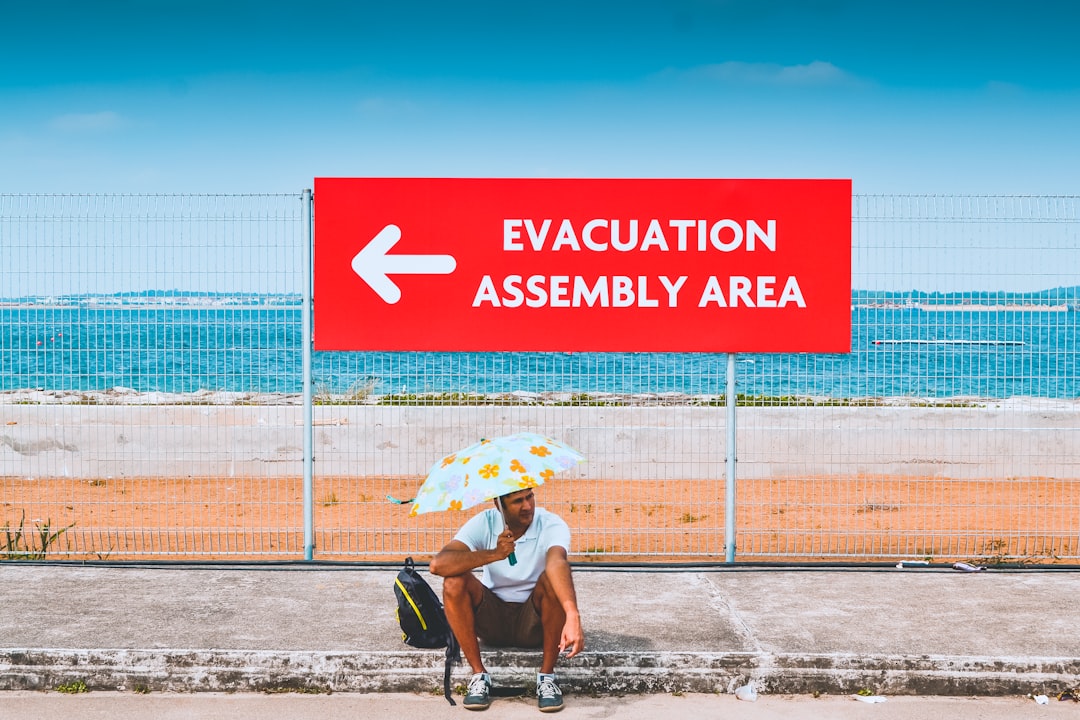
How can your facility ensure occupant safety during a crisis? In the dynamic GCC region, robust emergency preparedness is non-negotiable. High-rise towers, sprawling industrial complexes, and bustling commercial centers demand meticulous planning. Consequently, effective emergency FM evacuation planning protects lives, assets, and organizational reputation. This guide provides a strategic framework for facility managers and employers.
GCC nations enforce stringent civil defense and life safety codes. These regulations mandate specific facility crisis response procedures. Moreover, regional challenges like extreme heat and dense urban environments add complexity. Therefore, understanding local requirements proves critical for operational continuity and legal compliance. A proactive approach mitigates severe financial and human risks.
At Allianze HR Consultancy, we’ve successfully placed 10,000+ professionals across UAE, Saudi Arabia, Qatar, and Kuwait. Furthermore, our 5+ years of GCC expertise supports clients from 50+ countries. Moreover, our Ministry of External Affairs (India) RA license ensures compliance. Therefore, contact our recruitment specialists for expert guidance on staffing your safety and facilities teams. We connect you with qualified professionals to execute these critical plans.
Understanding GCC Life Safety Regulatory Landscape
GCC countries maintain rigorous emergency management standards. Each emirate and kingdom has its civil defense authority. These bodies conduct regular facility inspections. Additionally, they mandate specific evacuation plan submissions for building permits. Non-compliance results in heavy fines, operational shutdowns, or legal prosecution.
For instance, UAE Civil Defense requirements are particularly detailed. They cover everything from assembly point distances to exit signage illumination. Similarly, Saudi Arabia’s General Directorate of Civil Defense sets clear benchmarks. Consequently, facility managers must stay updated on all regional amendments. Proactive compliance is far more effective than reactive correction.
Key regulations often reference international benchmarks. These include NFPA 101 Life Safety Code and ISO 22301 for security and resilience. Furthermore, local adaptations consider regional construction styles and climate. Therefore, a hybrid approach blending global best practices with local law is essential. This ensures both technical robustness and legal adherence.
- UAE Federal Law No. 20 on Civil Defense
- Saudi Civil Defense Law and Executive Regulations
- Qatar’s Ministry of Interior Security Systems Law
- Kuwait Fire Force Directorate technical guidelines
- Annual inspection and certification requirements
- Penalties for non-compliance including business closure
Emergency FM Evacuation Planning Strategic Overview
Effective emergency FM evacuation planning is a systematic process. It begins with a comprehensive facility risk assessment. This identifies potential hazards specific to the building’s use and location. Subsequently, planners develop clear, actionable response protocols. These protocols must account for all occupant types, including visitors and persons with disabilities.
The plan’s core is a clear chain of command. Specifically, roles like Evacuation Wardens and Assembly Point Managers must be defined. Moreover, communication systems require redundancy. For example, consider both public address systems and mobile alerts. Consequently, information flow remains uninterrupted during power or network failures.
Integration with local emergency services is another critical step. Therefore, share your floor plans and hazard materials list with civil defense authorities. Furthermore, establish direct communication protocols for crisis situations. This coordination significantly improves official response times and effectiveness. Ultimately, it bridges the gap between internal response and external aid.
- Conduct thorough site-specific risk assessments biannually
- Define and train an Emergency Control Organization (ECO) team
- Establish primary and secondary communication channels
- Map and mark all primary and alternative egress routes
- Identify and equip designated safe assembly areas
- Integrate plans with building management systems (BMS)
Legal Framework and Compliance Standards
Navigating the GCC’s legal framework requires precision. Compliance is not optional. Firstly, facility owners bear ultimate responsibility for occupant safety. Secondly, facility managers execute daily compliance duties. This shared accountability demands clear contractual delineation. Regular audits verify that all procedures meet the latest standards.
Documentation serves as your legal shield. Maintain updated records of all drills, training, and equipment maintenance. Additionally, keep approved evacuation plan drawings accessible. Authorities will request these during inspections or post-incident investigations. Consequently, organized documentation demonstrates due diligence and operational competence.
International resources provide valuable guidance. The International Labour Organization workplace safety standards offer a global baseline. Furthermore, the International Facility Management Association provides industry-specific best practices. Moreover, local portals like the UAE green building regulations often include safety mandates. Utilize these resources to build a robust program.
- Maintain legally required certificates of compliance
- Document all employee safety training attendance
- Log firefighting equipment inspection dates and results
- Keep architectural egress drawings current and posted
- Record all drill performances and corrective actions
- Secure approvals for any temporary deviation from plan
Emergency FM Evacuation Planning Best Practices
Adopting industry best practices elevates your plan from compliant to exceptional. First, ensure plans are inclusive. Account for individuals with mobility, visual, or hearing impairments. For example, install tactile signage and provide evacuation chairs. Additionally, consider language diversity among occupants. Therefore, use pictograms and multi-language instructions universally.
Technology integration is a game-changer. Modern systems provide real-time occupant tracking and smart signage. For instance, dynamic exit signs can reroute people away from a hazard. Moreover, mass notification systems can send targeted alerts via SMS and email. Consequently, technology reduces evacuation times and confusion during high-stress events.
Regular plan validation is crucial. Simulate different scenarios beyond basic fire drills. Test responses to events like hazardous material spills or security threats. Furthermore, conduct drills during off-hours or in different building occupancy modes. This reveals hidden weaknesses in procedures or resource allocation. A plan is only as good as its last successful test.
- Implement Personal Emergency Egress Plans (PEEPs) for disabled occupants
- Utilize BIM (Building Information Modeling) for 3D evacuation simulation
- Establish a “buddy system” for visitor accountability
- Apply color-coded zoning for large or complex facilities
- Integrate with IoT sensors for real-time hazard detection
- Create simplified “flashcard” instructions for quick warden reference
Documentation and Processing Steps
Meticulous documentation forms the backbone of any safety program. Start with the Emergency Response Plan (ERP) manual. This master document should be comprehensive yet accessible. Divide it into clear sections for easy reference during a crisis. Furthermore, maintain both digital and hardcopy versions in secure, accessible locations.
The processing of drill data is equally important. After each exercise, conduct a formal debriefing session. Gather feedback from participants, observers, and wardens. Subsequently, document lessons learned and assign corrective actions with deadlines. This continuous improvement cycle transforms drills from a compliance checkbox into a genuine learning tool.
Authority reporting follows a strict process. Submit drill notifications and results to civil defense as required. Additionally, keep records of all correspondence. For broader health standards, reference the World Health Organization indoor air quality guidelines during CBRN threats. Moreover, reports from the World Bank urban development reports can inform planning for urban complex risks. Proper documentation ensures seamless regulatory interaction.
- Develop and distribute Emergency Procedure Handbooks
- Maintain a centralized compliance calendar for all renewals
- Process and archive all incident and near-miss reports
- Create visual process flows for critical response actions
- Document vendor contracts for emergency system maintenance
- Keep an updated contact list for all emergency services
Emergency FM Evacuation Planning Implementation Timeline
A phased implementation timeline ensures manageable progress. Month one focuses on assessment and design. Conduct the initial risk assessment and draft the core plan. Meanwhile, identify and appoint key emergency team members. This foundational stage sets the direction for all subsequent work.
Months two and three involve development and procurement. Finalize all plan documents and procedures. Furthermore, order any necessary equipment like signage or communication tools. Additionally, begin basic awareness training for all staff. This builds a culture of safety before intensive drills commence.
Months four to six mark the rollout and testing phase. Launch the official plan with a full-staff briefing. Subsequently, conduct the first table-top exercise followed by a partial drill. Finally, execute a full-scale, unannounced drill before the sixth month. This staged approach allows for refinement and builds confidence incrementally.
- Week 1-4: Hazard identification and resource inventory
- Month 2: Plan drafting and warden team selection
- Month 3: Procedure finalization and initial awareness training
- Month 4: First table-top exercise and plan adjustment
- Month 5: Partial (floor or department) evacuation drill
- Month 6: Full-building drill and official plan launch
Common Challenges and Practical Solutions
Facility managers often face predictable challenges. First, occupant complacency is a major hurdle. People become familiar with false alarms or routine drills. Consequently, they may not respond with appropriate urgency. Combat this by varying drill scenarios and times. Additionally, communicate the real consequences of unpreparedness clearly and regularly.
Budget constraints can limit safety investments. However, many effective measures are low-cost. For example, clear communication and well-trained staff are highly effective. Furthermore, prioritize expenditures based on risk assessment findings. Therefore, address the highest probability and impact threats first. This risk-based approach maximizes safety ROI.
High staff turnover in the GCC disrupts trained teams. Implement a robust onboarding safety induction for all new hires. Moreover, maintain a “train-the-trainer” model to build internal resilience. Cross-train personnel in critical roles to ensure redundancy. This ensures institutional knowledge persists despite workforce changes.
- Challenge: Multilingual workforce. Solution: Use pictogram-based training and multilingual facilitators.
- Challenge: Complex building layouts. Solution: Implement zone-based warden systems and clear zone maps.
- Challenge: Integrating with neighboring facilities. Solution: Establish joint liaison committees and conduct combined drills.
- Challenge: Maintaining plan relevance. Solution: Assign a dedicated plan custodian and review quarterly.
- Challenge: Technology failure. Solution: Design manual backup procedures for all automated systems.
- Challenge: Visitor management. Solution: Implement a mandatory visitor safety briefing log.
Expert Recommendations for Success
Leadership commitment is the single greatest success factor. Executive management must visibly champion safety initiatives. Furthermore, they should participate in drills and debriefs. This demonstrates that safety is a core value, not just a regulatory burden. Consequently, it fosters organization-wide engagement and accountability.
Invest in specialized talent for your facilities team. Hiring personnel with formal training in emergency management pays dividends. These professionals bring structured methodologies and experience. Moreover, they can navigate the complex GCC regulatory environment efficiently. Therefore, view safety staffing as a critical investment, not an expense.
Finally, embrace a culture of continuous learning. Analyze incidents from other facilities globally. Additionally, participate in industry forums and workshops. Utilize professional recruitment resources to find qualified safety officers and facility managers. Furthermore, schedule consultation appointment with experts to audit your plans. The field of emergency preparedness evolves constantly. Staying informed is your best defense.
- Secure annual budget specifically for safety training and equipment
- Benchmark your program against similar high-performing facilities
- Recognize and reward proactive safety behavior by staff
- Conduct annual third-party audits for unbiased gap analysis
- Foster relationships with local civil defense officers
- Incorporate safety performance into management KPIs
Frequently Asked Questions About Emergency FM Evacuation Planning
What is the timeline for emergency FM evacuation planning implementation?
A comprehensive implementation typically takes 4-6 months. This includes risk assessment, plan design, team training, and initial drills. Furthermore, complexity and facility size affect the schedule. Therefore, starting early is crucial for thorough preparation.
How often should facility crisis response drills be conducted?
GCC regulations typically mandate at least one full evacuation drill annually. However, best practices recommend quarterly table-top or partial drills. Additionally, conduct specific drills for different hazard scenarios. This ensures readiness and identifies procedural gaps regularly.
What are the key components of a compliant evacuation plan?
Key components include clear egress maps, defined warden roles, communication protocols, assembly point procedures, and accounting methods. Additionally, plans must address visitors and persons with disabilities. Moreover, integration with local emergency services is essential for compliance.
Who is legally responsible for evacuation plan compliance?
The facility owner or ultimate employer bears primary legal responsibility. However, the appointed facility manager is responsible for daily execution and maintenance. Consequently, contracts should clearly define these roles. Regular audits verify that all parties meet their obligations.
Can Allianze HR assist in staffing for safety roles?
Absolutely. We specialize in recruiting qualified Health & Safety Officers, Facility Managers, and Emergency Coordinators. Furthermore, we understand the specific technical and regulatory competencies required for GCC roles. Therefore, we can source professionals who will strengthen your emergency preparedness framework effectively.
What happens after an evacuation drill?
Immediate debriefing with all key participants is critical. Document observations, timing, and any issues encountered. Subsequently, develop an action plan to address deficiencies. Finally, update the formal evacuation plan based on lessons learned. This cycle of drill, review, and improve is mandatory for effectiveness.
Partner with Allianze HR for Evacuation Preparedness Success
Robust emergency FM evacuation planning is a cornerstone of responsible facility management in the GCC. It transcends basic compliance to become a moral and strategic imperative. A well-executed plan safeguards your most valuable asset—your people. Moreover, it protects physical assets and ensures business continuity during disruptive events. Consequently, investment in preparedness yields significant returns in risk mitigation and organizational resilience.
The journey requires expertise, diligence, and the right team. From understanding complex local regulations to implementing cutting-edge best practices, each step matters. Furthermore, maintaining a dynamic, well-trained response team is essential. Your emergency plan is a living document that must evolve with your facility and workforce