



How can facility managers in the GCC ensure every dirham spent aligns with strategic financial goals? Effective cost reporting FM budget compliance is the cornerstone of sustainable facility management. Furthermore, it transforms raw data into actionable intelligence. Consequently, organizations can optimize operations and ensure regulatory adherence. This guide explores the critical procedures for facility financial management and variance analysis.
The GCC’s dynamic real estate and infrastructure landscape demands rigorous financial oversight. Moreover, facilities represent significant capital and operational expenditure. Therefore, precise budget tracking is not just administrative. It is a strategic imperative for asset preservation and value creation. Additionally, regional regulations and sustainability goals add layers of complexity to financial reporting.
At Allianze HR Consultancy, we understand that robust financial processes are supported by skilled professionals. Furthermore, our expertise extends to recruiting the finance and facility management talent that powers these systems. We’ve successfully placed 10,000+ professionals across UAE, Saudi Arabia, Qatar, and Kuwait. Moreover, our 5+ years of GCC expertise supports clients from 50+ countries. Therefore, contact our recruitment specialists for expert guidance on building your high-performing FM team.
Understanding GCC Facility Financial Management Requirements
Facility financial management in the Gulf requires a nuanced approach. First, regional markets experience rapid growth and regulatory evolution. Second, cultural and business practices influence procurement and reporting cycles. Third, sustainability initiatives, like the UAE’s Green Agenda 2030, impact cost structures. Therefore, a static budget is insufficient for modern facility management.
Key financial components include capital expenditure (CapEx) for assets and renovations. Additionally, operational expenditure (OpEx) covers utilities, maintenance, and services. Furthermore, lifecycle costing is essential for long-term asset planning. Consequently, managers must track both immediate and future financial commitments. This holistic view prevents unexpected budgetary shortfalls.
- Capital Expenditure (CapEx): Major equipment, system upgrades, and facility expansions.
- Operational Expenditure (OpEx): Recurring costs for utilities, cleaning, and routine maintenance.
- Lifecycle Costing: Total cost of ownership from acquisition to disposal.
- Compliance Costs: Expenses related to meeting local authority and environmental regulations.
- Contingency Reserves: Budget allocated for unforeseen repairs or emergency situations.
Effective systems integrate these elements into a coherent financial picture. Moreover, they provide transparency for stakeholders across the organization. Finally, they ensure resources are allocated to priorities that drive business success.
Cost Reporting FM Budget Compliance Strategic Overview
A strategic approach to cost reporting FM budget compliance moves beyond simple tracking. Specifically, it aligns facility spending with organizational strategic objectives. Furthermore, it establishes clear accountability for budget owners. Therefore, every financial report should tell a story about value and performance. This overview is critical for securing executive buy-in and continued investment.
The process begins with a well-structured annual budget grounded in historical data. Next, it requires consistent capture of actual expenses through coded invoices and work orders. Subsequently, regular reporting intervals allow for timely corrective action. Moreover, variance analysis explains deviations between planned and actual figures. Consequently, management can make informed decisions to steer facility performance.
- Strategic Alignment: Linking FM spending to corporate goals like efficiency or sustainability.
- Accountability Frameworks: Defining who is responsible for each budget line item.
- Technology Integration: Using CMMS and IWMS platforms for automated data capture.
- Stakeholder Communication: Translating financial data into insights for non-financial leaders.
- Continuous Improvement: Using financial insights to drive process optimization and cost savings.
Ultimately, this strategic framework turns the finance department from a cost controller into a business partner. Additionally, it demonstrates the tangible return on investment from facility management activities.
Legal Framework and Compliance Standards
GCC facility managers must navigate a multifaceted legal landscape. First, national labor laws govern service contract staffing and wages, as outlined by the International Labour Organization standards. Second, municipal regulations dictate building codes, safety standards, and waste management. Third, free zone authorities may impose specific financial reporting requirements. Therefore, non-compliance carries financial and reputational risk.
Financial compliance often involves standardized chart of accounts. Moreover, it requires adherence to International Financial Reporting Standards (IFRS). Additionally, entities may need to follow local accounting standards. Consequently, facility cost reports must be auditable and transparent. This is especially true for publicly listed companies or government-linked entities.
Key reference documents include the International Facility Management Association guidelines for operational benchmarks. Furthermore, local authorities like UAE green building regulations influence utility and retrofit spending. Also, World Health Organization indoor air quality guidelines can impact HVAC operational costs. Therefore, compliance is an active, ongoing component of budget planning.
Cost Reporting FM Budget Compliance Best Practices
Implementing best practices for cost reporting FM budget compliance ensures accuracy and reliability. First, establish a centralized digital repository for all financial documents. Second, implement a consistent coding structure for all expenses. Third, schedule regular reconciliation meetings between finance and operations teams. These steps create a single source of truth for facility financial data.
Technology plays a pivotal role in modern best practices. Specifically, Computerized Maintenance Management Systems (CMMS) automate work order costing. Additionally, Integrated Workplace Management Systems (IWMS) provide holistic financial dashboards. Moreover, IoT sensors can track utility consumption in real-time. Consequently, manual data entry errors are reduced significantly.
- Standardized Coding: Use uniform account codes for every invoice and purchase order.
- Regular Reconciliation: Monthly reviews between booked expenses and FM system data.
- Real-Time Dashboards: Implementing live financial KPIs for management visibility.
- Procurement Policy Alignment: Ensuring all spending follows pre-approved vendor and contract guidelines.
- Audit Trail Maintenance: Keeping detailed records of approvals and budget transfers.
Furthermore, training is essential. Therefore, ensure both finance and facility staff understand the reporting process. Finally, regularly review and update practices to incorporate new technologies or regulatory changes. This proactive approach maintains the integrity of the compliance framework.
Documentation and Processing Steps
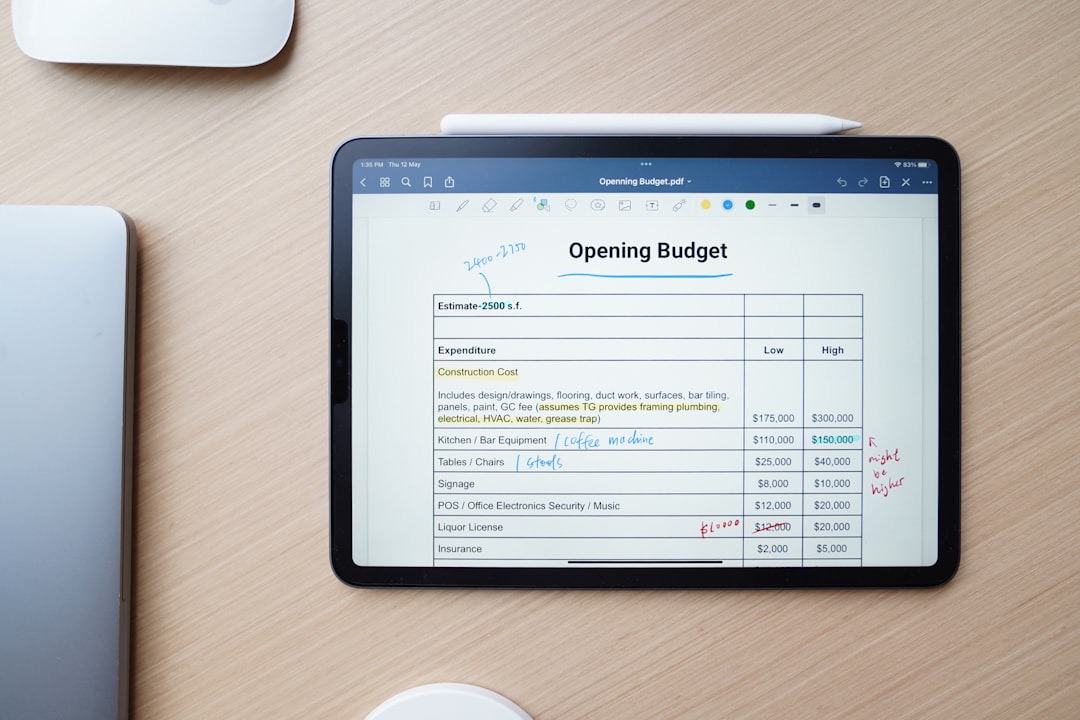
A meticulous documentation process is the backbone of reliable financial reporting. Initially, the annual budget document sets the baseline. This should include detailed justifications for each line item. Next, purchase requisitions and orders initiate controlled spending. Subsequently, invoices and proof of delivery provide verification. Finally, payment records close the loop. Each step must be documented and accessible.
The processing workflow typically follows a sequential path. First, a facility need is identified and a purchase request is raised. Second, the request is approved against the available budget. Third, procurement issues a formal order to a vendor. Fourth, upon delivery or service completion, a certified invoice is received. Fifth, the invoice is matched to the PO and receipt, then coded. Sixth, payment is processed, and the actual cost is posted to the general ledger.
Critical documents include approved budget sheets, signed service contracts, and detailed invoices. Moreover, maintenance work orders with labor and parts breakdowns are vital. Additionally, utility bills and meter readings support consumption reporting. Consequently, a disciplined filing system, whether digital or physical, is non-negotiable. This discipline enables efficient audits and variance analysis.
Cost Reporting FM Budget Compliance Implementation Timeline
Successfully implementing a robust cost reporting FM budget compliance system requires careful phasing. Typically, a full implementation spans 6 to 12 months. The first phase involves process design and software selection. This takes 1-2 months. Furthermore, it includes stakeholder interviews and requirement gathering. Therefore, securing executive sponsorship early is crucial for momentum.
The second phase focuses on system configuration and data migration. Specifically, this includes setting up the chart of accounts and cost centers. Moreover, it involves importing historical budget and actual data. This phase may last 2-3 months. Subsequently, the third phase is testing and training. Here, key users run pilot reports. Additionally, training sessions ensure all team members understand their roles.
- Month 1-2: Process Design & Software Selection.
- Month 3-5: System Configuration & Data Migration.
- Month 6: User Acceptance Testing & Training.
- Month 7: Go-Live & Parallel Run (old and new system).
- Month 8-12: Monitoring, Optimization, and Full Adoption.
The final go-live and optimization phase ensures smooth operation. Consequently, continuous monitoring in the first year identifies needed adjustments. Finally, the system becomes the definitive source for all facility financial management reporting.
Common Challenges and Solutions
Facility managers often encounter specific hurdles in financial reporting. A primary challenge is data silos between departments. For example, finance may use one system while operations use another. The solution is system integration or a unified platform. Additionally, establishing a shared data governance policy aligns both teams.
Another frequent issue is inaccurate or delayed data entry. This leads to unreliable reports. The solution is automation. Specifically, implementing barcode scanning for inventory parts or integrating IoT for utility data. Moreover, setting clear deadlines and responsibilities improves timeliness. Consequently, report quality and usefulness increase significantly.
Budget variance without clear explanation is also common. Therefore, implementing a mandatory commentary field for significant variances is effective. Furthermore, regular review meetings foster dialogue between budget owners and finance. Additionally, referencing World Bank urban development reports can provide macro-economic context for cost fluctuations. Finally, resistance to new processes can be mitigated through inclusive design and comprehensive training.
Expert Recommendations for Success
To achieve excellence in facility financial management, start with leadership commitment. First, ensure C-suite executives understand the value of precise FM cost reporting. Second, invest in the right talent. Skilled financial analysts within the FM team bridge the gap between operations and accounting. Therefore, consider partnering with experts for professional recruitment resources to find these specialists.
Leverage technology strategically. Do not automate broken processes. Instead, redesign workflows for efficiency first. Then, select technology that fits the new process. Moreover, prioritize solutions with strong reporting and analytics capabilities. Consequently, the technology becomes an enabler, not a constraint.
Foster a culture of financial accountability. Make budget performance a regular part of operational meetings. Furthermore, celebrate teams that identify cost-saving opportunities. Additionally, use variance analysis as a learning tool, not a punitive measure. Finally, commit to continuous benchmarking against industry standards to identify improvement areas. This proactive stance ensures ongoing optimization and value delivery.
Frequently Asked Questions About Cost Reporting FM Budget Compliance
What is the primary goal of cost reporting FM budget compliance?
The primary goal is to ensure all facility spending aligns with the approved budget while providing transparency. Furthermore, it enables proactive financial control and supports strategic decision-making. Therefore, effective compliance turns financial data into a management tool for optimizing facility performance and value.
How often should variance analysis be performed?
Variance analysis should be a monthly activity. This frequency allows for timely identification of budget deviations. Moreover, it enables corrective action before small issues become significant overruns. Consequently, quarterly and annual reviews provide deeper strategic insights into spending trends and patterns.
What are the key components of a facility management budget?
Key components include fixed and variable operational costs, capital project funds, and contingency reserves. Specifically, this covers utilities, maintenance contracts, staffing, repairs, and planned upgrades. Additionally, compliance with standards from bodies like the International Labour Organization workplace safety may incur specific costs.
How can technology improve budget compliance reporting?
Technology automates data capture from work orders and invoices, reducing errors. Furthermore, it provides real-time dashboards for instant budget visibility. Moreover, integrated platforms eliminate data silos between finance and operations. Consequently, reporting becomes faster, more accurate, and more actionable for facility managers.
What role does benchmarking play in financial management?
Benchmarking compares your facility’s costs against industry standards or similar buildings. This identifies areas of potential overspending or efficiency opportunities. Moreover, it helps validate budget assumptions and set realistic financial targets. Therefore, it is a critical tool for continuous improvement and strategic planning.
Why is accurate cost coding so important?
Accurate cost coding ensures expenses are allocated to the correct budget category. This is fundamental for meaningful variance analysis. Furthermore, it enables precise tracking of spending by department, asset, or type of work. Consequently, it provides the detailed data needed for informed decision-making and future budget forecasting.
Partner with Allianze HR for Financial Management Success
Mastering cost reporting FM budget compliance is a journey that requires the right systems, processes, and people. Furthermore, it transforms facility management from a cost center into a demonstrable value driver. This guide has outlined the strategic overview, best practices, and implementation pathways. Moreover, it highlighted the importance of integration, technology, and continuous analysis.
The foundation of any successful financial process is a skilled team. At Allianze HR Consultancy, we specialize in connecting GCC employers with top-tier facility management and financial analysis talent. Our deep regional expertise ensures candidates understand local compliance nuances. Therefore, we help you build teams that can execute these critical procedures effectively.
Ready to enhance your facility’s financial governance and compliance? Let our experts support your talent strategy. Contact our HR specialists today for a consultation. Alternatively, schedule a consultation appointment to discuss your specific recruitment needs. Partner with us to ensure your facility’s financial health supports your organization’s broader ambitions.