


How can your facility withstand the punishing Gulf summer? Furthermore, extreme humidity threatens infrastructure, equipment, and occupant health. Consequently, proactive climate management becomes a critical operational priority. Therefore, effective humidity control summer climate management is essential for business continuity. Moreover, it protects your significant capital investments across the region.
The Gulf Cooperation Council region faces uniquely harsh summer conditions. Specifically, temperatures soar above 45°C with humidity levels exceeding 90%. Additionally, this combination creates immense pressure on building systems. Subsequently, condensation, mold growth, and corrosion accelerate. Hence, specialized facility management strategies are non-negotiable for asset preservation.
At Allianze HR Consultancy, we’ve successfully placed 10,000+ professionals across UAE, Saudi Arabia, Qatar, and Kuwait. Furthermore, our 5+ years of GCC expertise supports clients from 50+ countries. Moreover, our Ministry of External Affairs (India) RA license ensures compliance. Therefore, contact our recruitment specialists for expert guidance on staffing your facility management teams.
Understanding Gulf Coast Humidity Challenges
The humid season presents distinct operational hurdles. First, ambient moisture infiltrates buildings through ventilation and openings. Next, it condenses on cold surfaces like ductwork and piping. Additionally, this moisture promotes microbial growth and material degradation. Consequently, indoor air quality plummets, affecting health and productivity. Therefore, understanding these dynamics is the first step toward effective control.
Several factors exacerbate humidity issues in GCC facilities. For example, high occupant density adds significant latent heat. Moreover, certain industrial processes generate substantial moisture. Furthermore, inadequate building envelope sealing allows humid air ingress. Hence, a multi-pronged assessment approach is necessary. Specifically, audits should identify all moisture sources and pathways.
- Persistent condensation on windows and cold surfaces.
- Musty odors indicating microbial growth in hidden spaces.
- Corrosion on metal fixtures, electrical panels, and structural elements.
- Warping of wooden furniture, doors, and flooring materials.
- Increased HVAC energy consumption as systems struggle to dehumidify.
- Complaints of discomfort, respiratory issues, or allergies from occupants.
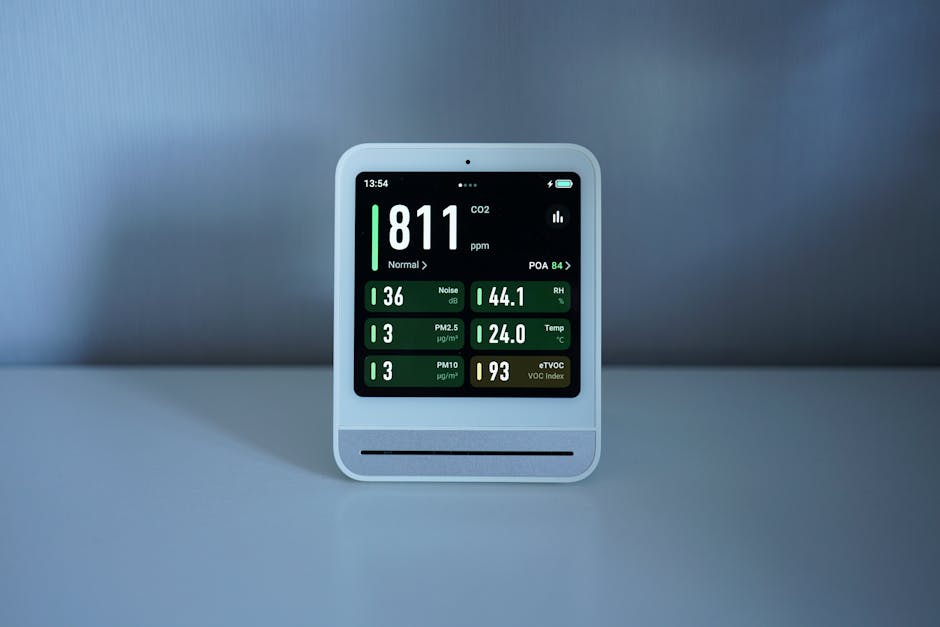
Proactive monitoring is crucial for prevention. Therefore, install data loggers to track temperature and humidity trends. Additionally, conduct regular infrared thermography surveys. Meanwhile, train maintenance staff to recognize early warning signs. Consequently, you can implement corrective actions before major damage occurs.
Humidity Control Summer Climate Management Strategic Overview
A strategic approach to humidity control summer climate management integrates technology, processes, and people. First, define your target indoor environmental conditions. Typically, maintaining relative humidity between 40% and 60% is ideal. Furthermore, this range balances comfort, health, and material preservation. Moreover, it optimizes energy efficiency of cooling systems.
Your strategy must address both sensible and latent heat loads. Specifically, sensible cooling lowers air temperature. Conversely, latent cooling removes moisture from the air. Therefore, HVAC systems must be correctly sized and selected for both functions. Additionally, consider dedicated outdoor air systems (DOAS) with energy recovery. Consequently, you can manage ventilation loads more efficiently.
- Conduct a comprehensive building envelope audit to seal infiltration points.
- Upgrade to HVAC systems with variable refrigerant flow (VRF) and precise dehumidification control.
- Implement building automation systems (BAS) for real-time monitoring and control.
- Establish a preventive maintenance schedule focused on coil cleaning and drain pan inspection.
- Develop an emergency response protocol for HVAC system failures during peak humidity.
- Integrate humidity sensors with your BAS to trigger alarms at set thresholds.
Effective management requires skilled personnel. Hence, invest in training for your facilities team. Specifically, focus on HVAC operation and humidity control principles. Additionally, ensure they understand the local climate’s impact on building physics. Therefore, professional recruitment resources can help you find qualified technicians.
Legal Framework and Indoor Environmental Standards
GCC nations enforce strict building and environmental codes. For instance, the UAE’s Estidama Pearl Rating System mandates high performance standards. Moreover, the UAE green building regulations emphasize indoor environmental quality. Additionally, these codes often reference international benchmarks for health and safety.
Compliance extends beyond local regulations. Specifically, the International Labour Organization workplace safety guidelines protect worker health. Furthermore, the World Health Organization indoor air quality guidelines set global targets. Consequently, maintaining proper humidity is a legal and ethical obligation for employers.
Non-compliance carries significant risks. First, regulatory fines can be substantial. Next, poor indoor conditions may lead to occupational health claims. Additionally, asset depreciation accelerates in uncontrolled environments. Therefore, a documented climate management plan is essential. Moreover, regular audits ensure ongoing adherence to all applicable standards.
- Adherence to local civil defense requirements for ventilation and air quality.
- Compliance with ASHRAE Standard 55 (Thermal Comfort) and 62.1 (Ventilation).
- Meeting ISO 16890 for air filter efficiency in filtration systems.
- Following manufacturer warranties for equipment, which often require specific environmental conditions.
- Alignment with tenant lease agreements that stipulate environmental performance.
Humidity Control Summer Climate Management Best Practices
Implementing proven best practices ensures effective humidity control summer climate management. First, prioritize source control to minimize moisture entry. For example, use vestibules and air curtains at building entrances. Additionally, specify moisture-resistant materials in construction and finishes. Moreover, ensure landscaping and drainage direct water away from the foundation.
Optimize your HVAC operation for dehumidification. Specifically, set systems to control humidity first, then temperature. Furthermore, avoid overcooling spaces, which can cause condensation. Instead, use reheat coils or desiccant systems for precise control. Consequently, you maintain comfort without sacrificing air quality. Therefore, consult International Facility Management Association resources for technical guidance.
- Maintain positive building pressure relative to the outdoors to limit infiltration.
- Schedule ventilation during cooler, drier nighttime hours where possible.
- Clean evaporator coils and ensure condensate drains are clear and trapped.
- Use dehumidification equipment in critical areas like archives, server rooms, and laboratories.
- Seal all ductwork meticulously to prevent condensation within cavities.
- Monitor and control humidity at the room level, not just the air handler.
Regular maintenance is the cornerstone of reliability. Hence, develop a detailed seasonal checklist. Specifically, prepare systems for the humid season well in advance. Additionally, stock critical spare parts like filters and sensors. Meanwhile, document all inspections and interventions. Consequently, you build a historical record for predictive maintenance planning.
Documentation and Facility Management Protocols
Robust documentation supports consistent climate management. First, create a facility moisture management plan. This plan should outline roles, procedures, and escalation paths. Furthermore, it must include emergency contact lists for critical vendors. Moreover, integrate it with your overall business continuity framework.

Operational logs provide vital performance data. Therefore, mandate daily recording of key system parameters. Specifically, log supply air temperature, return air humidity, and condenser pressures. Additionally, track energy meter readings to identify efficiency drifts. Subsequently, analyze this data monthly to spot trends. Consequently, you can make informed decisions about upgrades or repairs.
- Equipment manuals, schematics, and as-built drawings for all HVAC systems.
- Preventive maintenance work orders and completed checklists.
- Calibration certificates for all sensors and monitoring equipment.
- Records of indoor air quality tests and humidity level audits.
- Warranty documents and service contracts with HVAC specialists.
- Training records for facilities management staff on humidity control procedures.
Effective protocols require clear communication. Hence, establish reporting lines for humidity-related issues. Furthermore, use building automation systems to generate automatic alerts. Additionally, conduct regular team briefings during the humid season. Therefore, everyone remains vigilant and responsive to changing conditions.
Humidity Control Summer Climate Management Implementation Timeline
A phased timeline ensures successful humidity control summer climate management implementation. First, begin planning during the milder winter months. This phase involves assessment, budgeting, and vendor selection. Furthermore, it allows time for equipment procurement and any necessary retrofits. Moreover, you avoid the peak season rush and potential delays.
Spring is the critical preparation window. Specifically, execute all preventive maintenance tasks. Additionally, commission and test any new dehumidification equipment. Meanwhile, train staff on updated protocols and emergency procedures. Consequently, your facility enters the summer fully prepared. Therefore, schedule consultation appointment with experts early in this cycle.
- Months 1-2 (Winter): Conduct audit, finalize plan, and secure budget approval.
- Months 3-4 (Early Spring): Perform major maintenance, seal building envelope, and order parts.
- Month 5 (Late Spring): Test all systems, calibrate sensors, and conduct staff training.
- Months 6-9 (Summer): Execute daily monitoring, respond to alerts, and maintain logs.
- Month 10 (Early Autumn): Perform post-season system review and assess performance data.
- Months 11-12 (Late Autumn): Plan upgrades for next cycle based on lessons learned.
Continuous review drives improvement. Hence, analyze system performance at season’s end. Specifically, compare data against benchmarks and previous years. Additionally, document any failures or near-misses. Furthermore, update your management plan accordingly. Consequently, your program becomes more resilient and efficient each year.
Common Challenges and Proactive Solutions
Facility managers face several recurring challenges. First, existing HVAC systems may lack adequate dehumidification capacity. This is common in buildings designed only for temperature control. Furthermore, retrofitting can be costly and disruptive. However, solutions like standalone dehumidifiers or dedicated outdoor air systems offer alternatives.
Energy cost pressure often conflicts with humidity control. Specifically, operators may raise thermostat setpoints to save energy. Unfortunately, this can reduce dehumidification performance. Therefore, invest in high-efficiency equipment that decouples cooling from dehumidification. Additionally, leverage World Bank urban development insights on sustainable infrastructure financing.
- Challenge: Mold growth in concealed ceiling plenums. Solution: Increase air circulation, install UV-C lights, and improve insulation.
- Challenge: Condensation on cold water pipes. Solution: Apply proper pipe insulation with vapor barriers.
- Challenge: High humidity in parking garages infiltrating lobby areas. Solution: Install pressurization systems and physical barriers.
- Challenge: Inaccurate or uncalibrated humidity sensors. Solution: Implement a biannual calibration program for all sensors.
- Challenge: Lack of skilled technicians. Solution: Partner with a specialized recruitment firm to build a competent team.
Proactive solutions always trump reactive repairs. Therefore, foster a culture of prevention within your team. Moreover, allocate budget for predictive maintenance technologies. Additionally, engage with industry peers to share knowledge. Consequently, you transform challenges into opportunities for operational excellence.
Expert Recommendations for Long-Term Success
Long-term success requires strategic investment and leadership commitment. First, view humidity control as a core component of asset management, not just a utility cost. Furthermore, it directly impacts property value, tenant retention, and operational risk. Moreover, it aligns with global trends in healthy and sustainable buildings.
Invest in building intelligence. Specifically, modern building management systems provide actionable insights. Additionally, they enable automated responses to humidity fluctuations. Meanwhile, data analytics can predict equipment failures before they occur. Therefore, prioritize digital transformation in your facility management strategy. Consult OSHA construction industry standards for related ventilation mandates.
- Commission an independent building commissioning (Cx) study every 5-7 years.
- Develop a 10-year capital plan for HVAC system renewal and major upgrades.
- Benchmark your facility’s energy and humidity performance against similar GCC properties.
- Engage occupants through surveys to understand comfort perceptions and identify problem areas.
- Consider green building certification (like LEED or BREEAM) to frame and validate your efforts.
- Build partnerships with reliable technology providers and service contractors.
Your most valuable asset is your people. Hence, recruit and retain skilled facility management professionals. Furthermore, provide them with ongoing training on the latest technologies. Additionally, empower them to make data-driven decisions. Consequently, you build an organizational capability that ensures resilience against the Gulf climate for decades.
Frequently Asked Questions About Humidity Control Summer Climate Management
What is the first step in humidity control summer climate management?
The first step is a comprehensive facility audit. This identifies moisture sources, assesses HVAC capacity, and evaluates the building envelope. Furthermore, it establishes a baseline for all improvement efforts. Therefore, professional assessment is highly recommended for accuracy.
What is the ideal indoor humidity level for Gulf summers?
Maintaining relative humidity between 40% and 60% is generally ideal. This range inhibits mold growth, ensures comfort, and protects materials. Moreover, it is often stipulated in health and building standards. However, specific areas like data centers may require tighter control.
Can upgrading insulation help with humidity control?
Yes, proper insulation is crucial. It prevents condensation on cold surfaces like walls and pipes. Additionally, it improves the overall thermal performance of the building envelope. Consequently, it reduces the latent load on your HVAC system, enhancing dehumidification efficiency.
How does Allianze HR support facility management staffing?
We specialize in recruiting qualified facilities managers, HVAC technicians, and MEP engineers for the GCC. Furthermore, we ensure candidates understand regional climate challenges. Moreover, our compliance expertise guarantees smooth visa and onboarding processes for your critical hires.
Are portable dehumidifiers effective for large facilities?
Portable units are best for localized problems or temporary use. However, for whole-building humidity control summer climate management, central systems are necessary. Specifically, dedicated outdoor air systems (DOAS) or desiccant dehumidifiers provide effective, large-scale solutions.