


How can your organization ensure every meeting space is perfectly prepared for critical business events? In the competitive GCC business landscape, professional conference room setup event preparation directly impacts client perceptions and operational efficiency. Furthermore, flawless facility meeting space turnover and equipment checks are non-negotiable for corporate success. This comprehensive guide details the essential protocols for GCC employers. Mastering conference room setup event preparation ensures your facilities consistently support high-stakes meetings and presentations.
Corporate facilities across the Gulf region host countless meetings daily. Consequently, the standard for professional meeting environments continues to rise. Moreover, regional clients and international partners expect seamless technological integration and impeccable presentation. Therefore, systematic preparation protocols become a strategic advantage. Proper planning prevents technical failures and logistical delays. Additionally, it reflects your company’s commitment to professionalism and attention to detail.
At Allianze HR Consultancy, we’ve successfully placed 10,000+ professionals across UAE, Saudi Arabia, Qatar, and Kuwait. Furthermore, our 5+ years of GCC expertise supports clients from 50+ countries. Moreover, our Ministry of External Affairs (India) RA license ensures compliance. Therefore, contact our recruitment specialists for expert guidance on staffing your facilities management teams. We understand the critical link between skilled personnel and flawless event execution.
Understanding GCC Meeting Facility Standards
GCC corporate environments demand exceptionally high facility standards. First, regional business culture places significant value on hospitality and presentation. Consequently, meeting spaces must exceed basic functionality. Additionally, international business hubs like Dubai and Doha attract global partners. Therefore, facilities must accommodate diverse technological and cultural expectations. Moreover, climate control is paramount for comfort in the Gulf region.
Several key standards define professional meeting spaces. For example, ergonomic seating supports long discussion sessions. Furthermore, advanced climate control systems maintain optimal temperatures. Additionally, soundproofing ensures confidential conversations remain private. Also, lighting must be adjustable for presentations and note-taking. Finally, adherence to UAE green building regulations is increasingly important.
Compliance with local regulations is equally critical. Specifically, occupancy limits and emergency exit access must be respected. Moreover, electrical installations require certification for safety. Additionally, public access facilities must meet accessibility standards. Furthermore, regular inspections by municipal authorities are common. Therefore, maintaining documented compliance checks is essential for uninterrupted operations.
- Ergonomic furniture compliant with international comfort standards.
- HVAC systems capable of maintaining 22-24°C consistently.
- Advanced audiovisual equipment with redundant connectivity options.
- Comprehensive wireless network coverage with secure access points.
- Emergency systems including lighting, exits, and first-aid equipment.
Conference Room Setup Event Preparation Strategic Overview
A strategic approach to conference room setup event preparation transforms reactive tasks into a reliable system. First, define clear objectives for each meeting type. Consequently, preparation protocols can be tailored appropriately. Moreover, assigning dedicated responsibility ensures accountability. Additionally, standardized checklists prevent oversights. Therefore, a structured framework is the foundation of success. Effective conference room setup event preparation aligns physical resources with business goals.
Strategic planning begins with a detailed needs assessment. Specifically, analyze historical meeting data to identify common requirements. Furthermore, consult with department heads about upcoming critical events. Additionally, review feedback from previous meetings for improvement opportunities. Meanwhile, inventory all available equipment and furniture. Consequently, resource allocation becomes data-driven rather than speculative.
Technology integration represents a major strategic component. For example, ensure compatibility between presentation devices and display systems. Moreover, test all connections before attendees arrive. Additionally, provide clear instructions for users. Also, have technical support readily available. Furthermore, consider International Facility Management Association guidelines for technology lifecycle management. Proper planning prevents last-minute technical crises.
- Develop standardized preparation checklists for different meeting formats.
- Implement a digital booking system with setup requirement fields.
- Establish service level agreements (SLAs) for setup completion times.
- Create a centralized inventory management system for all equipment.
- Designate preparation zones for staging equipment before events.
Legal Framework and Compliance Standards
GCC facilities management operates within a defined legal framework. First, national labor laws govern staff working conditions and responsibilities. Consequently, preparation tasks must comply with working hour regulations. Moreover, equipment safety standards are mandated by civil defense authorities. Additionally, data protection regulations apply to networked presentation systems. Therefore, legal awareness is essential for facility managers.
Occupational health and safety regulations are particularly stringent. Specifically, the International Labour Organization workplace safety principles provide a global baseline. Furthermore, local authorities conduct unannounced inspections regularly. Additionally, heavy equipment movement requires proper manual handling procedures. Also, electrical safety certifications are mandatory for all devices. Consequently, comprehensive training programs are necessary for compliance.
Accessibility and inclusion represent important compliance areas. For example, meeting spaces must accommodate individuals with disabilities. Moreover, signage must meet regulatory requirements for visibility. Additionally, emergency evacuation plans must account for diverse mobility needs. Furthermore, translation equipment may be required for official proceedings. Therefore, preparation protocols must include accessibility verification steps. Regular audits ensure ongoing compliance.
- Compliance with UAE Fire and Life Safety Code of Practice.
- Adherence to GCC Standardization Organization (GSO) electrical standards.
- Implementation of WHO indoor air quality guidelines for ventilation.
- Registration of high-risk equipment with relevant civil defense departments.
- Documentation of all safety inspections and equipment testing.
Conference Room Setup Event Preparation Best Practices
Implementing proven best practices elevates conference room setup event preparation from adequate to exceptional. First, establish a standardized pre-event checklist system. Consequently, consistency improves across all meeting spaces. Moreover, color-coded equipment sets prevent configuration errors. Additionally, designated setup teams develop specialized expertise. Therefore, quality and efficiency increase simultaneously. These conference room setup event preparation best practices minimize errors and delays.
Communication protocols are fundamental to successful preparation. Specifically, confirm all event details with organizers 24 hours in advance. Furthermore, clarify special requirements like translation services or custom layouts. Additionally, provide organizers with a technical contact for immediate support. Meanwhile, brief preparation teams on specific event objectives. Consequently, setup aligns perfectly with client expectations. Clear communication prevents misunderstandings.
Technology testing deserves particular attention. For example, conduct full system tests the day before major events. Moreover, verify backup equipment functionality simultaneously. Additionally, ensure all software licenses are current and activated. Also, test network connectivity under simulated load conditions. Furthermore, label all cables and ports clearly for quick troubleshooting. According to World Bank urban development reports, technology reliability significantly impacts business productivity.
- Perform “show-ready” inspections one hour before event start times.
- Maintain “event kits” with spare cables, batteries, and connectors.
- Implement a digital signage system for room direction and scheduling.
- Use standardized furniture layouts for common meeting types.
- Develop quick-reference guides for common equipment setups.
Documentation and Processing Steps
Systematic documentation ensures repeatable success in facility preparation. First, create detailed process maps for each setup scenario. Consequently, new staff can follow established procedures accurately. Moreover, digital checklists on tablets enable real-time completion tracking. Additionally, photographic records of correct setups provide visual references. Therefore, documentation reduces reliance on individual memory. Consistent processes deliver consistent results.
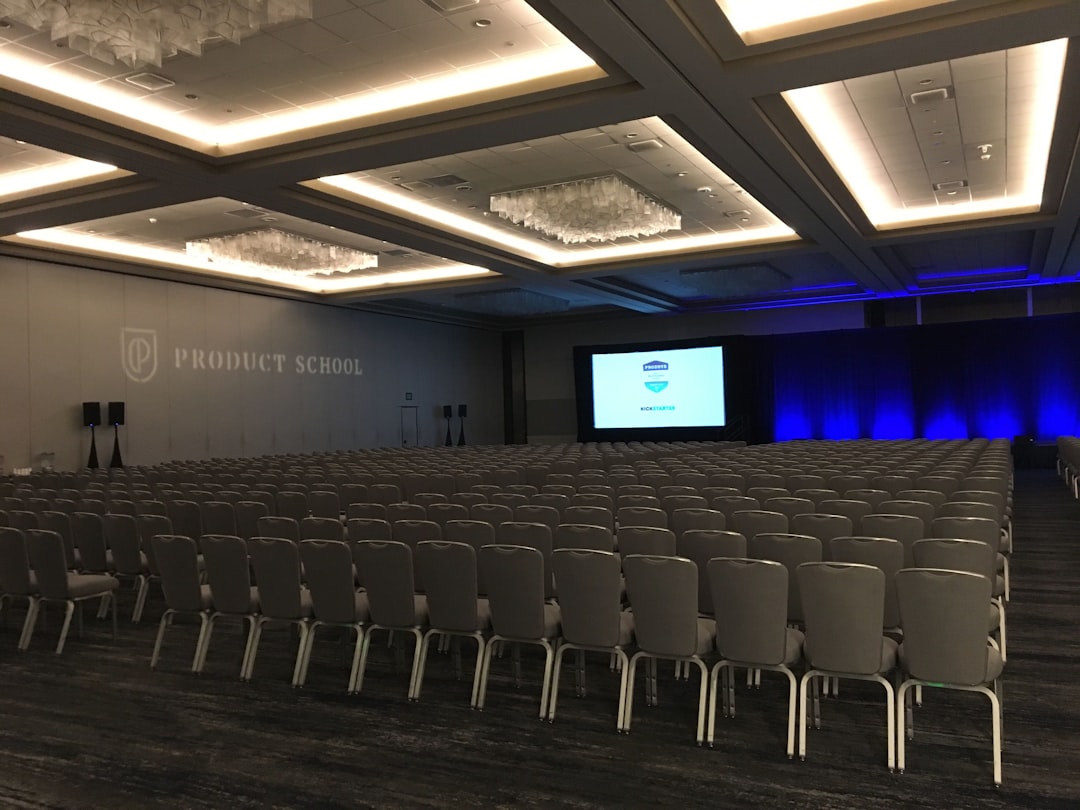
The preparation process typically follows a logical sequence. Specifically, receive and verify the event booking with all requirements. Furthermore, schedule preparation staff based on setup complexity. Additionally, pull and inspect all required equipment from inventory. Meanwhile, prepare the physical space including cleaning and arrangement. Subsequently, install and test all technological systems thoroughly. Finally, conduct a final quality inspection before releasing the room.
Post-event procedures are equally important. For example, document any equipment issues encountered during the event. Moreover, collect feedback from organizers about setup effectiveness. Additionally, restore the room to its standard configuration promptly. Also, clean and return all equipment to storage areas. Furthermore, update inventory records for consumed supplies. Consequently, the cycle prepares for the next event efficiently. Explore our professional recruitment resources for staffing templates.
- Digital work orders specifying setup requirements and timelines.
- Equipment condition reports completed after each use.
- Maintenance logs for all audiovisual and climate control systems.
- Inventory reconciliation reports generated weekly.
- Client satisfaction surveys distributed after major events.
Conference Room Setup Event Preparation Implementation Timeline
A realistic implementation timeline is crucial for effective conference room setup event preparation. First, begin planning at least one week before major events. Consequently, sufficient time exists for resource coordination. Moreover, complex setups may require multiple days of preparation. Additionally, stakeholder approvals can create necessary lead time. Therefore, early initiation prevents last-minute compromises. This conference room setup event preparation timeline ensures thorough execution.
The detailed timeline breaks preparation into manageable phases. Specifically, days 7-5 involve finalizing requirements and assigning teams. Furthermore, days 4-3 focus on equipment preparation and testing. Additionally, day 2 includes physical room setup and preliminary tests. Meanwhile, the day before features full system testing and final adjustments. Finally, event day involves last-minute checks and standby support. This phased approach distributes workload evenly.
Contingency time must be incorporated at every stage. For example, allocate buffer time for equipment troubleshooting. Moreover, schedule additional setup hours for unfamiliar configurations. Additionally, plan for potential staff availability changes. Also, account for delivery delays for rented equipment. Furthermore, consider OSHA warehousing industry standards for equipment handling safety margins. Realistic timelines account for inevitable challenges.
- Week Before: Requirement confirmation and team briefing.
- 3 Days Before: Equipment inspection and content preparation.
- 2 Days Before: Physical layout setup and cable management.
- 1 Day Before: Full technology testing and backup verification.
- Event Day: Final room inspection and technician standby.
Common Challenges and Solutions
Facility managers encounter predictable challenges during meeting preparation. First, last-minute changes to event requirements are common. Consequently, flexible systems and adaptable staff are essential. Moreover, equipment failures can occur despite preventive maintenance. Additionally, multiple simultaneous events strain available resources. Therefore, proactive planning must address these recurring issues. Anticipating challenges enables effective solutions.
Technology integration presents frequent difficulties. Specifically, compatibility issues between personal devices and room systems arise regularly. Furthermore, network connectivity problems can disrupt cloud-based presentations. Additionally, software updates may introduce unexpected functionality changes. Also, user error during presentations requires discreet technical support. Consequently, having knowledgeable technicians on standby is critical. Practical solutions mitigate these technical risks.
Resource management challenges also require attention. For example, peak booking periods create scheduling conflicts. Moreover, equipment sharing between rooms necessitates careful coordination. Additionally, specialized staff may have limited availability for overtime. Furthermore, budget constraints can delay equipment upgrades. Therefore, strategic resource allocation becomes essential. According to WHO occupational health guidelines, proper staffing prevents burnout.
- Challenge: Last-minute attendee increases. Solution: Maintain flexible seating configurations.
- Challenge: Presenter device incompatibility. Solution: Provide standardized presentation laptops.
- Challenge: Simultaneous event scheduling. Solution: Implement priority-based resource allocation.
- Challenge: Equipment malfunction during events. Solution: Deploy redundant systems and quick-swap components.
- Challenge: Insufficient setup time between meetings. Solution: Design rapid turnover protocols for standard setups.
Expert Recommendations for Success
Industry experts provide valuable recommendations for facility excellence. First, invest in cross-training your preparation staff comprehensively. Consequently, team flexibility increases during peak periods. Moreover, establish partnerships with reliable equipment rental companies. Additionally, implement a continuous improvement program based on feedback. Therefore, your processes evolve with changing expectations. Professional development ensures team capability.
Technology investments should focus on reliability and simplicity. Specifically, choose standardized equipment across all meeting rooms. Furthermore, implement centralized control systems for lighting and AV. Additionally, provide intuitive user interfaces for presenters. Meanwhile, ensure robust technical support infrastructure. Also, consider future-proofing investments for emerging technologies. Consequently, your facilities remain competitive and user-friendly.
Developing a service-oriented culture is ultimately most important. For example, empower staff to solve problems proactively. Moreover, recognize and reward exceptional preparation work. Additionally, involve preparation teams in planning discussions. Furthermore, celebrate successful high-profile events as team achievements. Therefore, staff engagement and pride improve continuously. This culture transforms routine tasks into professional service delivery. Schedule a consultation appointment to discuss your facility staffing needs.
- Conduct quarterly training on new equipment and technologies.
- Establish a preventive maintenance schedule exceeding manufacturer recommendations.
- Create a feedback loop between event organizers and preparation teams.
- Benchmark your facilities against industry leaders annually.
- Develop career progression paths for facilities management staff.
Frequently Asked Questions About Conference Room Setup Event Preparation
What is the timeline for conference room setup event preparation?
A comprehensive timeline begins one week before major events. Furthermore, detailed preparation occurs 2-3 days prior. Additionally, final testing happens the day before. Therefore, adequate planning prevents last-minute issues. Moreover, complex events may require even longer lead times for perfect execution.
What equipment checks are essential before meetings?
Essential checks include audiovisual system functionality, network connectivity, and climate control. Furthermore, verify all display devices and sound systems. Additionally, test microphone batteries and projector lamps. Moreover, confirm backup equipment is operational. Consequently, technical failures during presentations are minimized significantly.
How can we ensure rapid meeting space turnover?
Standardized setup configurations enable rapid turnover. First, create quick-reset layouts for common meeting types. Furthermore, use labeled equipment storage for easy access. Additionally, train staff on efficient breakdown procedures. Meanwhile, schedule adequate time between bookings. Therefore, room readiness improves without compromising quality.
What staffing is needed for facility preparation?
Dedicated facilities technicians are essential for reliable preparation. Furthermore, cross-trained staff provide flexibility during peak periods. Additionally, technical specialists handle complex audiovisual setups. Moreover, cleaning staff must coordinate with turnover schedules. Consequently, a multidisciplinary team ensures all preparation aspects are covered professionally.
How does Allianze HR support facilities management staffing?
We recruit skilled facilities management professionals across the GCC. Furthermore, we verify technical competencies and safety training. Additionally, we ensure compliance with local labor regulations. Moreover, we provide candidates with cultural awareness for the regional business environment. Therefore, our clients receive qualified, reliable staff for critical facility roles.