


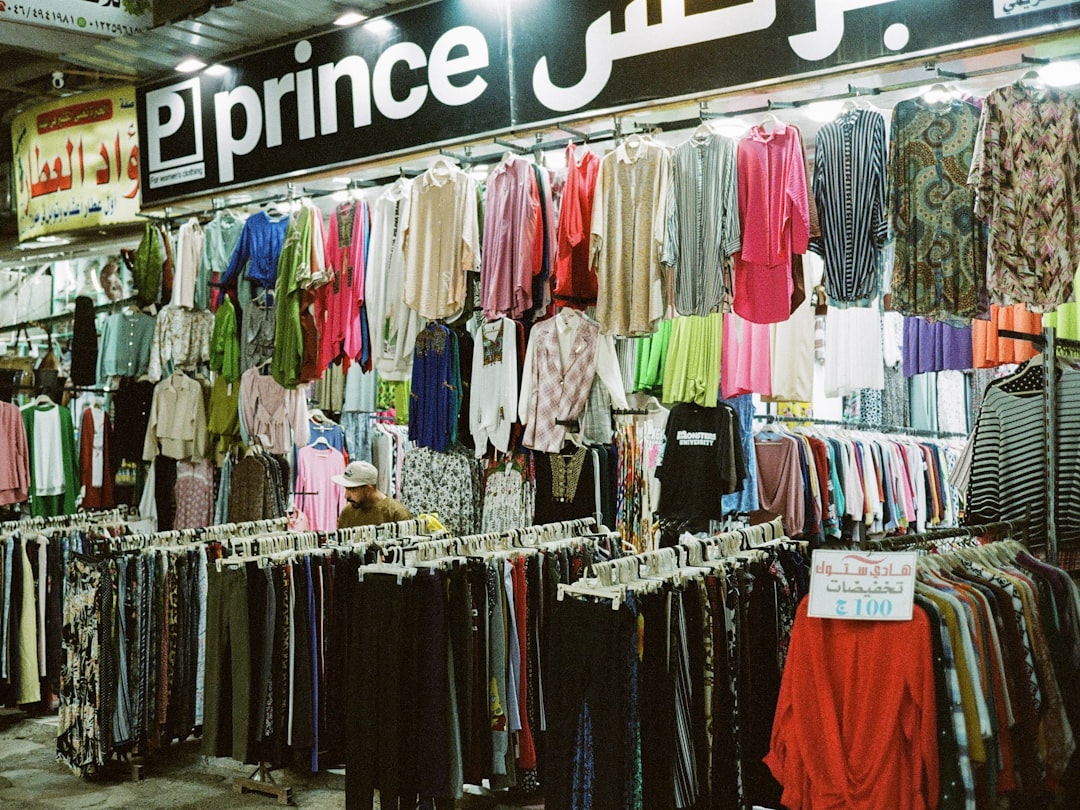
How can GCC retailers transform the immense opportunity of Eid sales events into sustained profitability? The answer lies in strategic, agile, and compliant retail staffing. Eid sales events holiday retail staffing presents a unique annual challenge. Retailers across the Gulf face intense consumer demand during this sacred Islamic celebration. Consequently, a reactive approach to hiring leads to operational chaos and lost revenue. Therefore, mastering this seasonal workforce surge is critical for market success.
The Eid al-Fitr and Eid al-Adha periods trigger unprecedented shopping activity. Malls and souks experience footfall increases of 40-60%. Furthermore, online sales platforms see parallel surges. This creates a pressing need for temporary and permanent retail staff. Moreover, the competitive landscape demands exceptional customer service. Staffing strategies must align with both commercial goals and cultural respect for the holy occasions.
At Allianze HR Consultancy, we’ve successfully placed 10,000+ professionals across UAE, Saudi Arabia, Qatar, and Kuwait. Furthermore, our 5+ years of GCC expertise supports clients from 50+ countries. Moreover, our Ministry of External Affairs (India) RA license ensures compliance. Therefore, contact our recruitment specialists for expert guidance on navigating the seasonal hiring rush with precision and cultural sensitivity.
Understanding GCC Seasonal Retail Dynamics
The Gulf retail calendar revolves around key Islamic festivals. Eid al-Fitr marks the end of Ramadan. Meanwhile, Eid al-Adha occurs approximately two months later. Both periods feature gift-giving, family gatherings, and new clothing purchases. Consequently, consumer spending patterns shift dramatically. Retailers must anticipate these shifts months in advance.
Staffing needs vary by retail segment. For example, fashion and electronics require specialized product knowledge. Conversely, grocery and hospitality need high-volume transaction handlers. Additionally, e-commerce fulfillment centers require logistical support staff. Understanding these nuances is the first step. A strategic workforce plan follows this analysis.
Regional variations also exist. Saudi Arabia’s Vision 2030 boosts domestic tourism and retail. Similarly, the UAE’s diverse expatriate population creates multifaceted demand. Qatar and Kuwait have their own localized shopping traditions. Therefore, a one-size-fits-all staffing model fails. Tailored recruitment strategies for each market are essential.
- Forecast sales volume increases by store location and department.
- Analyze previous years’ peak traffic days and hours.
- Identify specific skill gaps for seasonal promotions.
- Coordinate with marketing campaigns for aligned staffing.
- Plan for extended trading hours common during Eid.
Eid Sales Retail Staffing Strategic Overview
Effective Eid sales retail staffing requires a phased, strategic approach. Reactive last-minute hiring is costly and inefficient. Instead, a proactive blueprint ensures seamless operations. This strategy blends permanent staff augmentation with temporary talent deployment. Furthermore, it integrates training, scheduling, and compliance from day one.
The core objective is building a scalable workforce. This workforce must handle 200% normal transaction volumes. Moreover, staff must maintain brand service standards under pressure. Strategic planning begins 3-4 months before the sales period. This timeline allows for thorough sourcing, vetting, and onboarding. Consequently, retailers avoid the premium costs of panic hiring.
Technology plays a crucial role in modern staffing strategy. Applicant Tracking Systems (ATS) streamline high-volume applications. Additionally, workforce management software optimizes shift scheduling. Furthermore, digital onboarding platforms accelerate compliance documentation. Integrating these tools is no longer optional. It is a competitive necessity for efficient Eid sales retail staffing execution.
- Develop a multi-channel recruitment campaign targeting students and part-time workers.
- Create flexible contract templates for seasonal employment.
- Establish a talent pipeline for recurring seasonal demand.
- Implement cross-training programs for existing permanent staff.
- Design clear key performance indicators (KPIs) for seasonal staff.
Legal Framework and Compliance Standards
Seasonal hiring in the GCC is governed by strict labor laws. Each country has specific regulations for temporary contracts. Non-compliance results in severe fines and operational disruptions. Therefore, understanding the legal landscape is non-negotiable. Employers must navigate visa sponsorships, work permits, and contract law.
For instance, UAE’s Ministry of Human Resources and Emiratisation (MOHRE) outlines fixed-term contract rules. Similarly, Saudi Arabia’s Ministry of Labor has guidelines for seasonal work visas. These regulations cover working hours, overtime pay, and end-of-service benefits. Additionally, they mandate proper accommodation and healthcare provisions. Partnering with experts ensures adherence to all International Labour Organization standards.
Documentation is a critical compliance pillar. Seasonal employees require legally binding offer letters and contracts. These documents must specify the employment duration, remuneration, and duties. Furthermore, all educational and professional certificates need attestation. The process involves multiple government entities. Consequently, starting early prevents last-minute legal hurdles.
- Verify eligibility for seasonal work visas in the target GCC country.
- Prepare MOHRE or Ministry of Labor approved contract templates.
- Budget for all government fees, including visa issuance and medical testing.
- Ensure seasonal staff accommodations meet local municipal standards.
- Secure mandatory health insurance coverage for all temporary employees.
Eid Sales Retail Staffing Best Practices
Adopting industry best practices transforms seasonal staffing from a challenge into an advantage. First, begin recruitment early to access the best talent pool. Early hiring avoids competing with other retailers at the last minute. Furthermore, it allows comprehensive training. Well-trained staff enhance customer experience and boost sales conversion rates.
Second, implement a robust screening and assessment process. Behavioral interviews gauge customer service aptitude. Role-playing scenarios test problem-solving under pressure. Additionally, verify references thoroughly, even for short-term roles. This diligence reduces turnover during the critical sales period. Quality temporary staff often become excellent permanent candidates.
Third, focus on cultural and product knowledge training. Seasonal staff must understand Eid’s cultural significance. They should greet customers with appropriate traditional greetings. Moreover, they need deep knowledge of promotional items and gift trends. Investing in this training pays dividends through increased customer satisfaction and loyalty. These best practices solidify a successful Eid sales retail staffing program.
- Conduct mass recruitment drives through campus partnerships and job fairs.
- Utilize video interviewing to efficiently screen high volumes of candidates.
- Develop a condensed, engaging onboarding program focused on core skills.
- Assign seasonal staff mentors from your experienced permanent team.
- Create incentive schemes tied to sales targets and customer feedback.
Documentation and Processing Steps
The administrative backbone of mass hiring is meticulous documentation. Each step must follow a precise sequence. First, obtain quota approvals from the relevant labor ministry. This authorization permits hiring a specific number of foreign workers. Next, proceed with visa application filings for selected candidates. This stage requires passport copies, photographs, and attested certificates.
Following visa approval, candidates undergo medical fitness testing. GCC countries mandate screenings for infectious diseases. Subsequently, employers apply for the Emirates ID (UAE) or equivalent national ID. Finally, the employment contract is stamped by the ministry, making it official. Each document must be accurately completed. Errors cause delays of weeks or even months.
Partnering with a professional recruiter streamlines this complex workflow. Experts manage the entire documentation chain. They ensure all paperwork meets the latest regulatory requirements. Moreover, they track application statuses proactively. This allows retail managers to focus on operational preparation. Therefore, leveraging external expertise is a strategic efficiency gain.
- Create a checklist for each candidate’s document portfolio.
- Use digital portals for document collection and verification.
- Schedule group medical screenings to reduce costs and time.
- Maintain a centralized tracker for all visa and permit statuses.
- Prepare orientation packages including policy handbooks and uniform details.
Eid Sales Retail Staffing Implementation Timeline
A detailed timeline is the roadmap to staffing success. The entire Eid sales retail staffing process spans approximately 16 weeks. Phase One (Months 1-2) involves workforce planning and budget approval. Define roles, count heads, and secure internal funding. Subsequently, launch recruitment campaigns across multiple channels.
Phase Two (Month 3) focuses on selection and offer management. Screen applicants, conduct interviews, and make job offers. Concurrently, initiate the visa and documentation process for selected candidates. This phase is critical for avoiding bottlenecks. Phase Three (Month 4) is dedicated to onboarding and training. New hires complete compliance formalities and undergo intensive store training before the sales event begins.
Adhering to this timeline mitigates risk. It builds in buffers for unexpected delays. For example, visa processing can occasionally extend beyond standard durations. Furthermore, it ensures staff are fully operational on day one of the sales. A disciplined timeline execution separates market leaders from competitors struggling with understaffing.
- Week 1-4: Finalize staffing plans and launch job advertisements.
- Week 5-8: Conduct interviews, select candidates, and issue offer letters.
- Week 9-12: Process employment visas, medical tests, and ID applications.
- Week 13-14: Execute pre-arrival briefings and travel coordination.
- Week 15-16: Complete in-country onboarding, training, and store deployment.
Common Challenges and Solutions
Retailers consistently face several challenges during seasonal hiring. First, high candidate dropout rates plague last-minute recruitment. Candidates often accept multiple offers. The solution is building genuine engagement early. Communicate brand value and growth opportunities clearly. Furthermore, streamline the offer-to-joining process to minimize waiting time.
Second, integrating temporary staff with permanent teams can cause friction. Permanent staff may feel burdened by training duties. Conversely, temporary staff might feel excluded. The solution is fostering a unified team culture. Organize pre-event team-building activities. Also, recognize and reward permanent staff for their mentorship roles. This creates a collaborative environment.
Third, maintaining service quality with a largely new workforce is difficult. The solution is standardized, scalable training. Use digital learning modules for consistent product knowledge delivery. Additionally, deploy floor coaches for real-time feedback. Finally, schedule temporary staff alongside experienced team members. This peer support model upholds service standards effectively.
- Challenge: Sourcing bilingual staff for diverse GCC customer bases. Solution: Tap into university foreign language departments.
- Challenge: Managing payroll for complex overtime during extended hours. Solution: Implement specialized workforce management software.
- Challenge: Ensuring temporary staff understand loss prevention protocols. Solution: Incorporate security training into the core onboarding program.
- Challenge: High attrition post-Eid when converting temporary roles. Solution: Offer clear pathways to permanent positions during recruitment.
Expert Recommendations for Success
To excel in seasonal retail staffing, adopt a long-term perspective. View each Eid cycle as an opportunity to refine your strategy. Document lessons learned and update plans for the next year. Furthermore, cultivate a talent community. Stay in touch with high-performing seasonal staff. They are your first resource for future events. This reduces sourcing time and cost significantly.
Leverage data analytics for smarter decisions. Analyze sales data, footfall patterns, and staff productivity metrics from previous events. Use these insights to forecast precise staffing needs by department and shift. Additionally, monitor UN World Tourism Organization and local tourism authority forecasts. These predict visitor influxes that impact retail demand.
Finally, prioritize employee experience for seasonal workers. Positive word-of-mouth from temporary staff enhances your employer brand. This makes future recruitment easier. Offer fair wages, respectful treatment, and a safe work environment. Consider small retention bonuses for staff who complete the entire contract. A respected workforce is a productive and loyal one.
- Build relationships with recruitment agencies specializing in high-volume, seasonal placements.
- Invest in mobile-friendly application processes to attract younger, tech-savvy candidates.
- Develop a crisis management plan for last-minute absenteeism or supply chain issues.
- Benchmark your staffing ratios and costs against industry standards for the GCC region.
- Conduct post-event debriefs with store managers and HR to identify improvement areas.
Frequently Asked Questions About Eid Sales Retail Staffing
What is the ideal timeline for Eid sales retail staffing?
The ideal timeline begins 3-4 months before the sales event. This allows for planning, sourcing, visa processing, and training. Furthermore, starting early avoids premium hiring costs and ensures access to the best talent. Therefore, consult our specialists immediately to initiate your seasonal recruitment plan.
What are the main compliance risks in seasonal retail hiring?
Key risks include incorrect contract types, visa violations, and inadequate accommodation. Additionally, failing to pay legally mandated overtime is a common pitfall. Moreover, non-compliance with local Saudi Ministry of Labor regulations or UAE MOHRE rules leads to heavy fines.
Can temporary staff be converted to permanent roles?
Yes, this is a highly effective talent acquisition strategy. Many retailers identify top performers during the peak season. Subsequently, they offer them permanent positions. This reduces future recruitment costs and ensures a proven cultural fit. However, the conversion process must follow local labor law procedures for contract change.
How does Allianze HR manage high-volume candidate screening?
We utilize a multi-stage screening process combining technology and human expertise. First, ATS filters applications based on predefined criteria. Next, recruiters conduct initial video interviews. Finally, role-specific assessments evaluate skills and customer service aptitude. This ensures both efficiency and quality in mass recruitment.
What industries beyond retail require seasonal staffing for Eid?
Hospitality (hotels, restaurants, catering), logistics and warehousing, event management, and transportation see similar surges. Furthermore, amusement parks and family entertainment centers require additional staff. Our expertise extends across all these sectors, providing holistic seasonal workforce solutions.
How can we ensure cultural sensitivity in our seasonal staff training?
Training must include modules on GCC cultural norms, Islamic traditions, and appropriate customer interactions during Eid. Staff should learn basic Arabic greetings and understand the significance of the holidays. We incorporate this essential cultural education into all our client-specific onboarding programs.
Partner with Allianze HR for Seasonal Staffing Success
Mastering Eid sales retail staffing is a complex but manageable endeavor. It demands early planning, strategic sourcing, and unwavering compliance. Furthermore, it requires deep regional expertise and an efficient process. By following the guidelines in this comprehensive guide, GCC retailers can build a competitive advantage. Consequently, they transform seasonal peaks into periods of exceptional profitability and customer loyalty.
The stakes are high, but the rewards are higher. A perfectly staffed store delivers unforgettable customer experiences. These experiences build brand reputation that lasts beyond the holiday season. However, navigating this alone diverts critical management focus from core business operations. Therefore, leveraging specialized partnership is the most strategic decision.
Allianze HR Consultancy is your dedicated partner for GCC seasonal