


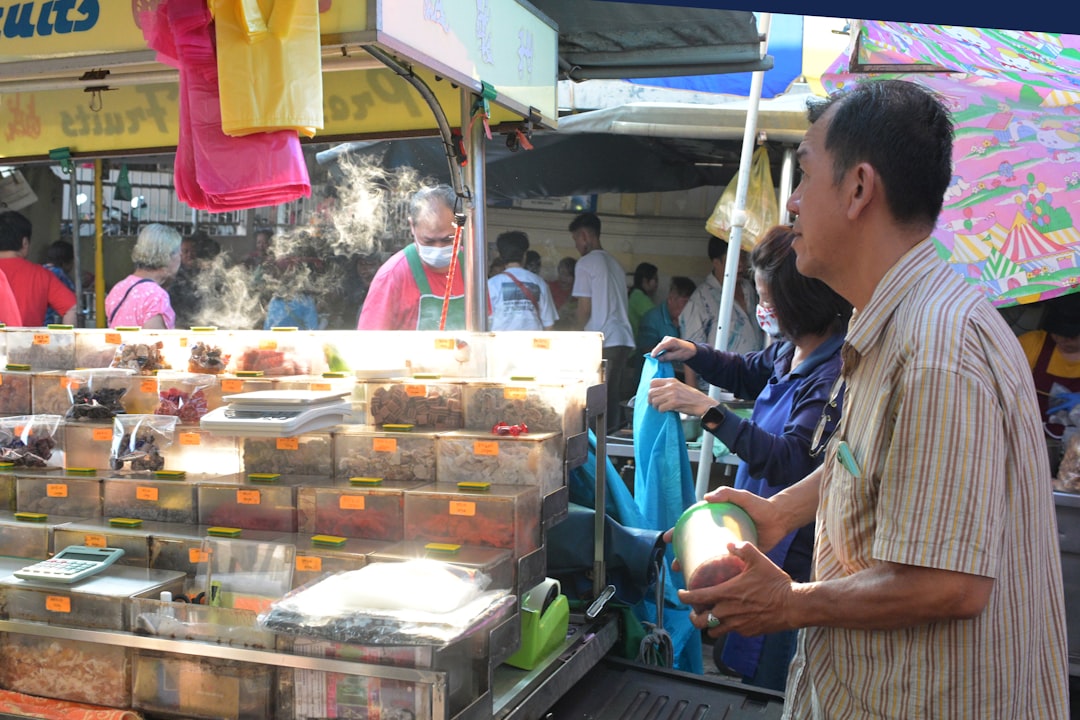
How can GCC food and beverage vendors consistently build high-performing teams for major culinary events? The region’s booming festival scene presents immense opportunities. However, staffing these temporary retail operations poses unique challenges. Success requires a specialized approach to food festival vendor staffing. This guide provides a strategic framework for assembling, training, and managing temporary F&B teams that drive revenue and enhance brand reputation.
The GCC’s calendar is packed with high-profile events like the Dubai Food Festival, Riyadh Season, and Qatar International Food Festival. Consequently, the demand for skilled, temporary hospitality staff surges. Moreover, these events operate under intense public scrutiny and strict health regulations. Therefore, a strategic staffing plan is not just beneficial—it’s essential for operational success and legal compliance.
At Allianze HR Consultancy, we’ve successfully placed 10,000+ professionals across UAE, Saudi Arabia, Qatar, and Kuwait. Furthermore, our 5+ years of GCC expertise supports clients from 50+ countries. Moreover, our Ministry of External Affairs (India) RA license ensures compliance. Therefore, contact our recruitment specialists for expert guidance on building your event workforce.
Understanding GCC Culinary Event Staffing Requirements
GCC food festivals are large-scale, logistically complex operations. First, they require a diverse mix of roles, from chefs and cashiers to hygiene officers and crowd managers. Second, each role demands specific certifications, such as food handler licenses. Additionally, cultural and linguistic diversity is crucial for serving international visitors. Consequently, staffing plans must be meticulously detailed.
Regional regulations add another layer of complexity. For instance, UAE events require compliance with the Dubai Tourism and DHA guidelines. Similarly, Saudi Arabia enforces strict Saudi Ministry of Labor regulations. Furthermore, adherence to World Health Organization food safety standards is mandatory. Therefore, understanding these requirements forms the foundation of any staffing strategy.
- Role Diversity: Chefs, servers, baristas, cashiers, stock clerks, and cleaning staff.
- Mandatory Certifications: Food handler cards, basic fire safety training, and health certificates.
- Linguistic Needs: Staff fluent in Arabic, English, and often a third language.
- Cultural Competency: Understanding of local customs and international guest expectations.
- Shift Planning: Schedules covering extended hours, often across multiple days or weeks.
Food Festival Vendor Staffing Strategic Overview
A successful food festival vendor staffing strategy begins long before the event gates open. First, conduct a detailed needs assessment based on your menu, expected footfall, and stall size. Next, identify the skill mix required for both front and back-of-house operations. Subsequently, develop a recruitment timeline that accounts for sourcing, screening, training, and deployment. This proactive approach prevents last-minute shortages.
Furthermore, your strategy must balance cost-efficiency with quality. High turnover or poor performance can damage your brand and affect sales. Therefore, invest in proper vetting and orientation. Additionally, consider the International Labour Organization hospitality standards for fair working conditions. Moreover, a clear communication plan ensures your team operates smoothly under pressure.
- Needs Assessment: Calculate staff-to-customer ratios and required skill sets.
- Multi-Channel Sourcing: Utilize specialized agencies, online platforms, and local networks.
- Compliance First: Verify all work permits, visas, and health certifications upfront.
- Training Blueprint: Develop event-specific training on POS systems, menu items, and safety protocols.
- Contingency Planning: Maintain a roster of on-call staff for unexpected absences.
Legal Framework and Compliance Standards
Navigating the legal landscape is critical for temporary event staffing. First, all staff must have the legal right to work for the event’s duration. This often involves short-term work permits or event-specific visas. Second, employment contracts must clearly outline the temporary nature of the role, payment terms, and working hours. Consequently, proper documentation protects both employer and employee.
Moreover, health and safety compliance is non-negotiable. Specifically, this includes providing adequate training on food handling, allergen awareness, and emergency procedures. Additionally, employers must ensure proper rest breaks and access to water, especially for outdoor events. The UN World Tourism Organization highlights the importance of sustainable and ethical tourism employment. Therefore, aligning with these global standards enhances your operational integrity.
- Visa and Permit Compliance: Secure correct sponsorship and work authorization.
- Contractual Clarity: Use temporary employment contracts specifying event dates and terms.
- Wage Protection: Adhere to GCC wage laws, including overtime for extended hours.
- Insurance Coverage: Provide accident and liability insurance for all temporary staff.
- Record Keeping: Maintain accurate timesheets, payment records, and certification copies.
Food Festival Vendor Staffing Best Practices
Implementing proven best practices transforms your food festival vendor staffing from a logistical task into a competitive advantage. First, prioritize candidate attitude and customer service aptitude over extensive experience. A friendly, adaptable individual often outperforms a seasoned but rigid worker in a festival’s fast-paced environment. Second, conduct immersive, hands-on training sessions. Simulate peak-hour rushes and common customer queries.
Furthermore, foster a strong team culture from day one. Temporary staff should feel valued and part of a unified mission. Recognize outstanding performance publicly during the event. Additionally, implement efficient communication tools, like group messaging apps, for real-time updates. According to World Bank tourism sector reports, workforce quality directly impacts service competitiveness. Therefore, investing in your team yields direct returns.
- Behavioral Interviewing: Assess problem-solving, stress tolerance, and teamwork skills.
- Role-Specific Training Kits: Provide quick-reference guides for menus, prices, and procedures.
- Clear Chain of Command: Designate team leads for each shift to manage workflow and issues.
- Performance Incentives: Offer bonuses for top sellers or positive customer feedback.
- Post-Event Feedback: Debrief with staff to gather insights for future improvements.
Documentation and Processing Steps
Meticulous documentation ensures a smooth staffing process. Begin by creating a master checklist for each staff member. This list should include personal identification, signed contract, certified training certificates, and work authorization. Next, centralize all documents for easy access during the event. This organization is crucial for any compliance audits or incident investigations.
Moreover, the onboarding process must be streamlined. Use digital forms to collect information efficiently. Schedule group orientation sessions to cover policies, safety, and brand standards. Additionally, distribute uniforms, name tags, and necessary equipment in an organized manner. Finally, ensure payroll processing is set up in advance to guarantee timely payment after the event. For more on efficient HR processes, explore our professional recruitment resources.
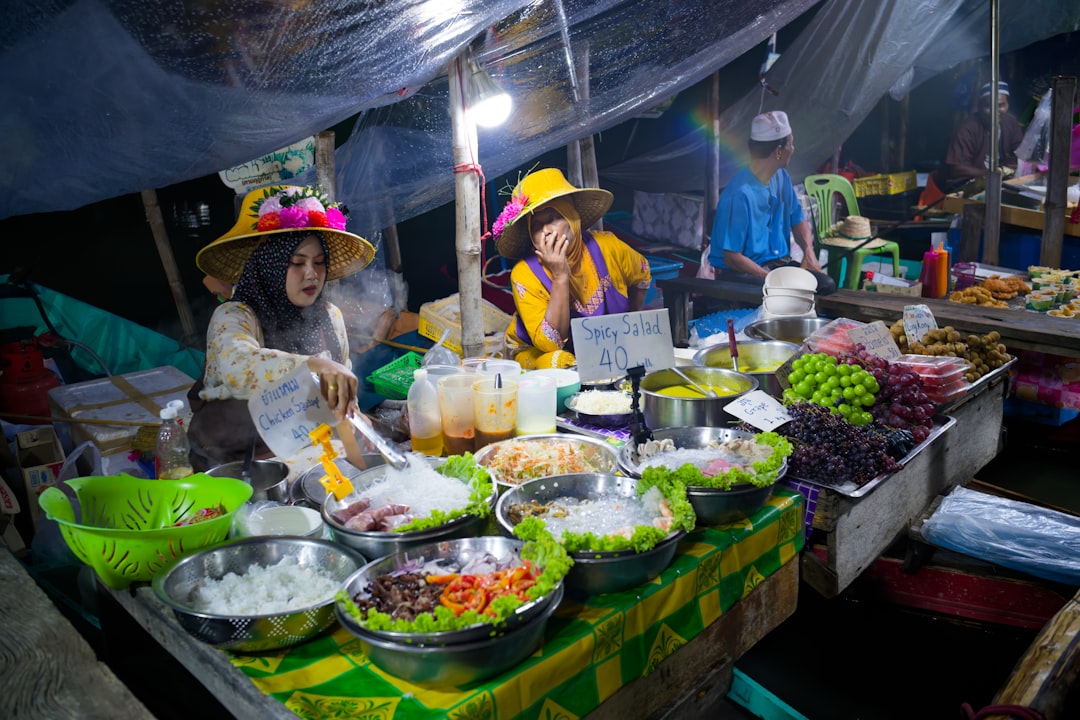
- Pre-Event Checklist: CV, contract, ID copy, health card, food handling certificate, visa copy.
- Digital Onboarding: Use platforms for document signing and policy acknowledgment.
- Orientation Agenda: Cover brand story, menu details, POS training, and safety protocols.
- Equipment Log: Track issuance of uniforms, aprons, communication devices, and cash floats.
- Payroll Setup: Collect bank details and tax information before the first shift.
Food Festival Vendor Staffing Implementation Timeline
A realistic timeline is the backbone of effective food festival vendor staffing. Ideally, start planning 8-12 weeks before the event. Weeks 1-4 should focus on strategy finalization, budget approval, and role definition. Subsequently, weeks 5-8 are for active recruitment, screening, and initial interviews. This phased approach prevents rushed decisions and allows for thorough vetting.
Furthermore, the final month is critical. Weeks 9-10 should involve final selections, contract signing, and compliance verification. Meanwhile, weeks 11-12 must dedicate time to training, schedule publication, and on-site briefings. Last-minute tasks include assigning team leads and conducting a final logistics walkthrough. Adhering to this structured timeline minimizes stress and ensures your team is event-ready.
- 8-12 Weeks Out: Finalize staffing plan, budget, and partner with a recruitment agency.
- 5-8 Weeks Out: Launch recruitment campaign, screen applicants, conduct interviews.
- 3-4 Weeks Out: Complete hiring, process all contracts and legal documentation.
- 1-2 Weeks Out: Conduct mandatory training sessions and publish shift schedules.
- Event Week: Hold on-site briefing, distribute equipment, and launch operations.
Common Challenges and Solutions
Event staffing faces predictable challenges. First, last-minute cancellations or no-shows can cripple operations. The solution is to over-recruit by 10-15% for key roles and maintain an on-call list. Second, skill gaps may emerge during peak service. Therefore, cross-train staff on multiple stations, like cashier and runner duties, to create flexibility.
Another common issue is managing staff fatigue during long, busy events. Implement mandatory break rotations and provide a comfortable rest area. Additionally, communication breakdowns can occur in noisy environments. Equip team leads with radios and use visual signaling systems. Finally, cultural misunderstandings can affect service. Provide brief cultural sensitivity training focusing on regional and international guest expectations. Proactive planning turns these potential pitfalls into manageable situations.
- Challenge: High no-show rate. Solution: Require confirmation calls 24 hours prior and have backups.
- Challenge: Inconsistent service quality. Solution: Implement secret shopper checks and provide immediate coaching.
- Challenge: Payment disputes. Solution: Use clear, signed agreements and digital time-tracking.
- Challenge: Logistical confusion. Solution: Create detailed maps, entry passes, and contact lists for all staff.
- Challenge: Low team morale. Solution: Provide meals, recognize achievements, and foster a supportive environment.
Expert Recommendations for Success
To excel in culinary event staffing, go beyond the basics. First, build relationships with specialized staffing agencies that understand the festival landscape. They provide access to pre-vetted talent pools accustomed to temporary work. Second, invest in technology. Use mobile apps for shift management, communication, and real-time feedback. This tech-forward approach increases efficiency dramatically.
Moreover, treat your temporary staff as brand ambassadors. Their interaction with customers defines your festival presence. Provide them with engaging brand stories to share. Additionally, conduct a thorough post-event analysis. Review sales data, customer feedback, and staff surveys to identify strengths and areas for improvement. This continuous learning cycle optimizes your strategy for each subsequent event. For a tailored approach, schedule consultation appointment with our experts.
- Partner Strategically: Collaborate with agencies specializing in hospitality and event staffing.
- Leverage Technology: Adopt workforce management software for scheduling and payroll.
- Focus on Brand Experience: Train staff to create memorable customer interactions.
- Analyze and Adapt: Use post-event data to refine future staffing models and training.
- Plan for Growth: Document processes to scale your model for larger or multiple events.
Frequently Asked Questions About Food Festival Vendor Staffing
What is the timeline for food festival vendor staffing?
A complete food festival vendor staffing cycle typically requires 8-12 weeks. Furthermore, this allows for strategic planning, recruitment, compliance processing, and training. Therefore, starting early is crucial for success.
What documentation is required for temporary F&B teams?
Essential documents include valid IDs, temporary work permits, food handler certificates, and signed employment contracts. Additionally, health screening results and proof of address are often needed. Moreover, keeping digital copies organized is highly recommended.
How can I ensure consistent service quality with temporary staff?
Implement a robust, hands-on training program specific to your menu and service style. Furthermore, appoint experienced shift supervisors for real-time coaching. Additionally, use clear standard operating procedures (SOPs) for all tasks.
What are the key compliance risks in GCC event staffing?
Major risks involve improper work visas, lack of mandatory health certifications, and violation of wage protection laws. Additionally, non-compliance with local municipality and tourism authority regulations can result in fines or stall closure.
Can Allianze HR manage end-to-end staffing for multiple events?
Absolutely. We provide comprehensive talent acquisition and deployment services for single or multiple events across the GCC. Our services cover sourcing, compliance, training, payroll, and on-ground management for seamless operations.
How do you source staff with specific culinary skills?
We leverage our extensive database and regional networks to find staff with niche skills, from gourmet coffee preparation to specific cuisine expertise. Furthermore, we conduct practical assessments to verify competencies before placement.
Partner with Allianze HR for Culinary Staffing Success
Mastering food festival vendor staffing is a complex but rewarding endeavor. It directly influences customer satisfaction, sales performance, and brand perception. By following the strategic overview, best practices, and timeline outlined in this guide, GCC vendors can build resilient, high-performing temporary teams. Remember, success lies in detailed planning, rigorous training, and strict compliance adherence.
Allianze HR Consultancy specializes in providing tailored workforce solutions for the dynamic GCC events sector. Our expertise ensures you have the right people, with the right skills, at the right time—fully compliant with regional laws. Let us handle the staffing complexities