


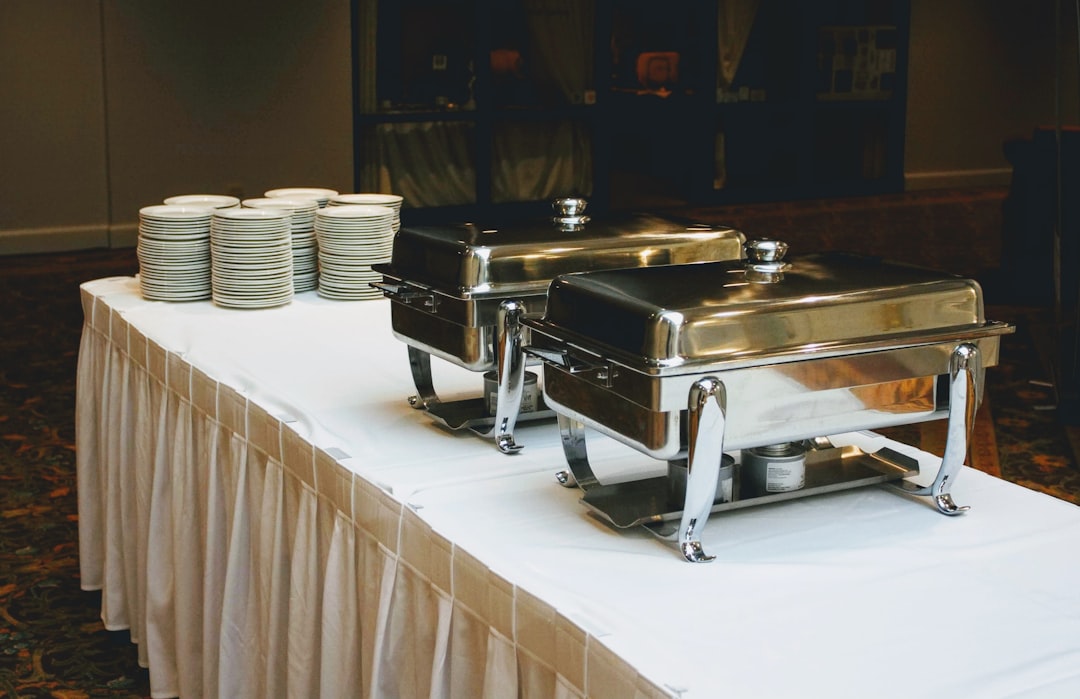
How can you successfully staff a major convention center catering operation in the competitive GCC market? Furthermore, large-scale event venues demand specialized food and beverage talent. Moreover, the region’s booming MICE (Meetings, Incentives, Conferences, Exhibitions) sector creates intense competition for skilled personnel. Therefore, a strategic convention catering staffing guide is essential for operational excellence and guest satisfaction.
The Gulf’s hospitality landscape features world-class venues hosting international events. Consequently, staffing these complexes requires understanding unique regional dynamics. Additionally, factors like seasonal demand peaks, cultural nuances, and strict labor laws influence recruitment. Specifically, successful deployment ensures seamless service delivery during high-pressure events.
At Allianze HR Consultancy, we’ve successfully placed 10,000+ professionals across UAE, Saudi Arabia, Qatar, and Kuwait. Furthermore, our 5+ years of GCC expertise supports clients from 50+ countries. Moreover, our Ministry of External Affairs (India) RA license ensures compliance. Therefore, contact our recruitment specialists for expert guidance on your large-scale catering staffing needs.
Understanding GCC Event Catering Workforce Dynamics
GCC convention centers operate at a scale unmatched in many global markets. Consequently, staffing models must accommodate fluctuating event calendars. Additionally, roles range from executive chefs and banquet captains to specialized baristas and stewards. Moreover, cultural diversity within teams requires sensitive management approaches.
Furthermore, regional tourism visions like Saudi Arabia’s 2030 plan drive massive venue development. Therefore, proactive talent acquisition becomes a strategic priority. Employers must navigate visa quotas, sponsorship transfers, and competitive salary benchmarks. For example, Dubai’s World Expo legacy continues to fuel demand for experienced event staff.
- Peak seasonal staffing for major exhibitions and religious festivals.
- Multilingual requirements for international delegate events.
- Specialized skills for high-volume banquet and buffet service.
- Integration of technology for point-of-sale and inventory management.
- Compliance with local hospitality labor standards.
Finally, understanding these dynamics informs effective recruitment planning. Subsequently, employers can build resilient, high-performing catering teams.
Convention Catering Staffing Guide Strategic Overview
A comprehensive convention catering staffing guide begins with workforce planning. First, analyze the venue’s event calendar and forecast covers. Next, define role profiles for each service tier. Additionally, consider back-of-house and front-of-house ratios for optimal efficiency.
Furthermore, sourcing strategies must tap into both local and international talent pools. For instance, culinary talent often requires global recruitment. Conversely, service staff may be sourced regionally. Moreover, partnerships with accredited vocational institutes ensure a pipeline of trained candidates.
- Develop tiered staffing models for different event sizes.
- Create detailed competency frameworks for each position.
- Establish recruitment timelines aligned with event schedules.
- Implement technology for applicant tracking and scheduling.
- Benchmark compensation against regional tourism standards.
Therefore, a strategic overview aligns manpower with business objectives. Consequently, venues avoid both understaffing crises and costly overstaffing.
Legal Framework and Compliance Standards
GCC labor laws establish strict parameters for hospitality employment. Specifically, contracts, working hours, and accommodation standards are heavily regulated. Moreover, food safety certifications are mandatory for all handling staff. Additionally, visa sponsorship rules vary between free zones and mainland establishments.
Furthermore, compliance extends to wage protection systems and end-of-service benefits. Employers must also provide mandatory health insurance. For example, Saudi Arabia’s Qiwa platform and UAE’s WPS system enforce timely salary payments. Consequently, non-compliance risks severe penalties and operational disruption.
- Adherence to official visa and immigration procedures.
- Implementation of WHO-aligned food safety protocols.
- Registration with national tourism and catering authorities.
- Compliance with maximum working hours and overtime regulations.
- Provision of legally mandated accommodation and transportation.
Hence, meticulous attention to legal frameworks is non-negotiable. Ultimately, it protects both the employer and the employee.
Convention Catering Staffing Guide Best Practices
Implementing proven best practices transforms staffing from a challenge to a competitive advantage. First, develop a core team of permanent staff for continuity. Next, build a flexible pool of part-time or event-based workers. Additionally, invest in comprehensive onboarding that covers both skills and venue-specific protocols.
Moreover, cross-training increases operational flexibility during complex events. For example, training stewards in basic barista skills can alleviate peak café demand. Furthermore, leveraging data from past events improves future forecasting accuracy. Technology platforms for shift management and communication are also essential.
- Conduct role-specific assessments and trial shifts.
- Create detailed standard operating procedure (SOP) manuals.
- Establish clear career progression paths to reduce turnover.
- Implement regular training on new menus and service styles.
- Utilize professional recruitment resources for candidate screening.
Therefore, these best practices ensure a agile and skilled workforce. Subsequently, service quality remains consistently high across all events.
Documentation and Processing Steps
Efficient documentation processing is critical for timely deployment. Initially, this involves collecting attested educational and experience certificates. Next, employment contracts must comply with local ministry templates. Additionally, medical fitness tests for food handlers are mandatory across all GCC states.
Furthermore, the visa application process involves multiple government portals. Moreover, labor card issuance and residency stamping follow specific sequences. Consequently, delays in any document can stall entire team deployments. Partnering with experts who understand these workflows is invaluable.
- Secure entry permits and visa status changes.
- Process Emirates ID or national identity equivalents.
- Attain sector-specific certifications (e.g., food handling licenses).
- Maintain digital copies of all employee documents.
- Ensure contract attestation by the Ministry of Labor.
Thus, a meticulous, step-by-step approach to documentation prevents logistical failures. Indeed, it is the backbone of successful large-scale staffing.
Convention Catering Staffing Guide Implementation Timeline
A realistic convention catering staffing guide includes a phased implementation timeline. Typically, the end-to-end process for international hires requires 6-10 weeks. However, bulk recruitment for a new venue opening may extend to 4-6 months. Importantly, timelines vary between GCC countries based on processing efficiencies.
First, workforce planning and budgeting should commence 4-5 months before operational need. Next, candidate sourcing and interviews follow. Subsequently, the visa and documentation phase takes 3-4 weeks. Finally, onboarding and training complete the cycle 2 weeks before the first event.
- Weeks 1-4: Needs analysis, job description finalization, and advertising.
- Weeks 5-8: Candidate screening, interviews, and selection.
- Weeks 9-12: Document collection, visa processing, and medicals.
- Weeks 13-14: Travel arrangements and arrival coordination.
- Weeks 15-16: Intensive venue-specific training and orientation.
Hence, backward planning from the event date is crucial. Ultimately, it ensures a fully prepared team from day one.
Common Challenges and Solutions
Large-scale catering staffing faces several predictable challenges. High turnover in entry-level positions is a persistent issue. Additionally, last-minute event cancellations or scaling can disrupt labor budgets. Moreover, cultural and language barriers within diverse teams may affect coordination.
Furthermore, sourcing specialized culinary talent for large volumes is highly competitive. Also, managing accommodation and transportation for hundreds of staff is logistically complex. Fortunately, each challenge has a practical solution. For example, creating a positive work culture with recognition programs reduces turnover.
- Challenge: Visa processing delays. Solution: Begin the process earlier and use expedited channels where available.
- Challenge: Skill gaps. Solution: Partner with training institutes for customized pre-employment programs.
- Challenge: Cost overruns. Solution: Implement dynamic staffing software for real-time labor cost control.
- Challenge: Compliance risks. Solution: Conduct regular audits using official ministry guidelines.
- Challenge: Low employee engagement. Solution: Develop clear communication channels and feedback mechanisms.
Therefore, anticipating these challenges allows for proactive mitigation. Consequently, operations run more smoothly and predictably.
Expert Recommendations for Success
To excel in convention center catering staffing, adopt a long-term strategic view. First, invest in employer branding to attract top talent in a crowded market. Second, develop relationships with reliable recruitment partners who understand scale. Third, leverage data analytics to refine staffing forecasts and reduce waste.
Moreover, prioritize employee wellbeing to foster loyalty and reduce attrition. Additionally, stay informed on sector trends and economic reports affecting labor availability. Finally, view your staffing partner as an extension of your HR team, not just a vendor.
- Build a talent community for future hiring needs.
- Standardize processes across all recruitment channels.
- Implement a robust performance management system.
- Foster a culture of continuous learning and upskilling.
- Schedule a consultation appointment for a tailored staffing strategy.
Hence, these expert recommendations pave the way for sustainable success. Indeed, they transform staffing from a cost center into a value driver.
Frequently Asked Questions About Convention Catering Staffing Guide
What is the timeline for a convention catering staffing guide implementation?
Timeline typically ranges 6-10 weeks for standard recruitment. Furthermore, bulk hiring for new venue launches may take 4-6 months. Therefore, consult our specialists for a precise project plan.
What documentation is required for large-scale F&B recruitment?
Required documents include attested certificates, employment contracts, medical fitness reports, and food handler licenses. Additionally, passport copies and photographs are needed for visa processing.
How do you manage seasonal fluctuations in event staffing?
We recommend a core permanent team supplemented by a flexible pool of pre-vetted event staff. Moreover, advanced planning using historical event data optimizes seasonal scheduling.
How does Allianze HR ensure legal compliance for catering staff?
We maintain a Ministry-approved RA license and monitor GCC labor law changes continuously. Moreover, we conduct thorough documentation verification at every stage to ensure full compliance.
Which GCC countries have the highest demand for event catering staff?
Currently, Saudi Arabia, UAE, and Qatar show the highest demand due to major tourism developments and international event hosting. Furthermore, Oman and Bahrain are emerging markets for MICE staffing.
What are the key roles in a convention center catering team?
Key roles include Executive Chefs, Sous Chefs, Banquet Managers, Captains, Servers, Bartenders, Baristas, Stewards, and Runners. Additionally, specialized roles like Dietitians or Sommeliers may be required for high-end events.
Partner with Allianze HR for Catering Staffing Success
Successfully staffing a GCC convention center catering operation demands expertise, scale, and local knowledge. Furthermore, navigating the complexities of bulk recruitment, compliance, and training is a formidable task. Therefore, a strategic partnership with a specialized HR consultancy is not just beneficial—it’s essential.
Allianze HR Consultancy provides end-to-end solutions for your large-scale F&B staffing needs. Moreover, our proven track record across the Gulf’s premier venues ensures you receive actionable insights and reliable talent. We manage the entire lifecycle, from strategic planning and sourcing to deployment and ongoing support. Consequently, you can focus on delivering exceptional event experiences.
Let us help you build a high-performing, compliant, and resilient catering workforce. Our tailored convention catering staffing guide approach is designed for the unique demands of the GCC market. Contact us today to transform your staffing challenges into a sustainable competitive advantage. Reach out to our HR specialists for a detailed consultation and take the first step toward staffing excellence.