


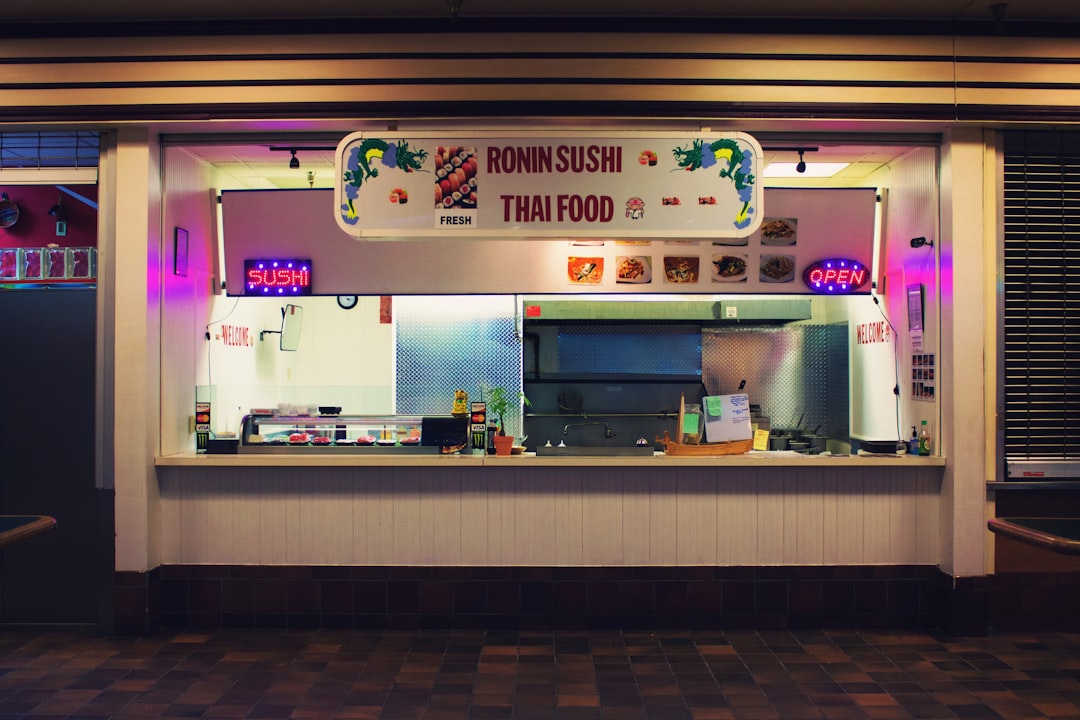
How can shopping center operators efficiently staff a multi-brand food hall with diverse, compliant, and customer-ready talent? The GCC’s booming retail and F&B sectors present a unique staffing challenge. Food court mall dining multi-brand staffing requires a specialized recruitment approach. This complex process involves coordinating multiple brands, diverse roles, and strict regional regulations. Consequently, mastering this coordination is essential for operational success and customer satisfaction.
The food hall concept dominates modern shopping centers across the Gulf. Furthermore, these venues feature diverse culinary brands under one roof. This creates a vibrant dining experience but complicates workforce management. Each brand may have different operational standards and training needs. Moreover, GCC labor laws add specific compliance layers. Therefore, a strategic approach to recruitment and coordination becomes a critical business function.
At Allianze HR Consultancy, we’ve successfully placed 10,000+ professionals across UAE, Saudi Arabia, Qatar, and Kuwait. Furthermore, our 5+ years of GCC expertise supports clients from 50+ countries. Moreover, our Ministry of External Affairs (India) RA license ensures compliance. Therefore, contact our recruitment specialists for expert guidance on your food hall staffing needs.
Understanding GCC Food Hall Workforce Dynamics
Modern shopping center food halls operate as micro-ecosystems. They require a blend of front-of-house and back-of-house talent. Additionally, each culinary brand maintains its unique service identity. This diversity demands a nuanced staffing strategy. Moreover, high foot traffic in GCC malls necessitates resilient and customer-focused teams. Consequently, understanding these dynamics forms the foundation of effective recruitment.
Key roles in this environment include chefs, cooks, cashiers, servers, and cleaning staff. Furthermore, supervisory and management positions ensure smooth multi-brand coordination. Each role requires specific skill verification and cultural fit assessment. Therefore, a one-size-fits-all recruitment approach fails. Instead, tailored screening for each position and brand ethos proves necessary.
GCC consumer expectations are notably high. Patrons demand quick service, consistent quality, and hygienic environments. This pressure translates directly to workforce requirements. Staff must be trained in both technical skills and customer engagement. Moreover, they must adapt to the fast-paced, multi-cultural mall setting. Hence, recruitment must prioritize adaptability and stress management alongside core competencies.
- Front-of-house staff require exceptional customer service and point-of-sale skills.
- Kitchen teams need verified culinary expertise and food safety certification.
- Multi-brand supervisors must demonstrate coordination and conflict-resolution abilities.
- All personnel must understand and comply with local health and safety regulations.
- Language skills often include Arabic and English to serve diverse customer bases.
Food Court Mall Staffing Strategic Overview
A strategic overview of food court mall staffing begins with centralized coordination. This approach manages recruitment for multiple brands simultaneously. Furthermore, it ensures consistency in quality and compliance across all outlets. The goal is to build a cohesive yet brand-differentiated workforce. Therefore, planning must align with the shopping center’s overall operational calendar and peak seasons.
Effective talent acquisition for food halls involves proactive sourcing. Recruitment channels must tap into both local and international talent pools. Additionally, partnerships with culinary institutes provide a pipeline of skilled entrants. Moreover, understanding visa sponsorship regulations for different nationalities is crucial. Consequently, a strategic partner with regional expertise becomes invaluable for navigating these complexities.
Synchronizing onboarding and training is another strategic pillar. New hires from various brands may start simultaneously. Therefore, coordinating their induction into the mall’s general rules and brand-specific procedures is essential. This unified yet segmented approach accelerates productivity. It also fosters a sense of shared community among workers from different stalls.
- Develop a master recruitment calendar aligned with mall openings and brand launches.
- Establish standardized pre-screening criteria for core competencies across all brands.
- Create a centralized database for candidate pooling to fill future vacancies rapidly.
- Implement a coordinated onboarding program covering mall-wide and brand-specific policies.
- Design a flexible staffing model to accommodate mall footfall patterns and peak dining hours.
Legal Framework and Compliance Standards
Navigating the GCC’s legal framework is non-negotiable for food hall operators. Each country has distinct labor laws, visa regulations, and sector-specific mandates. For instance, the Saudi Ministry of Labor regulations govern work conditions in the Kingdom. Similarly, UAE authorities enforce strict standards for F&B workers. Therefore, compliance forms the backbone of any staffing strategy.
Food safety and hygiene regulations are particularly stringent. Staff must often hold recognized certificates, like those aligned with World Health Organization food safety guidelines. Additionally, municipalities conduct regular inspections of mall food outlets. Non-compliance can result in fines or operational suspension. Hence, verifying candidates’ certifications and providing mandatory training is critical.
Worker welfare is a major focus across the Gulf. Regulations mandate proper accommodation, healthcare, and contract transparency. These standards align with International Labour Organization hospitality standards. Moreover, recent reforms in countries like Saudi Arabia and UAE enhance worker protection. Consequently, employers must integrate these welfare provisions into their employment offers and management practices.
- Secure correct employment visas and work permits for all nationalities.
- Ensure employment contracts are attested and comply with local wage protection systems.
- Provide mandatory medical insurance and health screening as per local law.
- Maintain accurate records of working hours, overtime, and leave entitlements.
- Adhere to all UAE visa and immigration services or equivalent national procedures.
Food Court Mall Staffing Best Practices
Adopting industry best practices transforms food court mall staffing from a challenge into a competitive advantage. First, implement a centralized recruitment management system. This system tracks candidates across all brands and stages. Furthermore, it ensures no duplication of effort and maintains consistent communication. Therefore, efficiency improves dramatically for high-volume hiring.
Second, prioritize cultural and soft skills during selection. Technical cooking skills are vital, but customer interaction defines the dining experience. Staff must handle diverse patrons politely and efficiently. Moreover, they should work harmoniously alongside colleagues from different cultural backgrounds. Consequently, behavioral interviews and role-playing scenarios are essential assessment tools.
Third, establish a continuous training and development framework. The F&B industry evolves rapidly with new trends and technologies. Regular upskilling keeps the workforce engaged and competent. Additionally, cross-training staff on basic functions of neighboring brands aids during peak times or staff shortages. This flexibility enhances overall food hall resilience.
- Use standardized skill assessment tools for chefs, cashiers, and servers.
- Develop a shared pool of “floaters” trained to support multiple brands during rushes.
- Implement a digital onboarding portal for seamless document submission and policy acknowledgment.
- Conduct regular compliance audits using checklists based on local labor and health laws.
- Foster a positive workplace culture with recognition programs that span all food court brands.
Documentation and Processing Steps
Meticulous documentation is the engine of compliant food hall staffing. The process begins with gathering candidate credentials. These include passports, educational certificates, and professional references. Furthermore, previous experience certificates must be verified for authenticity. Subsequently, these documents undergo attestation from relevant authorities. This step is crucial for visa processing.

Next, the employment contract drafting and signing phase occurs. Contracts must clearly state job title, duties, compensation, working hours, and benefits. They must comply with the local labor law of the GCC country. Moreover, contracts often require translation into Arabic. Therefore, legal review ensures all terms are enforceable and fair.
Finally, the visa and work permit application process begins. This involves medical fitness tests, biometric enrollment, and securing the resident ID. Each step depends on timely and accurate document submission. Delays in one application can stall an entire batch of hires. Hence, experienced coordination is vital to keep the pipeline moving. For detailed support, explore our professional recruitment resources.
- Collect and attest educational and experience certificates from home and host countries.
- Draft bilingual employment contracts that meet all GCC statutory requirements.
- Schedule and coordinate medical examinations and biometric appointments for candidates.
- Apply for labor approvals, entry permits, and final visa stamping through proper channels.
- Organize pre-departure briefings and arrange travel and airport pickup for international hires.
Food Court Mall Staffing Implementation Timeline
A realistic implementation timeline for food court mall staffing prevents operational disruptions. Typically, the end-to-end process spans 6 to 10 weeks. This timeline covers sourcing, selection, documentation, and deployment. However, it varies based on candidate nationality, brand requirements, and GCC country regulations. Therefore, advanced planning is non-negotiable for new mall openings or seasonal expansions.
The first phase, lasting 2-3 weeks, involves active sourcing and screening. Recruitment teams advertise positions, screen resumes, and conduct initial interviews. Furthermore, practical assessments for culinary roles occur during this stage. Subsequently, shortlisted candidates proceed to document collection. Meanwhile, parallel processes for labor market testing or quota approvals begin with local ministries.
The final phase encompasses visa processing and mobilization, taking 3-4 weeks. This includes medical tests, contract attestation, and flight arrangements. Moreover, coordinating arrival dates for a group from diverse locations requires precise logistics. Finally, a structured onboarding program integrates new hires into the mall environment. To initiate this process efficiently, schedule consultation appointment with our team.
- Weeks 1-2: Job profiling, advertising, and initial candidate screening.
- Weeks 3-4: Technical interviews, final selection, and offer letter issuance.
- Weeks 5-6: Document attestation, contract signing, and labor approval applications.
- Weeks 7-8: Medical screening, visa stamping, and travel booking.
- Weeks 9-10: Arrival, final onboarding, and brand-specific training commencement.
Common Challenges and Solutions
Food hall operators face several common staffing challenges. High turnover rates in the F&B sector are a primary concern. This attrition disrupts service consistency and increases recurrent recruitment costs. Additionally, coordinating schedules across multiple independent brands creates logistical headaches. Moreover, ensuring uniform service quality and hygiene standards across all stalls is difficult.
Another significant challenge is navigating the complex web of GCC labor regulations. Visa changes, wage protection systems, and health card renewals require constant attention. Furthermore, managing employee accommodations that meet legal standards for a large, diverse workforce is demanding. These administrative burdens can distract from core business operations.
Practical solutions exist for these hurdles. Implementing competitive retention strategies like performance bonuses and career pathways reduces turnover. Additionally, using integrated workforce management software centralizes scheduling and compliance tracking. Moreover, partnering with a specialized HR consultancy like Allianze transfers the administrative burden to experts. This allows operators to focus on culinary excellence and customer experience.
- Challenge: High employee turnover. Solution: Create clear career progression and recognition programs.
- Challenge: Multi-brand scheduling conflicts. Solution: Use a central digital roster accessible to all brand managers.
- Challenge: Inconsistent service standards. Solution: Implement mandatory cross-brand core training modules.
- Challenge: Regulatory compliance fatigue. Solution: Outsource to a partner with dedicated compliance officers.
- Challenge: Seasonal demand fluctuations. Solution: Develop a flexible pool of part-time or on-call staff.
Expert Recommendations for Success
For sustained success in food court mall staffing, embrace a partnership model. Collaborate closely with brand franchisors from the initial planning stage. This alignment ensures staffing plans support each brand’s operational model. Furthermore, it helps define shared and unique training requirements. Therefore, this collaborative approach prevents misalignment and service gaps.
Invest in technology that enhances the employee experience. Mobile apps for shift management, pay slips, and feedback improve engagement. Additionally, digital learning platforms facilitate ongoing training. Moreover, data analytics can predict staffing needs based on mall footfall trends. Consequently, technology drives efficiency and empowers the workforce.
Finally, prioritize ethical recruitment and worker wellbeing. This commitment not only ensures compliance but also builds employer reputation. A respected employer brand attracts higher-quality talent. Furthermore, it aligns with the World Bank tourism sector reports emphasis on sustainable business practices. Ultimately, a happy, stable workforce is the most critical ingredient in a food hall’s success.
- Establish a joint committee with representatives from each food brand for staffing decisions.
- Leverage data from mall traffic counters to create predictive staffing models.
- Develop a strong employer value proposition focused on development and fair treatment.
- Regularly benchmark wages and benefits against UN World Tourism Organization regional standards.
- Conduct periodic engagement surveys to identify and address workforce concerns proactively.
Frequently Asked Questions About Food Court Mall Staffing
What is the timeline for food court mall staffing?
The complete food court mall staffing process typically takes 6 to 10 weeks. This includes sourcing, selection, documentation, and deployment. Furthermore, timelines depend on visa category and country-specific procedures. Therefore, planning well ahead of operational start dates is crucial.
What documentation is required for multi-brand food hall recruitment?
Key documents include attested educational certificates, experience letters, passports, and passport-sized photos. Additionally, food safety certificates and previous employer references are often needed. Moreover, employment contracts must be drafted in compliance with local GCC labor law.
How do you ensure consistent service across different food brands?
We recommend a two-tier training approach. First, all staff complete a core program on mall-wide customer service and hygiene. Second, brand-specific training focuses on unique menus and service protocols. This method ensures baseline consistency while preserving brand identity.
How does Allianze HR handle compliance for multiple nationalities?
Our compliance team maintains updated knowledge of visa and labor regulations for all GCC states. We manage the end-to-end process, from labor quota approval to final visa stamping. Moreover, we ensure all worker welfare provisions are contractually included and implemented.
Can you help with staffing for a new mall food hall launch?
Absolutely. We specialize in bulk recruitment and deployment for new openings. Our service includes creating a master staffing plan, sourcing for all brands simultaneously, and coordinating a phased arrival schedule. This ensures your food hall is fully staffed and trained for opening day.
What industries does Allianze specialize in recruiting?
Our expertise covers construction, hospitality, healthcare, facilities management, manufacturing, oil and gas, and