


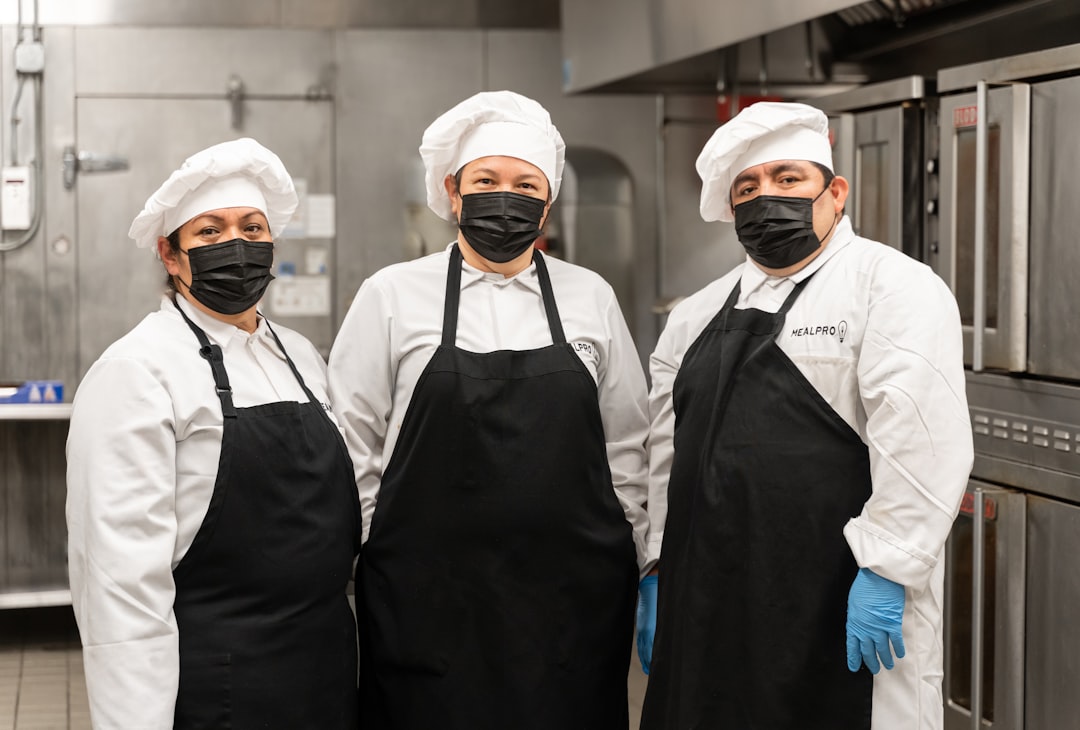
How can you build a culinary leadership team that drives profitability and defines a restaurant’s identity? The GCC’s dynamic hospitality sector demands exceptional talent at the helm. Furthermore, recruiting executive chefs, sous chefs, and kitchen managers presents unique challenges. Strategic chefs kitchen leadership hiring ensures operational excellence and brand consistency. Therefore, mastering this process becomes a critical competitive advantage for restaurant groups and luxury hotels.
The region’s culinary scene is fiercely competitive. Consequently, securing top-tier culinary management talent directly impacts guest satisfaction and financial performance. Moreover, GCC labor regulations add complexity to international recruitment. Understanding these nuances is essential for successful placement and long-term retention. Additionally, cultural fit and adaptation to local markets are paramount for leadership success.
At Allianze HR Consultancy, we’ve successfully placed 10,000+ professionals across UAE, Saudi Arabia, Qatar, and Kuwait. Furthermore, our 5+ years of GCC expertise supports clients from 50+ countries. Moreover, our Ministry of External Affairs (India) RA license ensures compliance. Therefore, contact our recruitment specialists for expert guidance on building your dream culinary team.
Understanding GCC Culinary Leadership Requirements
GCC restaurants require leaders who blend international expertise with regional sensibilities. First, executive chefs must master diverse cuisines for cosmopolitan clientele. Second, they need strong cost control skills for high-volume operations. Third, leadership in multicultural kitchen brigades is non-negotiable. Additionally, knowledge of local supply chains and seasonal ingredients proves invaluable.
Furthermore, the role extends beyond cooking. Culinary directors shape menus that resonate with local and tourist demographics. Moreover, they implement stringent food safety protocols aligned with GCC standards. Consequently, recruitment must assess both technical prowess and managerial acumen. For example, a candidate’s experience with Halal certification processes is often crucial.
- Mastery of international and Middle Eastern cuisines.
- Proven experience in luxury hotel or fine-dining environments.
- Strong financial acumen for kitchen budgeting and P&L management.
- Expertise in GCC food safety and hygiene regulations.
- Ability to lead and motivate culturally diverse kitchen teams.
- Experience with local supplier networks and sustainable sourcing.
Finally, successful candidates demonstrate adaptability. The region’s rapid growth demands leaders who can scale operations efficiently. Therefore, a strategic approach to talent acquisition is fundamental for sustainable success.
Chefs Kitchen Leadership Hiring Strategic Overview
A strategic framework for chefs kitchen leadership hiring transforms recruitment from reactive to proactive. First, define the leadership gap within your organization’s structure. Next, create a detailed competency matrix beyond a standard job description. This matrix should evaluate culinary innovation, staff development, and operational efficiency. Moreover, it must align with the brand’s long-term culinary vision.
Furthermore, sourcing requires a multi-channel approach. Specialized hospitality recruiters, international culinary networks, and targeted headhunting yield the best results. Additionally, consider the candidate’s trajectory within the competitive GCC market. Consequently, understanding their career motivations and alignment with your growth plans is essential. For instance, a chef seeking a creative outlet may thrive in a concept-development role.
Moreover, the assessment phase must be rigorous and multi-faceted. Practical kitchen trials, menu planning exercises, and financial scenario tests are invaluable. Besides, behavioral interviews should explore crisis management and team-building philosophies. Therefore, a structured evaluation ensures you select a leader, not just a skilled cook. This comprehensive approach is the cornerstone of effective chefs kitchen leadership hiring.
Finally, integration planning begins before the offer is signed. A clear onboarding roadmap accelerates impact and fosters retention. Specifically, outline their first 100-day goals, introduce key stakeholders, and plan team introductions. Consequently, strategic hiring becomes a seamless transition that drives immediate value.
Legal Framework and Compliance Standards
Navigating the GCC’s legal landscape is critical for hiring culinary leaders. Each country has distinct labor laws, visa categories, and certification requirements. First, verify that professional chef qualifications are recognized by the relevant Ministry. In the UAE, for example, the government portal outlines specific visa procedures for skilled professionals. Similarly, Saudi Arabia’s Ministry of Labor sets stringent criteria for work permits.
Furthermore, employment contracts must be meticulously drafted. They should comply with local labor law and include clear terms on duties, compensation, and termination. Additionally, specific clauses regarding intellectual property, such as recipe creation, are advisable. Moreover, many GCC nations mandate that contracts are in Arabic to be legally binding. Therefore, professional translation and legal review are essential steps.
Compliance also extends to health and safety standards. The World Health Organization provides global guidelines on food safety, which are enforced locally. Consequently, leaders must have documented training in HACCP or equivalent systems. Also, many emirates require food handlers’ certificates for all kitchen staff, including management.
Finally, understanding end-of-service benefits and dispute resolution mechanisms protects both employer and employee. Proactively addressing these legal aspects prevents costly conflicts. Thus, partnering with experts who monitor regulatory changes ensures ongoing compliance and operational smoothness.
Chefs Kitchen Leadership Hiring Best Practices
Implementing best practices elevates your chefs kitchen leadership hiring from good to exceptional. First, develop a compelling employer value proposition tailored to culinary artists. Highlight creative freedom, quality ingredients, and career advancement opportunities. Moreover, showcase your commitment to work-life balance, a key concern for hospitality professionals. Consequently, you attract passive candidates who are leaders in their current roles.
Furthermore, the interview process should be immersive. Arrange a “stage” or trial shift where candidates can interact with the existing team and experience the kitchen’s pace. Additionally, include tastings where they present dishes that reflect their philosophy and skill. This provides tangible evidence of their capabilities beyond a resume. Therefore, you assess cultural fit and practical skill simultaneously.
Moreover, reference checking must be thorough and specific. Speak directly with former employers, colleagues, and subordinates. Ask about their leadership style during peak service, approach to cost management, and success in staff development. Besides, verify achievements like awards, kitchen efficiency improvements, or successful menu launches. Hence, you build a complete, verified picture of the candidate’s impact.
Finally, negotiate offers with a holistic view of compensation. Beyond salary, consider housing allowances, annual flight tickets, performance bonuses, and health insurance. Also, discuss opportunities for professional development, such as attending international culinary expos. Adopting these best practices for chefs kitchen leadership hiring secures top talent and builds a reputation as an employer of choice.
Documentation and Processing Steps
Accurate documentation is the engine of a smooth international hiring process. First, collect the candidate’s attested educational certificates and professional references. These often require notarization and embassy attestation from their home country. Next, prepare the employment contract in both English and Arabic, ensuring all terms are clear and legally sound. Additionally, the candidate will need a police clearance certificate from their country of residence.
Furthermore, the visa application process involves multiple government entities. Typically, it starts with obtaining entry permission or a work permit from the Ministry of Labor. Subsequently, the candidate undergoes a medical fitness test in the GCC country. Moreover, their passport is submitted for visa stamping and Emirates ID registration in the UAE. Therefore, meticulous organization of each document prevents frustrating delays.
For culinary roles, additional certifications may be mandatory. These can include food safety management certificates (like ISO 22000) or specific hygiene training cards issued by the municipal authority. Also, some jurisdictions require the chef’s qualifications to be evaluated by a national qualifications authority. Consequently, early verification of these requirements is crucial. Our professional recruitment resources provide detailed checklists for this purpose.

Finally, maintain a digital and physical file of all processed documents. This ensures easy access for renewal processes or compliance audits. In essence, treating documentation as a strategic priority, not an administrative task, guarantees a seamless transition for your new culinary leader.
Chefs Kitchen Leadership Hiring Implementation Timeline
A realistic timeline manages expectations and ensures a structured approach to chefs kitchen leadership hiring. The entire process, from job posting to the leader’s first day, typically spans 8 to 14 weeks. First, the sourcing and shortlisting phase requires 2-3 weeks to identify qualified candidates through global networks. Next, the interview and assessment stage, including practical trials, takes another 2-3 weeks to ensure a thorough evaluation.
Furthermore, the offer negotiation and acceptance period usually concludes within 1-2 weeks. Subsequently, the documentation and visa processing stage is the most variable, often requiring 4-6 weeks. This includes attestation, medical tests, and government approvals. Moreover, the candidate’s notice period at their current job must be factored in, typically 4-8 weeks. Therefore, advanced planning is essential to align all moving parts.
Additionally, the pre-arrival and onboarding preparation should occur concurrently. This involves securing accommodation, setting up the workspace, and planning the integration schedule. Also, coordinating with the UN World Tourism Organization aligned training programs can be beneficial for incoming leaders. Consequently, the new hire feels supported and can contribute immediately upon arrival.
Finally, building buffer time for unexpected delays is a prudent strategy. Government processing times can fluctuate, and document attestation may encounter hurdles. By mapping out this detailed timeline for chefs kitchen leadership hiring, you demonstrate professionalism and secure your preferred candidate against competing offers.
Common Challenges and Solutions
Employers frequently encounter specific hurdles when recruiting culinary leadership. First, a scarcity of truly elite talent willing to relocate to the GCC is a major challenge. The solution involves building a strong employer brand and leveraging specialized recruiters with global chef networks. Moreover, offering compelling career progression and creative projects can attract top-tier candidates.
Furthermore, salary and benefit expectations can be misaligned. Conduct thorough market benchmarking using regional salary surveys. Additionally, structure packages with transparent performance-linked bonuses and non-monetary benefits. Consequently, you create a competitive offer that reflects the candidate’s value and market standards. For example, offering a role in a flagship restaurant with a high-profile opening can be a powerful draw.
Another common issue is cultural misalignment within the kitchen brigade. The solution is to assess intercultural management skills during the hiring process. Present scenarios involving team conflict or motivation challenges. Moreover, consider a probationary period that allows both parties to evaluate the fit. Therefore, you mitigate the risk of a disruptive departure shortly after hiring.
Finally, navigating complex and changing immigration rules poses a significant administrative burden. Partnering with an experienced HR consultancy like Allianze provides dedicated compliance expertise. We monitor updates from bodies like the International Labour Organization on hospitality sector standards. Thus, you overcome regulatory challenges efficiently and focus on operational success.
Expert Recommendations for Success
To ensure long-term success, go beyond the initial hire. First, invest in continuous professional development for your culinary leaders. Support their attendance at international food festivals and advanced management courses. This fosters innovation and signals your commitment to their growth. Moreover, it helps them stay ahead of global culinary trends, benefiting your restaurant’s offerings.
Furthermore, establish clear key performance indicators (KPIs) beyond food cost and profitability. Include metrics for staff retention, customer satisfaction scores on food, and successful menu item launches. Additionally, create a structured feedback loop with regular performance reviews. Therefore, you maintain alignment with business goals and address concerns proactively.
Moreover, foster a culture of collaboration between kitchen leadership and other departments. Encourage joint meetings with marketing for menu promotions and with finance for budget planning. Also, involve chefs in supplier selection and sustainability initiatives. Consequently, the culinary team becomes integrated into the business’s strategic core, not just a production unit. Insights from the World Bank on sector competitiveness underscore the value of such integration.
Finally, build a succession pipeline. Identify and mentor sous chefs or junior managers with leadership potential. This creates internal talent ready to step up, reducing dependency on external hires. In summary, viewing chefs kitchen leadership hiring as the start of a strategic partnership ensures sustained excellence and market leadership. Schedule a consultation appointment to develop your tailored leadership acquisition strategy.
Frequently Asked Questions About Chefs Kitchen Leadership Hiring
What is the timeline for chefs kitchen leadership hiring?
The complete process typically takes 8 to 14 weeks. This includes sourcing, interviews, offer negotiation, and visa processing. Furthermore, notice periods and document attestation affect the duration. Therefore, early planning with a recruitment partner ensures a timely outcome.
What are the key skills for culinary management in the GCC?
Essential skills include multicultural team leadership, GCC food safety compliance, cost control expertise, and menu innovation for diverse palates. Additionally, knowledge of local supply chains and Halal culinary standards is highly valuable for regional success.
How do GCC visa processes differ for executive chefs?
Executive chefs often qualify for skilled professional visa categories, which may have faster processing. However, they require full attestation of culinary diplomas and extensive experience letters. Moreover, some countries have specific quotas or approvals needed for senior hospitality roles.
What should be included in a chef leader’s employment contract?
Beyond standard terms, include clauses on intellectual property for created recipes, performance bonus structure, expectations for staff training, and confidentiality. Additionally, detail provisions for work equipment, allowable business expenses, and professional development allowances.
How can I assess a chef’s cultural fit during recruitment?
Conduct immersive interviews with future team members, arrange a practical trial in your kitchen, and use scenario-based questions about managing diverse teams. Furthermore, discuss their experience adapting to different dining cultures and their approach to local ingredients and traditions.
Why partner with a specialist for culinary recruitment?
Specialists possess deep networks of passive culinary talent, understand the precise blend of skills needed, and expertly navigate GCC compliance. Moreover, they manage the sensitive negotiation process and ensure a smooth onboarding, saving you time and reducing hiring risk significantly.
Partner with Allianze HR for Culinary Leadership Success
Building a world-class culinary leadership team is a strategic investment that defines your restaurant’s future. Throughout this guide, we’ve explored the complexities of chefs kitchen leadership hiring, from strategic planning to legal compliance. Furthermore, the GCC’s unique market demands a partner with localized expertise and global reach. Moreover, the right leadership transforms kitchen operations into centers of profitability and innovation.
Allianze HR Consultancy provides end-to-end solutions for your most critical hires. We combine sector-specific knowledge with rigorous recruitment methodologies. Additionally, our compliance framework ensures every placement adheres to GCC regulations. Consequently, you gain access to premier talent without administrative burden. Therefore, your focus remains on growing your business and delighting guests.
Let us help you secure the culinary visionaries who will lead your brand to new heights. From sourcing and assessment to visa processing and onboarding, we manage the entire journey. Furthermore, our commitment to long-term partnership means we support retention and succession planning. Ready to build your ideal kitchen leadership team?