


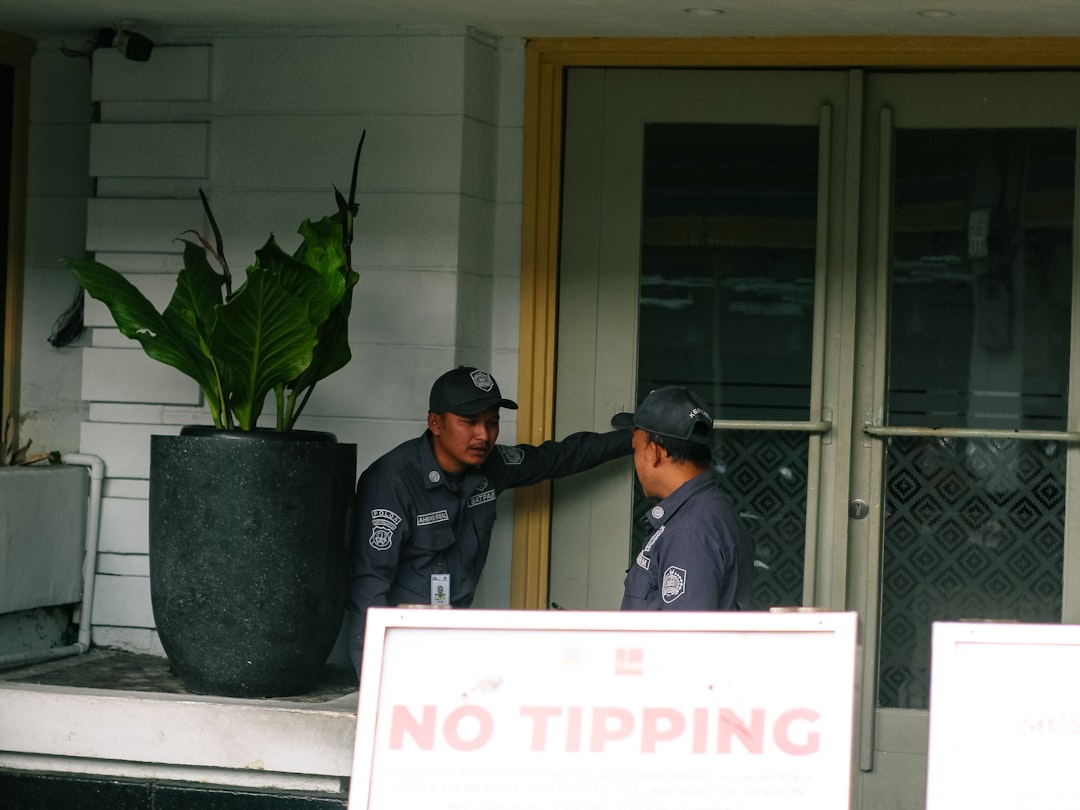
How can you protect a 500-agent call center with flawless security staff access control? Furthermore, the GCC’s dynamic business landscape demands robust building protection. Moreover, high-traffic facilities face unique security recruitment challenges. Therefore, a strategic approach to security staff access control is essential for operational integrity and safety.
Call centers represent critical infrastructure hubs. Additionally, they handle sensitive data and house large workforces. Consequently, their protection requires specialized security personnel. Regional regulations also mandate strict access protocols. Thus, understanding these requirements proves vital for facility managers and HR professionals across the Gulf.
At Allianze HR Consultancy, we’ve successfully placed 10,000+ professionals across UAE, Saudi Arabia, Qatar, and Kuwait. Furthermore, our 5+ years of GCC expertise supports clients from 50+ countries. Moreover, our Ministry of External Affairs (India) RA license ensures compliance. Therefore, contact our recruitment specialists for expert guidance on securing your critical operations.
Understanding GCC Facility Security Requirements
GCC nations enforce stringent security standards for commercial buildings. First, local civil defense regulations dictate specific staffing ratios. Second, building codes require integrated access control systems. Third, data protection laws influence personnel screening. Additionally, cultural norms impact security operations.
Furthermore, a 500-agent center presents unique challenges. High employee turnover increases access point vulnerability. Shift changes create congestion at entry points. Moreover, sensitive client information requires layered protection. Consequently, security teams must manage both physical and data security seamlessly.
Key considerations include electronic access logs, visitor management protocols, and emergency response coordination. For example, the UAE government employment services outline worker protection mandates. Similarly, international standards from the International Labour Organization workplace safety provide best practice frameworks. Therefore, comprehensive planning is non-negotiable.
- Civil defense and police approval requirements for security plans.
- Mandatory background checks for all security personnel.
- Technology integration standards for card readers and biometrics.
- Emergency evacuation and crisis management drill frequencies.
- Data privacy compliance for surveillance system operation.
- Specific uniform and conduct codes for security staff.
Security Staff Access Control Strategic Overview
Implementing effective security staff access control requires a multi-layered strategy. First, define the zones within your call center. Second, determine authorization levels for different staff categories. Third, select the appropriate technology stack. Moreover, integrate your security personnel with these systems seamlessly.
Furthermore, the strategic deployment of manpower is critical. Position officers at main lobbies, server rooms, and restricted floors. Additionally, employ roving patrols for parking areas and perimeter checks. Meanwhile, a dedicated control room operator should monitor all systems. Consequently, this creates a comprehensive security net.
Therefore, your recruitment strategy must align with this operational model. Seek candidates proficient in access management software and conflict resolution. Moreover, understanding the principles from the International Facility Management Association enhances service quality. Ultimately, the right team transforms policy into reliable protection.
- Conduct a thorough site-specific risk and vulnerability assessment.
- Map all physical access points and digital entry logs.
- Define clear protocols for lost access cards and breach incidents.
- Establish a chain of command and incident reporting structure.
- Integrate security staff with IT departments for cyber-physical security.
- Plan for scalable security to accommodate business growth.
Legal Framework and Compliance Standards
GCC labor and security laws govern call center protection. First, employment contracts for security staff must meet local wage standards. Second, working hour regulations differ for shift-based security roles. Third, specific licensing is often required for security personnel. Additionally, equipment usage may require additional permits.
For instance, Saudi Arabia’s Ministry of Labor regulations detail sector-specific rules. Similarly, UAE free zones have their own security directives. Moreover, international benchmarks from the World Health Organization workplace health inform best practices. Consequently, non-compliance risks severe penalties and operational shutdowns.
Furthermore, data protection is increasingly critical. Security staff monitoring access points handle personal data. Therefore, they must be trained on privacy laws like the UAE’s Data Protection Law. Regular audits ensure ongoing adherence. Thus, legal expertise is a cornerstone of successful security operations.
- Secure the necessary Private Security Business License from relevant authorities.
- Ensure all security personnel hold valid residency visas and work permits.
- Comply with mandated training and certification requirements for guards.
- Adhere to strict regulations governing surveillance camera placement and usage.
- Maintain meticulous records of access logs and incident reports for audits.
- Align overtime and shift patterns with GCC labor law provisions.
Security Staff Access Control Best Practices
Adopting industry best practices elevates your security staff access control system. First, implement a principle of least privilege for access rights. Second, enforce strict visitor escort protocols. Third, conduct regular, unannounced security audits. Moreover, foster a culture of security awareness among all agents.
Furthermore, technology should augment human vigilance. Use biometric systems for high-security zones. Additionally, integrate access control with time and attendance software. Meanwhile, ensure all systems have backup power and fail-safes. Consequently, security remains uninterrupted during incidents or outages.
Therefore, continuous training for security staff is paramount. Regularly update them on new threat patterns and software updates. For example, resources from the U.S. Department of Commerce trade resources can provide insights. Ultimately, a well-trained team is your most effective deterrent. Explore our professional recruitment resources for more insights.
- Mandate two-factor authentication for access to server and comms rooms.
- Implement a clear badge policy with color-coding for different clearance levels.
- Establish a reliable method for instantly revoking access for terminated staff.
- Conduct quarterly table-top exercises for emergency scenarios.
- Use data analytics from access logs to identify unusual patterns or attempts.
- Promote seamless communication between security, HR, and facilities management teams.
Documentation and Processing Steps
Robust documentation underpins effective security workforce management. First, develop detailed job descriptions outlining access control duties. Second, create standardized operating procedures for every post. Third, maintain comprehensive personnel files with credentials. Additionally, keep all system manuals and network diagrams current.
Furthermore, the recruitment process itself requires careful documentation. This includes signed employment offers, attested qualifications, and training certificates. Moreover, security clearance approvals from relevant authorities are mandatory. Consequently, organized records facilitate smooth operations and compliance audits.

Therefore, leveraging a structured onboarding checklist is essential. It ensures every guard understands protocols before deployment. Meanwhile, regular performance reviews document competency and identify training needs. Thus, documentation transforms ad-hoc security into a systematic, accountable function.
- Prepare and file site security plans with local civil defense authorities.
- Maintain updated lists of authorized personnel for each access zone.
- Keep logs of all key/card issuances, returns, and destructions.
- Document all security incidents, responses, and resolutions meticulously.
- Archive training attendance records and assessment scores for each officer.
- Secure and back up digital access logs and surveillance footage as per retention laws.
Security Staff Access Control Implementation Timeline
A phased timeline ensures successful security staff access control deployment. Week 1 involves comprehensive risk assessment and planning. Weeks 2-3 focus on technology procurement and infrastructure setup. Meanwhile, the parallel recruitment process for security personnel begins immediately.
Furthermore, weeks 4-6 are dedicated to staff onboarding and system training. Security teams undergo rigorous protocol and software training. Additionally, integration testing between personnel and technology occurs. Consequently, this staged approach minimizes disruption to the live call center environment.
Therefore, planning for a 8-10 week total timeline is realistic for a 500-agent center. This allows for thorough vetting, training, and dry runs. Moreover, it accommodates potential delays in equipment shipping or license approvals. Finally, a post-implementation review after 30 days fine-tunes the system. Schedule consultation appointment to plan your project timeline.
- Days 1-7: Security audit, policy development, and technology vendor selection.
- Days 8-21: Launch recruitment, finalize technology orders, begin infrastructure work.
- Days 22-35: Interview and select security candidates, install hardware/software.
- Days 36-50: Conduct intensive training programs and simulate emergency scenarios.
- Days 51-60: Go-live with new team and systems, provide close supervision.
- Day 61+: Continuous monitoring, feedback collection, and iterative improvements.
Common Challenges and Solutions
Employers often face hurdles in securing large call centers. First, high turnover in security roles can destabilize operations. Second, integrating legacy systems with new technology creates complexity. Third, balancing stringent security with a positive employee experience is difficult. Additionally, budget constraints may limit ideal solutions.
Furthermore, cultural and language barriers can affect team cohesion. Security staff must communicate effectively with a diverse agent workforce. Moreover, keeping pace with evolving cyber-physical threats is a constant challenge. Therefore, proactive strategy is essential for resilience.
Practical solutions include offering competitive packages to retain top security talent. Additionally, phased technology upgrades prevent system shock. Meanwhile, regular security awareness briefings for all staff foster a shared responsibility culture. Insights from the World Bank labor market insights can inform retention strategies. Thus, challenges become opportunities for system strengthening.
- Challenge: Technology failure during shift changes. Solution: Implement redundant manual logbooks and backup power.
- Challenge: Unauthorized tailgating at entry points. Solution: Install anti-passback systems and mantraps with officer supervision.
- Challenge: Security staff burnout from repetitive monitoring. Solution: Rotate posts regularly and incorporate varied duties.
- Challenge: Resistance from employees to strict protocols. Solution: Communicate the “why” behind rules and solicit feedback.
- Challenge: Managing a large volume of visitor access. Solution: Use a pre-registration digital system to streamline the process.
- Challenge: Ensuring compliance across all shifts. Solution: Deploy surprise audits by management at random times.
Expert Recommendations for Success
To build a future-proof security operation, follow expert guidance. First, invest in your security team’s professional development. Second, view security not as a cost center, but as a value protector. Third, establish strong partnerships with local law enforcement. Moreover, regularly benchmark your practices against industry standards.
Furthermore, leverage data from your access control systems proactively. Analyze patterns to predict peak traffic times and adjust staffing. Additionally, conduct annual penetration testing of your physical security. Meanwhile, ensure your business continuity plan integrates fully with security protocols.
Therefore, choosing the right recruitment partner is decisive. A specialist like Allianze HR understands the nuanced profile of a competent security officer for a tech-heavy environment. We source candidates with the right technical aptitude and soft skills. Consequently, you gain a team that embodies both vigilance and professionalism.
- Prioritize emotional intelligence and communication skills during candidate interviews.
- Develop a clear career progression path for security staff to improve retention.
- Integrate your access control data with other building management systems for holistic oversight.
- Conduct joint training exercises with your IT security team to address blended threats.
- Regularly review and update security policies to reflect new threats and technologies.
- Foster a respectful, collaborative relationship between security personnel and the agent community.
Frequently Asked Questions About Security Staff Access Control
What is the timeline for security staff access control implementation?
A complete implementation for a 500-agent center typically takes 8-10 weeks. This includes planning, recruitment, system installation, and training. Furthermore, complexity and local approvals can affect duration. Therefore, consult our specialists for a customized project plan.
What are the key components of a call center building protection plan?
Key components include layered physical access control, electronic surveillance, trained security personnel, cybersecurity measures, and emergency response protocols. Additionally, visitor management and data center security are critical. Moreover, all elements must comply with GCC-specific regulations.
How many security staff are needed for a 500-agent facility?
Staffing ratios depend on layout, shift patterns, and risk level. Generally, a center of this size may require 8-12 officers per 24-hour period. Furthermore, this includes static posts, patrols, and control room operators. Therefore, a detailed site assessment determines the precise number.
What qualifications should we look for in security recruitment?
Prior experience in corporate or tech facility security is essential. Additionally, look for certifications in first aid, crisis management, and basic IT literacy. Moreover, strong communication skills and cultural awareness are vital for GCC environments. We vet for all these competencies.
How does Allianze HR ensure compliance in security staff placement?
We maintain Ministry-approved RA license status under The Emigration Act, 1983. Additionally, our team monitors GCC labor and security law changes continuously. Moreover, we conduct thorough documentation and background verification at every recruitment stage for complete compliance assurance.
Can access control systems integrate with our existing HR software?
Most modern access control systems offer API integration with major HR platforms. This allows for automated onboarding/offboarding of access privileges. Furthermore, it streamlines time and attendance tracking. Therefore, discuss your specific software with your security technology provider during planning.
Partner with Allianze HR for Access Control Success
Implementing robust security staff access control is a strategic investment. It protects your assets, ensures business continuity, and builds trust with clients. Furthermore, a well-secured call center enhances employee morale and productivity. Moreover, compliance with GCC regulations safeguards your operational license.
Therefore, the choice of your recruitment partner is paramount. Allianze HR brings deep regional expertise in sourcing and vetting specialized security personnel. We understand the