



Are you launching a new call center or expanding your customer service operations across the GCC? Furthermore, the challenge of simultaneously deploying 200 workstations while recruiting and onboarding agents can overwhelm even seasoned managers. This complex project demands flawless coordination between physical workspace installation and human capital mobilization. Consequently, mastering furniture setup rapid desk deployment becomes a critical competitive advantage. Moreover, successful execution ensures operational readiness from day one, maximizing your investment and agent productivity.
The GCC’s dynamic business environment, particularly in hubs like Dubai, Riyadh, and Doha, sees constant growth in customer-facing operations. Therefore, speed-to-market is paramount. Additionally, regional labor laws and workspace standards add layers of compliance. A disjointed approach risks costly delays, compliance penalties, and low agent morale. Conversely, an integrated strategy aligns recruitment timelines with installation schedules seamlessly. This guide provides the blueprint for this essential business function.
At Allianze HR Consultancy, we’ve successfully placed 10,000+ professionals across UAE, Saudi Arabia, Qatar, and Kuwait. Furthermore, our 5+ years of GCC expertise supports clients from 50+ countries. Moreover, our integrated project teams manage both high-volume recruitment and logistical coordination for workspace fit-outs. Therefore, contact our recruitment specialists for expert guidance on your next large-scale deployment project. Our Ministry of External Affairs (India) RA license ensures full compliance throughout the process.
Understanding GCC Call Center Workspace Requirements
Establishing a call center in the Gulf requires understanding specific regional standards. First, workspace density regulations vary by Emirate and Kingdom. For example, some jurisdictions mandate minimum square footage per employee. Additionally, health and safety codes govern electrical setups, cable management, and emergency egress. Consequently, planning must integrate these legal frameworks from the outset.
Secondly, environmental considerations are crucial. The GCC climate demands robust HVAC systems for large, densely populated floors. Furthermore, acoustic treatment for noise reduction is essential for agent focus and call clarity. Moreover, ergonomic standards help prevent workplace injuries and support long-term agent wellbeing. Therefore, furniture selection goes beyond mere aesthetics.
- Space Planning: Adherence to local municipal codes for occupancy and workstation spacing.
- Ergonomics: Chairs with adjustable lumbar support and desks at correct heights.
- Technology Integration: Pre-configured cable trays, power ducts, and data port access at each station.
- Acoustic Management: Sound-absorbing panels, partitions, and floor coverings.
- Compliance Certification: Ensuring all furniture and electrical work passes government inspection.
Finally, cultural nuances influence design. Providing adequate break-out spaces and prayer rooms is not just considerate but often a regulatory requirement. Partnering with local experts who understand these multifaceted requirements is the first step toward a successful deployment.
Furniture Setup Rapid Desk Deployment Strategic Overview
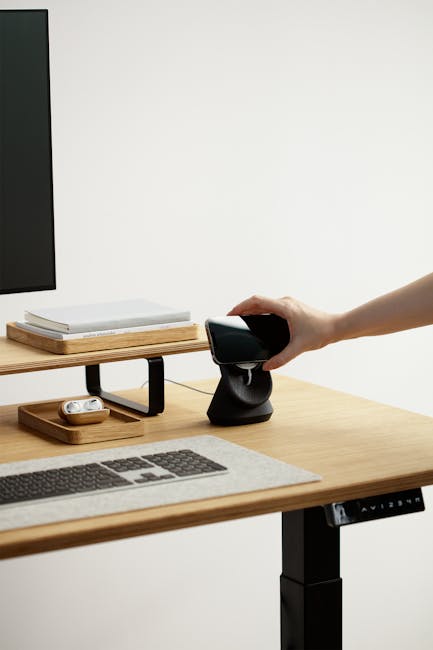
A strategic approach to furniture setup rapid desk deployment treats it as a unified operational launch, not two separate projects. The core objective is synchronizing the physical environment readiness with agent arrival. First, define the critical path. The procurement and installation of 200 desks, chairs, and IT infrastructure must align perfectly with recruitment cycles. Any misalignment results in idle capital or agents without workspace.
Secondly, adopt a phased methodology. A pilot pod of 20-30 workstations can be deployed first. This allows for process testing and early training cohorts. Subsequently, bulk deployment follows in controlled waves. Moreover, this approach mitigates risk and allows for adjustments based on initial feedback. Therefore, flexibility within the plan is vital.
- Integrated Timeline: A single Gantt chart mapping recruitment milestones against installation phases.
- Vendor Coordination: Managing furniture suppliers, IT vendors, and facilities teams as one unit.
- Logistics Planning: Scheduling deliveries to avoid congestion and enable efficient staging and assembly.
- Quality Assurance Checkpoints: Interim inspections during installation to prevent last-minute surprises.
- Stakeholder Communication: Regular updates to HR, IT, facilities, and senior management.
Ultimately, the strategy must account for regional logistics. Importing furniture may involve customs clearance, while local procurement requires vetting for quality. A clear strategic overview, as detailed by resources like the International Labour Organization on efficient workspace design, turns a complex challenge into a manageable process.
Legal Framework and Compliance Standards
Navigating the GCC’s legal landscape is non-negotiable for call center operations. First, labor laws dictate working conditions. For instance, the UAE’s Ministry of Human Resources and Emiratisation sets guidelines for working hours, break times, and occupational health. Similarly, Saudi Arabia’s Ministry of Labor has specific regulations. Your workspace design must legally support these requirements.
Secondly, civil defense and municipal approvals are mandatory. Before occupying any commercial space, authorities must inspect and approve the electrical installation, fire safety systems, and emergency exits. Furthermore, furniture materials often need fire-retardant certifications. Consequently, engaging compliance experts early prevents project-stopping violations.
- Labor Law Adherence: Workspace design that complies with mandated rest area specifications.
- Municipal Licensing: Final occupancy permit based on completed inspection.
- Health & Safety: Compliance with WHO workplace health guidelines on air quality and ergonomics.
- Data Protection: Secure physical layout to protect customer information as per local laws.
Civil Defense Approval: Fire alarms, extinguishers, and clearly marked escape routes.
Additionally, visa and immigration processes for your 200 agents run parallel to workspace setup. Delays in one area cascade into the other. Therefore, a holistic view of compliance, incorporating insights from World Bank labor market analyses, ensures a smooth, lawful launch.
Furniture Setup Rapid Desk Deployment Best Practices
Implementing proven best practices transforms the complex task of furniture setup rapid desk deployment into a repeatable, efficient process. First, pre-assembly and modular furniture are game-changers. Selecting desks and partitions that require minimal on-site assembly drastically reduces installation time. Moreover, modular systems allow for easy reconfiguration as team structures evolve.
Secondly, implement a rigorous pre-delivery inspection (PDI). Checking furniture for defects at the warehouse prevents the logistical nightmare of replacing items after installation. Furthermore, stage deliveries in sequenced batches corresponding to installation zones. This keeps the site organized and allows for parallel work streams.
- Modular Design: Use standardized, interchangeable components for speed and future flexibility.
- Pre-Cabled Desks: Specify workstations with integrated cable management to speed up IT rollout.
- Dedicated Installation Crew: Employ specialized teams that work in efficient, practiced sequences.
- Digital Twin Planning: Use 3D layout software to plan and visualize the space before physical work begins.
- Clear Snagging Process: A systematic method for identifying and rectifying defects post-installation.
Another critical practice is integrating IT infrastructure planning. Desks must be positioned for optimal access to power and data ports. Collaboration with your IT team from the initial floor plan stage is essential. Additionally, consider U.S. Department of Commerce resources on operational efficiency for insights into streamlining such projects. Finally, always plan for a buffer period between installation completion and agent arrival for final testing and adjustments.
Documentation and Processing Steps
Meticulous documentation forms the backbone of any large-scale deployment. First, create a master project dossier. This includes floor plans, furniture specifications, purchase orders, and vendor contracts. Moreover, maintain a daily log of installation progress, challenges, and resolutions. Consequently, this creates accountability and a clear audit trail.
Secondly, agent onboarding documentation must be processed in parallel. This includes employment contracts, visa applications, medical screenings, and bank account setups. Furthermore, coordinating with professional recruitment resources ensures these processes are managed efficiently. Therefore, a dedicated project manager should oversee the convergence of physical and human resource paperwork.
- Project Charter: Authorizing document outlining scope, budget, timeline, and key stakeholders.
- Vendor SLAs: Clear service level agreements with penalties for delays.
- Agent Onboarding Checklist: Tracks each recruit’s progress through visa, medical, and training stages.
- Compliance File: Collected approvals, inspection certificates, and occupancy permits.
- Asset Register: A log of all deployed furniture and IT assets for future management.
Effective documentation also involves communication protocols. Regular status reports should be distributed to all stakeholders. Additionally, a central digital repository ensures everyone accesses the latest versions of plans and schedules. This disciplined approach prevents miscommunication and keeps the complex project on track.
Furniture Setup Rapid Desk Deployment Implementation Timeline
A realistic, detailed timeline is the single most important tool for managing furniture setup rapid desk deployment. First, the project typically spans 8-12 weeks from initiation to full occupancy. The initial phase (Weeks 1-2) involves finalizing design, procuring furniture, and initiating agent recruitment. Subsequently, the core installation and recruitment run in parallel.
Secondly, the timeline must be backward-planned from the target operational date. Key milestones include site handover, furniture delivery, IT infrastructure readiness, and agent training completion. Moreover, buffer time should be incorporated after each major milestone to absorb unforeseen delays. Therefore, a 15-20% time contingency is a prudent best practice.
- Weeks 1-2: Project kick-off, final design sign-off, recruitment campaign launch.
- Weeks 3-5: Furniture manufacturing/shipping, first-round agent interviews, visa filing.
- Weeks 6-7: Site preparation, bulk furniture delivery and installation, agent offers finalized.
- Week 8: IT equipment installation and testing, final compliance inspections.
- Weeks 9-10: Agent arrivals, orientation training on-site, soft launch.
- Weeks 11-12: Full operation, performance monitoring, and post-project review.
Critical to this timeline is the synchronization point where agents arrive. Their arrival should coincide with a fully functional, inspected, and approved workspace. Regular timeline reviews with all vendors and your HR partner are essential. For complex international logistics, insights from global labor market trends can inform realistic scheduling for cross-border recruitment.
Common Challenges and Solutions
Anticipating challenges allows for proactive mitigation. First, supply chain delays are a frequent issue. Furniture shipments can be held at customs, or specific components may be back-ordered. The solution is dual-sourcing where possible and ordering critical items well in advance. Furthermore, maintaining open communication with suppliers provides early warning of potential delays.
Secondly, recruitment bottlenecks can derail synchronization. Visa processing times can fluctuate unexpectedly. The solution is to begin the recruitment and visa process as early as possible, even before the final workspace design is complete. Additionally, working with a recruitment partner with established government relations can expedite procedures.
- Challenge: Last-minute changes to floor plan or technical specifications.
- Solution: Implement a strict change control process with impact assessments on cost and timeline.
- Challenge: Inadequate IT infrastructure (power/data points) in the built space.
- Solution: Conduct a technical site survey before finalizing furniture layout and procurement.
- Challenge: Cultural or language barriers within installation crews or incoming agents.
- Solution: Employ site supervisors who are multilingual and culturally aware to facilitate communication.
- Challenge: Budget overruns due to unforeseen costs or scope creep.
- Solution: Establish a detailed initial budget with a 10-15% contingency fund and regular financial reviews.
Another common issue is post-installation snags, like malfunctioning electrical outlets or network ports. The solution is to build a comprehensive testing phase into the timeline where every workstation is fully checked before agents arrive. Planning for these hurdles ensures they become minor setbacks, not project failures.
Expert Recommendations for Success
To ensure a flawless deployment, follow these expert recommendations. First, appoint a single point of authority. This project manager should have oversight over both the physical deployment and the recruitment stream. Consequently, this eliminates silos and ensures decisions consider both aspects. Moreover, this leader should have experience in GCC project management.
Secondly, invest in quality over speed in critical areas. While rapid deployment is the goal, compromising on ergonomic furniture or reliable IT infrastructure leads to higher long-term costs through agent attrition and downtime. Therefore, select durable, serviceable products that will sustain a 24/7 operation.
- Engage Partners Early: Involve your recruitment firm, furniture supplier, and IT team in initial planning meetings.
- Conduct a Pilot: Test your processes with a small-scale deployment of 10-20 stations first.
- Prioritize Agent Experience: Design a workspace that agents will find comfortable and functional to boost retention.
- Leverage Technology: Use project management software for real-time tracking of both installation progress and candidate pipelines.
- Plan for Growth: Design the layout with additional capacity in mind to accommodate future expansion easily.
Finally, view the project as more than a logistical exercise. It is the foundation of your operational culture. A well-executed furniture setup rapid desk deployment demonstrates organizational competence to your new team. To discuss implementing these recommendations, schedule a consultation appointment with our experts. We provide end-to-end support to turn your vision into an operational reality.
Frequently Asked Questions About Furniture Setup Rapid Desk Deployment
What is the timeline for furniture setup rapid desk deployment?
A full-scale deployment for 200 agents typically takes 8-12 weeks. This includes parallel streams for recruitment, visa processing, furniture procurement, and installation. Furthermore, the timeline depends on country-specific regulations and supply chain logistics. Therefore, detailed planning with buffer periods is essential for success.
What are the key cost factors in call center workspace installation?
Major costs include furniture procurement (desks, ergonomic chairs, partitions), IT infrastructure (cabling, power distribution), labor for installation, and compliance certifications. Additionally, recruitment, visa, and onboarding expenses for 200 agents form a significant parallel budget. Moreover, potential fit-out costs for the shell space must be considered.