


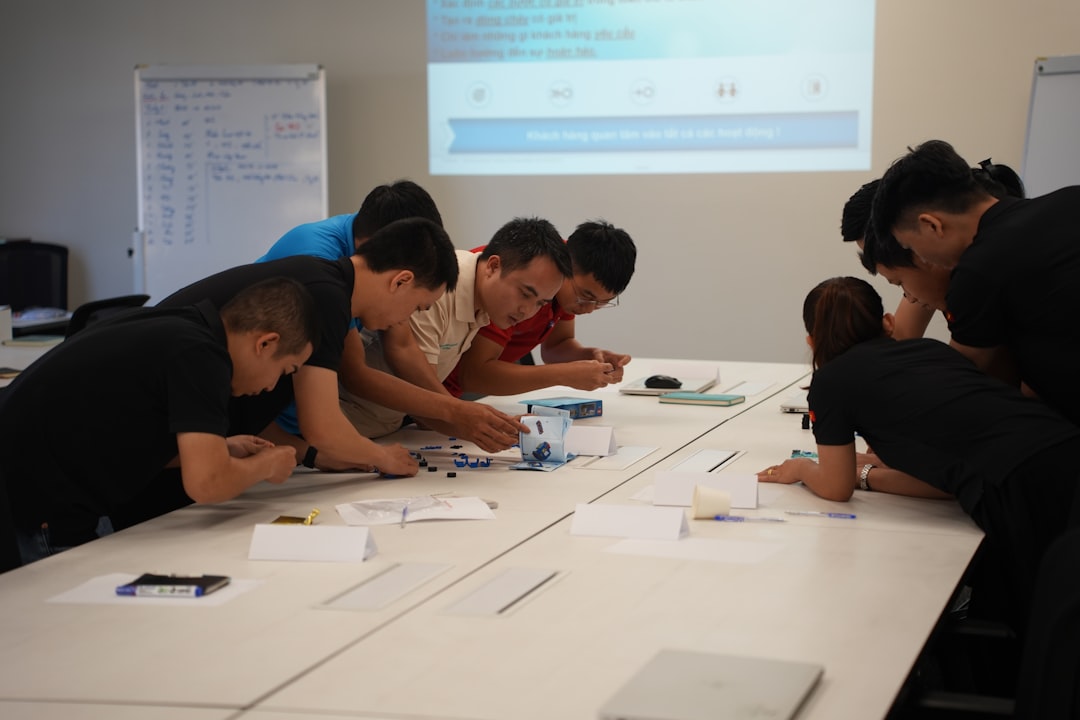
How can GCC organizations build a high-impact corporate learning team? The demand for skilled Training Coordinators and Learning & Development (L&D) professionals is surging across the Gulf. Consequently, companies face intense competition for talent capable of driving workforce upskilling. This comprehensive guide addresses the strategic recruitment and mass staffing of Training Coordinators for L&D departments. Therefore, it provides a roadmap for securing the talent that fuels organizational growth and compliance.
Corporate learning functions are now critical for business agility. Across the UAE, Saudi Arabia, Qatar, and Kuwait, nationalization initiatives and digital transformation demand robust L&D teams. Furthermore, effective training coordinators ensure regulatory compliance, enhance employee performance, and support succession planning. Their role bridges strategic vision with practical execution, making their recruitment a top priority for HR leaders.
At Allianze HR Consultancy, we’ve successfully placed 10,000+ professionals across UAE, Saudi Arabia, Qatar, and Kuwait. Furthermore, our 5+ years of GCC expertise supports clients from 50+ countries. Moreover, our Ministry of External Affairs (India) RA license ensures compliance. Therefore, contact our recruitment specialists for expert guidance on building your corporate learning capability.
Understanding GCC Corporate Learning Requirements
The GCC corporate landscape presents unique challenges for L&D functions. First, rapid economic diversification requires continuous employee reskilling. Second, cultural and linguistic diversity within workforces demands inclusive training design. Additionally, strict labor regulations mandate specific compliance and safety training programs.
Moreover, nationalization policies like Saudi Arabia’s Nitaqat and Emiratization in the UAE prioritize local talent development. Consequently, training coordinators must navigate both technical upskilling and cultural integration. They also manage training logistics across multiple locations. Therefore, their skill set must blend project management, instructional design, and regional regulatory knowledge.
Key competencies for GCC-based L&D staff include:
- Proficiency in digital learning platforms (LMS) and e-learning tools.
- Understanding of GCC labor laws and mandatory training requirements.
- Experience with bilingual (Arabic/English) training material development.
- Ability to coordinate with government bodies for program accreditation.
- Skills in measuring training ROI and aligning programs with business goals.
Success in this role directly impacts workforce readiness and organizational competitiveness. For deeper insights, explore the International Labour Organization employment promotion resources.
Training Coordinators L&D Department Strategic Overview
A strategic approach to staffing your Training Coordinators L&D department is essential. First, define the specific scope of the role within your organization. Will coordinators focus on onboarding, technical skills, leadership development, or compliance? Clearly outlining responsibilities ensures you attract candidates with aligned expertise.
Furthermore, consider the scale of your operation. Mass staffing for large corporations or multi-site operations requires a different recruitment strategy than hiring for a single department. Volume hiring demands efficient screening processes and standardized competency assessments. Additionally, it requires robust onboarding to integrate large cohorts smoothly.
Next, analyze the talent landscape. The GCC draws L&D professionals from global and regional markets. However, sourcing candidates with relevant GCC experience reduces cultural onboarding time. Moreover, leveraging specialized recruitment partners with networks in South Asia and the Arab world can accelerate hiring. They provide access to pre-vetted talent pools familiar with regional nuances.
Finally, integrate your recruitment plan with long-term L&D strategy. Hiring should support future skills requirements and digital learning trends. Therefore, partner with recruiters who understand the evolving corporate training domain. For broader economic context, refer to World Bank labor market insights.
Legal Framework and Compliance Standards
Navigating the legal framework is crucial for L&D staffing in the GCC. Each country has distinct regulations governing employment, training certifications, and work visas. For instance, Saudi Arabia’s Human Resources Development Fund (HRDF) provides support for training nationals. Similarly, the UAE’s Ministry of Human Resources and Emiratisation sets guidelines for employee development.
Compliance begins with the employment contract and visa. Training coordinators, like all expatriate workers, require proper work authorization. Furthermore, certain specialized training roles may need additional approvals or licenses from sector-specific authorities. Therefore, meticulous documentation and adherence to sponsorship laws are non-negotiable.
Additionally, training content itself may require compliance verification. Programs related to safety, healthcare, or finance often need alignment with national standards. Consequently, hiring coordinators with experience in regulatory training is a significant advantage. They ensure programs meet local legal and quality benchmarks from inception.
Partnering with a licensed consultancy mitigates these compliance risks. Allianze HR’s RA license under The Emigration Act, 1983, ensures all placements follow legal protocols. Moreover, we stay updated on changing regulations across all GCC states. For official information, consult the UAE visa and immigration services portal.
Training Coordinators L&D Department Best Practices
Implementing best practices streamlines your Training Coordinators L&D department recruitment. First, develop a competency-based job description. Focus on skills like needs analysis, vendor management, LMS administration, and data reporting. This clarity attracts qualified candidates and sets performance expectations from the start.
Second, utilize structured behavioral interviews. Ask candidates to describe past experiences designing, coordinating, and evaluating training programs. Furthermore, include scenario-based questions relevant to GCC contexts. This approach assesses practical problem-solving abilities and cultural adaptability.
Third, for mass staffing, implement an efficient, multi-stage screening process. Use technology for initial resume filtering and skill assessments. Subsequently, conduct panel interviews to evaluate shortlisted candidates consistently. This ensures fairness and quality when hiring multiple coordinators simultaneously.
Finally, prioritize candidate experience and employer branding. The L&D field values organizations that invest in their own people. A smooth, professional recruitment process reflects your company’s commitment to learning. Therefore, it enhances your appeal to top talent. Explore more professional recruitment resources for continuous improvement.
Documentation and Processing Steps
Accurate documentation is the backbone of successful international recruitment. The process for hiring training coordinators involves several critical steps. Initially, employers must provide a detailed offer letter and employment contract aligned with GCC labor law. These documents outline salary, benefits, probation periods, and termination conditions.
Next, the visa and work permit application process begins. This typically requires attested educational certificates, experience letters, passport copies, and photographs. Moreover, medical fitness tests and security clearances are mandatory in most GCC countries. Consequently, organizing these documents proactively prevents delays.
For mass staffing, batch processing of documentation is essential. A specialized recruitment partner can manage attestations, translations, and submissions for multiple candidates efficiently. Additionally, they track each application’s status across different government portals. This centralized management reduces administrative burden on your HR team.

Finally, ensure all training certifications held by the candidate are verified and recognized in the host country. Some professional training qualifications may require local equivalency certificates. Addressing this early avoids post-arrival complications. For regional regulations, review Saudi Ministry of Labor regulations.
Training Coordinators L&D Department Implementation Timeline
A realistic timeline is vital for planning your Training Coordinators L&D department launch. The end-to-end process typically spans 6 to 10 weeks for individual hires. For mass staffing projects, the timeline may extend to 12-16 weeks due to increased complexity and volume.
Weeks 1-2 involve sourcing and screening. Job posting, candidate search, and initial interviews occur here. Furthermore, this phase includes shortlisting and preliminary assessments. Effective use of recruitment partners can significantly accelerate this stage by tapping into existing talent pools.
Weeks 3-6 focus on documentation and visa processing. This includes contract signing, document attestation, and submission of visa applications. Moreover, medical examinations and security checks are completed. Delays most commonly occur in this phase due to documentation errors or government processing backlogs.
Weeks 7-10 cover final deployment. Successful candidates receive visa stamps, book travel, and undergo pre-departure briefings. Subsequently, they arrive in the host country, complete biometric registration, and receive resident IDs. Finally, a structured onboarding program integrates them into your L&D team. To begin, schedule a consultation appointment with our experts.
Common Challenges and Solutions
Recruiting for L&D roles in the GCC presents specific challenges. First, high demand creates a competitive talent market. Salaries and benefits for skilled training professionals have risen accordingly. Solution: Develop a compelling employer value proposition that highlights career growth, impactful work, and a supportive learning culture.
Second, verifying the quality and relevance of a candidate’s past training experience can be difficult. Solution: Use practical assignments or portfolio reviews during the interview process. Ask for samples of training materials, session plans, or evaluation reports they have created.
Third, cultural fit and language requirements are paramount. Training coordinators must communicate effectively with diverse audiences. Solution: Include language proficiency tests and scenario-based interviews that assess cross-cultural communication skills. Prioritize candidates who demonstrate cultural sensitivity and adaptability.
Finally, managing the logistics of mass onboarding for a new L&D team is complex. Solution: Create a detailed onboarding plan covering systems access, process training, and internal stakeholder introductions. Assign mentors to help new hires navigate the organizational landscape quickly. For global standards, see World Health Organization workplace health guidelines.
Expert Recommendations for Success
To ensure long-term success with your L&D staffing, follow these expert recommendations. First, view recruitment as the first step in a talent development journey. Invest in continuous professional development for your training coordinators. This keeps their skills current and increases retention.
Second, build strategic relationships with specialized recruitment firms. Their market intelligence provides insights on salary benchmarks, available talent, and emerging skill trends. Furthermore, they can act as an extension of your HR team, especially for volume hiring needs.
Third, leverage technology throughout the recruitment and onboarding process. Applicant Tracking Systems (ATS), video interviewing platforms, and digital onboarding portals enhance efficiency. Moreover, they provide a better experience for candidates and hiring managers alike.
Finally, align your L&D recruitment with broader business objectives. Ensure every new hire understands how their role contributes to organizational goals. This strategic alignment fosters engagement and demonstrates the value of the L&D function. For further reading, the U.S. Department of Commerce trade resources offer valuable insights.
Frequently Asked Questions About Training Coordinators L&D Department
What is the timeline for Training Coordinators L&D department recruitment?
Timeline typically ranges 6-10 weeks for single hires and 12-16 weeks for mass staffing projects. Furthermore, documentation preparation and visa processing affect speed. Therefore, consult our specialists for a customized project plan.
What documentation is required for corporate learning team recruitment?
Required documents include attested degrees, experience certificates, passports, and professional training certifications. Additionally, country-specific labor contracts and medical reports are mandatory. Moreover, some roles may require samples of past training work.
What are the key skills to look for in a GCC training coordinator?
Prioritize LMS expertise, instructional design knowledge, project coordination, data analysis, and bilingual communication skills. Furthermore, understanding of local labor laws and nationalization agenda implementation is highly valuable for regional success.
How does Allianze HR ensure quality in mass staffing for L&D?
We employ multi-tiered screening: resume verification, competency-based interviews, and practical assessments. Additionally, we check references thoroughly and validate all professional credentials. Moreover, our GCC expertise ensures candidates understand regional training dynamics.
Can you assist with recruitment for other HR and talent roles?
Absolutely. Our expertise extends to recruiting HR Business Partners, Talent Acquisition Specialists, Organizational Development Managers, and Compensation & Benefits experts across all major industries in the GCC region.
What support do you provide after the candidate is placed?
We offer post-placement support including onboarding check-ins, assistance with initial settlement, and follow-up to ensure candidate and employer satisfaction. Furthermore, we provide insights on retention strategies for critical L&D talent.
Partner with Allianze HR for L&D Talent Success
Building a high-performing Training Coordinators L&D department is a strategic investment. This guide has outlined the pathway from understanding regional requirements to implementing a successful mass staffing plan. The complexities of GCC compliance, competitive talent acquisition, and cultural integration require expert navigation. Therefore, a meticulous approach ensures your corporate learning team drives tangible business results.
Success hinges on precise planning, robust processes, and the right partnerships. Allianze HR Consultancy brings proven expertise in recruiting L&D professionals for the Gulf’s dynamic markets. Our end-to-end service covers sourcing, compliance, logistics, and support. Moreover, our commitment to legal adherence and quality matching protects your investment and employer brand.
Ready to empower your organization with a best-in-class learning function? Let us help you secure the talent that will develop your greatest asset—your people. Take the first step toward a transformative Training Coordinators L&D department by connecting with our dedicated team today.