


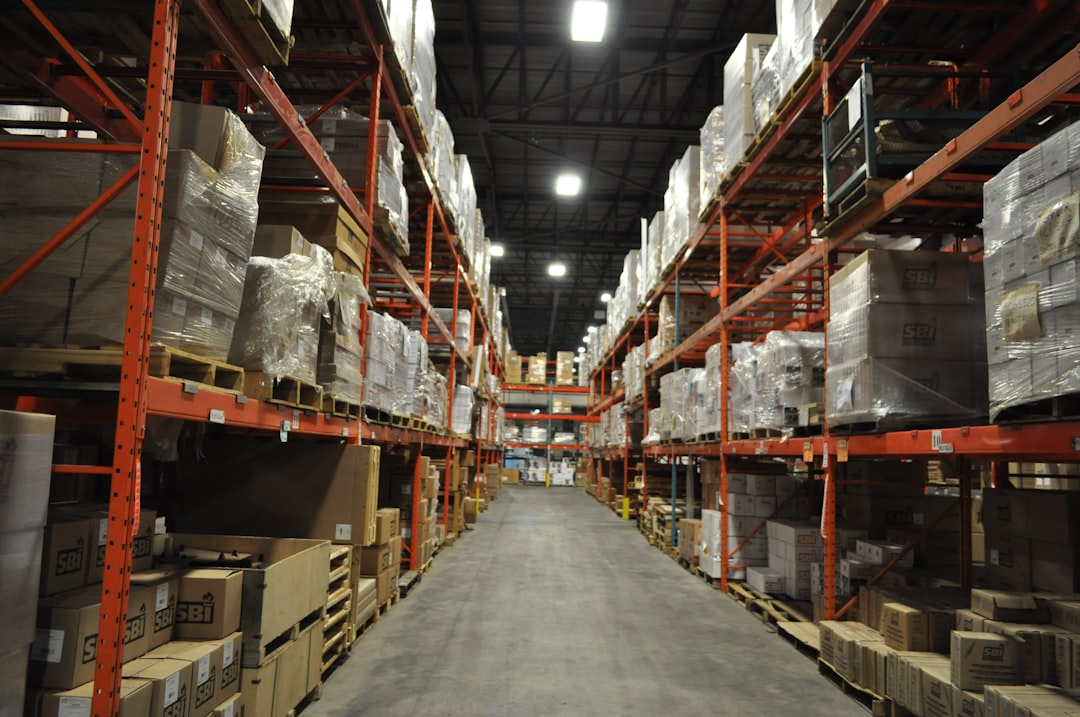
Are you preparing for a large-scale staffing initiative at your regional logistics center? Furthermore, the rapid expansion of e-commerce and supply chain networks across the Gulf is driving unprecedented demand for warehouse talent. Consequently, executing a successful distribution hub warehouse hiring campaign requires meticulous planning and regional expertise. This guide provides a strategic framework for GCC employers to navigate this complex process efficiently.
The GCC logistics sector is experiencing transformative growth. Specifically, mega-projects and free zone developments are creating numerous regional distribution hubs. Moreover, competition for skilled forklift operators, inventory clerks, and warehouse supervisors is intense. Therefore, a proactive and compliant staffing strategy is no longer optional. It is a critical component of operational success and market competitiveness.
At Allianze HR Consultancy, we’ve successfully placed 10,000+ professionals across UAE, Saudi Arabia, Qatar, and Kuwait. Furthermore, our 5+ years of GCC expertise supports clients from 50+ countries. Moreover, our Ministry of External Affairs (India) RA license ensures compliance. Therefore, contact our recruitment specialists for expert guidance on your next large-scale logistics staffing project.
Understanding GCC Logistics Staffing Requirements
Logistics operations in the Gulf have unique staffing demands. First, the climate necessitates specific warehouse designs and worker safety protocols. Second, multilingual teams are often essential for regional distribution hubs. Additionally, shift patterns must align with global shipping and local delivery schedules. Consequently, job descriptions must be precise and culturally attuned.
Key positions in a typical mass hiring initiative include warehouse associates, pickers and packers, inventory control specialists, and logistics coordinators. Furthermore, supervisory roles like shift managers and safety officers are crucial. Each role requires specific skill verification. Therefore, partnering with a recruiter who understands these nuances saves significant time and resources.
Regional variations also exist. For example, Saudi Arabia’s Vision 2030 projects create demand near economic cities. Conversely, the UAE’s free zones like JAFZA and DAFZA have specific labor regulations. Moreover, understanding these local contexts prevents compliance issues. Ultimately, a one-size-fits-all approach to talent acquisition fails in the diverse GCC market.
Distribution Hub Warehouse Hiring Strategic Overview
A strategic distribution hub warehouse hiring plan begins with workforce forecasting. First, analyze projected order volumes and seasonal peaks. Next, map the required headcount against specific skills and certifications. Additionally, consider attrition rates common in high-turnover environments. This data-driven approach forms the foundation of your recruitment campaign.
Effective sourcing channels are vital. Traditional methods may not suffice for volume needs. Therefore, leverage specialized job portals, technical training institutes, and recruitment partners with logistics talent pools. Furthermore, consider pre-screening assessments for physical aptitude and basic numeracy. This ensures candidate quality from the outset.
Onboarding logistics for large groups requires parallel processing. For instance, batch medical screenings and visa applications accelerate deployment. Moreover, coordinated travel and accommodation arrangements are mandatory. A phased implementation timeline manages risk. Consequently, detailed project management distinguishes successful mass hiring from chaotic recruitment.
Legal Framework and Compliance Standards
GCC labor laws strictly govern warehouse employment. Firstly, the International Labour Organization occupational safety standards provide a global baseline. Secondly, local ministries enforce country-specific regulations on working hours, rest periods, and occupational health. Non-compliance results in severe penalties, including operational suspension.
Essential documentation includes attested employment contracts, valid passports, and educational certificates. Additionally, vocational training certificates for equipment operators often require authentication. Furthermore, medical fitness certificates for strenuous work are mandatory. The OSHA warehousing industry standards offer guidelines on safe material handling practices that influence local regulations.
Worker welfare is paramount. GCC regulations mandate suitable accommodation, health insurance, and timely wage payment. Moreover, facilities must comply with safety standards for machinery and storage. Resources from the World Health Organization occupational health division inform these requirements. Proactive compliance protects your company’s reputation and ensures employee retention.
Distribution Hub Warehouse Hiring Best Practices
Implementing distribution hub warehouse hiring best practices ensures efficiency and quality. First, develop standardized role profiles with clear key performance indicators. Next, create a structured interview process with practical assessments. For example, simulate a picking task or inventory count. This objectively evaluates candidate capability beyond the resume.
Technology integration streamlines high-volume recruitment. Applicant Tracking Systems (ATS) manage candidate pipelines effectively. Additionally, video interviewing can pre-screen candidates remotely. Furthermore, digital onboarding platforms centralize document collection. These tools reduce administrative burden and accelerate time-to-hire significantly.
Building a talent pipeline is a strategic best practice. Partner with vocational schools in source countries. Moreover, offer apprenticeship programs to cultivate future supervisors. Additionally, maintain relationships with high-performing temporary workers for permanent roles. This long-term approach mitigates the constant pressure of professional recruitment resources for mass hiring.
Documentation and Processing Steps
The documentation phase is critical for compliance. Initially, collect and attest all candidate educational and experience certificates. Subsequently, draft employment contracts in Arabic and English, as required by law. These contracts must specify wages, working hours, and benefits clearly. Moreover, they must align with the UAE employment regulations or relevant GCC country law.
Visa and work permit processing follows contract signing. This involves submission to the Ministry of Human Resources and Emiratisation (MOHRE) or equivalent authority. Additionally, medical fitness tests and biometric registration are mandatory steps. Furthermore, Emirates ID or national ID applications must be filed. Each step has defined processing times and potential for delay.
Pre-deployment coordination is the final stage. This includes booking group flights, securing accommodation, and planning airport pickups. Moreover, scheduling initial orientation and safety training upon arrival is essential. Consequently, a dedicated project manager should oversee this logistics chain. Proper execution here ensures new hires are productive from day one.
Distribution Hub Warehouse Hiring Implementation Timeline
A realistic distribution hub warehouse hiring implementation timeline spans 6 to 10 weeks. The first two weeks focus on planning and job advertising. Subsequently, candidate screening and interviews occur over weeks three and four. Following this, the documentation and visa process typically requires 3-4 weeks. Finally, deployment and onboarding complete the cycle.
Several factors can extend this timeline. For instance, peak holiday seasons slow government processing. Additionally, specific skill shortages may prolong the sourcing phase. Moreover, incomplete candidate documentation causes significant backlogs. Therefore, building buffer time into your schedule is a prudent risk management strategy.
Effective timeline management requires constant communication. Regular updates with your recruitment partner are vital. Furthermore, transparent communication with candidates manages expectations. Utilizing project management tools tracks each candidate’s status. Consequently, you maintain control over the entire volume hiring process from start to finish.
Common Challenges and Solutions
High candidate dropout rates are a frequent challenge. Often, candidates accept multiple offers. The solution is to maintain an engaged talent pipeline. Regular communication and a streamlined process reduce attrition. Additionally, offering transparent terms builds trust with potential hires from the first contact.
Compliance errors pose significant risk. Misclassified job titles or incorrect contract clauses invite fines. The solution is expert verification. Partner with a consultancy well-versed in GCC labor law. Furthermore, automated compliance checklists within your ATS prevent oversights. Resources from the World Bank trade and logistics reports can provide contextual insights into regional regulatory trends.
Cultural integration challenges can affect team cohesion. New hires may face language barriers and unfamiliar work practices. The solution is a robust onboarding program. This includes cultural orientation, basic language training, and clear standard operating procedures. Moreover, assigning peer mentors accelerates integration and improves retention rates dramatically.
Expert Recommendations for Success
First, treat mass hiring as a strategic project, not just an HR task. Appoint a dedicated project manager with authority. This individual coordinates all internal and external stakeholders. Furthermore, they own the timeline, budget, and quality metrics. Consequently, accountability drives results.
Second, invest in employer branding for the logistics sector. Showcase your warehouse as a modern, safe, and fair workplace. Utilize testimonials from current employees. Moreover, highlight career progression stories. A strong brand attracts higher-quality candidates and reduces sourcing costs over time.
Finally, forge a strategic partnership with a specialized recruitment firm. Their existing talent networks and processing expertise are invaluable. They navigate legal complexities efficiently. Therefore, schedule consultation appointment with a proven partner like Allianze HR. This step transforms a daunting staffing challenge into a manageable, successful operation.
Frequently Asked Questions About Distribution Hub Warehouse Hiring
What is the timeline for distribution hub warehouse hiring?
A complete mass hiring cycle typically takes 6 to 10 weeks. This includes sourcing, screening, documentation, and visa processing. Furthermore, project complexity and government processing speeds affect duration. Therefore, detailed planning with an experienced partner is essential for accurate scheduling.
What are the key roles in logistics center staffing?
Essential roles include warehouse associates, forklift operators, inventory clerks, pickers/packers, shift supervisors, and safety officers. Additionally, specialized positions like logistics coordinators and warehouse managers are crucial for operations. Moreover, each role requires specific skill verification and often certification.
How can we ensure compliance during bulk recruitment?
Ensure compliance by using standardized, ministry-approved contracts. Furthermore, verify all educational and experience certificates through proper attestation channels. Additionally, stay updated on local labor law amendments. Partnering with a licensed consultancy like Allianze HR provides built-in compliance safeguards.
What are common mistakes in warehouse mass hiring?
Common mistakes include unclear job descriptions, inadequate skills testing, poor onboarding planning, and neglecting cultural integration. Additionally, underestimating the administrative burden of visa processing for large groups causes major delays. Consequently, a structured project plan mitigates these risks effectively.
Why is worker welfare critical for retention?
Warehouse work is physically demanding. Proper accommodation, fair working hours, and health insurance are not just legal requirements; they are retention tools. Furthermore, a safe, respectful work environment reduces turnover. Consequently, investing in welfare lowers long-term recruitment and training costs significantly.
How does Allianze HR streamline the mass hiring process?
We leverage our extensive pre-vetted talent database for faster sourcing. Moreover, our in-house processing team handles documentation and visa workflows efficiently. Furthermore, we provide end-to-end project management, from sourcing to deployment. This integrated approach ensures a smooth, compliant, and timely staffing solution.
Partner with Allianze HR for Logistics Staffing Success
Successfully executing a distribution hub warehouse hiring initiative demands expertise, precision, and local knowledge. From strategic planning and legal compliance to efficient deployment, each step impacts your operational readiness. Furthermore, the competitive GCC logistics landscape rewards those who secure talent swiftly and compliantly.
Allianze HR Consultancy delivers end-to-end recruitment solutions for the logistics sector. Our proven methodology ensures you acquire a skilled, compliant, and productive workforce. Moreover, our commitment to ethical recruitment and worker welfare builds sustainable employer brands. Therefore, transform your staffing challenge into a competitive advantage.
Ready to launch your next regional warehouse staffing project? Connect with our specialists for a customized strategy. Contact our HR specialists today to discuss your volume hiring needs and discover how our expertise can drive your logistics operations forward.