


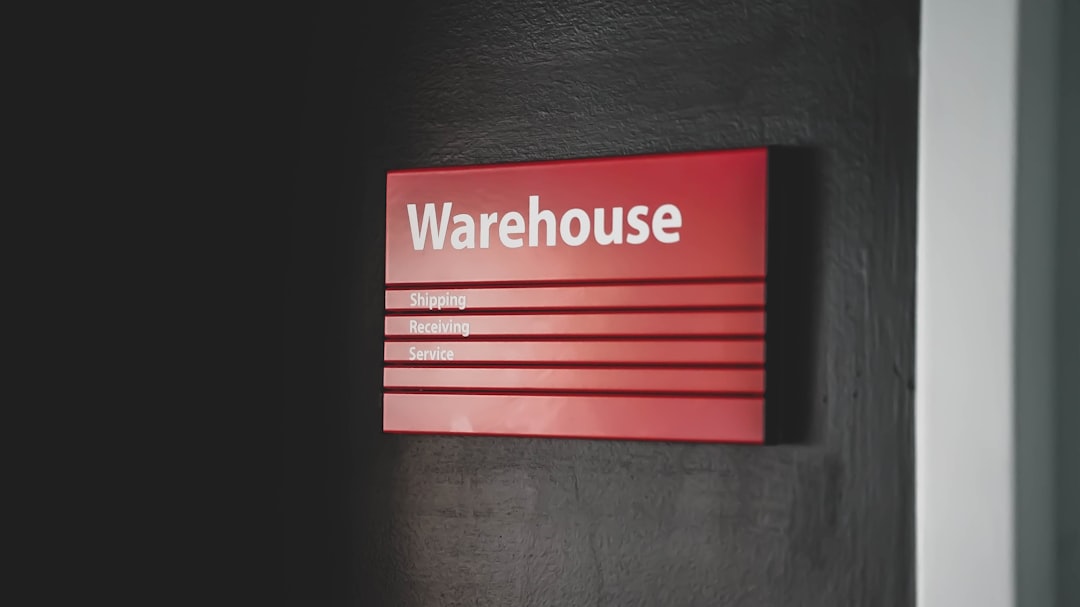
Are you struggling to build a high-performing inbound logistics team in the competitive GCC market? Furthermore, the demand for skilled receiving clerks and warehouse staff continues to surge across the Gulf region. Consequently, developing effective warehouse inbound staffing strategies becomes a critical operational priority. This comprehensive guide provides actionable insights for employers in the UAE, Saudi Arabia, Qatar, and Kuwait.
The logistics and warehousing sector is a cornerstone of GCC economic diversification. Moreover, e-commerce growth and mega-projects drive unprecedented demand for inbound talent. Therefore, strategic workforce planning ensures supply chain resilience and customer satisfaction. Additionally, understanding regional labor dynamics is essential for successful recruitment and retention.
At Allianze HR Consultancy, we’ve successfully placed 10,000+ professionals across UAE, Saudi Arabia, Qatar, and Kuwait. Furthermore, our 5+ years of GCC expertise supports clients from 50+ countries. Moreover, our Ministry of External Affairs (India) RA license ensures compliance. Therefore, contact our recruitment specialists for expert guidance on building your logistics workforce.
Understanding GCC Logistics Workforce Dynamics
The GCC logistics landscape presents unique staffing challenges and opportunities. First, rapid infrastructure development creates constant demand for warehouse personnel. Second, seasonal fluctuations require flexible staffing models. Third, technological adoption demands new skill sets from receiving teams. Consequently, employers must adapt their talent acquisition approaches.
Regional considerations significantly impact inbound staffing. For example, visa regulations vary between free zones and mainland operations. Additionally, cultural and language preferences differ across the Gulf states. Moreover, competition for skilled Arabic-speaking supervisors is particularly intense. Therefore, a nuanced recruitment strategy proves essential for success.
Key roles within an inbound logistics team require clear definition. Specifically, receiving clerks verify shipments against purchase orders. Furthermore, material handlers manage physical movement and storage. Also, inventory controllers ensure accurate system updates. Finally, inbound supervisors coordinate the entire receiving process flow and team performance.
- Analyze peak seasonality for your specific GCC market sector.
- Benchmark compensation against local and industry standards.
- Identify skill gaps related to Warehouse Management Systems (WMS).
- Evaluate the impact of automation on future role requirements.
- Establish clear career progression paths for inbound staff.
- Partner with vocational training centers for pipeline development.
Warehouse Inbound Staffing Strategies Strategic Overview
Effective warehouse inbound staffing strategies begin with comprehensive workforce planning. First, forecast inbound volume based on sales data and inventory turns. Second, analyze historical productivity metrics to determine headcount needs. Third, consider shift patterns that align with carrier delivery schedules. Consequently, data-driven planning prevents both understaffing and costly overstaffing.
Developing a multi-channel talent sourcing plan is crucial. Furthermore, specialized recruitment agencies provide access to pre-vetted candidates. Additionally, employee referral programs leverage existing team networks. Moreover, partnerships with technical institutes create a pipeline of new talent. Therefore, a diversified sourcing approach mitigates hiring risks.
Assessment methodologies must evaluate both hard and soft skills. Specifically, practical tests can gauge attention to detail and process adherence. Moreover, behavioral interviews assess problem-solving in fast-paced environments. Also, language proficiency evaluations ensure clear communication with drivers and suppliers. Hence, a robust selection process identifies top-performing receiving clerks.
- Implement workforce management software for shift optimization.
- Develop competency frameworks for all inbound logistics roles.
- Create realistic job previews to reduce early turnover.
- Establish key performance indicators (KPIs) for receiving efficiency.
- Design cross-training programs to enhance team flexibility.
- Utilize temporary staffing agencies to manage volume spikes.
Legal Framework and Compliance Standards
GCC labor laws establish fundamental requirements for warehouse employment. According to the International Labour Organization standards, all workers deserve fair conditions. Furthermore, each Gulf state has specific regulations governing work hours, safety, and accommodations. Therefore, employers must maintain strict compliance to avoid penalties and operational disruptions.
Visa and immigration processing requires meticulous attention. For instance, the UAE visa and immigration services outline clear procedures. Additionally, medical fitness tests are mandatory for most warehouse roles. Moreover, labor contract attestation through ministries is a non-negotiable step. Consequently, partnering with knowledgeable experts streamlines this complex process.
Occupational health and safety standards are paramount in warehouse settings. The OSHA warehousing industry standards provide a global benchmark. Similarly, the World Health Organization occupational health guidelines inform local protocols. Specifically, proper training on material handling equipment prevents workplace injuries. Hence, compliance protects both workers and business continuity.
- Secure proper work permits and residency visas for all inbound staff.
- Provide mandatory safety induction training in relevant languages.
- Ensure employment contracts clearly state terms as per local law.
- Maintain accurate records of working hours and overtime payments.
- Adhere to mandated break periods and rest day provisions.
- Obtain necessary insurance coverage for workplace accidents.
Warehouse Inbound Staffing Strategies Best Practices
Implementing proven warehouse inbound staffing strategies directly boosts operational efficiency. First, standardize the receiving process to reduce training time and errors. Second, leverage technology like barcode scanners and RFID for accuracy. Third, establish clear communication channels between inbound clerks and procurement teams. Consequently, these practices accelerate dock-to-stock cycles and improve inventory accuracy.
Training and development form the backbone of a skilled inbound team. Furthermore, certified training on equipment like pallet jacks and forklifts is essential. Additionally, regular refreshers on safety protocols reinforce a culture of care. Moreover, soft skills training in communication and problem-solving enhances team coordination. Therefore, continuous investment in human capital yields significant productivity returns.
Performance management systems should align with inbound objectives. Specifically, measure metrics like units received per hour and receiving accuracy. Moreover, implement quality checks to minimize put-away errors. Also, recognize and reward clerks who consistently exceed accuracy targets. Hence, a fair and transparent performance culture motivates the entire logistics team.
- Conduct time-motion studies to optimize receiving bay layouts.
- Implement a buddy system for onboarding new receiving clerks.
- Use digital checklists on tablets to standardize inspection steps.
- Schedule regular team huddles to address process bottlenecks.
- Create a skills matrix to visualize team capabilities and gaps.
- Develop a contingency plan for unexpected staff absenteeism.
Documentation and Processing Steps
Accurate documentation is the lifeblood of efficient inbound operations. First, ensure all receiving clerks are trained on essential paperwork. Second, digital document management systems reduce physical clutter and loss risk. Third, establish clear protocols for handling discrepancies and damaged goods. Consequently, streamlined documentation accelerates the entire goods receipt process.
The employee onboarding process requires careful coordination. Furthermore, prepare all offer letters and employment contracts in advance. Additionally, collect necessary personal documents for visa processing promptly. Moreover, coordinate medical examinations and biometric appointments efficiently. Therefore, a structured onboarding journey improves the new hire experience and reduces time-to-productivity.

Integration with wider supply chain systems is critical. Specifically, ensure your Warehouse Management System (WMS) updates in real-time. Moreover, maintain seamless data flow between inbound logistics and inventory control. Also, establish audit trails for all received shipments to ensure accountability. Hence, technological integration provides end-to-end visibility and control.
- Prepare detailed job descriptions outlining all receiving clerk duties.
- Collect and attest educational and experience certificates.
- Generate comprehensive onboarding checklists for HR and operations.
- Maintain digital files for easy retrieval during audits.
- Establish a clear chain of custody for all signed delivery documents.
- Implement a standardized process for return-to-vendor (RTV) authorizations.
Warehouse Inbound Staffing Strategies Implementation Timeline
A realistic timeline is vital for executing successful warehouse inbound staffing strategies. The planning and analysis phase typically requires two to three weeks. During this period, assess current workflows and forecast future needs. Moreover, secure budget approvals and define role specifications. Consequently, thorough planning prevents costly mid-course corrections.
The recruitment and selection phase generally spans four to six weeks. Furthermore, sourcing candidates through agencies like Allianze HR accelerates this stage. Additionally, screening, interviewing, and practical assessments require careful scheduling. Moreover, visa and document processing for GCC countries adds necessary time. Therefore, proactive timeline management ensures staffing aligns with operational deadlines.
Onboarding and ramp-up complete the implementation cycle. Specifically, orientation and systems training take one to two weeks. Moreover, supervised shadowing with experienced team members ensures competency. Also, performance monitoring during the initial 90 days confirms successful integration. Hence, a structured timeline from hire to full productivity optimizes your investment.
- Weeks 1-3: Workforce planning, job analysis, and budget finalization.
- Weeks 4-6: Active candidate sourcing, screening, and interviews.
- Weeks 7-9: Offer finalization, document collection, and visa filing.
- Weeks 10-11: New hire arrival, medicals, and government processing.
- Weeks 12-13: Company induction, safety training, and process orientation.
- Weeks 14-16: Supervised on-the-job training and performance evaluation.
Common Challenges and Solutions
High turnover among receiving clerks disrupts inbound operations significantly. First, competitive markets in the GCC drive frequent job-hopping. Second, physically demanding work can lead to fatigue and attrition. Third, limited career progression paths reduce long-term retention. Consequently, employers must develop targeted retention strategies to maintain team stability.
Skill gaps present another major hurdle in warehouse staffing. Furthermore, the rapid adoption of new warehouse technologies outpaces training. Additionally, language barriers can hinder communication in multicultural teams. Moreover, finding candidates with both physical stamina and technical aptitude is challenging. Therefore, investing in continuous training and clear communication protocols is essential.
Compliance risks can result in fines and operational shutdowns. According to resources like the Saudi Ministry of Labor regulations, violations carry severe penalties. Similarly, misclassification of workers or improper overtime calculation creates liability. Hence, regular compliance audits and expert guidance are non-negotiable for sustainable operations.
- Challenge: High turnover. Solution: Implement competitive packages and recognition programs.
- Challenge: Skill shortages. Solution: Partner with training providers for upskilling.
- Challenge: Seasonal spikes. Solution: Develop a flexible pool of temporary workers.
- Challenge: Safety incidents. Solution: Enforce strict protocols and daily safety briefings.
- Challenge: System errors. Solution: Provide hands-on WMS training and super-user support.
- Challenge: Communication breakdowns. Solution: Use visual management and multilingual aids.
Expert Recommendations for Success
Adopt a strategic partnership approach with your recruitment provider. First, choose an agency with deep GCC logistics sector experience. Second, ensure they understand the specific nuances of inbound operations. Third, seek partners who offer compliance assurance and post-placement support. Consequently, the right partner becomes an extension of your HR team, driving long-term success.
Embrace technology to augment your human workforce. Furthermore, Warehouse Management Systems (WMS) and mobile scanners reduce manual errors. Additionally, data analytics can predict staffing needs based on historical trends. Moreover, training simulators can safely build equipment operation skills. Therefore, a tech-enabled environment attracts a higher caliber of inbound logistics talent.
Foster a culture of continuous improvement and safety. Specifically, empower receiving clerks to suggest process enhancements. Moreover, celebrate teams that achieve perfect receiving accuracy records. Also, prioritize ergonomic assessments to prevent musculoskeletal disorders. Hence, a positive and safe workplace culture is your strongest retention tool. For more insights, explore our professional recruitment resources.
- Proactively engage with World Bank trade and logistics reports for market insights.
- Benchmark your practices against UAE employment regulations and best practices.
- Conduct regular employee engagement surveys specific to the warehouse team.
- Develop a succession plan for inbound supervisory and management roles.
- Invest in leadership training for team leads to improve people management.
- Schedule regular operational reviews with your HR and recruitment partners.
Frequently Asked Questions About Warehouse Inbound Staffing Strategies
What is the timeline for warehouse inbound staffing strategies?
A full implementation cycle typically takes 14-16 weeks. This includes planning, recruitment, visa processing, and training. Furthermore, GCC-specific procedures can affect the duration. Therefore, consult our specialists for a customized project plan.
What documentation is required for inbound logistics hiring?
Essential documents include attested educational certificates, previous experience letters, passport copies, and photographs. Additionally, employment contracts must comply with local ministry formats. Moreover, medical fitness certificates are mandatory prior to visa stamping.
How can we reduce turnover for receiving clerk positions?
Offer clear career paths, competitive compensation, and regular performance feedback. Furthermore, ensure proper equipment and safe working conditions to reduce physical strain. Moreover, recognize good performance publicly to boost morale and job satisfaction.
How does Allianze HR ensure legal compliance for warehouse staff?
We maintain Ministry-approved RA license status under The Emigration Act, 1983. Additionally, our team monitors GCC labor law changes continuously. Moreover, we conduct thorough documentation verification at every recruitment stage for inbound logistics roles.
Which GCC countries have the highest demand for inbound staff?
The UAE, Saudi Arabia, and Qatar currently show the strongest demand. This is driven by massive logistics hubs, e-commerce growth, and ongoing infrastructure projects. Furthermore, free zones in Dubai and Abu Dhabi are particularly active hiring markets.
What are the key skills to look for in a receiving clerk?
Prioritize attention to detail, basic numerical ability, and physical stamina. Furthermore, familiarity with handheld scanners or WMS is advantageous. Moreover, teamwork and communication skills are crucial for coordinating with drivers and inventory teams.
Partner with Allianze HR for Inbound Staffing Success
Building a reliable and efficient inbound logistics team in the GCC requires specialized expertise. Throughout this