


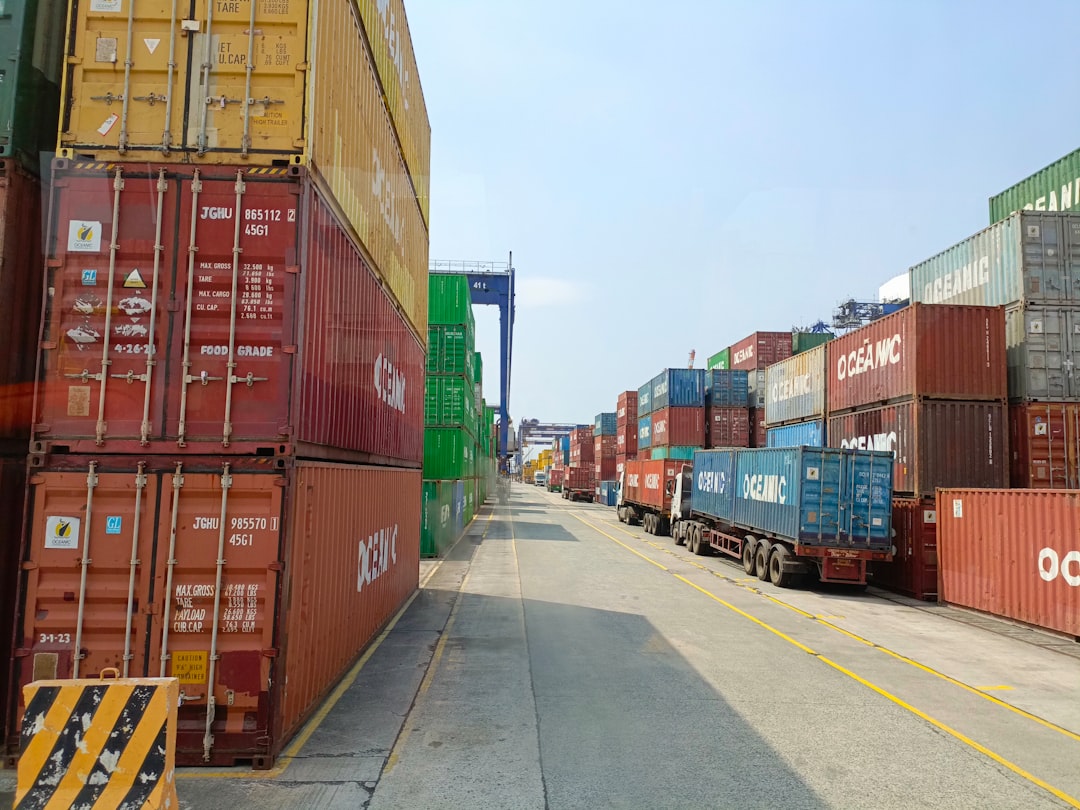
Are you struggling to build a reliable and efficient shipping team for your GCC warehouse? The backbone of any successful logistics operation is its outbound staff. Consequently, effective shipping clerks outbound operations staffing directly impacts customer satisfaction and profitability. This guide provides a strategic framework for warehouse shipping team recruitment. Moreover, it addresses the unique challenges of the Gulf region’s dynamic labor market.
The GCC logistics sector is experiencing unprecedented growth. Therefore, demand for skilled shipping and receiving personnel continues to rise. Furthermore, regional competition for talent is intense. Employers must navigate complex visa regulations and cultural expectations. Additionally, understanding the specific skills for outbound operations is crucial. These include order verification, documentation, and carrier coordination. A strategic approach ensures you secure a team that drives operational excellence.
At Allianze HR Consultancy, we’ve successfully placed 10,000+ professionals across UAE, Saudi Arabia, Qatar, and Kuwait. Furthermore, our 5+ years of GCC expertise supports clients from 50+ countries. Moreover, our Ministry of External Affairs (India) RA license ensures compliance. Therefore, contact our recruitment specialists for expert guidance on building your ideal shipping department.
Understanding GCC Warehouse Staffing Requirements
Logistics operations in the Gulf require a nuanced staffing strategy. First, the region’s role as a global trade hub demands high efficiency. Second, local labor laws, like Emiratization and Saudization, mandate specific hiring quotas. Third, seasonal peaks, such as Ramadan and holiday sales, create fluctuating demand. Therefore, a flexible staffing model is essential for warehouse shipping team recruitment.
Furthermore, technical skills are only part of the equation. Successful shipping clerks need proficiency in English and Arabic for documentation. Additionally, they must understand regional shipping regulations and customs procedures. Familiarity with major ports like Jebel Ali, King Abdullah Port, and Hamad Port is advantageous. Moreover, adaptability to fast-paced environments is non-negotiable. Consequently, a comprehensive candidate profile extends beyond basic job descriptions.
Key competencies for GCC shipping clerks include:
- Accuracy in order picking, packing, and documentation.
- Experience with Warehouse Management Systems (WMS) and barcode scanners.
- Knowledge of international shipping documentation (BOL, Commercial Invoices).
- Ability to coordinate with freight forwarders and courier services like Aramex and DHL.
- Understanding of GCC-specific safety and compliance standards in logistics.
Finally, cultural fit ensures team cohesion and reduces turnover. Therefore, assessing a candidate’s adaptability to the regional work culture is vital. Partnering with a specialist recruiter streamlines this entire process.
Shipping Clerks Outbound Operations Staffing Strategic Overview
A strategic approach to shipping clerks outbound operations staffing transforms your logistics function. First, define clear roles: Shipping Clerk, Outbound Supervisor, and Documentation Specialist. Next, map the talent supply from key source countries. Typically, skilled candidates come from India, the Philippines, Nepal, and Sri Lanka. Moreover, each source offers different skill sets and experience levels. Therefore, a targeted sourcing strategy improves candidate quality.
Additionally, technology integration is now fundamental. Modern warehouses use RFID, IoT, and advanced WMS platforms. Consequently, your staffing plan must include digital literacy requirements. Furthermore, training programs should bridge any skill gaps upon hiring. This proactive upskilling ensures your team operates at peak efficiency. It also future-proofs your operations against technological disruption.
Budget planning is another critical component. Consider all cost factors:
- Recruitment agency fees and visa processing costs.
- Competitive salary packages and end-of-service benefits.
- Accommodation, transportation, and health insurance as per GCC law.
- Investment in ongoing training and safety equipment.
Finally, establish key performance indicators (KPIs) for your outbound team. Metrics like order accuracy, on-time shipment rate, and damage claims are essential. Monitoring these KPIs helps evaluate your staffing strategy’s effectiveness. Regular reviews allow for continuous improvement in your operations.
Legal Framework and Compliance Standards
Navigating GCC labor law is critical for compliant warehouse hiring. Each country has distinct regulations. For example, UAE’s visa and immigration services portal outlines employer obligations. Similarly, Saudi Arabia’s Ministry of Labor regulations govern work permits and contracts. Non-compliance results in severe fines and operational delays. Therefore, meticulous adherence is non-negotiable.
Furthermore, international standards provide a safety baseline. The International Labour Organization occupational safety guidelines are widely recognized. Additionally, OSHA warehousing industry standards offer best practices for material handling. Implementing these standards protects your workforce and reduces liability. Moreover, it demonstrates corporate responsibility to clients and partners.
Key compliance documents for shipping staff include:
- Labor contract in Arabic and English, signed by both parties.
- Valid work permit and residency visa (Iqama/GCC equivalent).
- Medical fitness certificate from approved GCC health centers.
- Educational and experience certificate attestation from home country and GCC embassies.
- Proof of health insurance coverage as mandated by local law.
Finally, stay updated on regulatory changes. GCC governments frequently update policies to boost economic diversification. Consequently, your HR team or recruitment partner must monitor these developments. Proactive compliance management ensures seamless warehouse shipping team recruitment and operations.
Shipping Clerks Outbound Operations Staffing Best Practices
Implementing best practices elevates your shipping clerks outbound operations staffing from transactional to strategic. First, develop a competency-based interview framework. Move beyond reviewing resumes. Instead, conduct practical assessments. For example, simulate order processing or documentation error identification. This approach reveals true capability and problem-solving skills. Moreover, it reduces mis-hires that disrupt warehouse flow.
Secondly, prioritize candidate experience throughout the recruitment journey. A positive process enhances your employer brand. Furthermore, it increases offer acceptance rates in a competitive market. Communicate clearly about the role, location, and benefits. Additionally, provide timely updates to candidates. This respectful treatment builds goodwill, even with unsuccessful applicants. Consequently, they may become future candidates or brand advocates.
Thirdly, integrate technology into your hiring process. Use applicant tracking systems (ATS) to manage candidate pipelines efficiently. Additionally, leverage video interviewing for initial screenings, especially for overseas candidates. This saves time and resources. Moreover, data analytics can identify the most successful sourcing channels for logistics talent. Therefore, you can allocate your recruitment budget more effectively.
Essential best practices include:
- Structured onboarding with buddy systems for new shipping clerks.
- Clear career progression paths to reduce turnover and boost morale.
- Regular safety training aligned with WHO occupational health principles.
- Performance incentives tied to accuracy and efficiency metrics.
- Cross-training staff in multiple outbound functions for operational flexibility.
Ultimately, these practices create a high-performance culture. They ensure your shipping team is skilled, engaged, and compliant.
Documentation and Processing Steps
Accurate documentation is the linchpin of successful international hiring. The process begins with obtaining a quota approval or work permit from the local Ministry of Labor. Next, prepare the employment contract. This contract must detail working hours, salary, benefits, and termination conditions. Furthermore, it must comply with GCC-specific clauses, such as probation periods and gratuity calculations. Therefore, legal review is essential.

Subsequently, the candidate begins the visa application in their home country. This involves medical tests, police clearance, and document attestation. Moreover, educational and experience certificates require authentication from the home country’s Foreign Ministry and the GCC embassy. This attestation chain validates the candidate’s qualifications. Consequently, starting this process early prevents project delays.
Once the employee arrives, additional steps are required. These include:
- Medical screening at GCC-approved health centers.
- Biometric registration and Emirates ID/Iqama card processing.
- Opening a local bank account for salary transfers.
- Labor contract stamping with the Ministry of Human Resources.
- Mandatory health and safety orientation specific to warehouse environments.
Finally, maintain organized records for every employee. Audit-ready documentation is crucial for license renewals and compliance checks. Additionally, it simplifies the process for visa renewals or employee transfers. A dedicated HR team or a partner like Allianze manages this complexity. Thus, you can focus on core logistics operations.
Shipping Clerks Outbound Operations Staffing Implementation Timeline
A realistic timeline is crucial for planning your warehouse expansion. The entire cycle for shipping clerks outbound operations staffing typically spans 6 to 10 weeks. However, this varies by GCC country and candidate nationality. First, the sourcing and selection phase takes 2-3 weeks. This includes advertising, screening, interviewing, and making an offer. Furthermore, candidate notice periods can add extra time. Therefore, clear communication about start dates is vital.
Next, the documentation and visa processing phase requires 3-4 weeks. This is often the most variable stage. Delays can occur due to embassy backlogs or additional document requests. Moreover, medical test results and police clearances have their own processing times. Consequently, building buffer time into your project plan is wise. It prevents operational disruptions due to staffing gaps.
Finally, the mobilization and onboarding phase takes 1-2 weeks. This includes travel arrangements, initial accommodation, and government formalities upon arrival. Additionally, role-specific training ensures the new hire is productive quickly. A structured onboarding program, including site orientation and system training, accelerates integration. Therefore, the new shipping clerk can contribute to outbound operations faster.
Key timeline milestones include:
- Week 1-2: Job specification finalization and recruitment campaign launch.
- Week 3-4: Candidate interviews, assessments, and job offer.
- Week 5-7: Document attestation, visa stamping, and medical checks.
- Week 8: Employee travel to GCC and biometric registration.
- Week 9-10: Onboarding, safety training, and full deployment to the warehouse floor.
Partnering with an experienced recruiter like Allianze HR can streamline this timeline. Our expertise minimizes delays and ensures a smooth staffing implementation.
Common Challenges and Solutions
Employers face several hurdles in warehouse shipping team recruitment. First, high turnover in logistics roles disrupts continuity. The solution involves creating attractive career paths and a positive work environment. Furthermore, offering skill development opportunities increases retention. Additionally, competitive compensation packages that include performance bonuses are essential. Therefore, addressing employee satisfaction directly reduces turnover.
Secondly, compliance risks pose a significant threat. Mistakes in visa categories or contract details lead to penalties. The solution is partnering with a licensed recruitment agency. For example, Allianze’s RA license ensures adherence to The Emigration Act. Moreover, our team stays current on all GCC labor law amendments. Consequently, your staffing remains fully compliant, avoiding legal complications.
Thirdly, skill gaps between candidate profiles and operational needs are common. The solution is implementing robust assessment techniques. Combine technical testing with behavioral interviews. Additionally, invest in post-hiring training programs. These programs bridge specific gaps in WMS knowledge or regional documentation procedures. Therefore, you build a capable team ready for GCC logistics challenges.
Other challenges and proactive solutions include:
- Challenge: Seasonal demand spikes causing understaffing. Solution: Develop a pool of pre-vetted temporary workers.
- Challenge: Cultural and language barriers within diverse teams. Solution: Conduct mandatory cultural integration and basic language training.
- Challenge: Rising recruitment costs. Solution: Optimize sourcing channels using data and explore professional recruitment resources for efficiency.
- Challenge: Ensuring workplace safety in a fast-paced environment. Solution: Regular audits and training based on World Bank trade and logistics best practices.
Anticipating these challenges allows for strategic planning. It transforms potential obstacles into managed processes.
Expert Recommendations for Success
To build a world-class shipping department, adopt a long-term strategic view. First, treat your outbound staff as a critical asset, not a cost center. Invest in their development and well-being. Furthermore, this investment yields returns in efficiency, accuracy, and customer loyalty. Moreover, engaged employees are more likely to identify process improvements. Therefore, fostering a culture of continuous improvement is paramount.
Secondly, leverage technology not just in operations, but in recruitment. Use data analytics to track the source and performance of your best hires. Additionally, implement employee engagement tools to monitor morale. This data-driven approach allows for informed decisions about your staffing strategy. Consequently, you can continuously refine your warehouse shipping team recruitment process.
Thirdly, build strong partnerships. This includes relationships with reliable recruitment firms, training providers, and logistics technology vendors. A trusted recruitment partner acts as an extension of your HR team. They manage the complexities of international hiring, from sourcing to compliance. Thus, you gain access to a wider talent pool and administrative expertise.
Final expert recommendations include:
- Benchmark salaries and benefits regularly against the GCC market to remain competitive.
- Develop a clear employer value proposition that highlights career growth and stability.
- Ensure all HR practices align with UAE employment regulations and broader GCC standards.
- Schedule regular consultation appointments with HR specialists to review your staffing strategy.
- Promote from within whenever possible to motivate your existing warehouse team.
By following these recommendations, you create a resilient and high-performing outbound operations team.
Frequently Asked Questions About Shipping Clerks Outbound Operations Staffing
What is the timeline for shipping clerks outbound operations staffing?
The complete timeline typically ranges from 6 to 10 weeks. This includes sourcing, documentation, visa processing, and mobilization. Furthermore, factors like candidate nationality and specific GCC country regulations affect duration. Therefore, consult our specialists for a precise project plan.
What documentation is required for warehouse team recruitment?
Essential documents include attested educational certificates, experience letters, a valid passport, and a medical fitness report. Additionally, a labor contract compliant with local law and a job offer letter are mandatory. Moreover, police clearance certificates may be required depending on the role and country.
How can I reduce turnover in my shipping department?
Reducing turnover involves competitive compensation, clear career paths, and a positive work environment. Furthermore, providing proper training and recognizing good performance boosts morale. Additionally, ensuring compliance with all ILO standards for fair treatment is fundamental.