


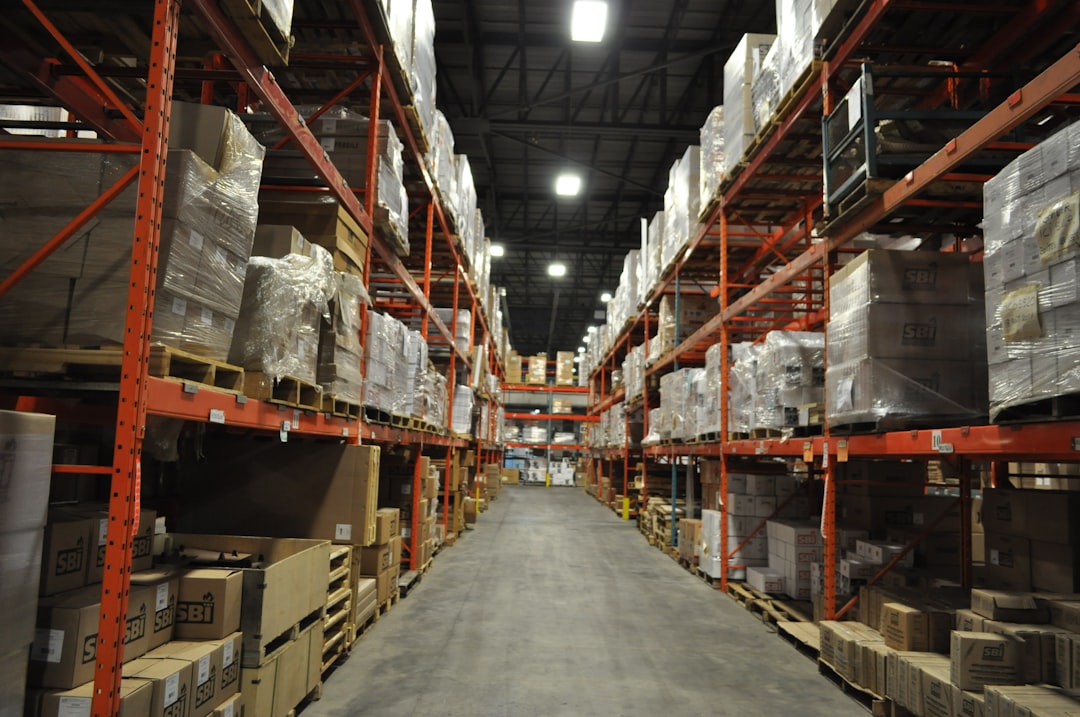
How can logistics and warehouse operations in the GCC ensure both peak efficiency and unwavering safety compliance? The region’s booming e-commerce and logistics sectors demand specialized expertise. Consequently, building robust safety and compliance teams is no longer optional. It is a critical business imperative. This guide explores the strategic recruitment of safety coordinators warehouse compliance professionals. We provide a roadmap for GCC employers to build resilient, legally sound operations.
The GCC logistics landscape presents unique challenges. Extreme temperatures, complex supply chains, and stringent national regulations intersect. Therefore, a proactive approach to occupational health and safety (OHS) is essential. Moreover, effective safety coordinators directly impact operational continuity, worker welfare, and corporate reputation. They are the frontline defense against incidents and regulatory penalties.
At Allianze HR Consultancy, we’ve successfully placed 10,000+ professionals across UAE, Saudi Arabia, Qatar, and Kuwait. Furthermore, our 5+ years of GCC expertise supports clients from 50+ countries. Moreover, our Ministry of External Affairs (India) RA license ensures compliance. Therefore, contact our recruitment specialists for expert guidance on building your safety leadership team.
Understanding GCC Warehouse Safety Imperatives
Warehouse operations in the Gulf face distinct environmental and regulatory pressures. High temperatures increase risks like heat stress and equipment failure. Additionally, rapid sector growth often outpaces local talent development. This creates a significant skills gap. Consequently, employers must look beyond basic qualifications. They need professionals who understand regional nuances.
Furthermore, GCC nations are continuously elevating their labor and safety standards. For instance, Saudi Arabia’s Vision 2030 emphasizes world-class workplace safety. Similarly, the UAE’s employment regulations mandate strict OHS protocols. Therefore, a coordinator’s role extends beyond checklist enforcement. They must be cultural ambassadors and change agents. They bridge international best practices with local implementation.
Key operational risks in GCC warehouses include:
- Material handling injuries from forklifts and manual lifting.
- Slip, trip, and fall hazards in high-activity zones.
- Fire risks associated with storage of diverse goods.
- Heat-related illnesses during summer months.
- Compliance gaps with evolving national OHS codes.
Addressing these requires a dedicated, knowledgeable team. Proactive talent acquisition is the first strategic step.
Safety Coordinators Warehouse Compliance Strategic Overview
A strategic approach to safety coordinators warehouse compliance recruitment is vital. It transforms safety from a cost center to a value driver. First, define the role’s scope within your organizational structure. Will they report to operations, HR, or a dedicated HSE department? Clear reporting lines empower effectiveness. Next, identify the specific risks in your facility. A cold storage warehouse has different needs than an e-commerce fulfillment center.
Moreover, the ideal candidate blend is crucial. They need technical knowledge of warehousing equipment and processes. Additionally, they require soft skills for training diverse workforces. Furthermore, familiarity with GCC labor laws is non-negotiable. Therefore, your recruitment process must assess all three domains. Generic hiring approaches will yield inadequate results.
Key strategic recruitment objectives should include:
- Building a team that prevents incidents and ensures business continuity.
- Ensuring 100% adherence to local regulations like Saudi Ministry of Labor guidelines.
- Fostering a pervasive culture of safety among all staff levels.
- Reducing insurance premiums and costs linked to workplace accidents.
- Enhancing your brand as a responsible employer in the competitive GCC market.
Consequently, a meticulous recruitment strategy is your foundation for success.
Legal Framework and Compliance Standards
Navigating the GCC’s legal landscape is complex. Each country has its own ministry decrees and OHS codes. For example, the UAE operates under Federal Law No. 8 of 1980. Meanwhile, Qatar enforces the International Labour Organization conventions it has ratified. Therefore, your safety coordinators must be versed in the specific laws of their operation country. Generic international knowledge is insufficient.
Furthermore, compliance involves continuous documentation and reporting. Safety coordinators oversee incident logs, inspection reports, and training records. These documents are critical during government audits. Additionally, they manage relationships with civil defense and other regulatory bodies. Proactive engagement with authorities smoothens operations. Conversely, reactive approaches lead to fines and shutdowns.
Core compliance areas for warehouse teams include:
- Workplace Hazard Identification and Risk Assessment (HIRA).
- Emergency preparedness and fire safety plan execution.
- Mandatory personal protective equipment (PPE) provision and use.
- Regular machinery and equipment safety inspections.
- Compliance with World Health Organization guidelines on occupational health.
Thus, legal acumen is as important as technical safety knowledge for these roles.
Safety Coordinators Warehouse Compliance Best Practices
Implementing best practices elevates your safety coordinators warehouse compliance program from adequate to exemplary. First, integrate safety planning into every operational decision. This is called “safety by design.” For example, layout new storage racks with clear aisle markings from the start. Next, empower your coordinators with data. Use technology for incident tracking and trend analysis. This moves the team from reactive to predictive safety management.
Moreover, continuous training is non-negotiable. Safety protocols and equipment evolve. Therefore, regular upskilling keeps your team current. Additionally, foster transparent communication. Workers must feel safe reporting near-misses without fear. Consequently, your coordinators must build trust across language and cultural barriers. This is especially critical in the GCC’s multicultural workforce.
Proven best practices for warehouse safety teams include:
- Conducting daily safety briefings and weekly toolbox talks.
- Implementing a permit-to-work system for high-risk tasks.
- Using OSHA warehousing industry standards as a benchmark for excellence.
- Establishing a joint safety committee with worker representation.
- Regularly auditing subcontractors and third-party service providers on-site.
Ultimately, best practices create a self-reinforcing cycle of safety improvement.
Documentation and Processing Steps
Robust documentation is the backbone of any compliance program. The recruitment and deployment of safety specialists itself requires meticulous paperwork. First, the employment contract must explicitly outline OHS responsibilities. It should also reference relevant national laws. Next, credential verification is critical. Certifications from institutions like NEBOSH or IOSH must be attested. This process validates the candidate’s expertise.
Furthermore, visa processing for safety professionals follows GCC immigration protocols. This includes medical fitness tests and security clearances. Additionally, the coordinator may need specific government approvals or licenses to practice. For instance, some Emirates require safety officers to be registered with local authorities. Therefore, your HR or recruitment partner must manage these bureaucratic steps precisely.
Essential documentation for recruitment and operation includes:
- Attested educational degrees and professional safety certificates.
- Ministry-approved employment contract and offer letter.
- Comprehensive job description detailing compliance duties.
- Safety manuals, SOPs, and emergency response plans.
- Training attendance records and competency assessment reports.
Proper documentation prevents legal disputes and ensures smooth regulatory audits.
Safety Coordinators Warehouse Compliance Implementation Timeline
A realistic timeline is crucial for successful safety coordinators warehouse compliance team deployment. Rushing the process risks hiring mismatched talent. Conversely, delays expose operations to risk. Typically, the end-to-end timeline spans 6 to 10 weeks. This depends on the candidate’s location and specific GCC country requirements. First, the sourcing and screening phase takes 2-3 weeks. This includes technical interviews and background checks.
Next, the offer acceptance and documentation collection stage requires 1-2 weeks. Subsequently, visa and work permit processing consumes 3-5 weeks. This varies by nationality and destination country. Finally, onboarding and site-specific orientation takes another 1-2 weeks. Therefore, strategic workforce planning is essential. Anticipate your safety staffing needs well before operational launches or audits.
Key phases in the implementation timeline:
- Weeks 1-3: Role definition, market sourcing, and candidate interviews.
- Weeks 4-5: Offer finalization, document attestation, and contract signing.
- Weeks 6-9: Government processing for visa, work permit, and Emirates ID.
- Week 10: Travel, final medical, and comprehensive onboarding program.
- Ongoing: Continuous performance monitoring and professional development.
Partnering with an expert recruiter like Allianze can streamline and accelerate this timeline significantly.
Common Challenges and Solutions
Employers face several hurdles when building safety teams. First, the talent pool for bilingual or multilingual safety professionals is limited. Many technical experts lack Arabic or Urdu language skills. This hinders effective communication with frontline workers. Solution: Prioritize candidates with multicultural work experience. Alternatively, pair a technical expert with a strong local assistant.
Another challenge is high turnover. Skilled safety coordinators are in high demand. Consequently, they receive frequent competitive offers. Solution: Develop a compelling value proposition beyond salary. Offer clear career progression, continuous training, and a genuine safety culture. Furthermore, regulatory changes can be sudden. This leaves teams scrambling to comply. Solution: Subscribe to official ministry updates. Also, leverage your recruitment partner’s compliance network for early insights.
Additional challenges and proactive solutions:
- Challenge: Integrating safety with operational speed and KPIs.
Solution: Demonstrate how safety prevents costly downtime, aligning it with productivity goals. - Challenge: Managing safety across subcontractors and temporary staff.
Solution: Include strict OHS clauses in all third-party contracts and conduct mandatory inductions. - Challenge: Budget constraints for safety technology and training.
Solution: Start with high-impact, low-cost interventions. Use professional recruitment resources to find cost-effective talent.
Anticipating these challenges allows for resilient planning and successful team integration.
Expert Recommendations for Success
To build a world-class safety function, follow these expert recommendations. First, involve your future safety coordinator in the recruitment process for warehouse staff. Their insight on candidate safety awareness is invaluable. Second, invest in certification. Support your team in obtaining GCC-recognized credentials. This boosts their authority and your organization’s credibility.
Moreover, leverage technology. Use digital checklists, drone roof inspections, and wearable safety devices. These tools enhance monitoring efficiency. Additionally, benchmark against global leaders. Study reports from the World Bank on logistics and supply chain resilience. Adapt their best practices to the GCC context. Finally, celebrate safety successes publicly. Recognizing teams for incident-free milestones reinforces positive behavior.
Actionable recommendations for employers:
- Conduct a thorough safety culture assessment before hiring to identify specific gaps.
- Define clear KPIs for your safety coordinators, focusing on leading indicators (like training completed) not just lagging ones (like incidents).
- Foster direct communication channels between safety staff and top management.
- Regularly review and update safety protocols based on incident learnings and new ILO guidelines.
- Schedule consultation appointment with GCC recruitment specialists to tailor your strategy.
These steps ensure your investment in safety leadership delivers maximum return.
Frequently Asked Questions About Safety Coordinators Warehouse Compliance
What is the timeline for safety coordinators warehouse compliance recruitment?
Timeline typically ranges 6-10 weeks depending on country requirements. Furthermore, documentation preparation affects processing speed. Therefore, consult our specialists for accurate estimates based on candidate nationality and destination.
What qualifications should a warehouse safety specialist possess?
Ideal candidates hold certifications like NEBOSH or IOSH. Additionally, they need hands-on warehouse experience. Moreover, knowledge of local GCC labor laws is essential. Fluency in English and a relevant second language is a major advantage for team communication.
How do GCC safety regulations differ between countries?
Regulations vary significantly. For example, Saudi Arabia’s OSH requirements under Vision 2030 are extensive. Conversely, UAE regulations can differ between Emirates. Therefore, specialists must be trained in the specific country’s legal framework where they will work.
What are the key performance indicators for a safety coordinator?
Key KPIs include reduction in incident rates, training completion percentages, audit compliance scores, and near-miss reporting rates. Furthermore, leading indicators like safety inspection closures are critical for proactive performance measurement.
Can Allianze HR assist with temporary or contract safety staffing?
Yes, we provide flexible staffing solutions for project-based needs, audits, or peak seasons. Our network includes professionals available for short-term contracts or interim leadership roles to ensure continuous compliance coverage.
How does technology impact modern warehouse safety coordination?
Technology is transformative. Wearables monitor worker vitals. Drones inspect hard-to-reach areas. Furthermore, digital management systems track permits and training. Therefore, modern coordinators need proficiency with these tools to enhance traditional safety practices effectively.
Partner with Allianze HR for Safety Recruitment Success
Building an effective safety coordinators warehouse compliance team is a strategic investment. It protects your workforce, ensures operational continuity, and safeguards your corporate reputation. Throughout this guide, we’ve highlighted the need for specialized recruitment, deep legal knowledge, and cultural competence. These elements combine to create a robust safety culture that thrives in the GCC’s dynamic environment.
Moreover, the complexity of regional regulations makes expert partnership invaluable. Attempting to navigate visa processing, credential verification, and market sourcing alone consumes valuable time. Consequently, it increases the risk of non