


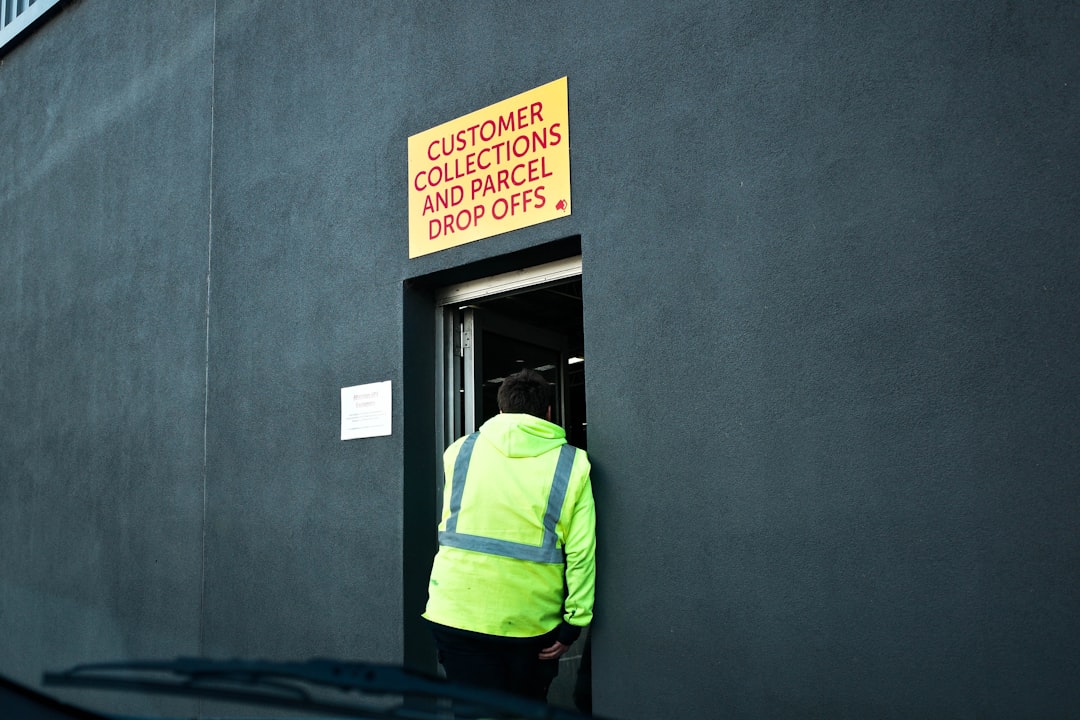
How can logistics and warehouse operators in the GCC protect valuable inventory and assets from escalating security threats? The answer lies in strategic warehouse security guard recruitment. This specialized hiring process is fundamental for property protection and operational continuity. Furthermore, building a reliable logistics security team requires deep regional expertise. Therefore, this guide provides a comprehensive framework for success.
The GCC’s booming e-commerce and logistics sectors face unique vulnerabilities. High-value goods, expansive facilities, and complex supply chains create significant risks. Consequently, effective security personnel are not just guards but critical risk managers. Moreover, regional labor laws and cultural expectations add layers of complexity. Understanding these nuances is essential for building a team that deters theft, ensures safety, and maintains compliance.
At Allianze HR Consultancy, we’ve successfully placed 10,000+ professionals across UAE, Saudi Arabia, Qatar, and Kuwait. Furthermore, our 5+ years of GCC expertise supports clients from 50+ countries. Moreover, our Ministry of External Affairs (India) RA license ensures compliance. Therefore, contact our recruitment specialists for expert guidance on securing your logistics assets.
Understanding GCC Logistics Security Challenges
Logistics hubs in the Gulf face distinct operational risks. These include internal pilferage, cargo theft, and unauthorized access. Additionally, 24/7 operations in harsh climates demand resilient personnel. Therefore, security strategies must address both human and environmental factors. A thorough risk assessment forms the foundation of any protection plan.
Common vulnerabilities in regional warehouses include perimeter breaches and inadequate surveillance. Furthermore, high employee turnover can compromise established protocols. Consequently, recruitment must focus on integrity and vigilance. Employers should prioritize candidates with proven experience in similar environments. This ensures they understand the specific pressures of warehouse operations.
Regional regulations also dictate specific security standards. For instance, certain free zones mandate minimum guard-to-area ratios. Moreover, compliance with International Labour Organization occupational safety standards is crucial. Understanding these frameworks prevents legal complications. It also promotes a culture of safety and accountability within the workforce.
- Internal and external theft prevention protocols.
- Fire safety and hazardous material handling knowledge.
- Access control system operation and monitoring.
- CCTV surveillance and patrol reporting procedures.
- Emergency response and crisis management training.
- Cultural and language skills for effective communication.
Warehouse Security Guard Recruitment Strategic Overview
A strategic approach to warehouse security guard recruitment transforms a cost center into a value asset. This process begins with a detailed job analysis. Specifically, define the roles, responsibilities, and required competencies. Moreover, consider the warehouse’s size, shift patterns, and inventory value. Consequently, you create a targeted candidate profile that aligns with operational needs.
Effective sourcing channels are critical for quality candidates. These include specialized security staffing agencies and regional job portals. Additionally, referrals from existing reliable staff can yield trustworthy applicants. Furthermore, partnerships with training institutes ensure a pipeline of certified personnel. This multi-channel strategy widens the talent pool significantly.
The selection process must be rigorous and multi-stage. Initial screening should verify legal work status and basic qualifications. Subsequent stages should include thorough background checks and integrity assessments. Moreover, practical evaluations of vigilance and problem-solving are essential. This comprehensive vetting, guided by OSHA warehousing industry standards, ensures only the most capable candidates proceed.
- Develop competency-based job descriptions and specifications.
- Utilize pre-employment integrity and aptitude testing.
- Conduct in-depth interviews focusing on scenario responses.
- Verify all previous employment and certification claims.
- Implement a probation period with performance metrics.
- Plan for continuous training and career progression paths.
Legal Framework and Compliance Standards
Navigating the GCC’s legal landscape is non-negotiable for security staffing. Each country has specific regulations governing security personnel licensing. For example, UAE requires guards to obtain a Security Industry Regulatory Agency (SIRA) license. Similarly, Saudi Arabia has its own stringent certification processes through the Ministry of Interior. Therefore, employers must verify all mandatory licenses are current and valid.
Labor laws dictate working hours, overtime, and accommodation standards. Specifically, the UAE employment regulations and KSA’s Labor Law outline clear provisions. These include rest periods, end-of-service benefits, and contract terms. Non-compliance can result in heavy fines and operational shutdowns. Consequently, legal adherence protects both the company and its workers.
Visa and immigration sponsorship is another critical layer. The Kafala system variations across the Gulf influence employee mobility and contract termination. Moreover, medical fitness tests and biometric registrations are mandatory steps. Partnering with a knowledgeable recruiter ensures every procedural box is checked. This mitigates risk and facilitates smooth deployment.
- Country-specific security personnel licensing (e.g., SIRA, PSA).
- Adherence to GCC standardized labor contract formats.
- Mandatory health insurance and worker compensation provisions.
- Accommodation standards as per local municipality rules.
- Visa sponsorship transfer and cancellation procedures.
- Regular audit and documentation renewal schedules.
Warehouse Security Guard Recruitment Best Practices
Adopting best practices elevates the entire security function. First, integrate technology aptitude into the hiring criteria. Modern warehouses use sophisticated access control and surveillance systems. Therefore, guards must be comfortable with digital monitoring tools. Additionally, basic IT skills enable accurate digital reporting and incident logging.
Second, emphasize soft skills and cultural intelligence. Security staff interact with diverse teams and government inspectors. Consequently, communication, conflict de-escalation, and professionalism are vital. Moreover, understanding local customs improves community relations and operational harmony. Training in these areas should begin during onboarding and continue regularly.
Third, implement a structured onboarding and continuous training program. Orientation should cover site-specific risks, emergency protocols, and company culture. Furthermore, regular drills on theft response and fire safety keep skills sharp. Investing in World Health Organization occupational health principles also promotes workforce wellbeing. This comprehensive approach reduces turnover and builds a loyal, effective team.
- Combine traditional vigilance with technology operation skills.
- Prioritize candidates with conflict resolution experience.
- Develop a clear code of conduct and ethical guidelines.
- Establish key performance indicators (KPIs) for security performance.
- Create a whistleblower policy for internal reporting.
- Foster a team environment between security and logistics staff.
Documentation and Processing Steps
Meticulous documentation is the backbone of compliant recruitment. The process starts with the original job requisition and approved budget. Next, prepare a detailed offer letter specifying role, compensation, and benefits. This document must align with the standardized labor contract required by GCC ministries. Accuracy here prevents disputes during visa processing.
The visa and work permit stage involves multiple documents. These include attested educational certificates, passport copies, and medical clearance reports. Additionally, security clearance from local police authorities is often mandatory. Furthermore, the employer’s trade license and establishment card copies are required. Consequently, organized document management is essential for timely processing.
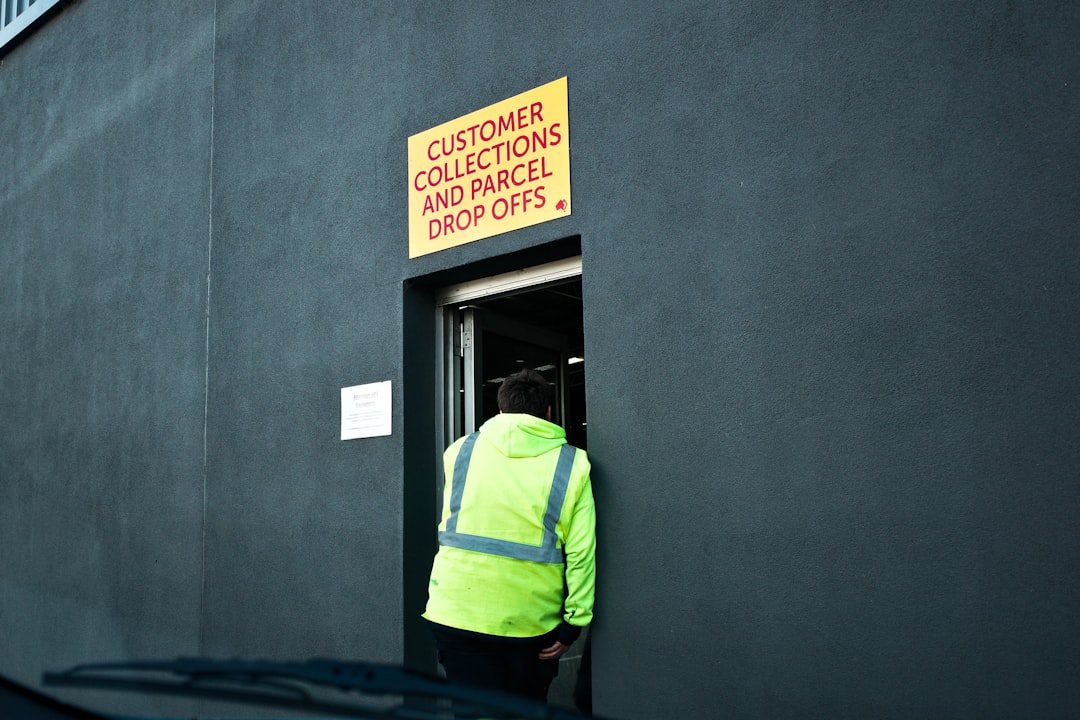
Post-arrival documentation ensures ongoing compliance. This includes signing the official labor contract, opening a bank account, and obtaining an ID card. Moreover, registering the employee for health insurance and pension schemes is legally required. Maintaining a complete digital and physical file for each guard, as advised by World Bank trade and logistics best practices, facilitates audits and renewals.
- Job description, offer letter, and employment contract.
- Passport copies, photographs, and attested certificates.
- Medical fitness and security clearance certificates.
- Employer commercial license and immigration quota approval.
- Employee handbook acknowledgment and policy sign-offs.
- Training records and performance appraisal documents.
Warehouse Security Guard Recruitment Implementation Timeline
A realistic timeline manages expectations and ensures preparedness. Typically, the end-to-end warehouse security guard recruitment process takes 6 to 10 weeks. The initial planning and sourcing phase requires 1-2 weeks. This includes finalizing requirements and advertising the position. Subsequently, screening and interviewing candidates can take another 2-3 weeks.
The documentation and pre-approval stage is often the longest. Gathering, attesting, and submitting papers for visa issuance requires 3-4 weeks. Furthermore, medical testing and biometric appointments add to this timeline. Therefore, proactive planning prevents project delays. Employers should account for regional holidays which can slow government processing.
Finally, the mobilization and onboarding phase takes 1-2 weeks. This includes travel arrangements, initial accommodation, and site-specific induction. Moreover, scheduling mandatory government procedures like ID card registration is crucial. Partnering with an expert like Allianze HR streamlines each step. Access our professional recruitment resources for detailed planning tools.
- Week 1-2: Job analysis, approval, and candidate sourcing.
- Week 3-5: Screening, interviews, and selection.
- Week 6-8: Document collection, attestation, and visa application.
- Week 9: Medical examination and flight booking.
- Week 10: Arrival, onboarding, and site deployment.
- Ongoing: Continuous training and performance management.
Common Challenges and Proactive Solutions
Recruiters and employers frequently encounter predictable hurdles. High turnover in security roles is a primary challenge. This often stems from inadequate compensation or poor working conditions. The solution involves conducting regular market salary benchmarks. Additionally, creating a positive work environment with recognition programs improves retention significantly.
Another common issue is the gap between expected and actual skills. A candidate may have a license but lack experience with modern warehouse systems. Therefore, incorporating practical assessments during hiring is vital. Furthermore, investing in continuous upskilling programs bridges this competency gap. This ensures the team evolves with technological advancements.
Legal and procedural delays can derail deployment schedules. Unexpected document rejections or quota shortages cause major setbacks. The proactive solution is working with partners who have established government relations. Moreover, maintaining a buffer in the recruitment timeline accommodates unforeseen delays. Regular compliance audits, guided by International Labour Organization standards, prevent last-minute complications.
- Challenge: High attrition rates. Solution: Competitive packages and career paths.
- Challenge: Skill mismatch. Solution: Rigorous practical testing and training.
- Challenge: Visa processing delays. Solution: Expert-led document verification.
- Challenge: Cultural integration issues. Solution: Pre-arrival orientation programs.
- Challenge: Budget overruns. Solution: Transparent, all-inclusive cost agreements.
- Challenge: Performance management. Solution: Clear KPIs and regular feedback.
Expert Recommendations for Long-Term Success
Building a future-proof security team requires strategic foresight. First, integrate security personnel into the broader operational safety culture. This means including them in operational briefings and safety meetings. Consequently, they become proactive partners in risk management rather than isolated sentries. This collaborative approach enhances overall site security and morale.
Second, leverage data and technology for smarter security management. Use access logs and incident reports to identify patterns and vulnerabilities. Furthermore, consider investing in training for advanced systems like thermal cameras or drone surveillance. This data-driven approach allows for targeted patrols and efficient resource allocation. It transforms security from reactive to predictive.
Finally, establish strong partnerships with reliable recruitment and training providers. A specialist firm like Allianze HR provides ongoing market intelligence and compliance updates. Moreover, they can manage the entire employee lifecycle, from hiring to repatriation. This allows your management to focus on core logistics operations. To begin, schedule consultation appointment with our GCC security staffing experts.
- Foster integration between security, operations, and HR departments.
- Invest in ongoing technology and procedural training for guards.
- Develop a succession plan for security supervisor roles.
- Conduct regular security audits and risk assessments.
- Benchmark your practices against regional industry leaders.
- Build a reputation as an employer of choice for security professionals.
Frequently Asked Questions About Warehouse Security Guard Recruitment
What is the timeline for warehouse security guard recruitment?
The complete process typically takes 6 to 10 weeks. This includes sourcing, vetting, documentation, and visa processing. Furthermore, specific country requirements can affect duration. Therefore, consult our specialists for a precise project timeline.
What certifications are mandatory for guards in the GCC?
Country-specific licenses like UAE’s SIRA or Saudi’s PSA are mandatory. Additionally, basic first-aid and firefighting certificates are often required. Moreover, security training institute accreditation must be verified during the hiring process.
How can we reduce turnover in our security team?
Offer competitive salaries aligned with market standards. Furthermore, provide clear career progression and regular training. Additionally, ensure proper working conditions and integrate guards as valued team members to boost morale and retention.
Does Allianze HR handle bulk hiring for multiple warehouse sites?
Yes, we specialize in volume recruitment for logistics security teams across multiple GCC locations. Our streamlined process manages simultaneous deployments efficiently, ensuring consistency and compliance across all your facilities.
What is included in your security recruitment service?
Our end-to-end service covers job profiling, sourcing, screening, interviews, documentation, visa processing, travel, and onboarding. We also offer compliance audits and ongoing support for the entire employee lifecycle.
How do you ensure the quality and integrity of candidates?
We implement a multi-stage vetting process including background checks, integrity interviews, and practical assessments. Moreover, we verify all certifications and previous employment histories thoroughly before shortlisting.
Partner with Allianze HR for Logistics Security Success
Securing your warehouse assets in the GCC demands a strategic and compliant approach. Effective warehouse security guard recruitment is the cornerstone of this strategy. This guide has outlined the critical steps from understanding regional risks to implementing best practices. Furthermore, navigating legal frameworks and building a resilient team are ongoing commitments. Therefore, expert partnership is invaluable for long-term property protection.
Allianze HR Consultancy brings proven expertise in GCC security staffing. Our deep understanding of local regulations and vast talent network ensures quality and compliance. Moreover, we